Finland’s Inari municipality – Sámi sisters Bigga-Helena Magga and Sigga-Marja Magga resolved to preserve their family’s Alttokangas boreal forest and peatland from commercial forestry after their father’s death.
A Personal Vow Sparks Regional Momentum
A Personal Vow Sparks Regional Momentum (Image Credits: Imgs.mongabay.com)
The sisters’ determination transformed a family legacy into a landmark conservation site. Located along the Ivalojoki River, Alttokangas holds deep cultural value for Sámi traditions, including reindeer herding and berry gathering. In 2024, authorities recognized it as Finland’s first Indigenous and community conserved area (ICCA) in Sámi territory.
This effort aligned with broader initiatives led by Snowchange Cooperative, a Finland-based group. Founder Tero Mustonen, a 2024 Climate Breakthrough Award recipient, emphasized peatlands’ overlooked role. “Peatlands are unsung heroes,” he stated. “We often talk about the Amazonia and rainforests as the lungs of the planet, but peatlands hold equal importance for climate circulation and carbon sinks.”
Snowchange expanded its rewilding program, restoring peatlands across more than 40 Finnish sites by 2024. These efforts now span swamps, bogs, and fens, supporting traditional practices like fishing and handicraft material collection.
The Massive Carbon Stores at Stake
Peatlands occupy just 3-4% of Earth’s land surface yet store up to one-third of global soil carbon – twice the amount in all forests combined. Their waterlogged conditions preserve organic matter, including archaeological artifacts, while fostering unique biodiversity.
In Finland’s Arctic Circle projects, intact sites like Kunnijänkkä and Miehinkäaapa demonstrate peatlands’ resilience against threats such as mining. Bigga-Helena Magga highlighted Alttokangas’s role as winter grazing for the Huuhkaja reindeer unit and a prime spot for cloudberries, lingonberries, and blueberries.
- Reindeer calving grounds supported by nutrient-rich fens.
- Essential lichen sources for winter forage.
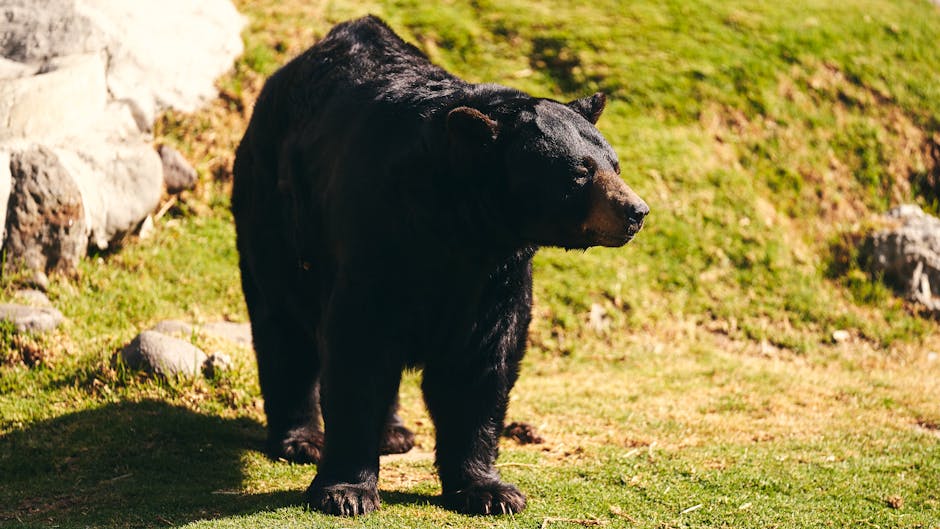
- Habitats for species like native trout and capercaillie.
- Biodiversity hotspots threatened by industrial uses.
- Cultural hubs for Sámi berry picking and herding.
Cross-Border Partnerships Take Shape
The initiative created coordinated restoration hubs linking Europe and North America. In Canada’s Northwest Territories, Gwich’in communities protected 30,000 hectares in their settlement area. Kristi Benson of the Gwich’in Tribal Council noted gains in land access for hunting, fishing, and berry picking, including Nakàl from muskeg areas.
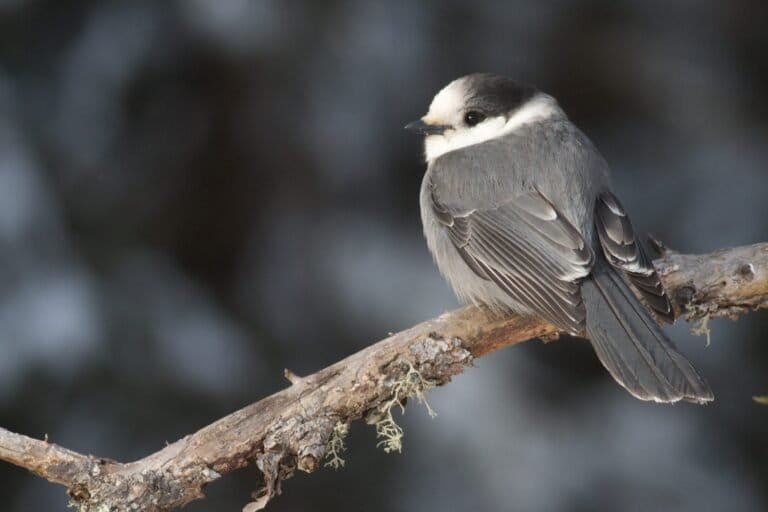
In the United States, Friends of Sax-Zim Bog in Minnesota conserved 25,000 acres of prime habitat. The nonprofit owns key properties supporting over 3,000 species, such as the great grey owl, black-backed woodpecker, and Canada jay. Sara Blanck described an artist-in-residency program to highlight these undervalued ecosystems.
| Region | Key Site | Area Protected |
|---|---|---|
| Finland | Alttokangas & 40+ sites | 62,000 hectares |
| Canada | Gwich’in Territory | 30,000 hectares |
| US | Sax-Zim Bog | 25,000 acres |
Navigating Climate Threats and Future Risks
Permafrost thaw, wildfires, and mining endanger these landscapes. Noor Johnson, Snowchange’s North America lead, explained how thawing alters soil moisture and releases carbon. Sámi herders already observe scarcer lichens due to rotten ground and prolonged snow.
Restoration focuses on functionality over exact replication, aiding species recovery and carbon retention. Mustonen called for policy shifts, including mining moratoriums guided by Indigenous knowledge.
These hubs equip communities for resilience amid development pressures.
Key Takeaways
- Peatlands store massive carbon, demanding urgent cross-regional protection.[1]
- Indigenous-led efforts blend tradition with science for effective restoration.
- Collaborations from Finland to Minnesota amplify global impact.
Peatlands stand as vital allies in climate battles, with community-driven action proving essential to their survival. What steps can your community take to support such ecosystems? Share your thoughts in the comments.