Southern Peru – Towering above 12,000 feet in the Andes, wild vicuñas and guanacos once faced near-extinction from overhunting. Indigenous communities spearheaded their recovery through sustainable practices, fostering population rebounds across high plateaus. Now, an introduced skin disease known as sarcoptic mange endangers these gains, prompting urgent collaboration between locals and scientists.
A Newly Emergent Killer in High Altitudes
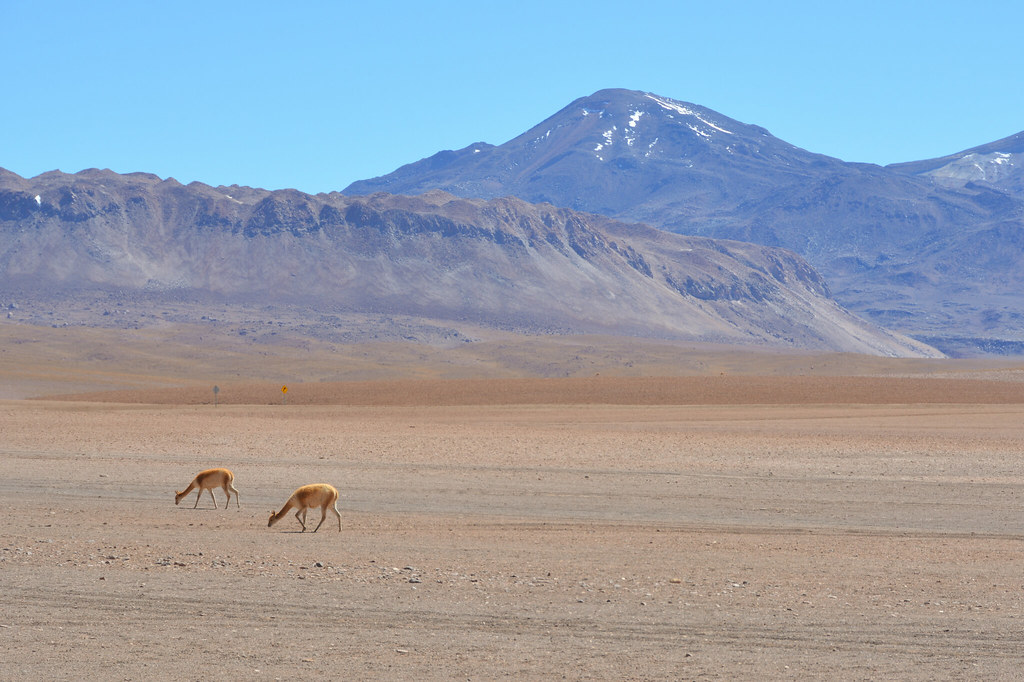
A Newly Emergent Killer in High Altitudes (Image Credits: Flickr)
Sarcoptic mange burst onto the scene in the Andes about 50 years ago, carried by European influences. The culprit, a microscopic mite called Sarcoptes scabiei, burrows into the skin of these camelids, stripping away fur and exposing raw flesh. Animals suffer intense itching, weakened immunity, and often death from exposure or secondary infections. Researchers documented bald patches on wrists and flanks, signaling widespread infection.
The disease quickly spanned Argentina, Bolivia, Chile, and Peru, hitting both wild species hard. Vicuñas, the smaller and more delicate of the two, proved especially vulnerable, with outbreaks reversing decades of progress. In places like San Guillermo National Park in northern Argentina, camelid numbers plummeted, altering predator-prey dynamics.
Centuries of Stewardship Meet Modern Crisis
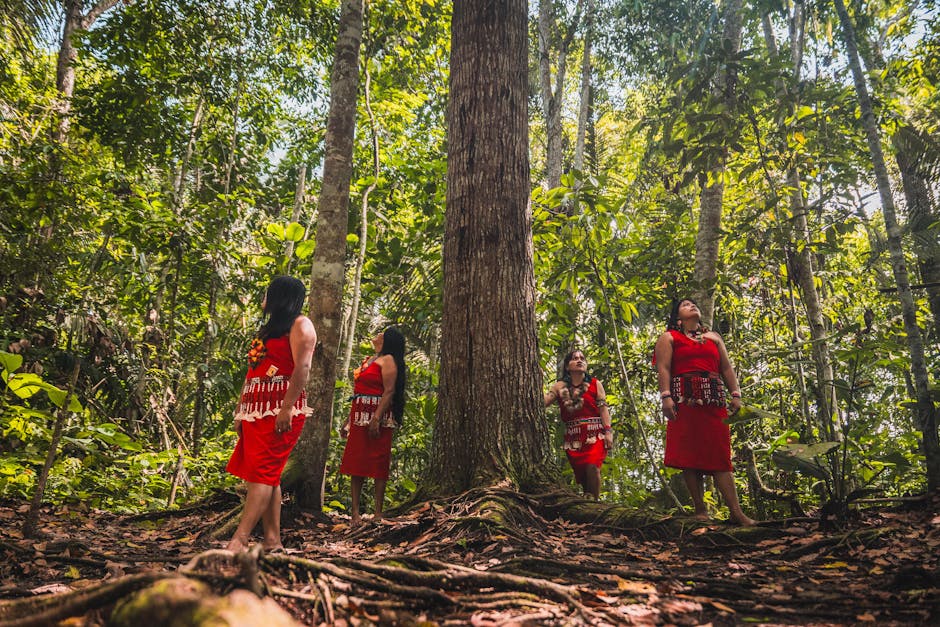
Andean Indigenous groups, including Quechua speakers, domesticated guanacos into llamas millennia ago while keeping vicuñas wild as prized wool sources. Communities organized chaccus—elaborate roundups stretching over a mile—to shear animals without harm, turning fine fiber into lucrative goods. A single vicuña wool scarf fetches $1,000 to $2,000, outpacing silk and bolstering local economies beyond livestock.
These traditions fueled conservation success, with populations climbing until mange intervened. Alynn Martin, an assistant professor at Grand Valley State University, joined locals at dawn for roundups, witnessing the disease firsthand. “Mange has ecosystem-level impacts beyond just the camelids,” she noted. “It’s really hard for the community to manage.”
Ecosystem and Economic Ripples
Mange’s toll extends far beyond afflicted herds. Fewer healthy camelids meant reduced droppings to fertilize native grasses, stressing high-Andean vegetation. Carcasses dwindled, starving scavengers like Andean condors and curbing puma hunts, which in turn disrupted seed dispersal.
Local livelihoods suffered as wool quality dropped, threatening income from sustainable harvests. In remote areas, the disease hit hardest, with prevalence rates soaring in some parks. Scientists observed puma-killed mangy camelids jumping from 5% to 90% in mere months during outbreaks.
- Fur loss and skin lesions weaken animals against cold and predators.
- Population densities fell by up to 77% in affected zones.
- Scavenger populations, such as condors, faced food shortages.
- Wool production declined, impacting community revenues.
- Transmission risks rose during close-contact roundups.
Treatment Breakthroughs and Research Momentum
Hope emerged through targeted interventions during chaccus. Communities applied ivermectin topically or orally to infested animals, but experts stressed multiple doses over weeks to eradicate mite generations. “It’s not just a one and done,” emphasized Scott Carver, a disease ecologist at the University of Georgia.
The Science for Nature and People Partnership (SNAPP) rallied experts for fieldwork and data synthesis, culminating in a 2026 study in The Journal of Wildlife Management. Carver’s team, including PhD student Kylie Green, advocated heightened surveillance and protocol development. Camera traps from The Wildlife Society’s Wild Cam initiative aided monitoring in vast terrains.
| Key Challenges | Solutions |
|---|---|
| Remote access via cliffside roads | Community-led roundups for treatment |
| Limited data on transmission | Meta-studies and field surveys |
| Drug resistance risks | Repeated dosing protocols |
Key Takeaways
- Integrate mange checks into traditional chaccus for efficient treatment.
- Boost research on disease spread among wild and domestic camelids.
- Support Indigenous knowledge to sustain economic and ecological benefits.
As researchers plan 2025 follow-ups, Indigenous resilience offers a model for global wildlife challenges. These camelids, vital to Andean heritage, stand at a crossroads where science and tradition converge. What strategies have you seen succeed against wildlife diseases? Tell us in the comments.