Brazil’s Atlantic Forest – Indigenous territories have demonstrated remarkable forest recovery rates, outpacing other land types according to a comprehensive new analysis.
Land Tenure Shapes Restoration Success
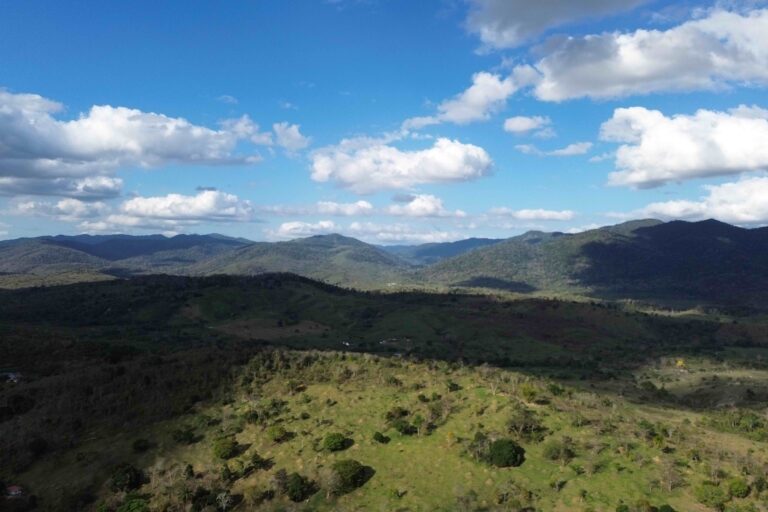
Land Tenure Shapes Restoration Success (Image Credits: Imgs.mongabay.com)
Researchers examined nearly 2 million territories across the Atlantic Forest biome from 1985 to 2022. They compared restoration outcomes under various governance structures, including Indigenous lands, agrarian-reform settlements, Quilombola territories, protected areas, and private properties.
Indigenous lands recorded an average of 189 hectares more long-term forest gains than private properties. Agrarian-reform settlements also showed positive results, with about 6.5 hectares more gains per territory. Overall, restoration gains across all regimes totaled roughly 10 times the area of reversals.
These findings emerged through a statistical method called agglomerative matching, which accounted for biophysical differences between land types. The approach isolated the effects of tenure security and governance on forest persistence.
Reversals Temper but Do Not Erase Gains
While gains dominated, reversals – where restored forests later faced deforestation – occurred more frequently on Indigenous lands and agrarian-reform settlements. Indigenous territories averaged 21 hectares more reversals than private lands, linked partly to farming and agroecological practices.
Agrarian-reform areas saw about 4.5 hectares more reversals. Private properties often experienced shorter-term cycles, with trees harvested at 8-10 years old before protections under Brazil’s Atlantic Forest law kicked in.
| Land Tenure Type | Avg. Gains More Than Private (ha) | Avg. Reversals More Than Private (ha) |
|---|---|---|
| Indigenous lands | 189 | 21 |
| Agrarian-reform settlements | 6.5 | 4.5 |
| Quilombola territories | No significant difference | No significant difference |
| Protected areas | No significant difference | No significant difference |
Net results remained strongly positive, underscoring communal management’s advantages despite these setbacks.
Indigenous Perspectives on Stewardship
“The land is the greatest asset we have,” stated Luzineth Pataxó, a leader from the Caramuru-Paraguaçu Indigenous Territory in Bahia state. “Our people have always taken care of our territory and forests because it is from them that we derive our livelihoods … and connect with the sacred beings that inhabit them.”
Rayna Benzeev, a lead author of the study from the University of California, Berkeley, highlighted the “staggering” performance of Indigenous lands. She noted that weak tenure rights invite invasions, undermining both forests and communities.
Ariadne Dall’acqua Ayres, a PhD candidate at the University of São Paulo, emphasized relational values in Indigenous conservation. These views treat forests not just as resources but as integral to culture, knowledge, and faith.
- Communal governance fosters long-term forest persistence.
- Cultural rituals drive replanting of key species.
- Secure demarcation reduces invasions and conflicts.
- Agroecological needs sometimes prompt limited clearing.
- Biocultural approaches align restoration with community goals.
Implications for Future Conservation
Experts call for bolstered land rights, funding for preservation zones, and policies tailored to Indigenous priorities. Recent demarcations of 10 territories by Brazil’s president signal progress, but more action remains essential.
Sustained support could amplify these gains, preventing reversals and integrating restoration with livelihoods like seed sales from culturally vital trees.
Key Takeaways
- Indigenous lands achieved 189 hectares more restoration gains on average than private properties from 1985-2022.[2]
- Secure tenure and relational stewardship drive superior outcomes.
- Targeted policies can build on these successes to protect the Atlantic Forest.
These restoration triumphs affirm Indigenous knowledge as a cornerstone of environmental recovery. Stronger protections promise enduring forests for generations – what do you think about prioritizing Indigenous-led efforts? Tell us in the comments.