Brazil – The federal government pulled back a decree that exposed stretches of three Amazonian rivers to privatization efforts, yielding to pressure from Indigenous protesters who occupied a key grain terminal for over a month.
A Bold Occupation Ignites National Attention
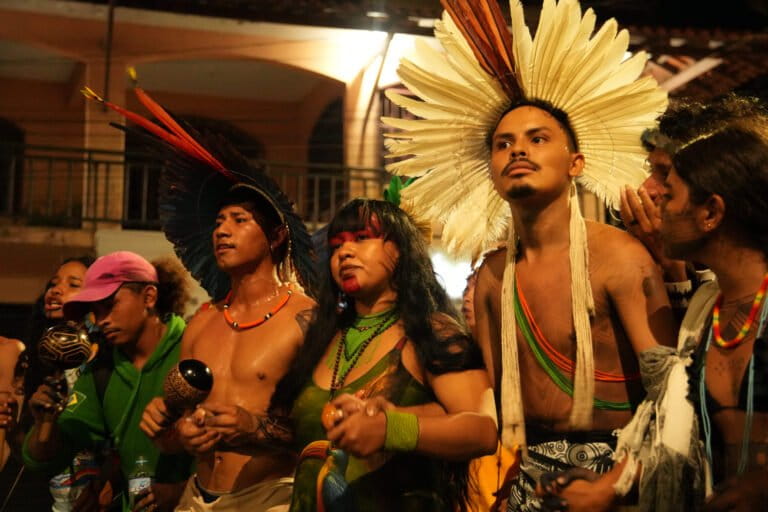
A Bold Occupation Ignites National Attention (Image Credits: Imgs.mongabay.com)
Hundreds of Indigenous demonstrators from groups including the Munduruku and those represented by the Tapajós and Arapiuns Indigenous Council took control of Cargill’s grain port in Santarém, Pará state, starting January 22, 2026.
The 33-day action halted operations at the facility, a critical hub for soybean and corn exports, after protesters entered offices on February 21 and refused a court order to disperse. They blockaded access roads, including to the local airport, and drew solidarity protests across the Amazon and as far as São Paulo. Leader Alessandra Korap Munduruku declared from the site, “We have to protect this river, we have to protect this forest. This place is sacred. This place is the cemetery of our ancestors, who were massacred here. And now, they have witnessed our victory.”
The Decree’s Threat to Sacred Waters
Decree 12,600, issued August 28, 2025, added segments of the Tapajós, Madeira, and Tocantins rivers to Brazil’s National Privatization Program.
This move aimed to enable private firms to handle maintenance, dredging, and traffic for freight barges transporting grains from central production areas to Atlantic ports. Communities warned that dredging would degrade water quality, disrupt fishing livelihoods, and endanger at least 17 Indigenous territories plus riverine populations. The terminal itself sits on a site with precolonial archaeological significance, heightening cultural concerns.
- Tapajós River: Central to protests, vital for Munduruku and others.
- Madeira River: Key waterway facing similar industrial pressures.
- Tocantins River: Essential for downstream communities and biodiversity.
Critics argued the government advanced the plan without Free, Prior, and Informed Consent, violating ILO Convention 169 protections.
High-Level Talks Lead to Reversal
On February 23, 2026, officials including Environment Minister Marina Silva, Indigenous Peoples Minister Sônia Guajajara, and Presidency Secretary Guilherme Boulos met protesters in Brasília.
The government announced the revocation that day, formalized by Decree 12,856 and published in the Official Gazette. Boulos stated, “The decision to revoke Decree 12,600 was finalized today. This is a government committed to listening to the people, to workers, to Indigenous peoples.” Protesters agreed to demobilize within 48 hours once confirmed, marking a swift policy shift amid President Lula’s Asia trip.
The Tapajós and Arapiuns Council celebrated, noting, “Revoking the decree is more than a political decision. It confirms that the struggle of Indigenous peoples and the communities that resisted was never in vain.”
Balancing Exports, Ecology, and Rights
The episode exposed tensions in Brazil’s dual push for agribusiness growth – handling over 163 million metric tons at northern ports last year – and Amazon stewardship.
While soy exports fuel the economy, infrastructure like dredging risks accelerating deforestation and biodiversity loss in rivers that sustain vast ecosystems.
Key Takeaways
- Brazil revoked Decree 12,600, halting privatization studies on Tapajós, Madeira, and Tocantins rivers.
- 33-day occupation at Cargill’s Santarém terminal forced dialogue and policy change.
- Victory underscores need for Indigenous consultation in Amazon projects.
This outcome reinforces Indigenous voices in conservation decisions, potentially setting precedents for future waterway and rail proposals.
Protesters vow continued vigilance to safeguard these lifelines of the rainforest. What do you think about this hard-won reversal? Tell us in the comments.