Brazil’s Atlantic Forest – home to immense biodiversity – registers impressive restoration progress on Indigenous lands, surpassing private holdings in sustained forest regrowth.
Land Tenure Shapes Forest Futures
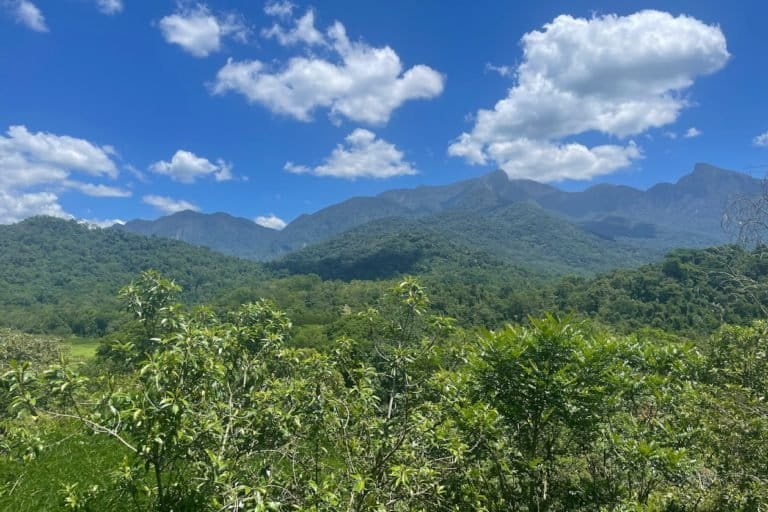
Land Tenure Shapes Forest Futures (Image Credits: Imgs.mongabay.com)
A recent study examined 1.9 million territories across the Atlantic Forest from 1985 to 2022 and uncovered stark differences in restoration outcomes.
Researchers found Indigenous lands averaged 189 hectares more long-term restoration gains than private properties. Agrarian-reform settlements also showed greater gains over the same benchmark. Overall, restoration advances outnumbered reversals by a factor of 10.
Rayna Benzeev, a postdoctoral fellow at the University of California, Berkeley and study co-author, highlighted the disparity. “There are on average 189 hectares more long-term restoration gains on Indigenous lands compared to private properties,” she noted.
Stewardship Rooted in Tradition
“The land is the greatest asset we have,” stated Luzineth Pataxó, a leader from the Caramuru-Paraguaçu Indigenous Territory in Bahia state. “Our people have always taken care of our territory and forests because it is from them that we derive our livelihoods … and connect with the sacred beings that inhabit them.”
Indigenous cosmologies emphasize relational ties to forest species, fostering governance models that prioritize conservation. Communities replant trees vital for cultural rituals, ensuring knowledge transmission across generations.
Such practices contrast with private lands, where owners often clear regrown trees after 8-10 years. Land abandonment or ownership changes further erode gains on these properties.
Reversals Temper the Success
Despite strong net progress, Indigenous lands recorded 21 hectares more restoration reversals than private properties. Agrarian-reform settlements saw about 4.5 hectares more reversals.
| Land Tenure Type | Restoration Gains vs. Private Properties | Restoration Reversals vs. Private Properties |
|---|---|---|
| Indigenous Lands | 189 hectares more | 21 hectares more |
| Agrarian-Reform Settlements | Greater gains | 4.5 hectares more |
Factors like agroecological farming contributed to higher reversals in these areas. Economic pressures sometimes prompt unsustainable activities that conflict with traditional values.
Pathways for Lasting Protection
Secure land rights emerge as crucial for sustaining gains. Weak tenure invites invasions and conflicts, as noted by Ariadne Dall’acqua Ayres, a PhD candidate at the University of São Paulo. “The lack of land demarcation even exacerbates these pressures,” she observed.
- Strengthen land demarcation and formalization of Indigenous territories.
- Implement payment for ecosystem services and community economies.
- Enforce environmental laws with penalties for illegal activities.
- Protect environmental defenders and include Indigenous voices in policy.
- Adopt biocultural restoration approaches honoring local priorities.
Brazil’s Atlantic Forest law protects recovered areas over 10 years old from deforestation, offering a framework for permanence.
Key Takeaways
- Indigenous lands achieve 189 hectares more restoration gains than private properties, driven by traditional stewardship.[1]
- Restoration reversals remain a challenge but pale against overall advances.
- Secure tenure and inclusive policies hold the key to future success.
These findings underscore the value of Indigenous-led conservation in biodiversity hotspots. Policymakers must prioritize land rights to amplify such successes across the Atlantic Forest. What steps should Brazil take next to build on these gains? Share your thoughts in the comments.