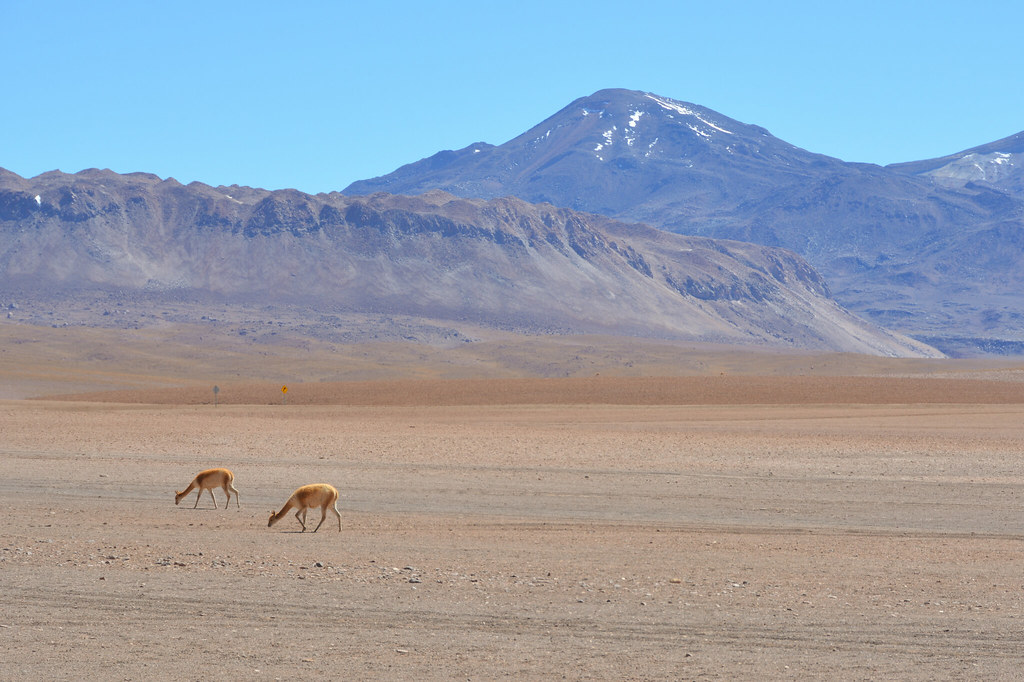
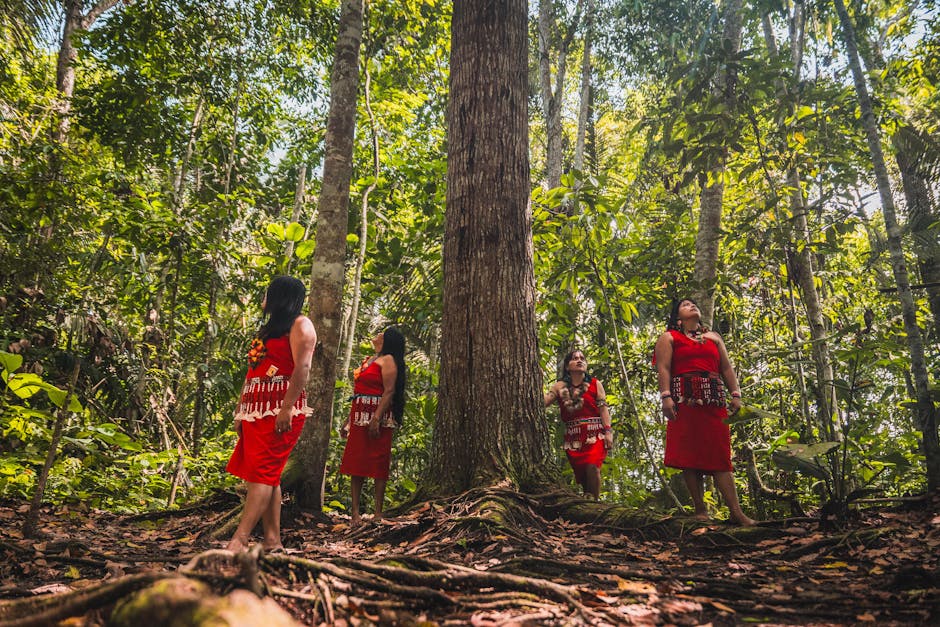
Colombia’s Cauca department – Volunteer Indigenous guards traverse the Andean foothills of the region’s southern “boot,” a shoe-shaped area encompassing much of Piamonte municipality. These patrols aim to shield ancestral lands from encroaching threats like illegal logging and land grabs. Recent research underscores how such community-led efforts preserve vital connections across the Amazon Basin, where fragmentation endangers biodiversity and climate stability.
A Basin Under Siege from Fragmentation
A Basin Under Siege from Fragmentation (Image Credits: Pexels)
Human activities have carved deep scars into the Amazon’s fabric. Deforestation, mining, dams, fires, roads, and oil extraction disrupt the flow of species, nutrients, and water that sustain the ecosystem. Researchers mapped these pressures across four landscapes: the Amazonian Andes, lowland forests, wetlands, and rivers.
Lowland forests lost connectivity on 23% of their area, rivers on 24%, wetlands on 25%, and the Andes on 28%. Southern and eastern sectors suffered most from fires and mining, while Andean foothills faced oil and gas incursions. Such breaks hinder species migration and weaken resilience to climate shifts.
Indigenous Lands as Connectivity Strongholds
Indigenous Territories and Protected Areas, known as ITPAs, cover more than half the basin and stand out for their resilience. Only 14-16% of ITPA land shows human impacts, compared to 38% in unprotected zones. Statistical models confirmed higher connectivity inside these areas – for terrestrial ecosystems, wetlands, and rivers alike.
Deforestation rates in Indigenous Territories run 85-92% lower than in surrounding lands. Community practices, from rotational farming to sacred site protections, foster natural corridors. In Colombia’s Cauca, Nasa coordinators like Edinson Ramos Usnas lead guards against armed groups and legal miners targeting the boot-shaped zone.
Insights from Cutting-Edge Analysis
A 2025 PNAS study by Camila D. Ritter and colleagues quantified these patterns using resistance models. They layered remote-sensing data on dams, fires from 2016-2021, deforestation since 2001, and more. Results showed ITPAs buffering against isolation, especially in rivers where dams number 347 operational, 85 under construction, and 397 planned.
Five Andean rivers – Putumayo, Napo, Japurá, Madre de Dios, and Beni – remain largely dam-free, but connectivity to lowlands falters. RAISG analyses from 1985-2023 revealed 16.3% of the Pan-Amazon lost full connectivity, with protected areas hit harder externally.
| Ecosystem | ITPA Impact (%) | Unprotected Impact (%) |
|---|---|---|
| Terrestrial | 14-16 | 38 |
| Wetlands | 14-16 | 38 |
| Rivers | 14-16 | 38 |
Frontline Struggles and Emerging Threats
Piamonte recorded Cauca’s highest forest loss, despite guard patrols. Illegal armed mining and permitted operations persist, alongside hydropower risks on the Caquetá River, source of Brazil’s Japurá. Guards face violence, yet their presence correlates with intact habitats.
Brazil’s Arc of Deforestation and Andean corridors in Colombia, Ecuador, and Peru show acute losses. Fires scorched over 151,000 square kilometers yearly on average. Mining concessions overlap ITPAs extensively, demanding cross-border coordination.
- Establish dam-free sanctuaries on key rivers like Putumayo-Içá and Beni.
- Fortify ITPA governance with Indigenous input and funding.
- Impose moratoria on new infrastructure in corridors.
- Enhance monitoring via RAISG and regional pacts.
- Restore buffers around fragmented zones.
Charting a Resilient Future
Strengthening Indigenous governance offers the most efficient path forward. Partnerships amplify traditional knowledge, curbing threats cost-effectively. As the basin nears tipping points, ITPAs emerge not just as refuges, but as architects of enduring connectivity.
Key Takeaways
- ITPAs maintain superior connectivity amid basin-wide declines.
- Human impacts hit unprotected areas four times harder.
- Targeted protections for rivers and corridors can reverse fragmentation.
Global support for these stewards could avert collapse. What steps should governments take next? Share your views in the comments.