Way Kambas National Park in Sumatra stands as a critical refuge for some of Indonesia’s most endangered species, including Sumatran elephants, tigers, and rhinos. Government officials recently proposed rezoning more than half of the park’s protected core area to enable carbon credit schemes and high-end ecotourism, aiming to address chronic funding shortages. Critics argue this shift risks fragmenting vital habitats and escalating conflicts between humans and wildlife.
Funding Crisis Hits Iconic Wildlife Haven
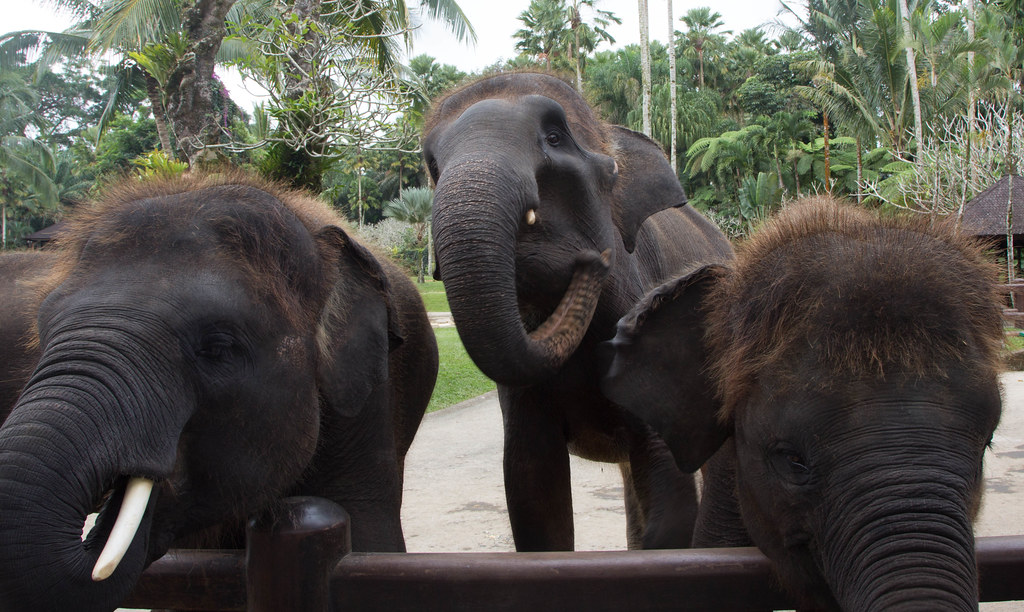
Funding Crisis Hits Iconic Wildlife Haven (Image Credits: Flickr)
The park’s management has long grappled with limited resources, receiving just $10 to $11 per hectare annually, far below the estimated needs for effective protection. Across its 125,000 hectares, officials reported that nearly a third of the area suffered degradation from wildfires, invasive species like Melastoma malabathricum and Melaleuca cajuputi, and poaching. These challenges hampered patrols, restoration efforts, and mitigation of human-elephant conflicts.
Park authorities estimated 160 to 200 wild Sumatran elephants roam the reserve, a species classified as critically endangered. Historical records also linked the area to Sumatran rhinos, though their current numbers remained uncertain. Such pressures prompted calls for innovative revenue streams to transform national parks from cost centers into self-sustaining entities.
Government Unveils Ambitious Rezoning Blueprint
Forestry Minister Raja Juli Antoni positioned Way Kambas as a pilot site under a new task force for park financing. The plan sought to shrink the core zone from 59,935 hectares to 27,661 hectares while expanding the utilization zone nearly tenfold to 32,091 hectares. Targeted areas included Wako, Way Kanan, and Sekapuk, regions still harboring functional wildlife habitats despite past logging.
| Zone Type | 2020 Size (ha) | Proposed 2025 Size (ha) | Change |
|---|---|---|---|
| Core Zone | 59,935 | 27,661 | -54% |
| Utilization Zone | 3,934 | 32,091 | +715% |
| Rehabilitation Zone | 16,680 | 34,221 | +105% |
Proponents highlighted carbon projects’ potential, with the park holding 31 million tons of CO2 equivalent, valued at around $183 million at current prices. President Prabowo Subianto’s October 2025 regulation paved the way for such activities in protected areas, including afforestation, reforestation, and revegetation schemes.
Experts Warn of Ecological Backlash
Ecologist Wishnu Sukmantoro, a member of the IUCN’s Asian Elephant Specialist Group, questioned the logic of shrinking core zones for business interests. He warned that dense tree planting for carbon credits could convert elephant-preferred grasslands into closed-canopy forests, reducing forage and driving animals toward human settlements. “Elephants tend to use young secondary forest and more open areas,” he noted. Such changes risked undermining Indonesia’s standing in global conservation circles.
Irfan Tri Musri of Walhi Lampung highlighted threats to habitat connectivity for wide-ranging species like tigers and elephants. He advocated planting elephant food sources in utilization zones instead. The Indonesian Forum for Environment criticized limited public consultations, where key groups felt sidelined. Officials countered that no logging would occur and activities aligned with Law No. 32/2024 on conservation.
Influence of International Players Emerges
Investigative reporting revealed former U.S. diplomat Karen Brooks’ role in shaping the initiative through firms like Wilderness Holdings and Carbon Ark. She reportedly lobbied President Prabowo directly, proposing premium eco-lodges modeled on African safaris, complete with a helipad and rates up to $14,000 per night. The ventures promised 750 jobs and $450 million in economic value, alongside $150 million for restoration.
- Premium tourism: Six to 10 eco-lodges targeting affluent visitors for wildlife viewing.
- Carbon schemes: Protection of intact forests and rehabilitation of degraded lands.
- Infrastructure: Potential canals and embankments to curb elephant conflicts, backed by a $120 million allocation.
- Previous rejection: Former minister Siti Nurbaya Bakar denied a similar proposal in 2020 for regulatory reasons.
Deputy Minister Rohmat Marzuki emphasized mobilizing international funds beyond state budgets. Yet park head M.H.D. Zaidi expressed internal concerns over using genetically rich areas for business.
Key Takeaways
- Rezoning aims to fund under-resourced parks but fragments core habitats.
- Carbon projects could generate millions, yet clash with elephant foraging needs.
- Stakeholder exclusion fuels doubts about transparency and long-term wildlife benefits.
The debate underscores a pivotal tension: whether market-driven solutions can safeguard biodiversity without compromising irreplaceable ecosystems. As Way Kambas pilots this model, its outcomes may shape national park strategies across Indonesia. What do you think about balancing green finance with wildlife protection? Tell us in the comments.