Indonesia – Neighborhood leaders across urban areas confront a persistent dilemma as residents burn bulky trash to avoid roadside hazards, fueling new pilot efforts to shift long-standing habits.
A Widespread Challenge Persists
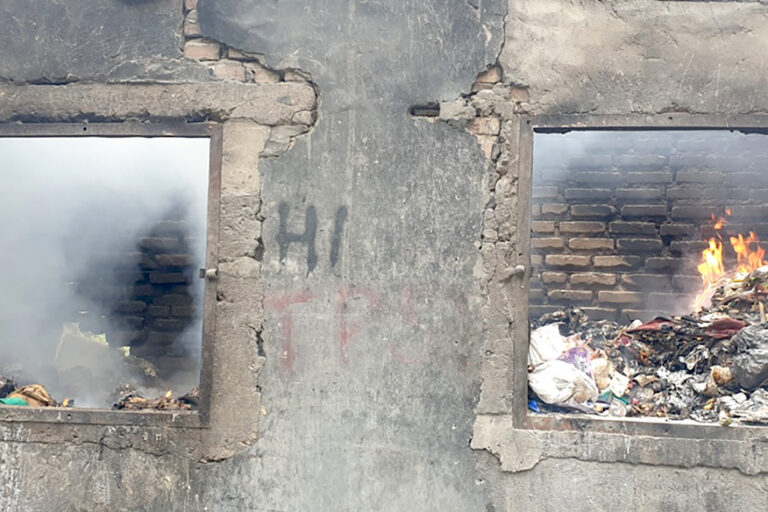
A Widespread Challenge Persists (Image Credits: Imgs.mongabay.com)
Local officials in Bogor, south of Jakarta, often managed discarded items like soiled mattresses and damaged furniture by igniting them in open fields. Erwinsyah, head of a neighborhood unit there, explained the risks of leaving such waste along paths used by schoolchildren.
He monitored the fires closely, acknowledging the acrid smoke but citing a lack of alternatives. A 2023 Ministry of Health survey revealed that 57% of households nationwide relied on burning as their primary waste disposal method, far outpacing collection by informal pickers at 27.6% or direct dumping at 8.7%. Recycling registered at a mere 0.1%. Despite prohibitions in the 2008 Waste Management Law, authorities identified over 100 burning sites in Jakarta alone last year.
Heavy Health and Environmental Costs
Open fires released toxic fine particulates and black carbon, deeply infiltrating lungs and organs to trigger respiratory illnesses, heart conditions, and even anemia among women. Professor Budi Haryanto of the University of Indonesia highlighted how these pollutants settled in vital areas like the heart, nervous system, and bone marrow, disrupting blood cell production.
Black carbon emerged as a short-lived but potent climate warmer, outstripping carbon dioxide’s impact per unit through rapid heat absorption. Environmental lecturer Didin Agustian Permadi noted that targeting such super pollutants at the source promised quicker air quality gains and emission cuts by 2030. Waste ranked as Indonesia’s third-largest greenhouse gas contributor, trailing only land use and energy sectors.
Unpacking the Root Causes
Cultural views framed burning as a communal cleanliness effort, rooted in traditions of clearing natural debris. Infrastructure shortfalls left bulky and inorganic items uncollected, while narrow alleys blocked waste vehicles in crowded settlements. Financial hurdles compounded issues, with low monthly fees of around 15,000 rupiah per household often going unpaid by 30-40% of residents.
- Limited enforcement struggled against small, scattered fires undetectable by satellites.
- Residents prioritized immediate safety over distant pollution risks.
- Informal tolerance discouraged neighborly interventions.
- Shifting waste composition – now heavy on plastics – amplified toxic outputs unseen in past eras.
Community-Driven Pilots Take Shape
Dietplastik Indonesia, backed by ViriyaENB, initiated the FIREFLIES project across three neighborhoods in Jakarta, Bogor, and Depok. University of Indonesia researchers conducted sociocultural studies to tailor interventions, paired with education campaigns and infrastructure upgrades. Low-cost sensors began tracking air quality minute-by-minute this month, extending through December to spotlight burning spikes and foster peer accountability.
Senior researcher Zakiyus Shadicky emphasized building social norms: “We want residents to report to each other. Without social norms against burning, even the best app is useless.” Targeted rollouts followed in April and May. Ministry official Nurmayanti endorsed the approach, stressing source reduction for national emission goals.
Key Takeaways
- 57% of households burn waste, driving air pollution and climate harm.
- FIREFLIES combines data, education, and infrastructure for lasting change.
- Success could yield dual benefits in health and emissions reduction.
These pilots signal a promising pivot from punitive measures to empowered communities, potentially scaling nationwide to reclaim cleaner skies. What steps could your area take to tackle similar waste issues? Share in the comments.