Indonesia – The repatriation of four infant orangutans from Thailand last December highlighted both a conservation victory and a persistent threat from cross-border wildlife crime.
Infants Caught in a Relentless Cycle
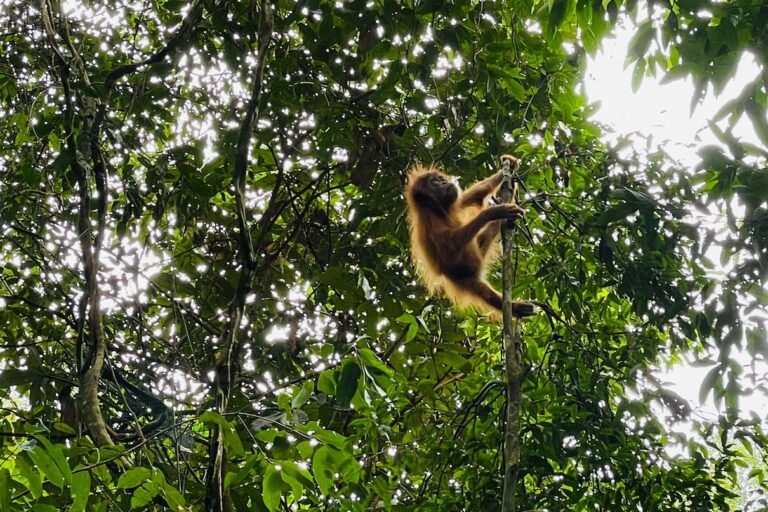
Infants Caught in a Relentless Cycle (Image Credits: Imgs.mongabay.com)
Authorities in Thailand seized the four orangutans – three Sumatran and one Tapanuli – during trafficking attempts in January and May 2025, when the animals were less than a month old. They received care at the Khao Pratubchang Wildlife Rescue Centre before officials handed them over on December 23, 2025, for rehabilitation at the Sumatran Rescue Alliance centre in North Sumatra.
That relief proved short-lived. Just weeks later, on January 30, 2026, officers in East Aceh intercepted a truck with 53 packages containing hundreds of protected wildlife parts headed to Thailand. These events formed part of a broader pattern documented over recent years.
Public records outlined a timeline of recurring seizures:
- December 22, 2023: Indonesia repatriated three orangutans seized in Thailand.
- January 2025: First Thai seizure linked to the 2025 infants.
- March 18, 2025: Arrests tied to online sales of protected species for export.
- May 2025: Second Thai seizure of infants.
- December 8-12, 2025: Foiled smuggling at Soekarno-Hatta Airport.
- December 23, 2025: Four infants returned.
- January 30, 2026: East Aceh wildlife parts bust.
- February 2, 2026: Suspect named in Aceh case.
Such incidents demonstrated how traffickers adapted routes and methods with alarming speed.
The Hidden Mechanics of the Trade
Orangutan trafficking operated as a sophisticated supply chain, starting with captures in remote forests and ending with buyers in exotic pet markets. Infant orangutans fetched high prices due to demand from collectors and social media influencers, but their trade often meant the death of mothers during extraction.
Seizures provided snapshots of failure, not success. Couriers faced low risks, while organizers and financiers evaded scrutiny. Thailand’s repeated involvement pointed to established corridors involving roads, coasts, and lax checkpoints, rather than isolated errors.
Forestry Minister Raja Juli Antoni expressed dismay at the persistence of such crimes, stressing the need for stronger inter-agency efforts to secure borders.
Three Pillars for Effective Prevention
Experts urged a pivot from reactive rescues to proactive measures that disrupted the trade at its roots. First, authorities should intensify patrols at forest edges and conflict zones, while establishing rapid response teams to resolve human-wildlife clashes before they fueled poaching.
Second, investigations must climb beyond street-level actors to target networks through financial tracking and asset seizures. Indonesia’s formation of task forces against money laundering in wildlife cases marked progress, but routine application remained essential. Third, communities near habitats required incentives like verified loss compensation and performance-based conservation payments to prioritize protection over capture.
Building a Unified Front
A national strategy demanded clear roles: the Forestry Ministry to set targets like reduced snares and organizer prosecutions; local agencies to handle patrols and verification; and border units to profile high-risk shipments. Enhanced Indonesia-Thailand collaboration, including joint operations, could dismantle shared routes. Platforms and payment systems also needed pressure to curb online facilitation.
Repatriation offered mercy to victims, yet without systemic change, it risked normalizing endless cycles of loss.
Key Takeaways
- Target organizers and finances, not just couriers, to raise true costs.
- Empower communities with incentives to guard habitats actively.
- Adopt measurable goals across agencies for prevention over reaction.
Indonesia possessed the capacity to render orangutan trafficking unviable, but only through sustained political commitment. What steps do you believe would most effectively protect these endangered primates? Tell us in the comments.