Indonesia recorded thousands of fire hotspots across its peatlands in January, defying the ongoing rainy season that typically quells such blazes.
Unprecedented Fire Surge in Wet Conditions
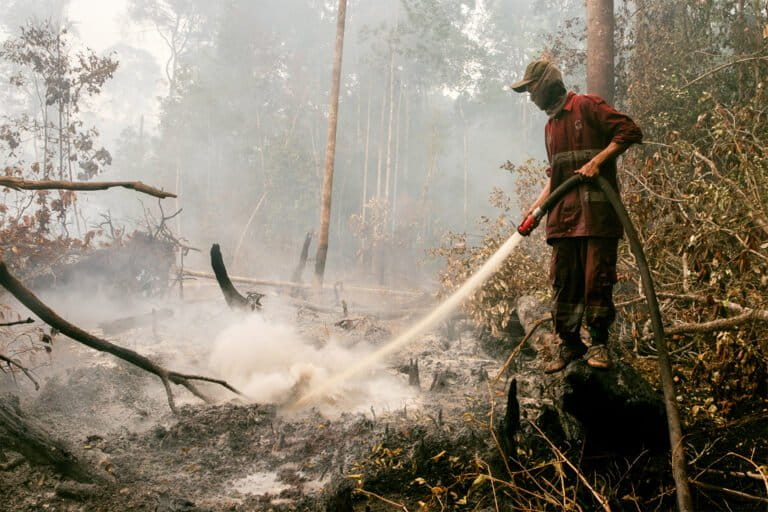
Unprecedented Fire Surge in Wet Conditions (Image Credits: Imgs.mongabay.com)
Independent monitors detected 5,490 hotspots within peatlands last month, a stark indicator of shifting fire dynamics. These waterlogged ecosystems, which trap vast carbon reserves, saw flames persist despite widespread rains and recent flooding.
West Kalimantan led with 2,216 hotspots, followed by Aceh at 1,444. Official data from the Ministry of Environment and Forestry, drawn from NASA satellites, counted 110 nationwide hotspots in January 2026 – more than triple the 29 recorded in January 2025. The uptick alarmed experts, as fires traditionally cluster in dry periods.
Pantau Gambut campaigner Putra Saptian noted, “The spike suggests fire risk in peat landscapes is no longer confined to the traditional dry season, but increasingly driven by degraded hydrology and land-use pressures.”
Human Activities Fuel the Flames
Decades of logging and plantation expansion drained peat through extensive canals, turning water-retaining soils into tinderboxes. Fully 1,824 hotspots flared inside company concessions, including 1,617 in oil palm areas – a third of the total.
Over half, 3,266, burned in protected conservation zones, underscoring failures in oversight. Short dry spells, like 11 rainless days in mid-January West Kalimantan, sufficed to ignite degraded surfaces.
- Drainage canals lower water tables, exposing flammable organic matter.
- Monoculture clearing leaves bare, vulnerable land.
- Degraded peat oxidizes and subsides, amplifying fire spread.
- Underground smoldering evades quick detection and extinguishing.
Threats to Biodiversity and Beyond
These fires release stored carbon dioxide, exacerbating global warming, while toxic haze chokes cities like Pontianak. Habitat destruction in conservation peatlands endangers unique species dependent on these ancient wetlands.
Smoke laden with particulates, formaldehyde, and carbon monoxide triggered respiratory crises; a 67-year-old woman in West Kalimantan succumbed to smoke-aggravated asthma on February 9. Past events, like 2015’s haze, sickened hundreds of thousands and claimed up to 100,000 lives regionally.
Degraded peatlands swing between floods – as in late 2025’s deadly Typhoon Senyar – and fires, compounding risks to wildlife and communities.
Fragmented Efforts Hamper Restoration
The Peatland Restoration Agency restored 1.6 million hectares before its 2024 mandate expired, falling short of a 2.6 million-hectare goal. A new Ministry of Environment center targets peat and mangroves, but critics decry scattered authority.
Pantau Gambut warned of absent real-time monitoring and suboptimal water-level tracking. Army units battled blazes, yet experts like Saptian called for unified policies prioritizing recovery and prevention.
| Metric | January 2026 | January 2025 |
|---|---|---|
| Nationwide Hotspots (Ministry/NASA) | 110 | 29 |
| Peatland Hotspots (Pantau Gambut) | 5,490 | N/A |
Key Takeaways
- Peat fires now strike year-round due to drainage, not just dry seasons.
- Protected areas bore over half the hotspots, hitting conservation hard.
- Urgent need for integrated restoration to safeguard carbon sinks and habitats.
Indonesia’s peat crisis demands swift, coordinated action to avert worse outbreaks, possibly fueled by a 2027 El Niño. Protecting these ecosystems preserves not only carbon stores but vital wildlife refuges. What steps should follow to curb this threat? Share your views in the comments.