Pelalawan, Indonesia – Authorities relocated hundreds of families from the deforestation-ravaged Tesso Nilo National Park in 2025, positioning the operation as a scalable strategy to restore protected lands amid Asia’s vanishing tropical forests.
A Park on the Brink
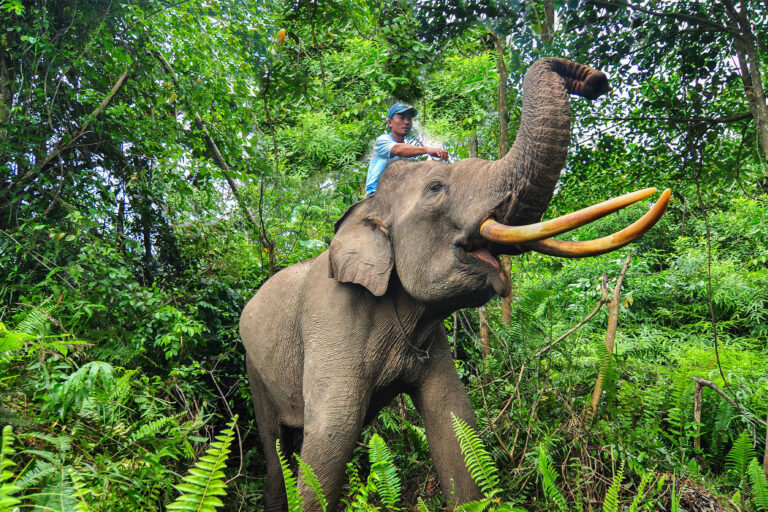
A Park on the Brink (Image Credits: Imgs.mongabay.com)
Established in 2004 and expanded in 2009, Tesso Nilo National Park covers 81,793 hectares in Riau province, Sumatra, serving as a critical habitat for endangered Sumatran elephants and tigers. Yet the area lost 78% of its old-growth forest between 2009 and 2023, primarily to smallholder oil palm plantations. Encroachment by migrant communities exacerbated habitat fragmentation, flooding along the Batang Nilo River, and rampant wildfires.
Human-wildlife conflicts surged, with elephant incidents climbing from 13 cases in 2017 to 58 in 2024. Officials estimated around 6,000 families resided inside the park by late 2025, most lacking legal titles despite building schools, mosques, and health facilities over decades.
Mobilizing the Task Force
The nationwide Forest Enforcement Task Force, led by army general Dody Triwinarto and empowered by President Prabowo Subianto, launched interventions in mid-2025. Teams seized thousands of hectares of illegal plantations, demolished encampments, and sealed access roads to reassert state control. Relocations ordered in June targeted smallholders under 10 hectares, with a three-month deadline later extended following human rights concerns.
First-phase moves began December 20, 2025, in Bagan Limau village, Ukui district. Forestry Minister Raja Juli Antoni attended the symbolic felling of palm trees, emphasizing ecosystem recovery for species like elephants, tapirs, and deer. Replacement plots came from state concessions, categorized for social forestry with potential land certificates.
Numbers Behind the Shift
The initial relocation displaced 227 families from a 6,330.78-hectare plantation area, part of 1,465 registered households across seven settlements. Specific villages included Pangkalan Gondai (47 families), Pesikaian (72), Baturijal Barat (108), and Bagan Limau (over 200).
| Village | Families Relocated |
|---|---|
| Bagan Limau | 200+ |
| Pangkalan Gondai | 47 |
| Pesikaian | 72 |
| Baturijal Barat | 108 |
Support included 74,000 tree seedlings for restoration and infrastructure mapping of 12 schools, 52 worship sites, and 12 clinics.
Controversies Temper Progress
Critics highlighted risks to livelihoods, with parliamentary deputy Sugiat Santoso warning of disruptions to economies, histories, and customs. Civil groups like Walhi and Sawit Watch urged “build first, then relocate” to ensure viable new homes. Low-level violence erupted, including attacks on posts, prompting reinforcements of soldiers and rangers.
The National Commission on Human Rights monitored for abuses, noting migrants’ decade-long presence without compensation. Task force head Triwinarto stressed dialogue and persuasion, while the ministry clarified efforts broke illegal palm oil chains without victimizing citizens.
Vision for Broader Impact
Minister Antoni declared, “This activity will serve as a model for other locations in restoring national parks.” The approach targets Indonesia’s 57 parks and beyond, reclaiming 3.3 million hectares nationwide via state firm PT Agrinas Palma Nusantara.
Symbolized by calf Domang, efforts prioritize elephant habitats over plantations. Bagan Limau head Syafirudin pledged support for forest revival.
- Tesso Nilo lost 78% old-growth forest, hosting ~60 Sumatran elephants amid rising conflicts.
- 227 families relocated first, from est. 6,000; model for Asia’s tropical parks.
- Balances conservation with social forestry plots, though rights groups seek safeguards.
Tesso Nilo’s transformation underscores the tension between human needs and wildlife havens, offering lessons in enforced restoration. What challenges do you see in scaling this model? Share in the comments.