Researchers have uncovered a critical gap in wildlife conservation across the United States and Canada. A recent study examined assessments for more than 99,000 insect and arachnid species, revealing that nearly 90 percent carry no conservation status. This lack of information leaves scientists unable to determine whether populations remain stable or edge toward extinction, with potential consequences for natural pest control and broader food webs.
Nearly 90 Percent in the Unknown
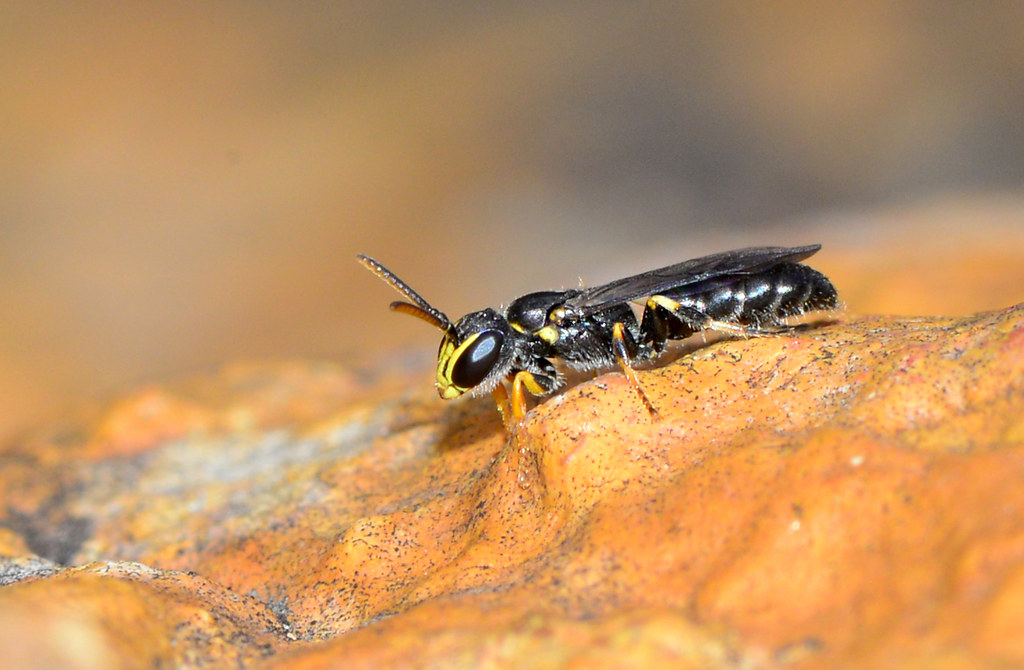
Nearly 90 Percent in the Unknown (Image Credits: Flickr)
Scientists delivered a stark wake-up call through their analysis published in the Proceedings of the National Academy of Sciences. They reviewed data on tens of thousands of species, only to find vast voids in monitoring efforts. Without status updates, conservationists cannot prioritize threats or allocate resources effectively.
This oversight extends beyond simple record-keeping. Insects and arachnids serve as vital regulators in ecosystems, preying on crop-damaging pests and supporting bird and bat populations. The study exposed how these unsung contributors often fall through the cracks.
Arachnids Bear the Brunt of Neglect
Spiders and their relatives face the most severe disregard. Lead author Wes Walsh, a graduate student at the University of Massachusetts Amherst, highlighted this disparity. “Arachnids, in particular, are really missing from conservation; most states don’t even protect a single species,” he stated.
Jumping spiders alone boast over 7,000 species across nearly 700 genera, yet they receive scant attention. Unlike more visible insects, arachnids rarely feature in state-level protections. This pattern persists despite their role in curbing insect outbreaks naturally.
Biases Skew Research Priorities
Certain groups draw disproportionate focus, skewing the broader picture. Butterflies capture public imagination, while aquatic insects aid water quality checks. These “charismatic” species secure funding and studies, leaving predatory beetles and wasps understudied.
Arthropods often escape definitions of wildlife in policy and law. A cover story in the spring issue of The Wildlife Professional addressed this exclusion. Such biases hinder comprehensive ecosystem management.
- Butterflies: High research attention due to appeal.
- Aquatic insects: Monitored for pollution indicators.
- Predatory spiders: Minimal protection despite pest control value.
- General beetles: Overlooked in vast diversity.
- Wasps and parasitic insects: Rare conservation focus.
Ecosystems at Stake Without Data
The absence of status information creates ripple effects. Pest-controlling insects could dwindle unnoticed, forcing reliance on chemical interventions. Food chains weaken as base-level predators vanish, impacting higher trophic levels.
Conservation gaps amplify existing pressures like habitat loss and climate shifts. Without baseline data, responses lag behind declines. Policymakers must expand monitoring to include these overlooked groups.
| Group | Conservation Attention | Key Role |
|---|---|---|
| Butterflies | High | Public icons |
| Arachnids | Low | Pest predators |
| Aquatic insects | Moderate | Water sentinels |
- Nearly 90% of 99,000+ insect and arachnid species lack conservation status.
- Arachnids receive almost no state-level protections.
- Biased research overlooks pest controllers, threatening natural balances.
As awareness grows, bridging these knowledge gaps becomes urgent. Expanded surveys and inclusive policies could safeguard these essential players before losses mount. What steps should conservationists take next? Share your thoughts in the comments.