Ireland – A deepening biodiversity crisis threatens the nation’s wildlife, with species declines accelerating amid habitat loss and policy shortfalls. Niall Hatch, head of communications and development at BirdWatch Ireland, offers a candid overview of the challenges facing birds and ecosystems. His insights highlight both the stark realities and targeted efforts to restore balance.
From Humble Beginnings to National Force
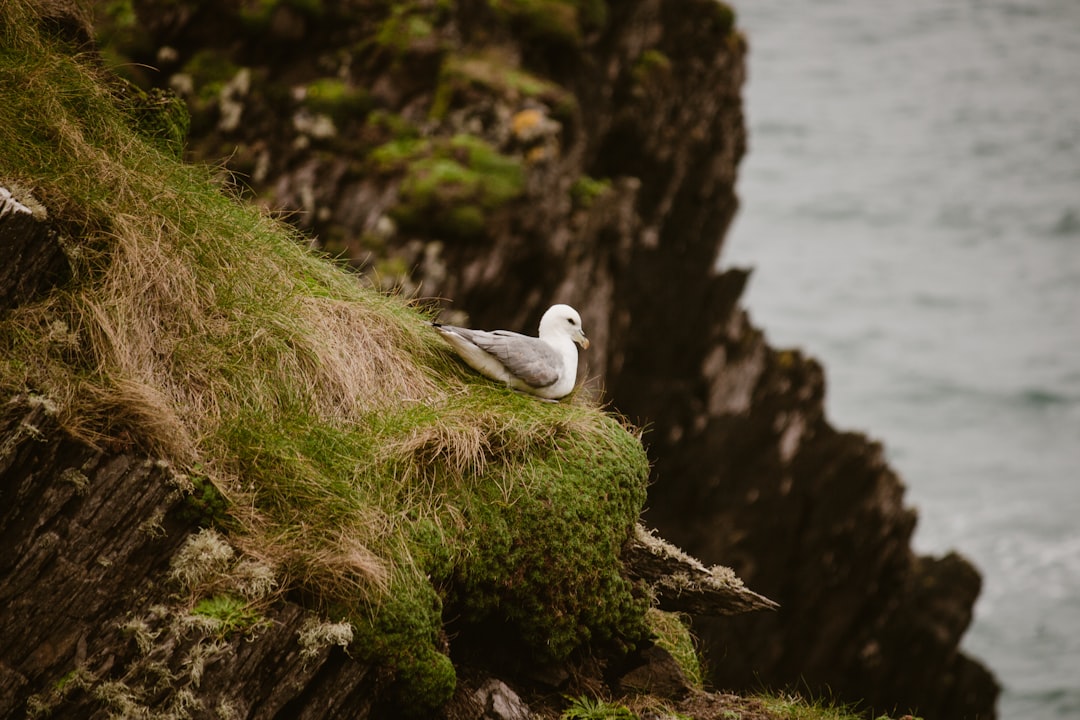
From Humble Beginnings to National Force (Image Credits: Unsplash)
Ireland ranks among Europe’s most deforested nations, yet BirdWatch Ireland stands as a beacon of resilience. Established in 1968 as a waterbird conservation group, the organization expanded into the country’s largest independent wildlife charity. It now manages twenty nature reserves and conducts nationwide surveys that track bird populations.
Membership surpassed 15,000, bolstered by over 30 branches and citizen science initiatives. Achievements include safeguarding the Roseate Tern, whose breeding pairs reached about 1,700 on Rockabill Island. These milestones underscore a shift from local protection to influential advocacy on laws and restoration.
Active Projects Tackling Immediate Threats
BirdWatch Ireland deploys wardens to islands like Tory to protect vulnerable seabirds, a critical response to population pressures. Partnerships, such as the PEACEPLUS-funded project with RSPB Northern Ireland, target breeding waders in County Donegal. The ongoing Bird Atlas, conducted every two decades, maps distribution changes since 2007-2011.
Winter counts of wetland birds support National Parks and Wildlife Service monitoring, while public consultations advocate for habitat safeguards. The group presses for a national Nature Restoration Plan to address systemic gaps. These efforts blend fieldwork, research, and policy influence.
- Island warden programs for seabird safety.
- Cross-border wader conservation in Donegal.
- Bird Atlas for long-term population tracking.
- Wetland bird surveys and restoration advocacy.
Agriculture’s Double-Edged Impact on Farmland Birds
Intensive farming has left rural areas ecologically poorer than urban parks in places like Dublin, a stark indicator of farmland bird declines. BirdWatch Ireland collaborates with farmers through schemes like ACRES, which rewards ecological outcomes over environmental penalties. Hedgerow destruction, despite legal protections from March to August, severs vital corridors for nesting and foraging.
The nitrates derogation extension worsens water quality, prioritizing dairy over ecosystems and risking penalties. Government policies often lag behind biodiversity needs, yet aligned interests could benefit farmers and wildlife alike. Restoration demands cooperation across sectors to reverse these trends.
Perils Facing Raptors, Seabirds, and Woodlands
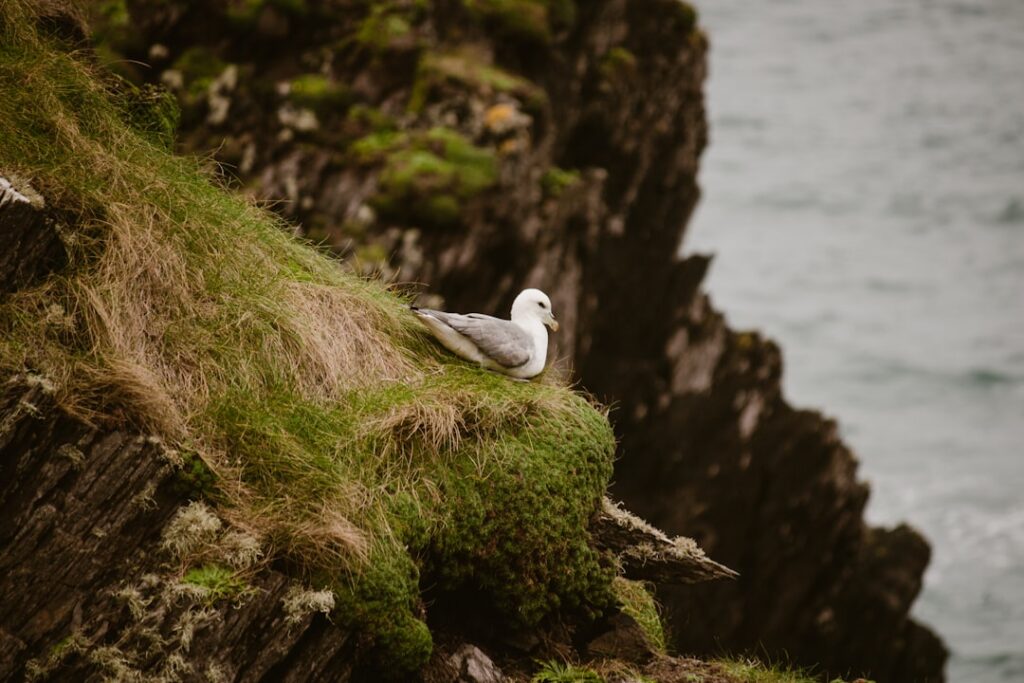
Birds of prey endure persecution via poisoning and trapping, despite reintroduction successes like Buzzards and Red Kites. Seabirds suffer from overfishing and sandeels shifting offshore due to warming waters, compounded by commercial exploitation. Native woodland cover plummeted from over 80% to just 2%, impairing flood regulation and habitat diversity.
Since 1970, 80% of wildlife species declined, with baselines shifting for younger generations. Pollution, habitat fragmentation, and weak enforcement exacerbate losses. Ireland hosts 24 seabird species of international importance, yet marine protections remain inadequate.
Key Takeaways
- BirdWatch Ireland manages reserves, surveys, and advocacy to counter habitat loss.
- Agricultural reforms and enforcement are essential to save farmland and water-dependent birds.
- Restoration successes like the Roseate Tern prove action can reverse declines.
Damage mounts, but recoveries such as the Corncrake and rising public engagement signal potential. BirdWatch Ireland’s growing membership and initiatives like Spring Alive tap into widespread nature interest, amplified by broadcasts and pandemic reflections. Optimism hinges on translating awareness into policy and action – what do you think about Ireland’s path forward? Share in the comments.