You like to think of yourself as a kind person. You help friends who are struggling, you lend money when asked, and you’re usually the first one to volunteer when someone needs support. It feels good to be generous. Yet lately, something feels off. You’re exhausted, maybe even a bit resentful, though you’d never admit it out loud. There’s this nagging feeling that your kindness is being used rather than appreciated. Could it be that your generosity is being
Let’s be real here. This is a deeply uncomfortable question to face. Recognizing that someone might be taking advantage of your good nature can shake your entire understanding of your relationships. Still, the signs are often clearer than you’d expect once you know what to look for.
They’re Always in Crisis Mode
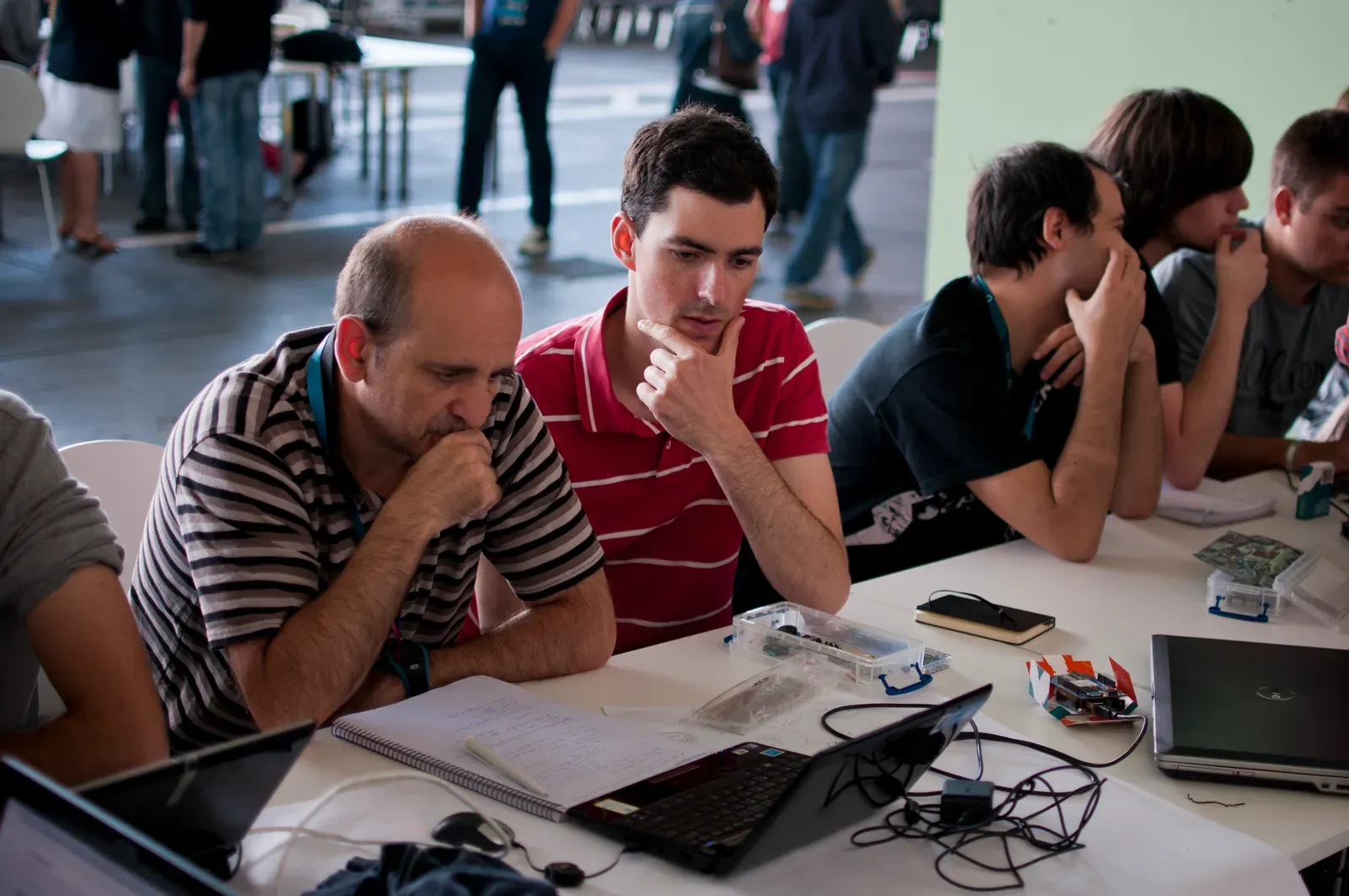
Some people seem to constantly need help, and their demands for assistance keep increasing over time. Think about that friend who always has an emergency. Their car broke down. Their rent is due. Their phone died and they need yours for an hour.
Here’s the thing though: life happens to everyone. We all go through rough patches. The difference is that when someone exploits your generosity, emergencies seem to follow them everywhere, yet you’re the only solution they seek. They never figure out a backup plan or learn from patterns. You start feeling less like a friend and more like a permanent safety net.
Reciprocity Feels Like a Fantasy

You’re always the one reaching out, making plans, and offering help, yet the favor is never returned, and the relationship feels like a one-way street. Healthy relationships have a natural give and take rhythm. Sometimes you lean on them, sometimes they lean on you.
When your generosity is being exploited, that balance disappears entirely. You find yourself wondering when they last asked how you were doing or offered to help with anything in your life. When you need them, they’re suddenly nowhere to be found, which is a classic sign of a one-sided relationship. The realization stings because it forces you to question whether they value you as a person or just what you provide.
Guilt Becomes Their Favorite Weapon

Whenever you express inability or hesitation, guilt is used as a weapon against you, with statements like “I thought I could count on you” becoming common. This manipulation tactic is particularly effective on kind people because we genuinely don’t want to let others down.
Toxic individuals have a knack for making us feel guilty for not complying with their requests, playing on our empathy and kindness. They’ll bring up past times you’ve helped them, implying you owe them continued support. They might even question your friendship or loyalty when you hesitate. Honestly, it’s exhausting. Your generosity should never feel like an obligation you’re being guilted into fulfilling.
Your Boundaries Get Trampled Repeatedly
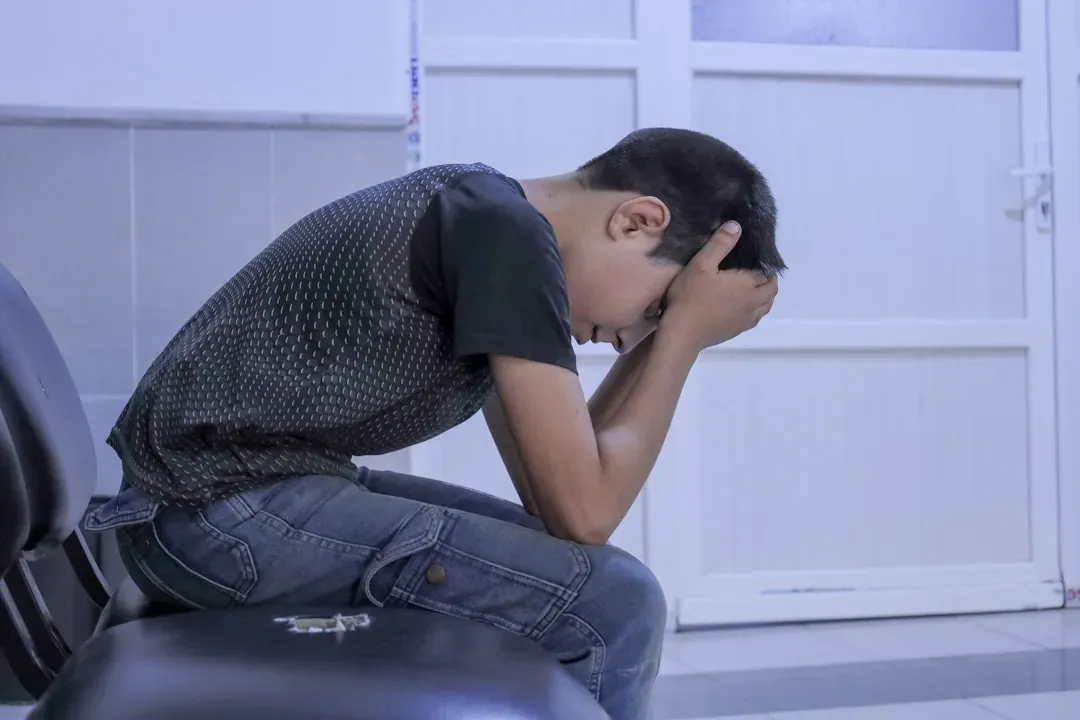
Your ‘no’ is rarely accepted without pushback and counterarguments. Setting boundaries is already difficult for generous people. You worry about seeming selfish or unkind. Those who exploit your generosity know this vulnerability and push against every limit you try to establish.
They’ll ask again after you’ve said no. They’ll reframe their request to make it seem smaller or more urgent. If you express discomfort or try to set boundaries and they’re ignored or dismissed, that’s a clear sign of exploitation. Genuine friends respect your limits even when they’re disappointed. Users see your boundaries as obstacles to overcome.
Gratitude Has Gone Missing

Gratitude becomes rare or nonexistent, your efforts are expected rather than appreciated, and you miss feeling valued for your kindness. Remember when you first started helping this person? They probably thanked you profusely, maybe even called you a lifesaver.
Now? Silence. Or worse, a casual expectation that you’ll continue providing whatever they need. If someone consistently takes your help but rarely shows appreciation or says thank you, gratitude is the cornerstone of any healthy relationship, and when it’s absent, it’s easy to feel unappreciated and used. You deserve acknowledgment for your efforts. When appreciation disappears, it’s often because the person has started viewing your generosity as their entitlement.
You Feel Emotionally Drained After Interactions

Helping starts to drain you as you feel always on call and taken advantage of, yet guilty for wanting to stop. This is perhaps the most telling sign. Genuine acts of kindness typically leave you feeling good, even when they require effort or sacrifice.
Exploitation feels different. If you often feel drained, unappreciated, or resentful after helping someone, it may be a sign that your generosity is being exploited. You might notice physical tension, mental exhaustion, or emotional heaviness after spending time with this person. Your body is trying to tell you something important. Trust that feeling.
The Demands Keep Escalating

The goalposts constantly move, what was once a favor is now an expectation, and you struggle to keep up with ever-changing demands. This pattern is insidious because it happens gradually. First, they borrow twenty dollars. Then it’s fifty. Then they need you to cosign something or cover their bills for a month.
Demands start to pop up out of nowhere at inconvenient times, and the frequency increases with each one more urgent than the last. Before you know it, you’re providing support that far exceeds what you’re comfortable with. You wonder how things escalated so quickly, feeling trapped in a dynamic that no longer resembles friendship.
They Play Hot and Cold Based on What They Need

Kindness seems directly tied to your generosity – when you give, they’re warm; when you don’t, they’re cold. Pay attention to how their behavior shifts based on your willingness to help. Do they suddenly become affectionate when they need something? Do they go silent or cold when you decline a request?
This conditional warmth is a massive red flag. In public, they praise you; in private, they pressure you, creating a dichotomy that is confusing and manipulative. Genuine relationships aren’t transactional. Affection shouldn’t be a reward for compliance. When someone’s niceness evaporates the moment you stop being useful, you’re dealing with exploitation, not friendship.
Your Well-Being Takes a Backseat

People taking advantage make demands on your time or resources without considering your needs. This might be the ultimate test. Do they ever ask how you’re doing before launching into their latest crisis? Do they consider whether you can actually afford to help them financially or whether you have the time?
People with low levels of awareness regarding their own needs become targets, as takers realize this lack of awareness and end up taking advantage of unlimited donors until donors finally realize they are being disrespected. Those who exploit generosity operate from a place of self-focus. Your circumstances, your struggles, your limitations simply don’t factor into their thinking. They see you as a resource rather than a whole person with needs of your own.
Finding Your Way Forward

Recognizing that your generosity has been exploited doesn’t mean you need to become cynical or stop being kind. Your kindness is something that should be respected, appreciated, and reciprocated, and you should bestow your kindness upon those that deserve it. It simply means you need better boundaries and more discernment about who receives your time and energy.
Generous people set boundaries because without them you’re giving yourself away, but with boundaries you only give what you want, which means you can afford to be generous to more people over a longer period of time. Setting limits isn’t selfish. It’s self-preserving. You can continue being the generous, kind person you want to be while also protecting yourself from those who would exploit that beautiful quality. The right people will understand and respect your boundaries. The wrong ones will reveal themselves through their resistance.
What relationships in your life need a closer look? Are there patterns you’ve been ignoring because facing them feels too uncomfortable? Your generosity is precious. Make sure it goes to people who truly value it.