West Bengal’s bustling border town of Jaigaon grapples with mounting waste challenges that extend far beyond its limits. Heaps of refuse along the Torsa River not only mar the landscape but also pose serious risks to the river’s ecosystem and the animals that depend on it. As the river flows downstream toward sensitive habitats, conservationists warn of broader implications for regional biodiversity.
Rampant Dumping Exposes Fragile Riverbanks
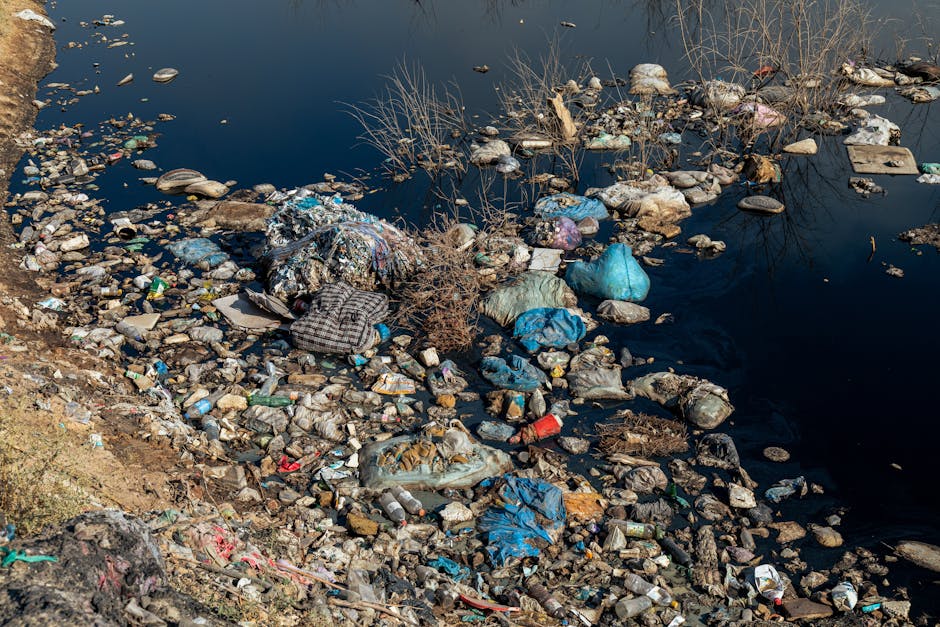
Rampant Dumping Exposes Fragile Riverbanks (Image Credits: Pexels)
Local authorities and panchayats have struggled to contain the daily influx of garbage in Jaigaon, home to around 100,000 people. Plastic bottles, construction debris, medical waste, and household refuse accumulate along the Gubari stretch of the Torsa River, where open burning adds toxic smoke to the air. Residents reported that cows and dogs often rummage through these piles, ingesting hazardous materials.
The Central Pollution Control Board estimated that towns of Jaigaon’s size produce 30 to 40 tonnes of solid waste each day. Without proper facilities, much of this ends up on the riverbanks. During heavy rains, the waste washes into the fast-flowing waters, carrying pollutants further downstream.
Ecological Ripple Effects Reach Jaldapara National Park
Pollution disrupts the Torsa River’s essential balance of flow, silt, and oxygen levels, which sustain its aquatic life. “River life depends on three things: flow, silt and oxygen in the water. But we excavate the river, pollute it,” former Central Pollution Control Board official Dipankar Saha explained. These changes threaten wetlands, flora, fauna, farmlands, and groundwater in the plains.
Originating in the eastern Himalayas’ Chumbi Valley and traversing Bhutan, the Torsa enters India at Jaigaon before heading to Jaldapara National Park. This protected area shelters Indian one-horned rhinos, elephants, and diverse migratory birds. Toxic runoff and reduced water quality could harm these species, undermining conservation efforts in the floodplains.
- Disrupted oxygen levels endanger fish populations and aquatic insects.
- Chemicals from burning plastics contaminate sediments.
- Waste accumulation alters habitats for birds and mammals along the banks.
- Downstream flow carries microplastics into rhino and elephant territories.
- Flood events spread pollutants to agricultural fields and wetlands.
Health Toll on Jaigaon Residents Mounts
Families living near the river endure constant foul odors and visible filth. Fatima Khatun, a 34-year-old resident, described frequent illnesses: nausea, colds, headaches, and worse for her children. Doctors at Jaigaon Public Health Centre noted rising cases of tuberculosis, diarrhea, stomach infections, dermatitis, asthma, and chronic obstructive pulmonary disease.
Dr. Namrata Biswas, the center’s doctor in charge, observed that while pollution may not cause all conditions, it aggravates them significantly. Open burning releases particulate matter and harmful chemicals, worsening respiratory issues. Children and the elderly suffer most from the airborne toxins and contaminated water.
Community Mobilizes Against the Crisis
A viral Instagram video by 24-year-old content creator Rock Lama drew widespread attention to the issue. He appealed directly to West Bengal Chief Minister Mamata Banerjee for intervention. Inspired by the reel, locals including Bhumika Biswakarma organized weekly Sunday cleanups with students, businesses, and residents.
Business leaders like Jayant Mundra, vice president of the Jaigaon Merchant Association, called for a full municipality to handle waste. “Our towns share an international border and a lot of tourist footfall takes place every year,” Mundra stated. These efforts highlight growing frustration with panchayat failures and absent infrastructure.
Legal and Policy Gaps Demand Action
Dumping along riverbanks violates the Water Act of 1974 and Environment Protection Act of 1986, according to senior advocate Sabyasachi Chatterjee. He emphasized that laws apply equally to border villages. Waste expert Swati Singh Sambyal pointed to existing frameworks like the Solid Waste Management Rules of 2026 and Swachh Bharat Mission, stressing implementation as the key hurdle.
The Jaigaon Development Authority offered no comment on solutions. Experts urged stricter rural policies to avert a larger crisis. Community drives provide temporary relief, but systemic changes remain essential.
Key Takeaways
- Daily waste generation overwhelms Jaigaon’s panchayats, leading to river dumping.
- Pollutants threaten Torsa’s flow and Jaldapara’s rhinos, elephants, and birds.
- Health issues from toxins affect residents, especially children.
Jaigaon’s struggle underscores the urgent need for better waste management to protect both people and wildlife. Stronger enforcement and infrastructure could restore the Torsa River’s health before irreversible damage occurs. What steps should local authorities take next? Share your thoughts in the comments.