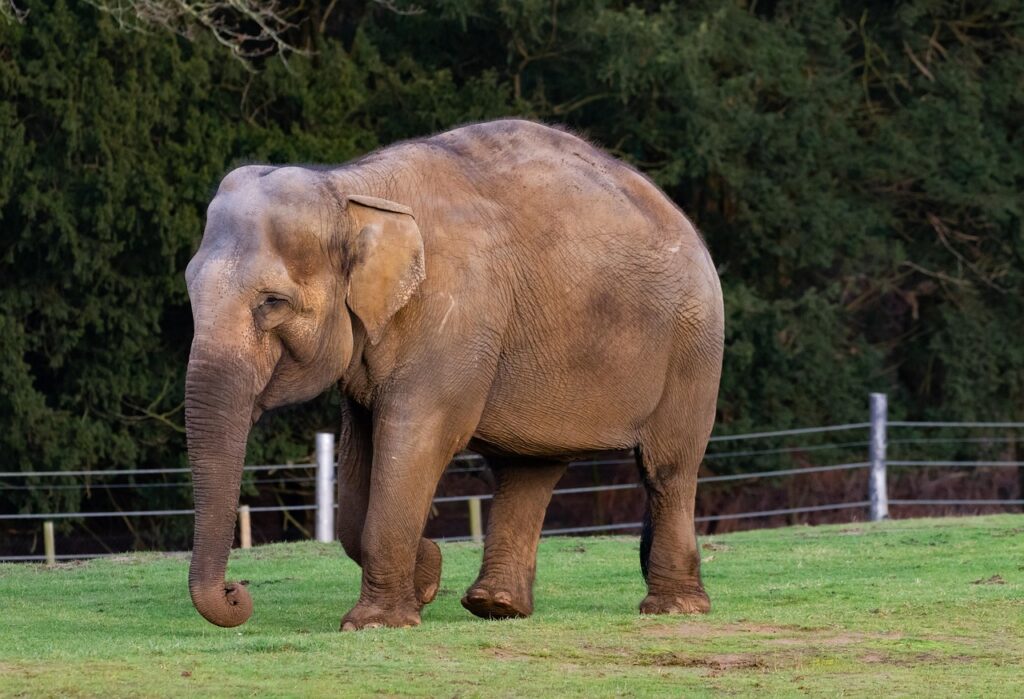
Jaipur, India – A striking photoshoot featuring an elephant painted vivid pink near the Amber Fort has provoked widespread anger following the animal’s death earlier this year. The images, shared by Russian photographer Julia Buruleva, captured a model perched atop the brightly colored creature against the city’s historic backdrop. Chanchal, the 65-to-70-year-old elephant involved, passed away in February 2026 from heart-related issues, prompting accusations of exploitation despite official assurances of no direct link to the event. The controversy underscores persistent challenges in India’s captive elephant tourism sector.
Artistic Vision Turns into Viral Firestorm
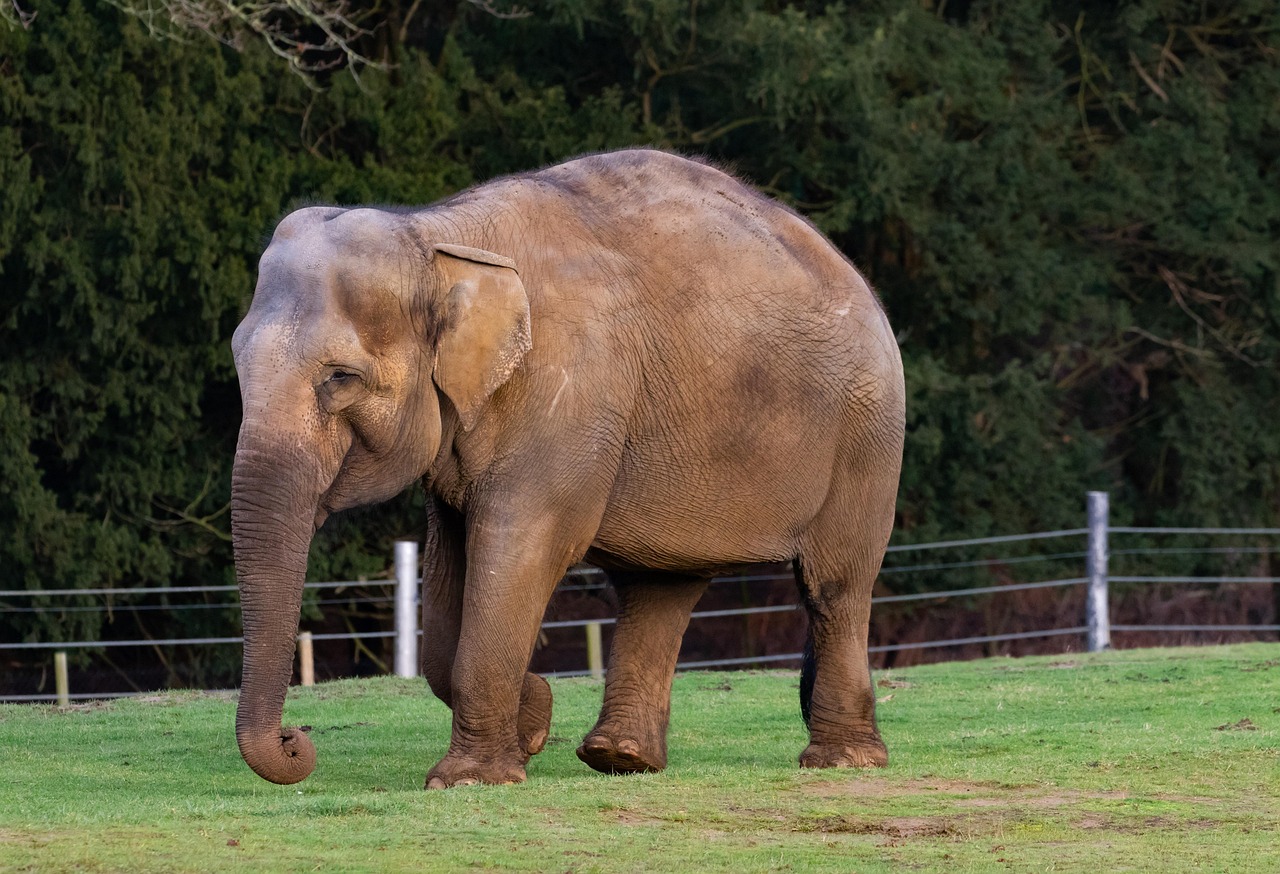
Artistic Vision Turns into Viral Firestorm (Image Credits: Pixabay)
In November 2025, Buruleva organized a brief session outside Jaipur’s famed Amber Fort walls. She applied organic dry gulaal – a festival powder commonly used during Holi – to one side of Chanchal, creating a surreal pink spectacle with model Yashasvi atop the elephant. The shoot lasted just 10 to 15 minutes, after which handlers washed off the powder immediately.
Mahout Sadiq Khan, Chanchal’s owner, received Rs 2,500 for allowing the impromptu idea, which stemmed from Buruleva’s six-week stay in the Pink City. The video posted to her Instagram in December gained traction but exploded in March 2026, amassing criticism for treating a senior animal as a prop. Social media users decried the ethics, questioning why digital editing could not replace live involvement.
Tragic End for a Retired Giant
Chanchal, once part of a herd at Hathi Gaon near Amber Fort, had retired from ferrying tourists up the steep path five years prior due to her age. She still participated in occasional rides within the facility. In February 2026, she succumbed to age-related heart trouble, as confirmed by a forest department post-mortem.
Owners and officials emphasized natural causes, with no evidence tying the gulaal or shoot to her decline. Khan stated the powder posed no harm, mirroring cultural practices. Yet the timing fueled speculation, amplifying calls to scrutinize how elderly captives endure handling for entertainment.
Photographer Faces Online Onslaught
Buruleva defended her work amid the uproar. “To anyone concerned about the elephant – we used organic, locally produced paint, exactly the kind that locals use during festivals; therefore, it was completely safe for the animal,” she wrote on Instagram. She highlighted the session’s brevity and supervision, noting decorated elephants as commonplace in Jaipur.
Reports of death threats soon emerged, targeting her, models, and followers. Buruleva launched a petition under #supportArtistJuliaBuruleva, decrying “misinformation” and “hype” from unverified claims. “There is evidence confirming that the elephant died of old age many months after the shoot – yet speculation is presented as fact,” she added.
Activists Demand Sweeping Reforms
Animal welfare groups seized the moment to spotlight systemic issues. World Animal Protection noted elephants’ sensitive skin and stress vulnerability, arguing the animal had no say in the matter. Such events, they said, normalize exploitation in tourism hotspots.
PETA India, through supporter Rupali Ganguly, urged Prime Minister Narendra Modi to ban elephant rides, promoting robot alternatives as Indonesia has done. Common concerns included chaining, weapon control, and psychological distress for captives.
- Stress from unfamiliar handling on elderly animals.
- Lack of consent and potential for copycat tourism abuses.
- Regulatory gaps allowing art or culture to mask welfare lapses.
- Promotion of photoshoots over ethical digital alternatives.
- Broader captivity chains leading to heart issues and attacks.
Authorities Step In
Rajasthan’s forest department formed a committee to probe permissions and welfare compliance under the Wildlife Protection Act. They reviewed if the shoot breached rules for captive elephants. Officials reiterated the post-mortem findings while declining further comment.
The inquiry reflects mounting pressure on Jaipur’s elephant operations, home to dozens used in safaris and events. Hathi Gaon leaders, like Ballu Khan, defended generational care traditions using safe gulaal.
This Jaipur episode reveals the fragile line between cultural expression and animal rights in a tourism-dependent region. While no foul play links to Chanchal’s passing, it prompts reflection on retiring captives from spectacle. Stricter oversight could prevent future clashes.
Key Takeaways
- Post-mortem cleared the photoshoot; death stemmed from old age heart issues.
- Organic gulaal washed off quickly, but ethical questions linger on stress.
- Backlash highlights need for digital alternatives and welfare regulations.
What do you think about balancing art, culture, and animal welfare? Tell us in the comments.