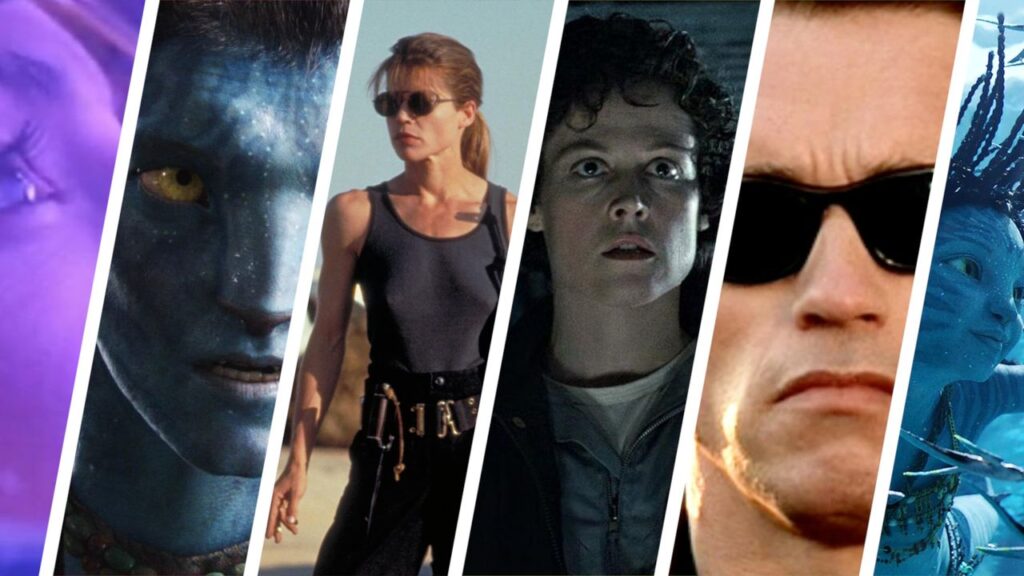
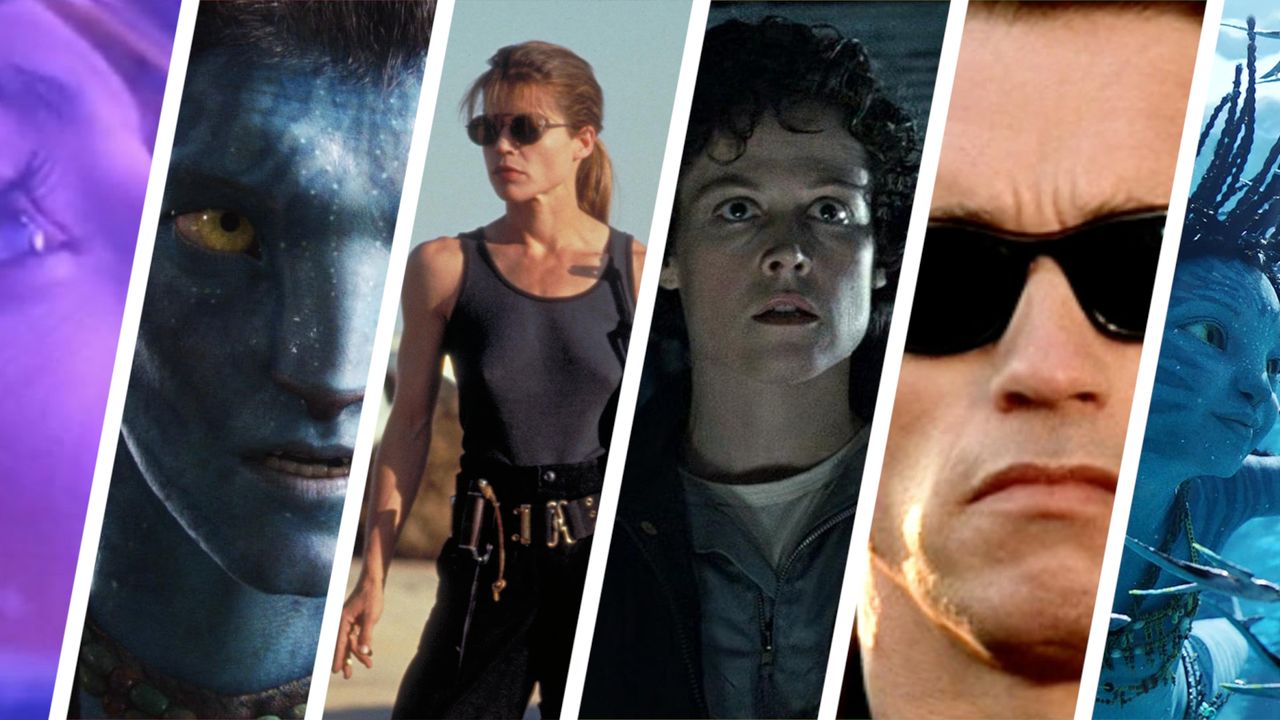
James Cameron’s contributions to science fiction have shaped blockbuster cinema for over four decades, pushing boundaries in storytelling and visual effects.
Navigating the Depths: The Abyss (1989) Sets an Underwater Benchmark
The Abyss marked Cameron’s bold dive into uncharted territory, literally and figuratively, as it explored human resilience amid oceanic mysteries. Released in 1989, the film followed a civilian diving team confronting an otherworldly presence deep beneath the sea. Critics praised its pioneering practical effects, which captured the claustrophobic tension of underwater environments without relying heavily on CGI.
Yet, the movie’s ambitious scope sometimes overshadowed its narrative, with pacing issues diluting the emotional core. Still, it earned an Academy Award for Best Visual Effects, highlighting Cameron’s commitment to authenticity. This project foreshadowed his later obsessions with immersive worlds, blending hard science with speculative wonder. Viewers remember the pseudopod sequence as a mesmerizing highlight, evoking awe at the unknown.
Machine vs. Humanity: Terminator 2: Judgment Day (1991) Redefines Action Sci-Fi
Building on his 1984 breakthrough, Terminator 2 elevated the stakes with groundbreaking liquid metal effects that revolutionized special effects in film. The story centered on a protector cyborg safeguarding a young boy from a more advanced assassin in a dystopian future threatened by AI. Cameron’s direction infused high-octane chases with philosophical undertones about fate and technology’s perils.
The film’s success lay in its character development, particularly the nuanced portrayal of the T-800, voiced by Arnold Schwarzenegger. It grossed over $500 million worldwide and secured four Oscars, including Best Visual Effects. However, some felt the spectacle occasionally eclipsed deeper themes. Terminator 2 remains a touchstone for sci-fi action, influencing countless imitators.
Colonial Nightmares: Aliens (1986) Transforms Horror into Sci-Fi Epic
Aliens turned Ridley Scott’s claustrophobic original into a pulse-pounding sequel, where Ripley led marines against a xenomorph infestation on a remote planet. Cameron expanded the universe with military bravado and maternal ferries, creating one of cinema’s most iconic heroines in Sigourney Weaver’s performance. The film’s relentless tension built through practical creature designs and explosive set pieces.
Released amid the 1980s action boom, it balanced horror roots with sci-fi spectacle, earning praise for its feminist undertones and world-building. Though criticized by some for straying from the original’s subtlety, Aliens won an Oscar for Visual Effects and became a franchise cornerstone. Its power loader showdown endures as a symbol of defiance against overwhelming odds.
Future Warfare: The Terminator (1984) Launches a Legendary Career
Cameron’s directorial debut in sci-fi, The Terminator, arrived with a low-budget grit that belied its massive impact. A relentless cyborg hunted a waitress destined to birth humanity’s savior in a post-apocalyptic war against machines. The film’s taut script and innovative stop-motion effects crafted a chilling vision of AI uprising.
Despite modest origins, it spawned a billion-dollar empire and earned Cameron recognition as a visionary. Purists appreciate its no-frills suspense over later extravaganzas. The narrative’s inevitability drove home warnings about unchecked technology, themes that echoed through his oeuvre.
Pandora’s Promise: The Avatar Series Redefines Immersive Worlds
The Avatar trilogy began with 2009’s Avatar, a visually stunning tale of cultural clash on the alien moon Pandora, where humans sought resources amid bioluminescent wonders. Cameron’s use of motion-capture and 3D technology created an empathetic bridge to the Na’vi, emphasizing environmental harmony over exploitation.
The Way of Water (2022) delved deeper into family dynamics and oceanic realms, expanding the lore with breathtaking underwater sequences. The latest installment, Avatar: Fire and Ash (2025), introduces fiery conflicts and new alliances, maintaining the series’ spectacle while grappling with colonialism’s scars. Collectively, these films shattered box office records, with the original alone grossing nearly $3 billion. Their strength lies in fostering wonder, though detractors note formulaic plots. Cameron’s Pandora endures as a testament to his world-building prowess.
- The Terminator (1984): Pioneering low-budget thriller on AI threats.
- Aliens (1986): Action-horror hybrid with enduring heroine Ripley.
- The Abyss (1989): Underwater exploration blending science and the supernatural.
- Terminator 2: Judgment Day (1991): Effects milestone in cyborg showdowns.
- Avatar (2009): Groundbreaking visuals in an alien ecosystem.
- Avatar: The Way of Water (2022): Expansive sequel on family and seas.
- Avatar: Fire and Ash (2025): Culminating epic of interstellar strife.
Key Takeaways
- Cameron’s early works like The Terminator prioritized suspense and ideas over budgets.
- Middle-period films such as Aliens and Terminator 2 mastered blending genres with innovation.
- The Avatar saga showcases his evolution toward expansive, empathetic sci-fi universes.
James Cameron’s sci-fi films illustrate a director unafraid to innovate, from gritty futures to lush alien landscapes, leaving an indelible mark on the genre. As technology advances, his visions continue to inspire. What is your favorite James Cameron sci-fi film? Share in the comments.