Japan – A dramatic rise in bear attacks marked 2025 as the deadliest year on record, with 13 people losing their lives and more than 100 suffering injuries from 235 reported incidents. Over 20,000 bear sightings compounded the fear, pushing wildlife experts to examine the roots of this human-animal conflict. The surge highlighted tensions between recovering bear populations and expanding human footprints in rural and suburban zones.
The Alarming Numbers Behind the Surge
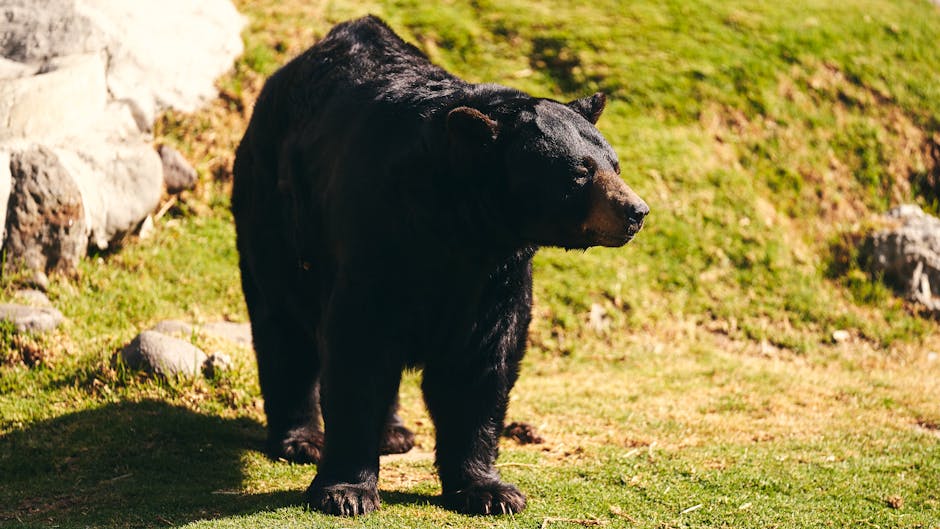
The Alarming Numbers Behind the Surge (Image Credits: Pexels)
Authorities tallied 235 bear attacks across Japan in 2025, shattering previous records since tracking began in 2006. This figure dwarfed earlier years, where incidents rarely exceeded 200 annually. The 13 fatalities stood out starkly, exceeding any prior total and sparking nationwide concern.
Injuries surpassed 100, with many victims requiring hospitalization after encounters in forests, farms, and even urban parking lots. Hokkaido reported frequent clashes with larger brown bears, while the main island saw most incidents involving smaller black bears. Specific tragedies included an 82-year-old woman attacked during a morning walk and a spa worker mauled near a hot spring site. These events unfolded amid over 20,000 sightings, many in residential areas.
Food Shortages Drive Bears into Human Territory
A massive failure in acorn and beechnut crops forced bears to roam farther in search of food during their critical pre-hibernation fattening period. Japan’s temperate climate amplifies reliance on these nuts, and 2025 marked a natural low in their production cycles. Hungry bears, including mothers with cubs, pushed into unfamiliar suburban fringes and abandoned farmlands.
Rural depopulation exacerbated the issue, as aging farmers left orchards and fields untended, turning them into easy buffets for bears, deer, and boars. Wildlife biologist Masahiro Ohnishi noted, “Farms and orchards have been abandoned by many farmers because they don’t have successors to take care of them… And those resources have become food for many species, including bears.” Bear distributions expanded over the past two decades, overlapping with human spaces. Ohnishi added, “One reason this human-bear conflict has increased is because the distribution of bears expanded in the last 20 years.”
Two Species Fuel Japan’s Bear Conflicts
Asiatic black bears, known as moon bears for their distinctive chest markings, dominated attacks on Japan’s main island. Populations rebounded from 1980s lows – estimated at 20,000 to 40,000 – thanks to hunting restrictions. These shy forest dwellers turned bolder when starved, leading to rare predatory strikes.
On Hokkaido, Ussuri brown bears, numbering around 12,000, caused defensive attacks, killing one or two people yearly under normal conditions. Larger and more aggressive when surprised, especially females with cubs, they posed threats in both wild and settled areas. Ohnishi observed, “When we see the Asiatic black bear in the forest, they’re shy, like American black bears.” Yet the 2025 toll surprised experts: “We didn’t know that they are capable of killing 13 people, even with the increase in population size.”
Responses Strain Under Demographic Pressures
Hunters culled about 12,000 black bears and 2,000 brown bears in 2025, often targeting those near cities under special permits. The Japan Self-Defense Forces aided in northern regions by relocating traps in residential zones. Public measures included bear bells in cities like Sapporo and survival guides urging noise-making and group travel.
- Bear populations recovered post-1980s due to conservation limits on hunting.
- Aging hunter demographic – average age 65 – hampered control efforts.
- GPS collars and camera traps aided tracking since 2022.
- Prefectures customized strategies amid limited national wildlife biologists.
- Abandoned rural sites fueled wildlife incursions unchecked.
Ohnishi highlighted systemic gaps: “As the number of bears has increased, that many prefectures are unequipped to deal with them, leaving people – and bears – at risk.”
Charting a Calmer Path Forward
Experts urged a shift from reactive culling to preventive strategies, such as securing trash and establishing buffer zones around cities. Ohnishi advocated learning from U.S. models: “In Japan, we can learn a lot from wildlife biologists from other countries, including the United States.” Systematic planning could mitigate future risks without undermining conservation gains. The Wildlife Management Office continues research to balance coexistence.
Key Takeaways from Japan’s 2025 Bear Surge:
- Food crop failures and rural abandonment drove bears into human areas.
- 13 deaths marked the worst year since records began, prompting military aid.
- Preventive measures and international lessons offer hope for reduced conflicts.
Japan’s ordeal underscores the need for proactive wildlife management in a changing landscape. Coexistence demands innovation amid population shifts. What steps would you prioritize to prevent such surges? Share your thoughts in the comments.