South Florida – American crocodiles perch atop unattended personal watercraft in residential canals, blending ancient survival instincts with modern recreation.
Unlikely Stowaways Spark Concern
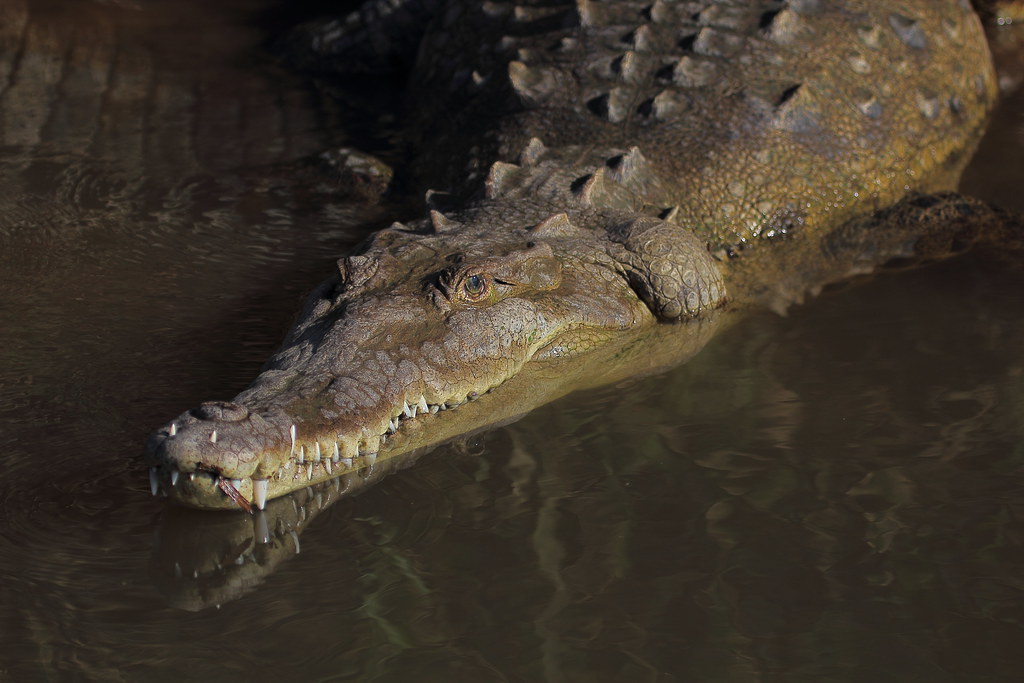
Unlikely Stowaways Spark Concern (Image Credits: Flickr)
Residents in Miami and Broward County returned to their docks one day to find massive reptiles straddling their Sea-Doos. These encounters, captured in photos shared widely, highlighted a peculiar clash between wildlife and leisure. Wildlife managers noted the trend as crocodile populations rebounded. The species, once endangered, now thrives enough to venture into human spaces. Such sightings fueled alarm among boat owners unaccustomed to these scaled visitors.
Experts from the Florida Fish and Wildlife Conservation Commission investigated the behavior. Their findings revealed no malice, only necessity. Crocodiles claimed the vessels as temporary thrones, basking under the sun. This adaptation underscored broader ecological shifts in the region.
The Vital Need to Bask
Crocodiles, as ectotherms, rely on external heat sources to regulate body temperature. They absorb warmth from the sun during the day to fuel metabolism and activity. Without adequate basking opportunities, their health suffers. In natural settings, they select spots that offer easy access to water for quick escapes.
Vincent Deem of the Florida Fish and Wildlife Conservation Commission explained the shift: “As ectotherms, crocodiles need to bask to regulate their body temperatures.” Urban canals lack traditional sites, pushing the reptiles toward alternatives like floating docks and paddleboards. Jet Skis, left idle, provide stable, low platforms ideal for this purpose. Observations confirmed larger individuals favored these crafts for extended sessions.
Development’s Hidden Toll on Habitats
Massive growth in South Florida transformed waterways into concrete channels with steep, artificial banks. Developers hardened shores to prevent erosion and maximize land use. Beaches, mudflats, and sloping edges vanished, depriving crocodiles of prime real estate. Channelization prioritized flood control over wildlife needs.
Wildlife professionals responded in some areas by adding limestone gravel to create gentler slopes. These interventions offered more natural basking zones and reduced reliance on private property. Still, the scale of urbanization outpaced such efforts. Crocodiles persisted by innovating with human-made objects.
Crocodiles Versus Alligators in the Mix
American crocodiles dominate coastal South Florida canals, though alligators share the space. The latter appear less frequently in these sheer-banked environments. Crocodile sightings draw extra attention due to their relative rarity. Surveys showed nearly one in four local residents unaware of the species’ presence.
| Aspect | American Crocodile | Alligator |
|---|---|---|
| Primary Range | Coastal South Florida | Widespread Florida |
| Status | Threatened (downlisted 2007) | Recovered |
| Basking Behavior | Frequent on watercraft | Similar but less reported |
- Crocodile populations recovered after downlisting to threatened status in 2007, increasing human encounters.
- Urban development eliminated natural basking sites like mudflats and logs.
- Artificial solutions, such as limestone gravel, help mitigate conflicts.
Conservation successes brought American crocodiles back from the brink, yet urbanization tests their resilience. Providing alternative habitats emerges as key to peaceful coexistence. Florida’s waterways host these ancient survivors amid concrete sprawl. What steps can communities take next? Share your thoughts in the comments.