Jhargram, West Bengal – State forest minister Birbaha Hansda laid the foundation stone for a new pangolin breeding and conservation centre at Jangalmohal Zoological Park. This facility marks India’s second such effort and the first in West Bengal. The development comes amid growing concerns over the plight of pangolins, among the world’s most trafficked mammals.
Pangolins on the Brink: Why Urgent Action Matters
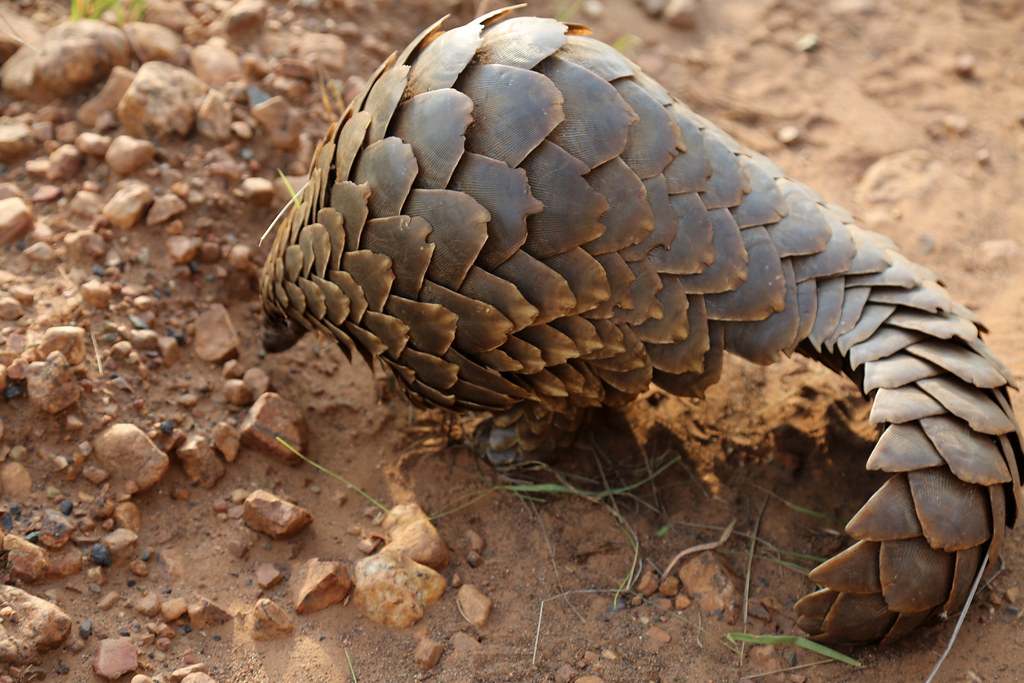
Pangolins on the Brink: Why Urgent Action Matters (Image Credits: Flickr)
The Indian pangolin, known scientifically as Manis crassicaudata, faces severe threats that have pushed it to endangered status on the IUCN Red List. Poachers target its keratin scales for traditional medicine and meat for consumption, while habitat loss exacerbates the decline. Classified under Schedule I of the Wildlife Protection Act, 1972, the species receives the highest level of legal protection in India.
Trafficking networks exploit these shy, nocturnal creatures across international borders, making captive breeding programs essential for population recovery. Jhargram’s location near the Mayurjharna Elephant Reserve positions it ideally for broader wildlife initiatives. Officials view the centre as a step toward creating a sustainable insurance population for reintroduction into the wild.
From Odisha’s Trailblazer to Bengal’s New Hope
Nandankanan Zoological Park in Odisha hosts India’s pioneering pangolin conservation breeding centre, established around 2009 with support from the Central Zoo Authority. Researchers there monitor the animals via infrared CCTV cameras, capturing nocturnal behaviors and achieving breeding successes, including the birth of two pangolin young in a recent year. The facility focuses on housing, husbandry, and protocols for rehabilitation and potential release.
Jhargram’s centre builds directly on this model. Construction began following the foundation ceremony, integrating with the zoological park’s expanding infrastructure. Funded as part of broader zoo enhancements costing around Rs 2.5 crore, it promises naturalistic enclosures suited to the pangolin’s tree-loving, ant-eating habits.
Holistic Wildlife Infrastructure Takes Shape
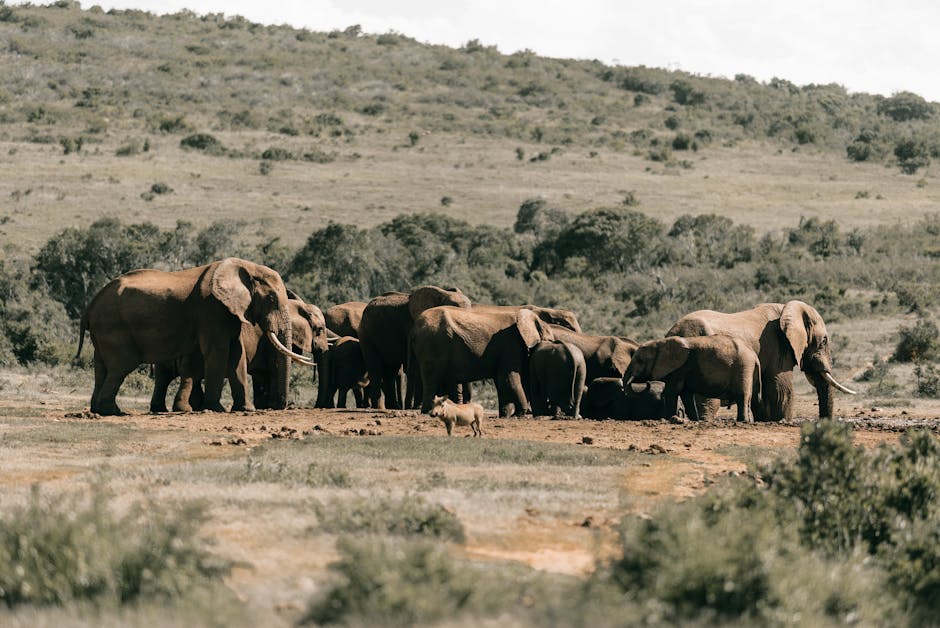
Beyond pangolins, Jhargram advances multiple conservation fronts. Authorities inaugurated south Bengal’s first 24-hour elephant monitoring centre at Badarvhola beat office, equipped with over 16 AI cameras across Jhargram, Manikpara, and Lodhashuli ranges. Real-time footage displays on LED screens, aiding rapid response to elephant movements, with thermal drones and 50-60 additional cameras planned.
Nine forest personnel staff the Rs 16-lakh facility. At the zoological park, new enclosures opened for resident animals and birds, including temperature-controlled incubators for hatching eggs. A 1,850-square-metre tiger enclosure nears completion, a lion enclosure progresses, and three crocodiles prepare to arrive from Alipore Zoo. Eight macaws already occupy a dedicated space, with emu and ostrich habitats forthcoming.
Key Threats and Pathways Forward
Pangolins confront a range of dangers that demand coordinated responses:
- Illegal poaching for scales, believed to hold medicinal value in some cultures.
- Consumption of meat as a delicacy in certain regions.
- Habitat fragmentation from deforestation and agriculture.
- International smuggling, fueling a lucrative black market.
- Human-wildlife conflict in shared landscapes.
These pressures have obscured precise population figures, but experts agree declines continue without intervention. Breeding centres like Jhargram’s aim to standardize care, boost numbers, and refine release protocols after habitat assessments and community engagement.
| Centre | Location | Status |
|---|---|---|
| Nandankanan | Odisha | Operational since 2009, active breeding |
| Jangalmohal | West Bengal | Foundation laid March 2026, under construction |
Key Takeaways
- Jhargram’s facility strengthens India’s pangolin safeguards as the nation’s second dedicated centre.
- Integrated tech like AI cameras enhances monitoring for elephants and other species.
- Captive breeding offers hope against poaching and habitat threats.
This initiative signals a committed push toward safeguarding India’s unique wildlife heritage. As enclosures fill and monitoring sharpens, Jhargram positions itself as a conservation beacon. What steps can communities take to support pangolin protection? Share your thoughts in the comments.