Mombasa County, Kenya – Amid the tidal rhythms of Jomvu Creek, a group of women has pioneered mud crab aquaculture to bolster both their livelihoods and the fragile mangrove ecosystem.
A Bold Shift from Traditional Shoreside Work
A Bold Shift from Traditional Shoreside Work (Image Credits: Imgs.mongabay.com)
Four years ago, members of the Jomvu Women in Fisheries and Culture group scraped by as mama karanga, frying fish over smoky charcoal fires near Mombasa’s beaches.
Dwindling fish catches and health risks from constant smoke exposure pushed many toward uncertainty. In 2021, a few attended workshops on sustainable fisheries and business management offered by the Kenya Marine Fisheries and Socio-Economic Development project, known as KEMFSED.
They crafted a proposal for mud crab farming, securing a grant of 2.7 million Kenyan shillings, equivalent to about $20,900. Though nearly half of the original 30 members departed amid doubts over the venture’s viability, 14 women and three supportive men persevered.
Charity Baya, the group’s chairperson, noted that fish had vanished from local plates and incomes, making crabs a promising alternative with no prior farming in the area.
Mastering the Crab-Fattening Cycle
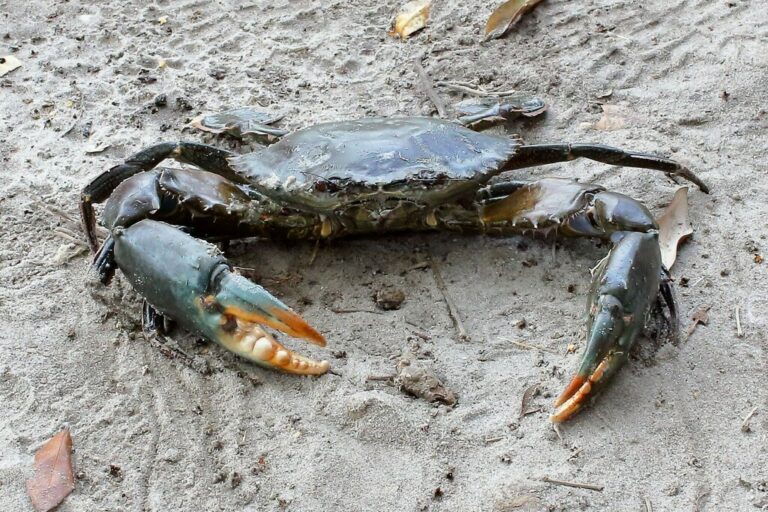
The women rear Scylla serrata, or mud crabs, prized for their sweet flesh and high value. They repurpose plastic bread crates into cages, anchoring about 30 of them in the brackish tidal creeks – natural habitats for the crabs.
Local fishers and members collect juvenile crabs weighing around 300 grams. Each cage holds two, fed on small fish, shrimp, and marine snails on a one-day-on, one-day-off schedule during high tides.
- Crabs grow to 800-1,000 grams in 6-8 weeks.
- Harvests sell for roughly $7 per kilogram to Mombasa markets and a specialist buyer like Crab Alive.
- A strong month yields $310 in sales, divided among the group – a vital boost from prior hand-to-mouth earnings of $1.50 daily.
This fattening adds value while curbing waste from holding wild-caught crabs.
Navigating Tides, Theft, and Wear
High tides once ripped cages loose, scattering the initial batch nearly 2 kilometers away – empty. Theft at night demanded rotating watches, and crates degrade swiftly in the saltwater.
“It was heartbreaking,” recalled member Doris Mwachai after that early setback. Stronger anchors and frequent checks followed. Handling the crabs’ powerful claws remains hazardous, as one member learned from a hospital visit after a wild catch.
Yet adaptations continue, with calls for durable equipment and advanced training from experts.
Linking Crabs to Mangrove Renewal
The group planted nearly 1 million mangrove seedlings to stabilize eroding shores and foster nurseries for crabs and fish.
Though sales of seedlings proved slow at 50 shillings each, the effort endures. Crabs sometimes nibble young plants, highlighting their interdependence: burrows aerate soil for roots, while mangroves shelter crabs.
Principal research scientist David Mirera of the Kenya Marine and Fisheries Research Institute praised the approach for reducing pressure on wild stocks. Chief technical adviser Busolo Bonface affirmed the small scale poses no pollution risk, evidenced by healthy nearby marine life.
Building Toward Ecotourism and Legacy
A 180-meter boardwalk threads through the mangroves, easing access to cages and priming ecotourism with guided tours on crabs, conservation, and women’s roles. Members train as guides and lifeguards, eyeing annual revenues over $8,000 from sales, crafts, and visits.
This model inspires broader coastal women in fisheries, backed by networks linking over 2,000 to credit and markets.
Key Takeaways:
- Mud crab fattening delivers steady income while easing wild harvest demands.
- Mangrove planting combats erosion and bolsters crab habitats.
- Ecotourism via boardwalk promises scaled-up sustainability and empowerment.
These women prove community-led innovation can safeguard coasts and futures alike. What steps could your community take to blend livelihoods with conservation? Share in the comments.