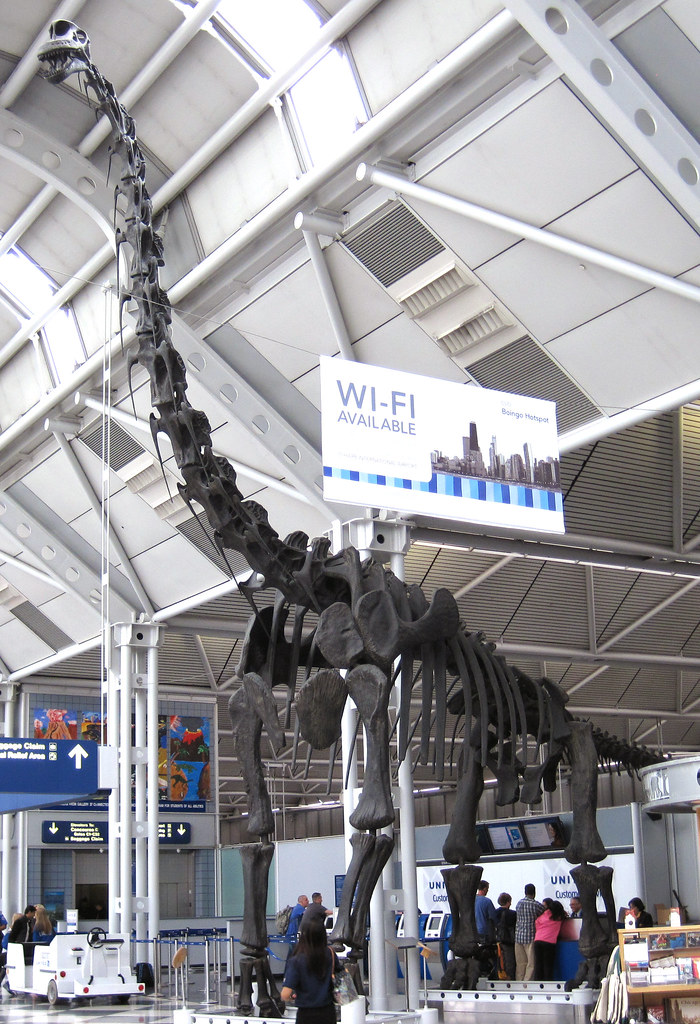
Standing beneath the towering skeleton of a Brachiosaurus in a museum feels like looking up at a natural skyscraper. That impossibly long neck stretches upward like a living crane, reaching heights that would make a three-story building seem modest. But this wasn’t just nature showing off – every inch of that elongated neck served a crucial purpose in one of Earth’s most competitive ecosystems.
The Brachiosaurus, whose name means “arm lizard,” roamed the landscapes of North America during the Late Jurassic period, roughly 150 million years ago. These gentle giants didn’t develop their extraordinary necks by accident. In a world where survival meant accessing resources that others couldn’t reach, having a neck that could extend up to 30 feet into the air was the ultimate evolutionary advantage.
The Architectural Marvel of Vertebrae

The Brachiosaurus’ neck contained between 12 to 13 vertebrae, each one specially designed to support incredible weight while maintaining flexibility. These weren’t just oversized versions of regular vertebrae – they were engineering marvels that balanced strength with mobility. Each vertebra featured hollow chambers and air pockets, similar to modern bird bones, which reduced weight without sacrificing structural integrity.
The cervical ribs attached to each vertebra created a complex framework that supported massive neck muscles. These muscles had to be powerful enough to lift the head and neck, yet efficient enough to avoid exhausting the animal with every movement. Think of it like a biological crane system where every component has to work in perfect harmony.
Reaching the Unreachable Canopy
During the Jurassic period, conifers dominated the landscape, creating towering forests that stretched far above the reach of most herbivores. While other dinosaurs competed for vegetation at ground level, Brachiosaurus had exclusive access to the nutrient-rich foliage growing 40 to 50 feet above the forest floor. This was like having a private dining room while everyone else fought over scraps at the ground-level buffet.
The highest branches contained younger, more tender shoots that were easier to digest and packed with essential nutrients. These elevated food sources were also less likely to be contaminated with dust, parasites, or the waste products of ground-dwelling creatures. By feeding high in the canopy, Brachiosaurus accessed a cleaner, more nutritious diet that supported their massive body size.
Energy Economics of Gigantism
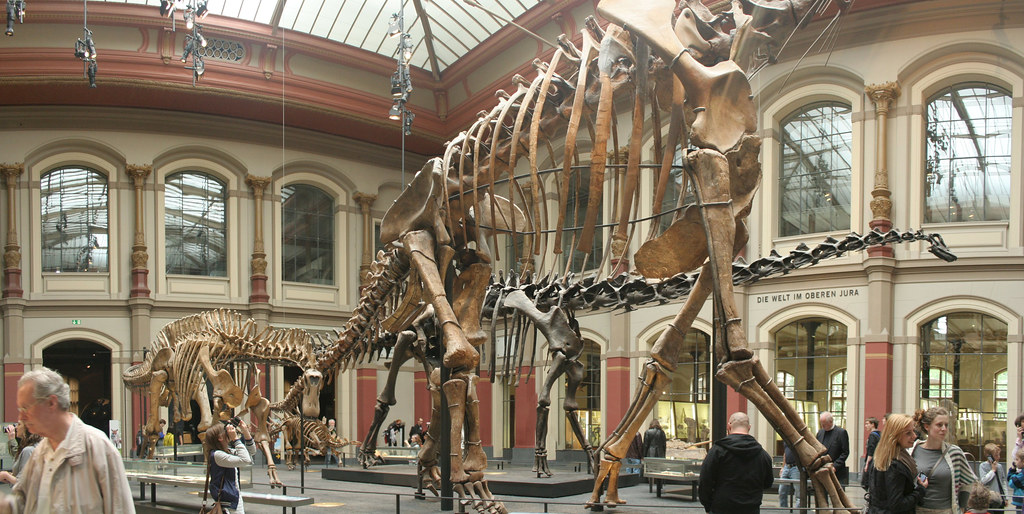
Maintaining a body weight of up to 80 tons required an enormous daily caloric intake. Brachiosaurus needed to consume hundreds of pounds of vegetation every single day just to keep their metabolic fires burning. Their long necks allowed them to browse efficiently across a wide area without having to move their massive bodies constantly, which would have burned precious energy.
The ability to reach high vegetation meant less competition and more consistent food availability. While smaller herbivores had to migrate seasonally to find adequate nutrition, Brachiosaurus could remain in one area longer, accessing different vertical layers of the forest as seasons changed. This feeding strategy was essentially like having a multi-story grocery store all to themselves.
Blood Pressure and Circulatory Challenges
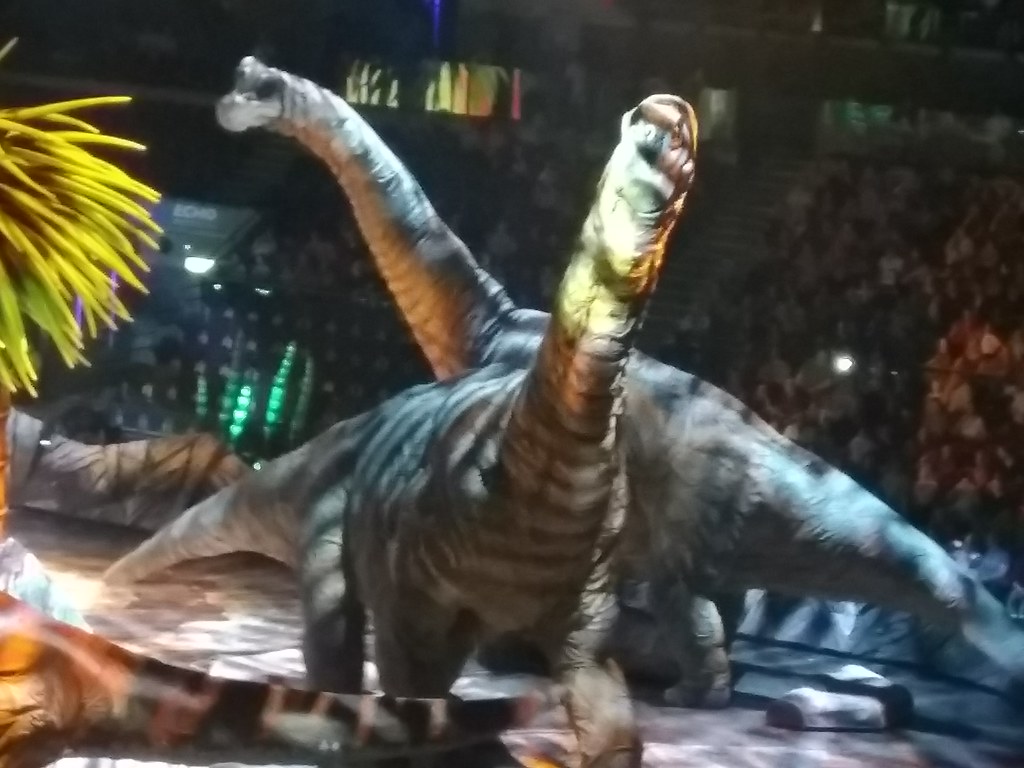
Pumping blood up a 30-foot neck required a cardiovascular system unlike anything seen in modern animals. Scientists estimate that Brachiosaurus needed blood pressure readings of 300 to 400 mmHg to push blood to their brain, nearly three times higher than what would be fatal in humans. Their heart alone probably weighed over 400 pounds and required special adaptations to function effectively.
The return journey of blood from the brain back to the heart presented equally challenging problems. Brachiosaurus likely possessed a series of one-way valves in its neck veins and possibly auxiliary hearts to assist circulation. When these giants lowered their heads to drink, their entire circulatory system had to rapidly adjust to prevent dangerous blood pooling in the brain.
Thermal Regulation Through Neck Positioning
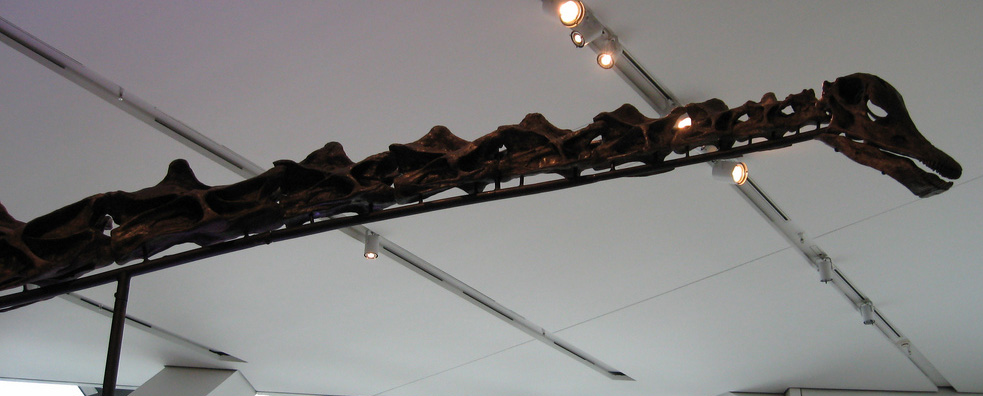
That massive neck served as more than just a feeding tool – it was also a sophisticated temperature control system. By adjusting their neck position, Brachiosaurus could regulate their body temperature throughout the day. Holding their heads high exposed more surface area to cooling breezes, while lowering their necks reduced heat loss during cooler periods.
The neck’s large surface area acted like a biological radiator, helping to dissipate excess heat generated by their enormous bodies. During the hottest parts of the day, these dinosaurs could position their necks to maximize air circulation around their vital organs. This thermal management was crucial for animals that generated tremendous amounts of internal heat simply by existing.
Communication Across the Landscape
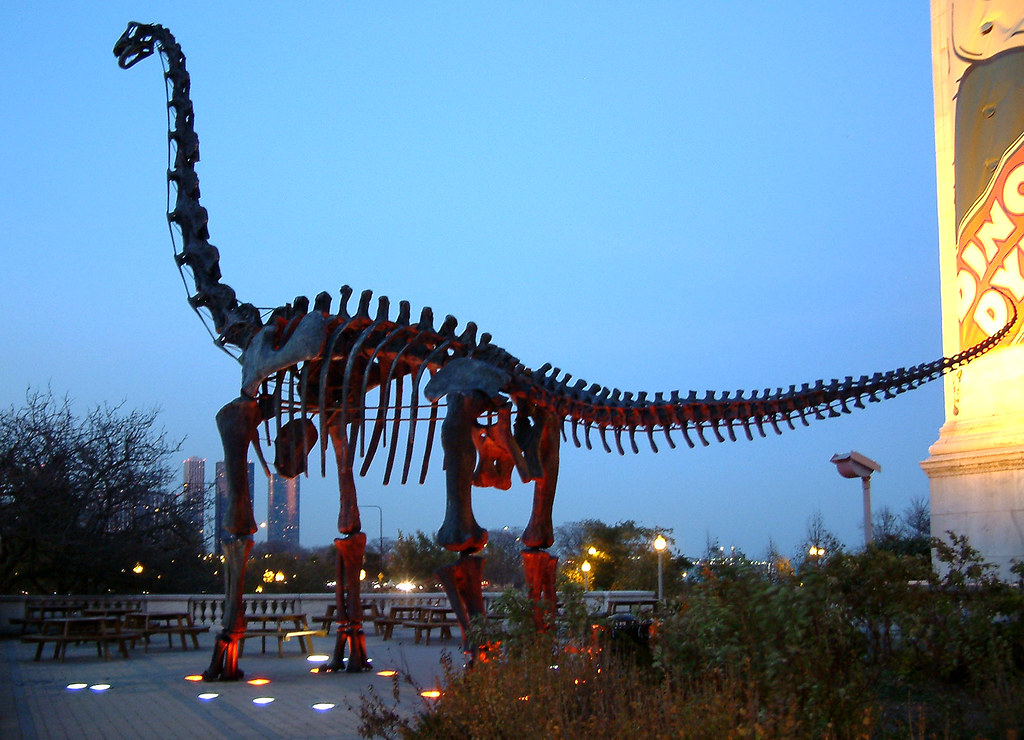
A head positioned 50 feet above the ground provided an excellent vantage point for spotting predators, potential mates, or other members of their species across vast distances. Brachiosaurus could see over forest canopies and across plains, giving them warning of approaching threats or opportunities. Their elevated perspective was like having a built-in watchtower that moved with them everywhere they went.
The height advantage also enhanced their ability to communicate with other Brachiosaurus through visual signals. Head movements, neck positioning, and body language could be seen from miles away, allowing these giants to coordinate group movements and maintain social bonds across scattered herds. This long-distance communication system was essential for animals that covered enormous territories in search of adequate food.
Evolutionary Arms Race with Predators
The Jurassic period wasn’t a peaceful time for herbivores. Massive predators like Allosaurus actively hunted large prey, making defensive strategies essential for survival. A Brachiosaurus with its head held high could spot approaching predators long before they posed an immediate threat, providing precious time to alert the herd or position itself defensively.
The sheer height of their necks also made them difficult targets for most predators. While a predator might successfully attack the legs or flanks of a Brachiosaurus, reaching the vital neck and head required extraordinary effort and exposed the attacker to crushing retaliation. This created a natural defensive barrier that protected the animal’s most vulnerable areas.
Seasonal Migration and Navigation
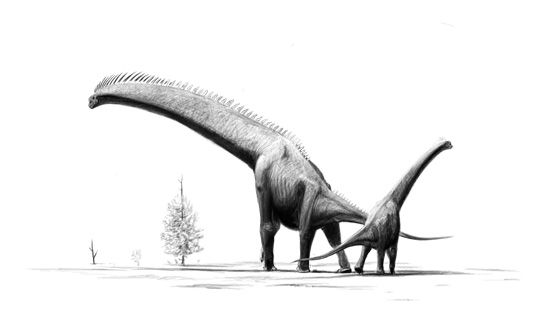
Brachiosaurus herds likely followed seasonal migration patterns to track food availability and suitable breeding grounds. Their elevated head position provided unmatched navigational advantages across the ancient landscape. They could identify distant landmarks, water sources, and optimal feeding areas that would be invisible to ground-level creatures.
This bird’s-eye view allowed them to plan efficient routes across varied terrain, avoiding obstacles and predator-rich areas while heading toward abundant food sources. Their ability to see over forests and across valleys made them natural pathfinders for mixed herds of herbivorous dinosaurs. Other species may have followed Brachiosaurus migrations, benefiting from their superior navigation abilities.
Feeding Behavior and Digestive Efficiency
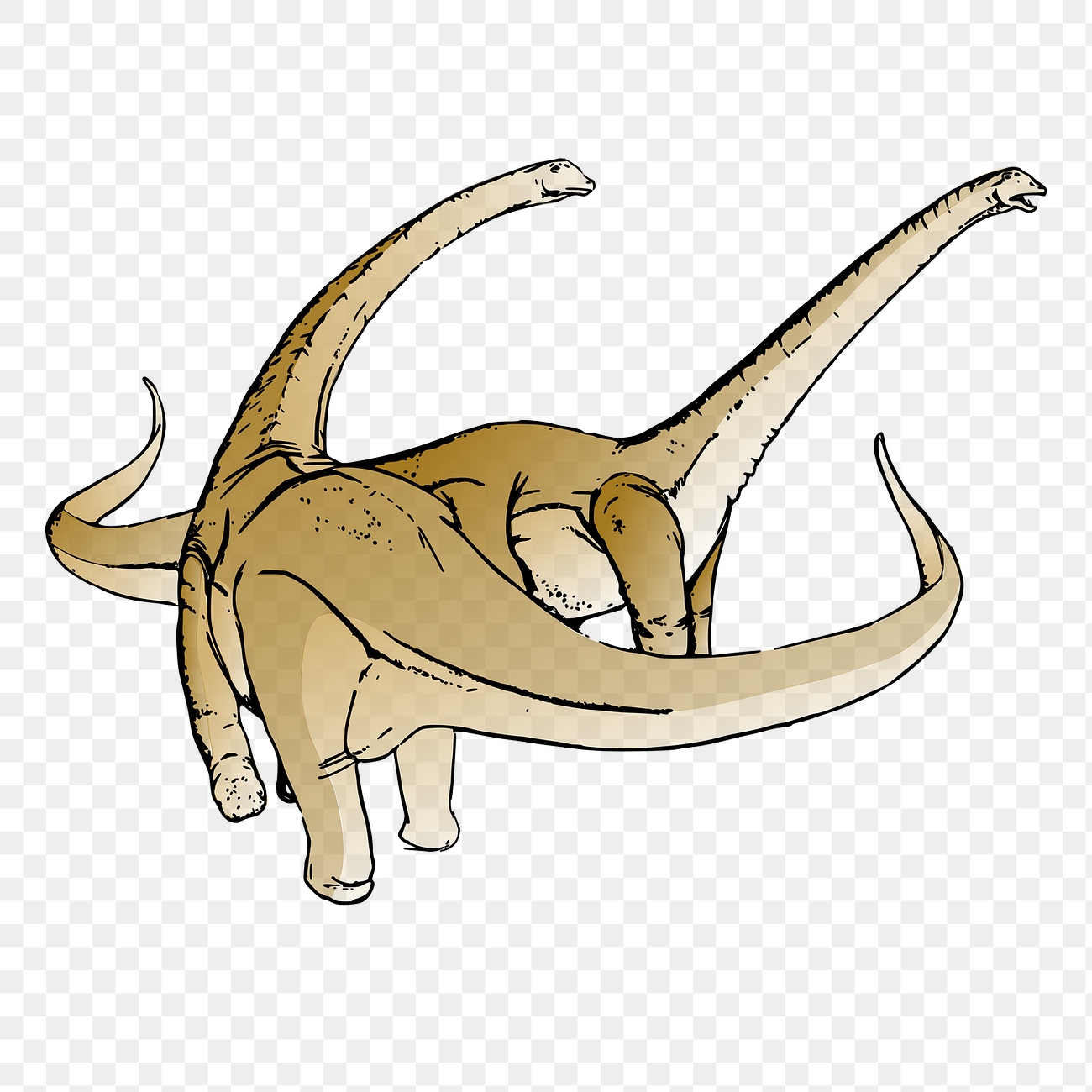
The long neck enabled a unique feeding strategy that maximized nutritional intake while minimizing energy expenditure. Brachiosaurus could strip leaves from branches using its spoon-shaped teeth, then swallow large quantities of vegetation without extensive chewing. This efficient feeding method allowed them to consume massive amounts of food in relatively short periods.
Their elevated feeding position also meant they could access vegetation that had been exposed to maximum sunlight, making it higher in nutritional content than shadowed ground-level plants. The ability to select the best available food sources contributed significantly to their ability to maintain such enormous body sizes. This selective feeding was like having first pick at nature’s salad bar every single day.
Social Dynamics and Herd Behavior
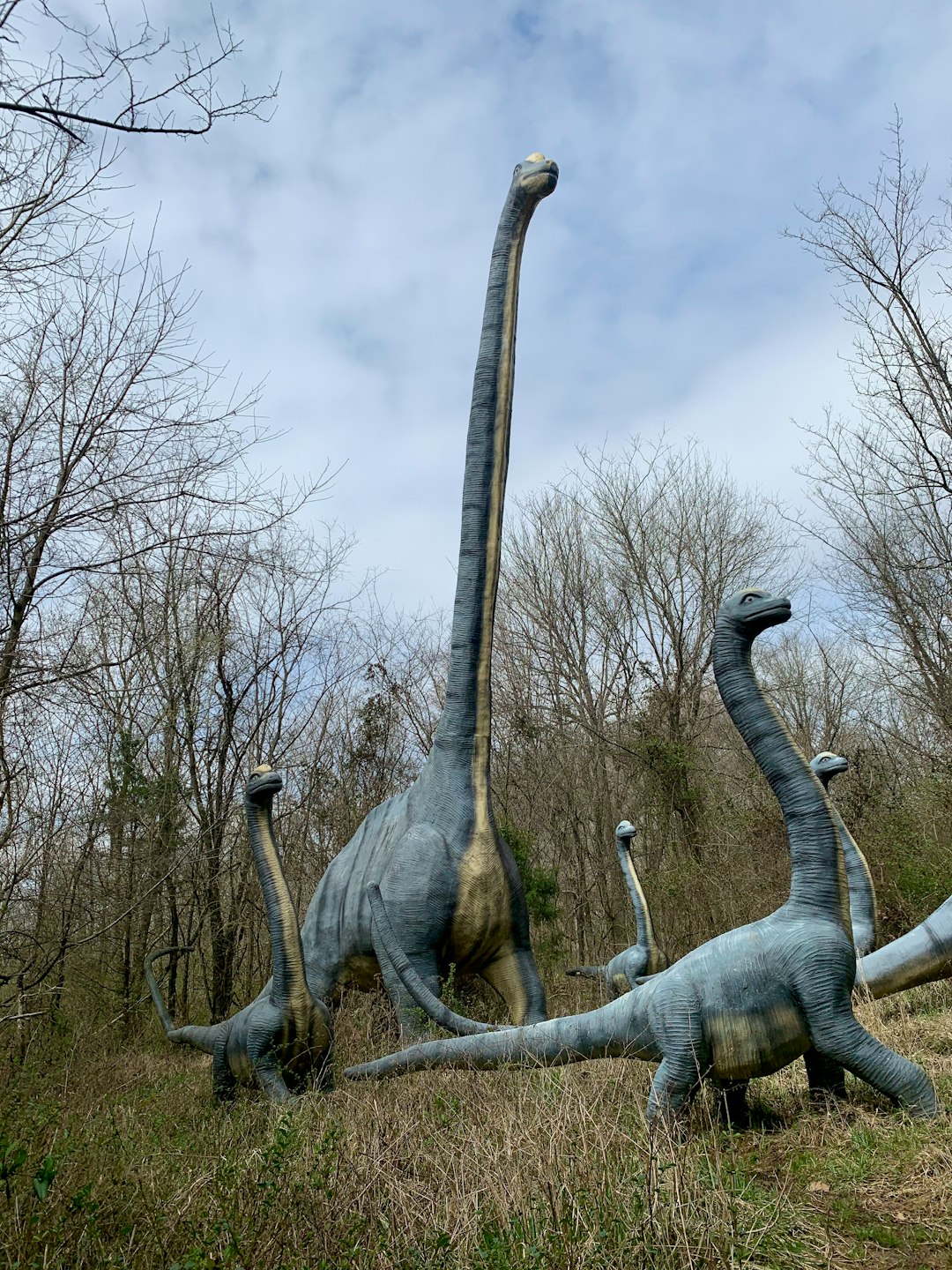
The height differential created by their long necks likely played an important role in social hierarchy within Brachiosaurus herds. Larger individuals with longer necks could demonstrate their size and strength through impressive head-raising displays, establishing dominance without physical confrontation. These visual displays conserved energy while maintaining social order within the group.
During mating season, neck length and flexibility probably became important factors in courtship displays. Males might have engaged in neck-wrestling competitions or synchronized head movements to attract females and establish breeding rights. The most impressive neck displays would have indicated the healthiest, strongest individuals with the best genes to pass on to offspring.
Environmental Adaptations and Ecosystem Impact
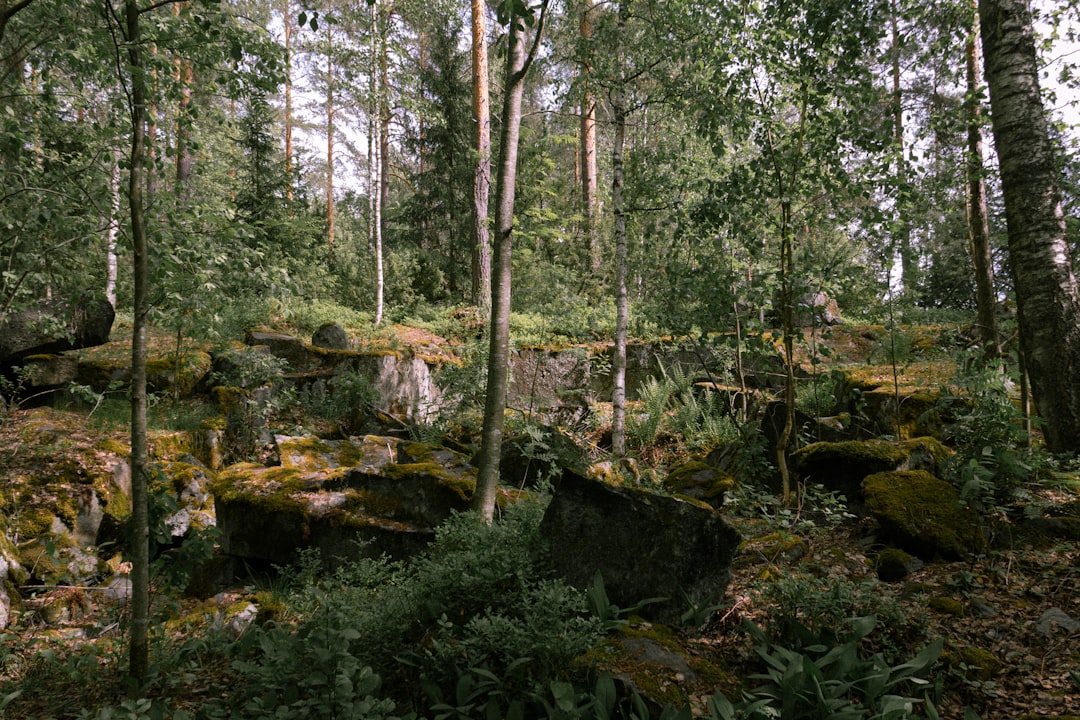
Brachiosaurus fundamentally changed their environment through their feeding behavior. By browsing high in the canopy, they pruned trees and influenced forest structure in ways that benefited other species. Their feeding created openings in the forest canopy that allowed sunlight to reach ground-level plants, supporting a diverse ecosystem of smaller herbivores.
The massive amount of vegetation they consumed and later deposited as waste across the landscape created fertile patches that supported plant diversity. Their long necks allowed them to act as mobile seed dispersers, carrying pollen and seeds from high in the canopy to distant locations. This ecological engineering shaped entire forest ecosystems throughout the Jurassic period.
Biomechanical Constraints and Limitations

Despite their impressive adaptations, the extreme neck length of Brachiosaurus came with significant limitations. The energy cost of maintaining such a massive structure was enormous, requiring them to spend most of their waking hours feeding. Their necks were also vulnerable to injury from falls or attacks, and any damage to the cervical vertebrae could have been fatal.
The weight of their extended necks required them to maintain a specific body posture to avoid toppling forward. This constraint influenced their overall body design, from their massive front legs to their relatively shorter tails. Every aspect of their anatomy had to be perfectly balanced to support their extraordinary neck architecture.
Fossil Evidence and Scientific Discoveries
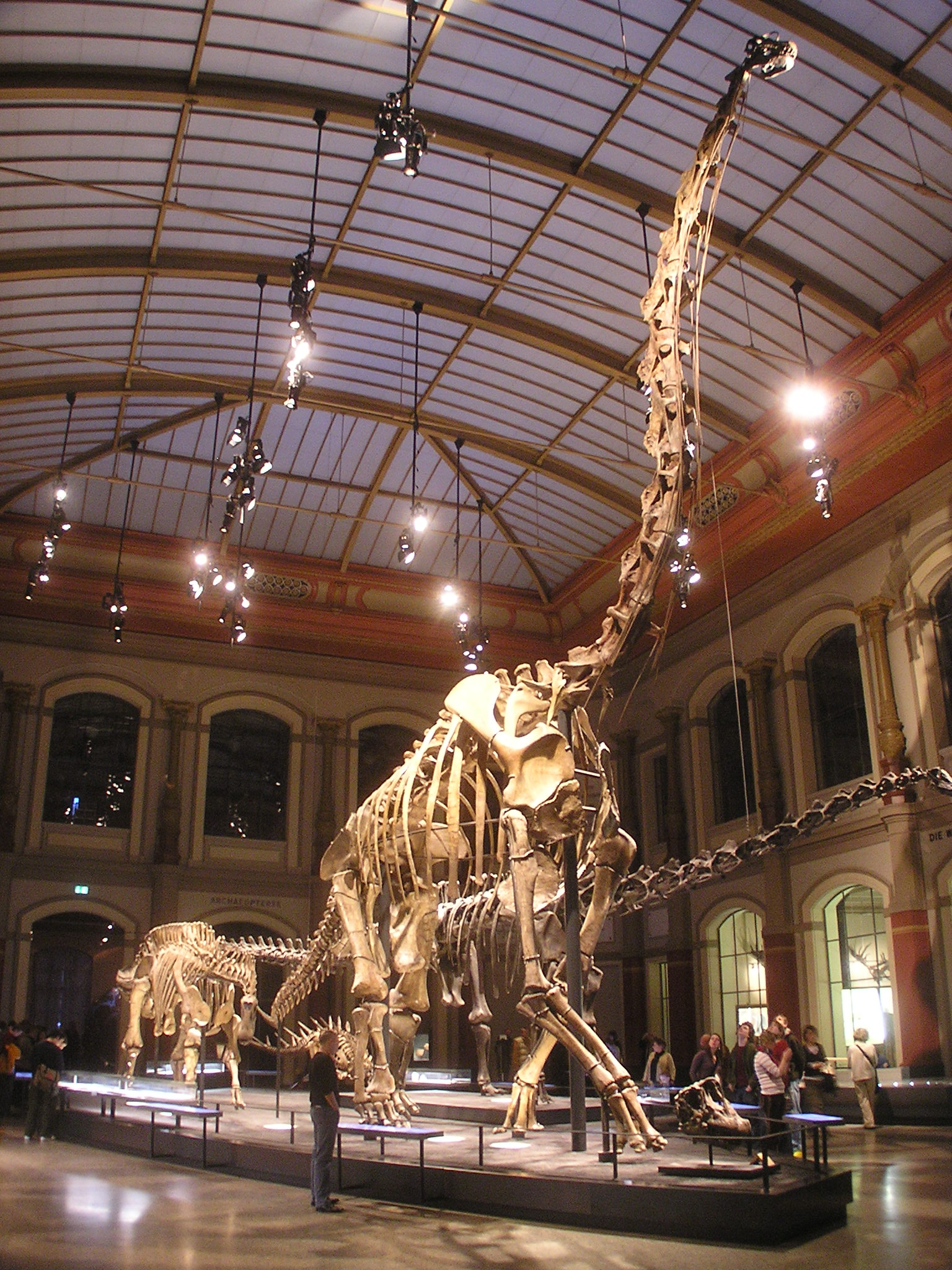
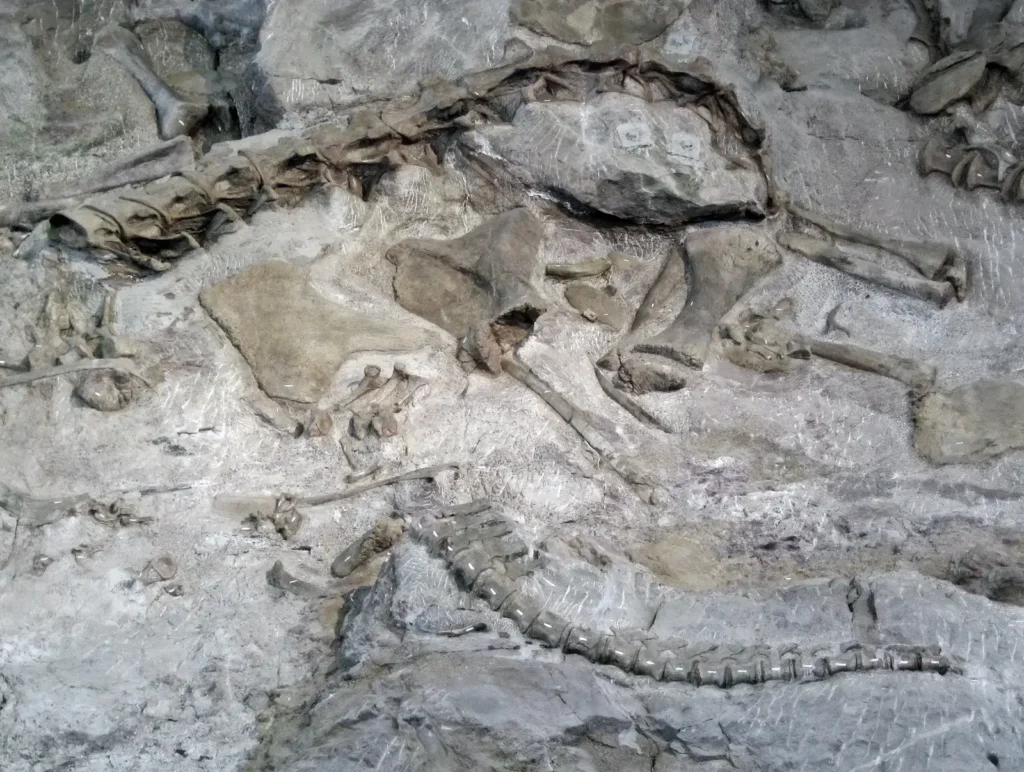
Recent paleontological discoveries have revealed fascinating details about Brachiosaurus’ neck structure and function. Fossilized neck vertebrae show evidence of powerful muscle attachments and sophisticated joint structures that allowed for remarkable flexibility despite their size. Computer modeling of their neck mechanics has revealed how these giants managed to move their heads efficiently while supporting tremendous weight.
Analysis of fossilized plant material found near Brachiosaurus remains has confirmed their high-canopy feeding strategy. The presence of conifer needles and other tree-dwelling vegetation in their presumed gut contents supports theories about their elevated browsing behavior. These discoveries continue to refine our understanding of how these magnificent creatures lived and interacted with their environment.
Modern Comparisons and Evolutionary Parallels
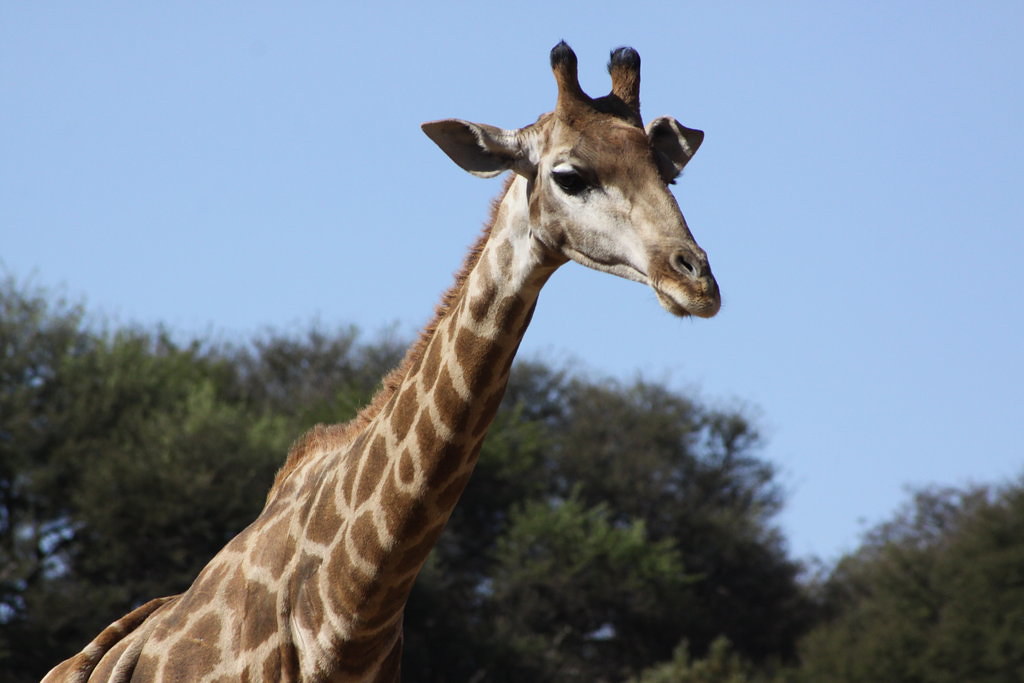
While no modern animal approaches the neck length of Brachiosaurus, giraffes provide interesting parallels in evolutionary adaptation. Both species developed elongated necks to access high-growing vegetation, though giraffes achieved this through lengthening existing vertebrae rather than adding new ones. The cardiovascular challenges faced by both animals show how evolution repeatedly solves similar problems in different ways.
Modern elephants also demonstrate how large herbivores can dramatically impact their environment through feeding behavior. Like Brachiosaurus, elephants act as ecosystem engineers, creating clearings and pathways that benefit other species. However, even the largest elephants pale in comparison to the environmental impact that herds of Brachiosaurus must have had on Jurassic landscapes.
Conclusion
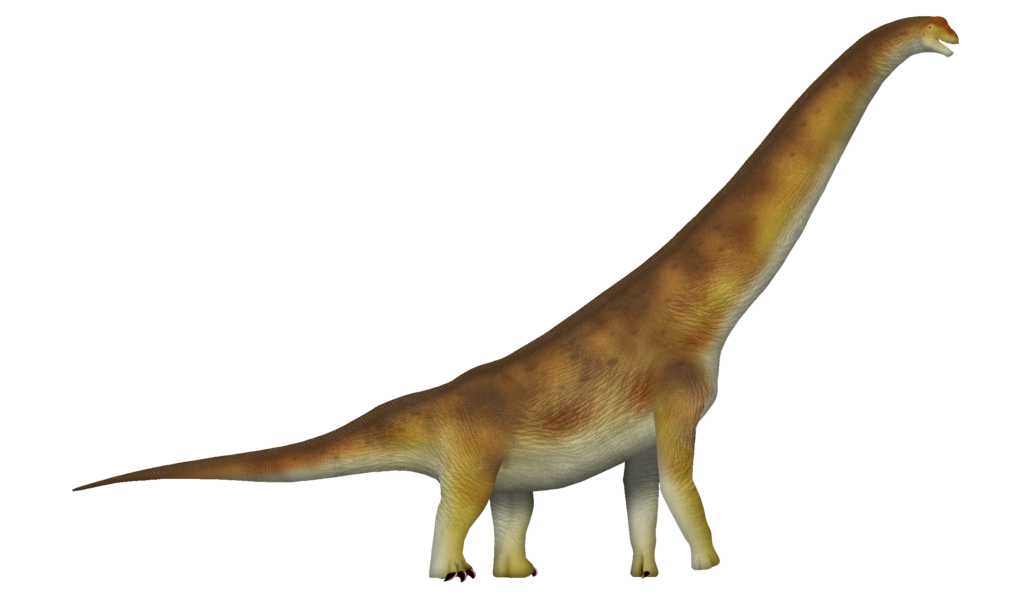
The story of Brachiosaurus and its remarkable necks reveals how evolution crafts solutions to survival challenges that seem almost impossible to engineer. These gentle giants turned the simple act of eating into an art form, reaching heights that no other land animal has achieved before or since. Their success demonstrates that in nature’s economy, sometimes the most extravagant adaptations become the keys to survival. What other seemingly impossible evolutionary solutions might be waiting to be discovered in the fossil record?