You probably already know that dinosaurs once walked this planet. What you might not realize is just how extraordinarily these creatures transformed Earth’s landscapes and dominated ecosystems for an unfathomable stretch of time. We’re talking about a span that dwarfs all of recorded human history many times over.
Let’s be real here. The way these animals lived, adapted, and thrived tells a story far more complex than those blockbuster movies suggest. The sheer diversity they achieved challenges everything we think we know about dominance itself. So let’s dive in and explore what really happened when these Jurassic giants ruled ancient Earth.
The Epic Timespan of Dinosaur Reign
Dinosaurs dominated the Mesozoic Era for more than 160 million years, peaking during the late Jurassic to early Cretaceous periods. Think about that for a moment. Compare it to humanity’s relatively brief appearance on this planet. Dinosaurs indisputably dominated terrestrial ecosystems for a vast expanse of geological time, a period known as the Mesozoic Era, lasting approximately 186 million years.
This wasn’t some brief moment in Earth’s history. These creatures witnessed continents shifting, climates transforming, and ecosystems evolving in ways we can barely comprehend. The Jurassic is a geologic period that took place about 201.3 million years to 145 million years ago and constitutes the middle part of the Mesozoic era. Their longevity alone speaks volumes about their remarkable ability to adapt and survive.
Climate Conditions That Favored Giants
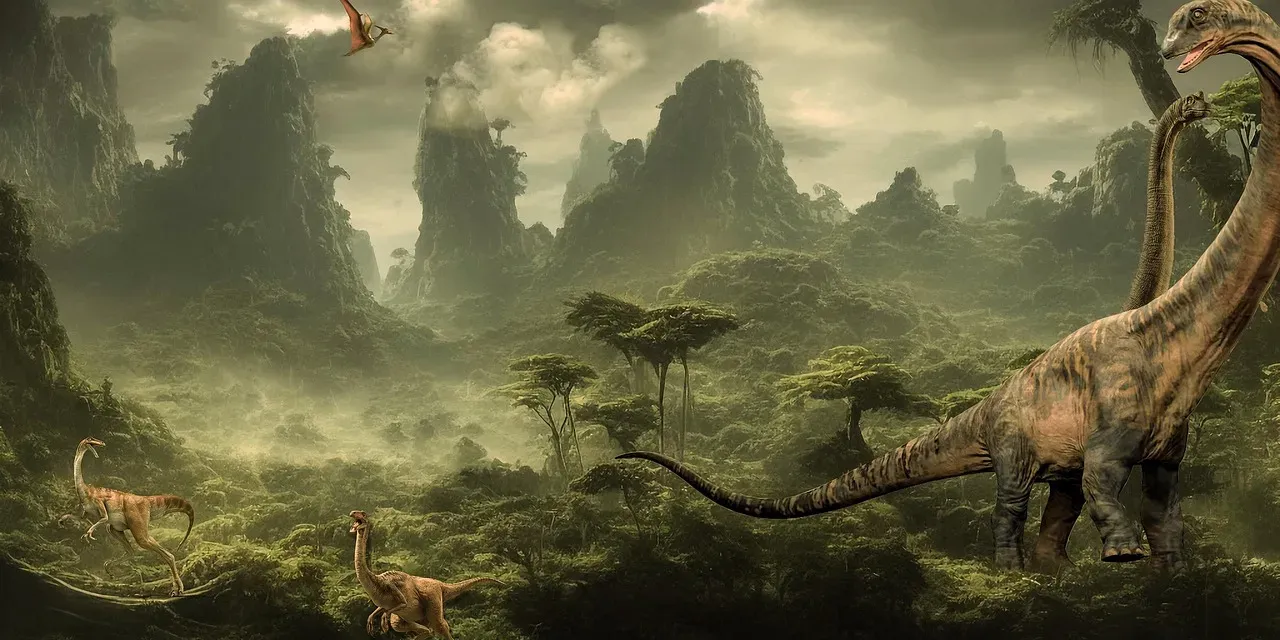
The heyday of dinosaurs, the Jurassic era saw Earth’s climate change from hot and dry to humid and subtropical. The Jurassic period was characterized by a warm, wet climate that gave rise to lush vegetation and abundant life. Honestly, it’s hard to imagine walking through those ancient landscapes today. The world back then bore little resemblance to what we see now.
This rifting, along with generally warmer global temperatures, allowed for diversification and dominance of the reptiles known as dinosaurs. These environmental conditions weren’t just favorable – they were practically perfect for massive herbivores and the predators that hunted them. Vegetation exploded across the continents. The flora was dominated by ferns and gymnosperms, including conifers, of which many modern groups made their first appearance during the period.
The True Meaning of Dominance
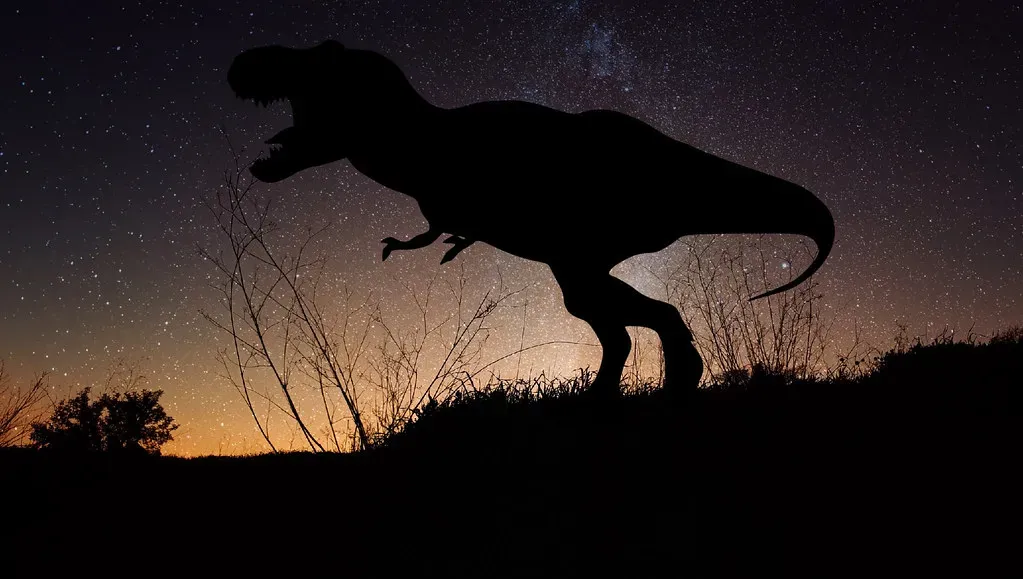
Here’s the thing most people get wrong. When most people say dinosaurs once ‘ruled’ the Earth, they really just mean they were the most abundant or most charismatic group worldwide. Dominance doesn’t necessarily mean they controlled every aspect of life on Earth. Let me explain what actually happened.
Dinosaurs may have ruled Earth for over 160 million years because the way they walked gave them a big advantage during the drying climate of the Triassic. Their upright posture and efficient locomotion set them apart. By then, dinosaurs were dominating the land, accounting for all terrestrial animals more than a metre long. That’s a staggering level of control over large-animal ecological niches. Still, they shared the planet with countless other creatures.
Staggering Size: The Largest Land Animals Ever
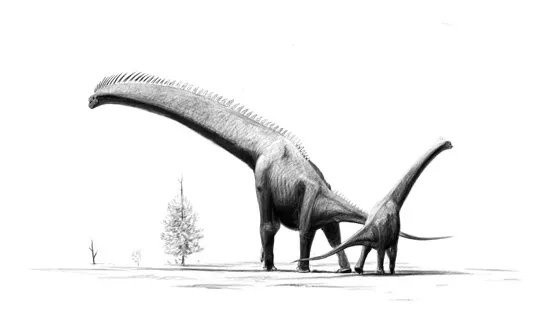
Gigantic, four-legged, long-necked plant-eating sauropod dinosaurs of the Jurassic and Cretaceous periods, such as Brachiosaurus, were the largest animals to ever walk the Earth, weighing up to 70 metric tons. Picture that for a second. Seventy metric tons of living, breathing, plant-munching giant. The blue whale is bigger, sure, but it lives in water where buoyancy helps support its mass.
The plant-eating sauropod Brachiosaurus stood up to 52 feet tall, stretched some 85 feet long, and weighed more than 80 tons. Diplodocus, another sauropod, was 90 feet long. These weren’t just big animals – they redefined what was biologically possible on land. Patagotitan mayorum may have been the world’s largest terrestrial animal of all time, based on size estimates made after considering a haul of fossilized bones attributed to the species.
Predator-Prey Dynamics in Ancient Ecosystems
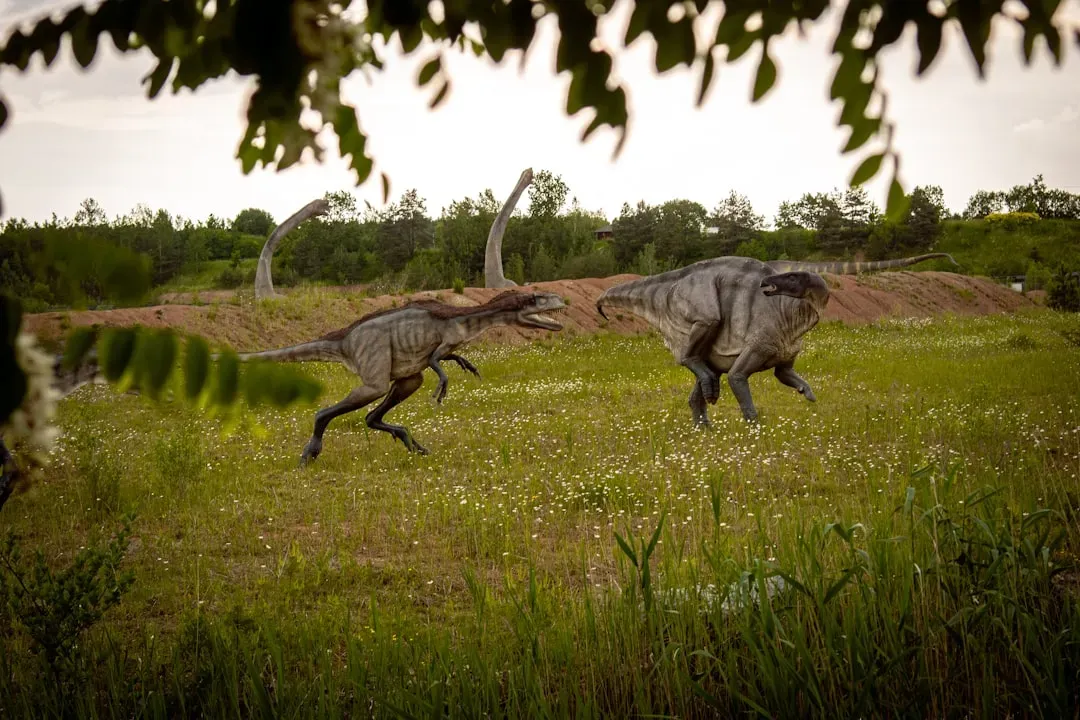
These dinosaurs’ sheer size may have deterred attack from Allosaurus, a bulky, meat-eating dinosaur that walked on two powerful legs. Imagine being a predator trying to take down something that could crush you with a single misstep. It’s not hard to see why predators had to develop strategies beyond simple brute force.
These massive herbivores were preyed upon by large theropods, such as Allosaurus. The dance between hunter and hunted shaped evolutionary pressure on both sides. Predators needed speed, intelligence, and cooperative hunting behaviors. Herbivores developed armor, intimidating size, or herd behaviors for protection. The balance was delicate but remarkably effective for millions of years.
Diversity Beyond the Giants
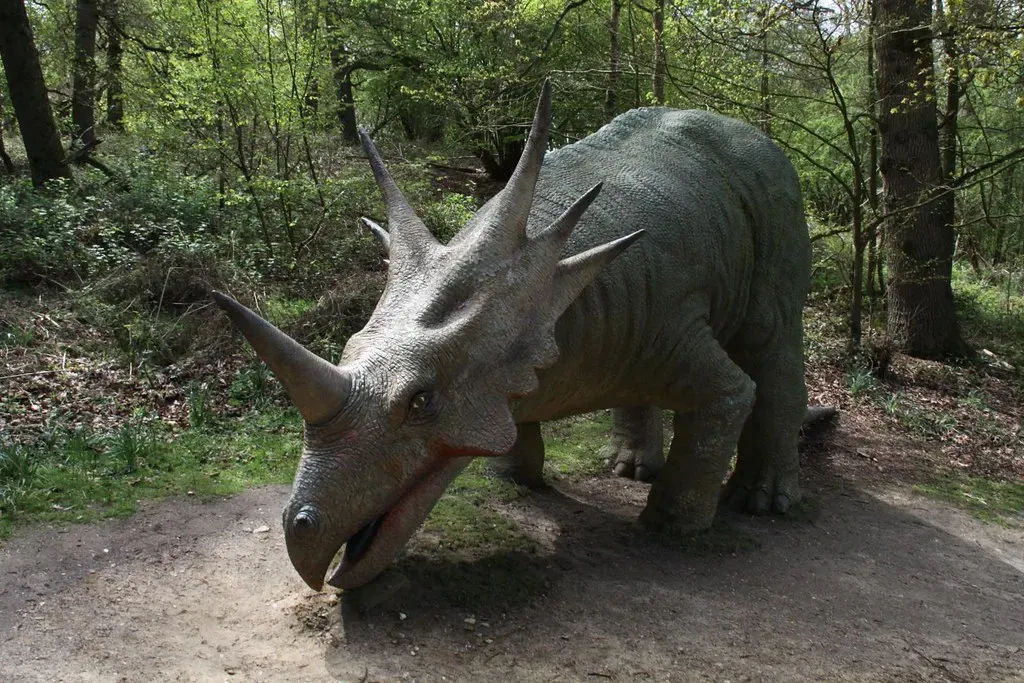
Most people focus only on the massive creatures. The average size of a dinosaur was that of a sheep. That’s right – the average dinosaur wasn’t some towering monster at all. The smaller species played equally vital roles in their ecosystems.
Some of the earliest Jurassic dinosaurs are the heterodontosaurids. These were small reptiles that only grew up to about two metres long. These creatures evolved into countless forms, each adapted to specific ecological niches. Many new dinosaurs emerged – in great numbers. From tiny insect-eaters to enormous sauropods, the variety was absolutely staggering. This diversity tells us they weren’t just surviving – they were thriving in almost every available habitat.
Continental Drift and Evolutionary Branching
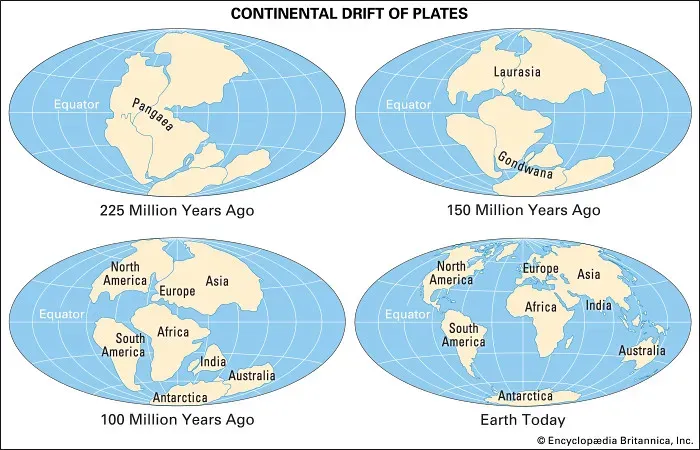
At the start of the Jurassic era, the breakup of the supercontinent Pangaea continued and accelerated. Laurasia, the northern hemisphere, broke up into North America and Eurasia. This geographic separation created isolated populations that evolved independently. The dinosaurs on one continent diverged from their cousins elsewhere.
As the landmasses that had once made up the supercontinent of Pangaea continued to separate throughout the period, the plants and animals of the different regions began to differentiate along individual evolutionary paths according to the particular environments they inhabited. This geographic isolation drove speciation in remarkable ways. Different environments demanded different adaptations. What worked in one region might fail spectacularly in another.
Recent Discoveries Reshape Our Understanding
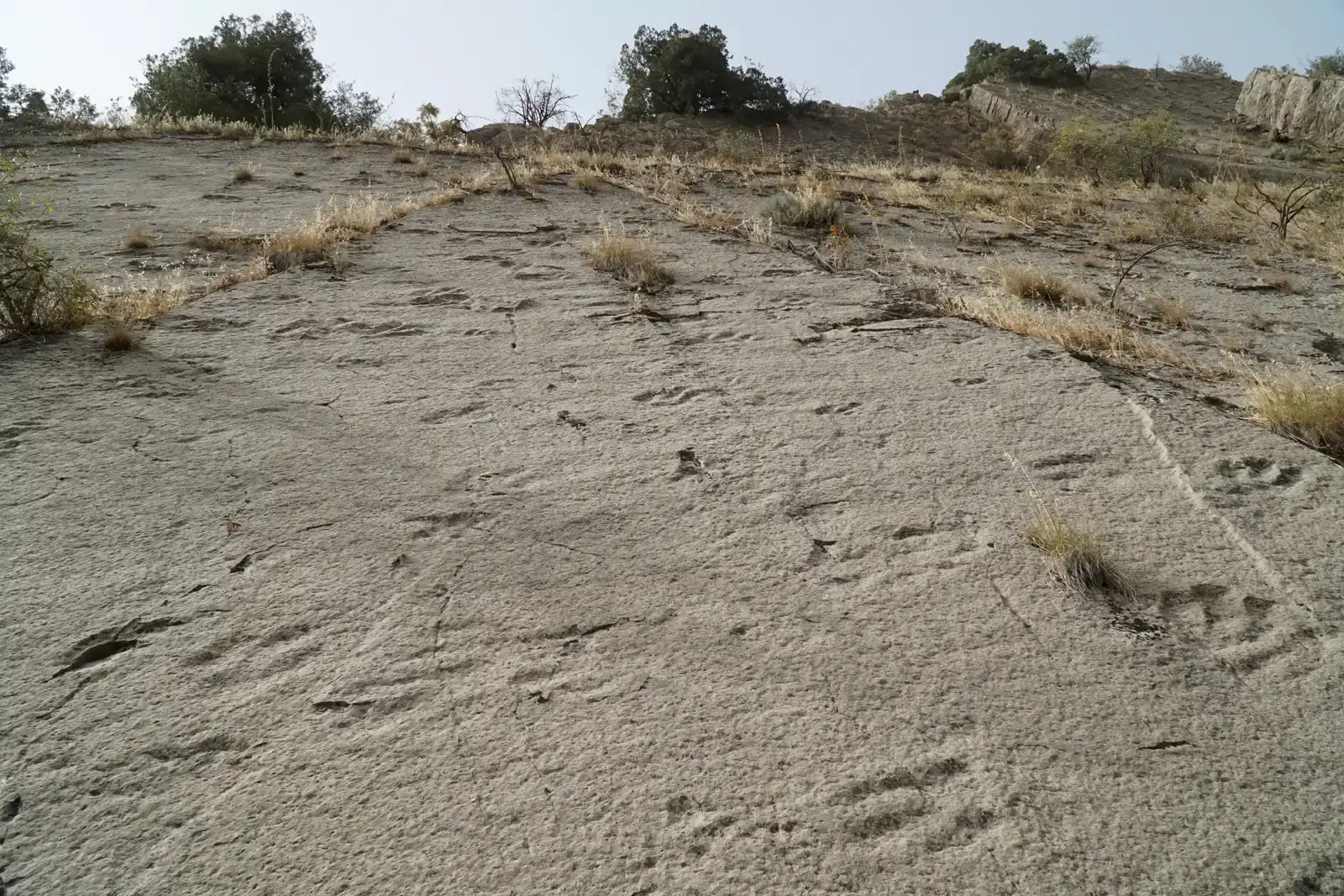
Around 1,400 dinosaur species are now known from more than 90 countries, with the rate of discovery accelerating in the last two decades. The year 2025 has so far seen the discovery of 44 new dinosaur species, nearly one a week. It’s honestly mind-blowing how much we’re still learning. Every new fossil adds another piece to this massive prehistoric puzzle.
In the summer of 2025, researchers revealed hundreds more footprints in an enormous dinosaur highway first uncovered a year earlier in Oxfordshire, U.K. These trackways show us behavior, movement patterns, and social structures we could never glean from bones alone. Each discovery forces us to revise and refine our understanding of these ancient creatures.
The Legacy of Jurassic Giants
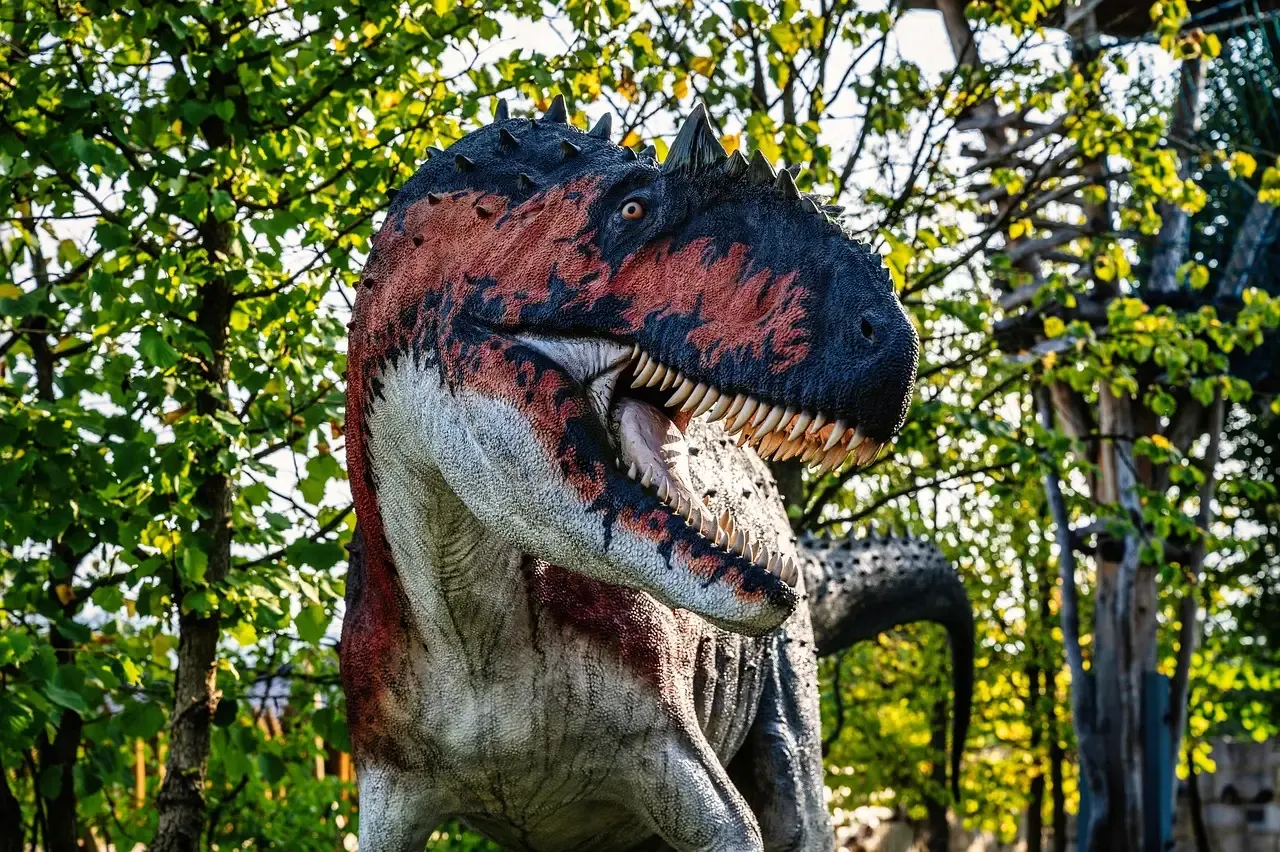
The fauna transitioned from the Triassic fauna, dominated jointly by dinosauromorph and pseudosuchian archosaurs, to one dominated by dinosaurs alone. Dinosaurs experienced a major increase in diversity and abundance during the Early Jurassic in the aftermath of the end-Triassic extinction. They seized an opportunity when other dominant groups faltered. That’s not luck – that’s evolutionary advantage.
The Jurassic giants left behind more than just fossils. They shaped ecosystems that would influence life for hundreds of millions of years. Dinosaurs were obviously a crucial part of the ecosystems they inhabited, and no doubt helped re-shape the world during their time. They’ve also left a fascinating fossil legacy behind that we’re lucky enough to discover and learn about. Their dominance wasn’t absolute, but it was profound and lasting. These creatures proved that with the right adaptations, life can thrive on scales both massive and minute.
The story of Jurassic giants isn’t just about size or ferocity. It’s about adaptability, diversity, and the relentless march of evolution across unfathomable stretches of time. These animals didn’t just exist – they transformed their world. What would you have witnessed if you could travel back to watch them in action?