Picture the Jurassic landscape – vast, lush, impossibly green, and shaking beneath the weight of the largest creatures to ever walk this planet. Sauropods were living monuments to evolution’s ambition. Long-necked, barrel-bodied, and heavier than anything you could reasonably imagine, these gentle giants were not just remarkable for their size. They were, it turns out, far more socially complex than anyone suspected for decades.
The old image of a lone, solitary behemoth wandering aimlessly across prehistoric floodplains is rapidly crumbling under the weight of new fossil evidence. What scientists are uncovering instead is something genuinely surprising – a world where these colossal herbivores may have lived, traveled, and even raised their young in structured social groups. So let’s dive into what the rocks and bones are finally telling us.
The Giants We Thought We Knew
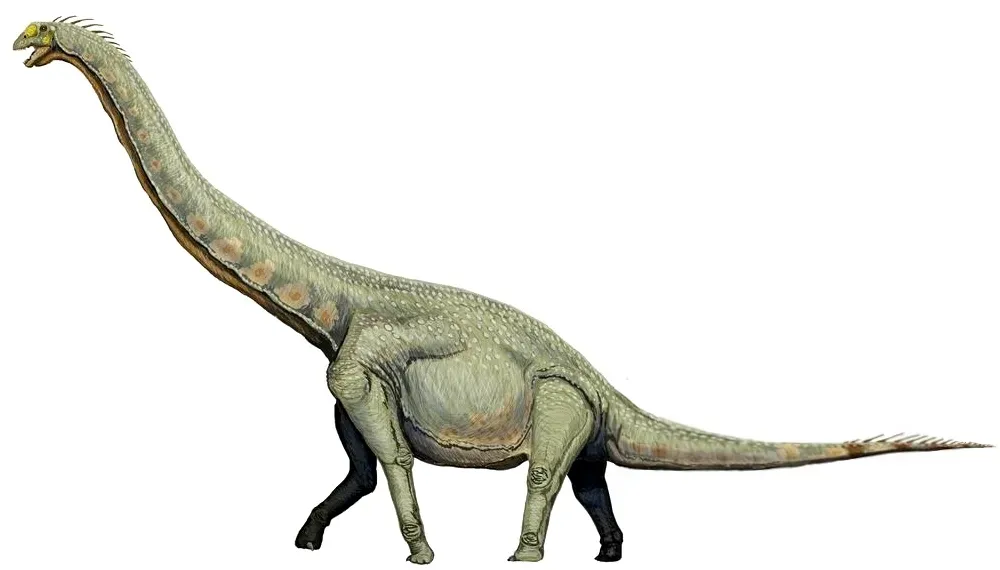
Honestly, for a long time sauropods were treated almost like prehistoric furniture – big, impressive, but behaviorally bland. The largest of all dinosaurs, sauropods were the giants of the animal kingdom for many millions of years, and they have been found on every continent with the exception of Antarctica. That kind of global reach tells you something important right away. These animals were extraordinarily successful, and success like that rarely happens by accident.
The first true sauropods appeared in the fossil record as early as the Late Triassic, about 230 million years ago, and by the Middle Jurassic, the sauropod dinosaurs had begun to diversify. Thinking about that timeline is genuinely staggering. They were not a blip in Earth’s story. They were the story for tens of millions of years, and understanding how they behaved as social animals is key to understanding why they thrived.
The Fossil Evidence That Changed Everything
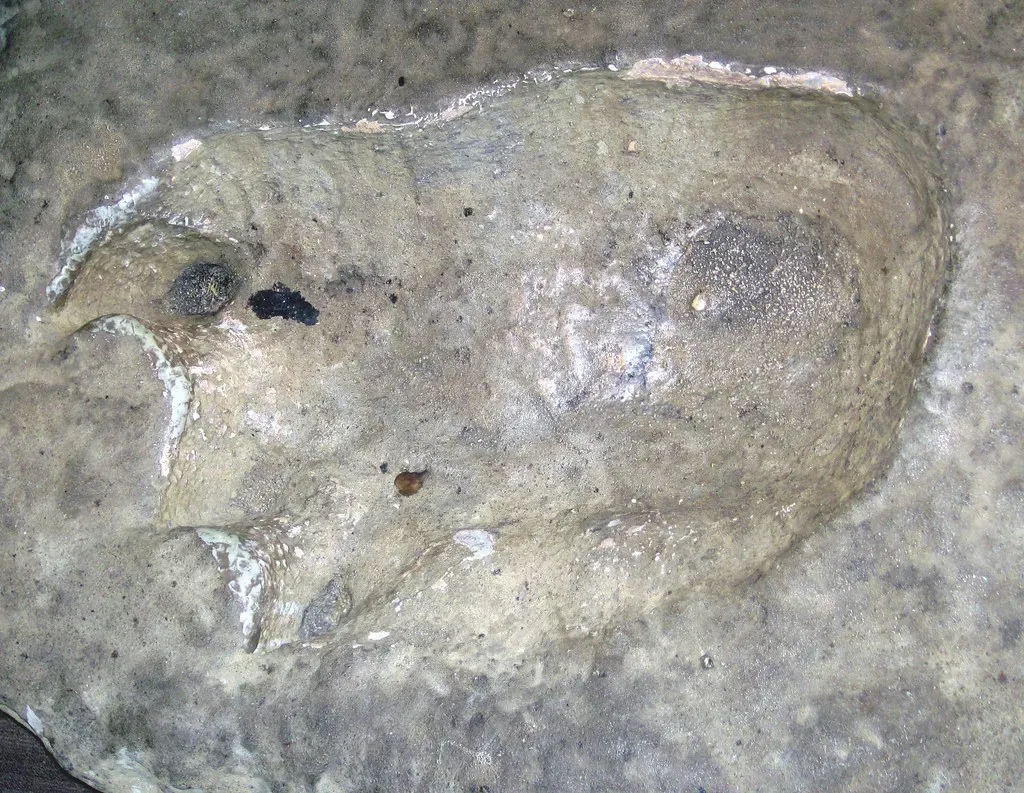
Here’s the thing – you cannot watch a sauropod herd in action. You can only read what the ancient world left behind. Evidence from trackways and bonebeds has hinted that different sauropods had distinct social structures. These two types of evidence are essentially the two pillars of everything researchers have pieced together about sauropod life. Think of them like a crime scene, except the crime happened 150 million years ago.
The best evidence of gregarious behavior in sauropods currently comes from the ichnological record. Trackway accumulations can provide much information about herds that is not available in the body fossil record, including speed, direction of travel, and herd structure – the spatial organization of individuals within a group. In other words, their footprints are a kind of diary, and scientists are only now learning to fully read it.
Reading the Tracks: Footprints as a Social Blueprint
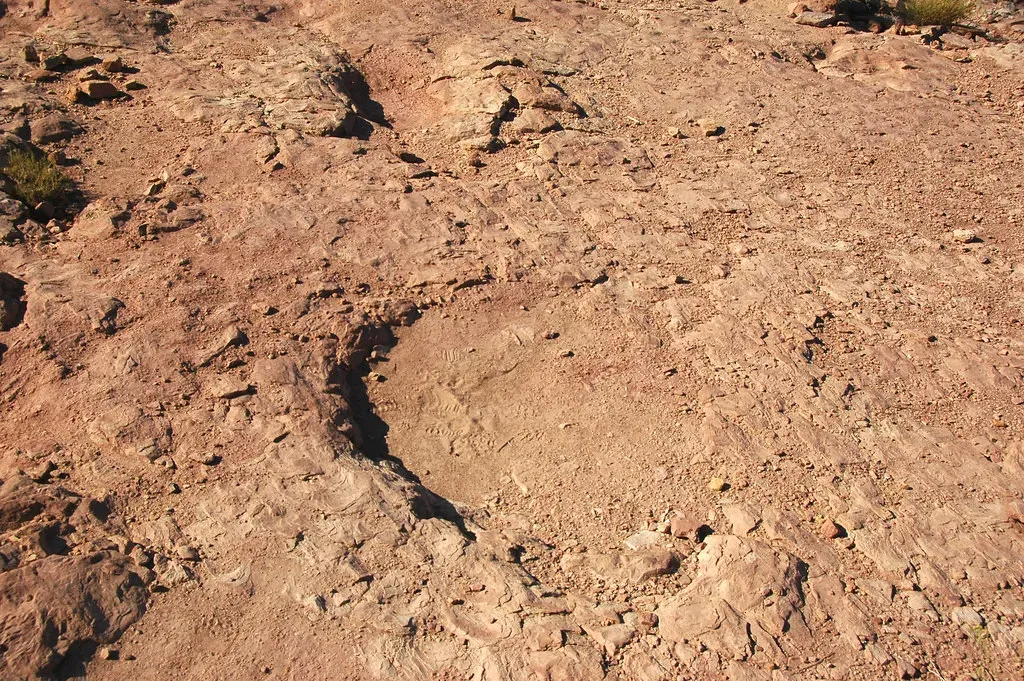
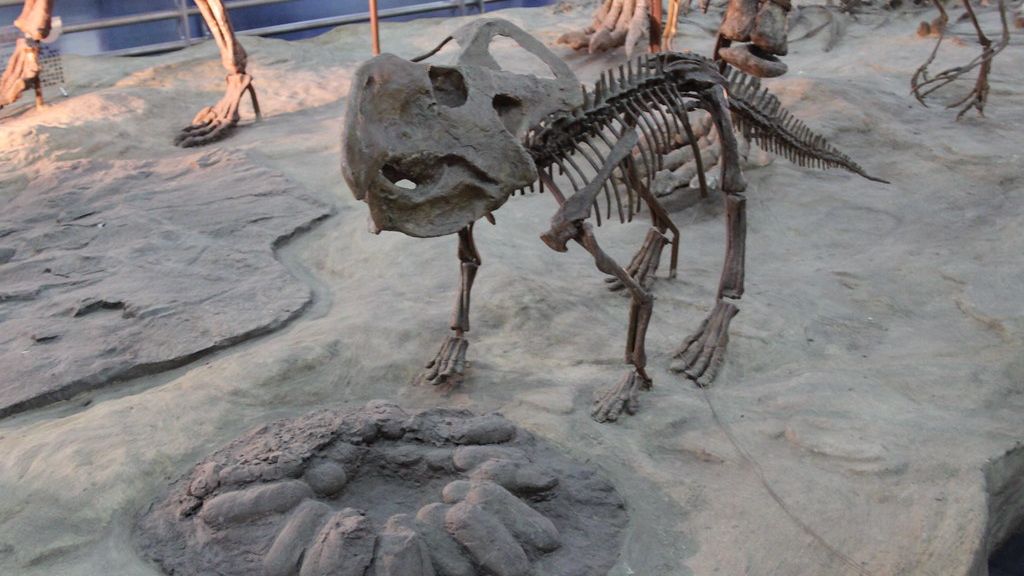
These rare occurrences of multiple skeletal remains have repeatedly been reinforced by dinosaur footprints as evidence of herding. Trackways were first noted by Roland T. Bird in the early 1940s along the Paluxy riverbed in central Texas, where numerous washbasin-size depressions proved to be a series of giant sauropod footsteps preserved in limestone of the Early Cretaceous Period. That moment must have been breathtaking – standing over something so enormous, preserved so perfectly in rock.
A series of parallel tracks may suggest that animals were moving in a group and could indicate possible herd behaviour. It sounds simple, but working out whether those tracks were made simultaneously or by animals passing through weeks apart is genuinely tricky science. Some dinosaur trackways record hundreds, perhaps even thousands, of animals, possibly indicating mass migrations. That scale of movement is hard to wrap your head around – almost like the Serengeti, but with creatures ten times the size of any elephant alive today.
The Oldest Herd: Mussaurus and the Dawn of Social Behavior
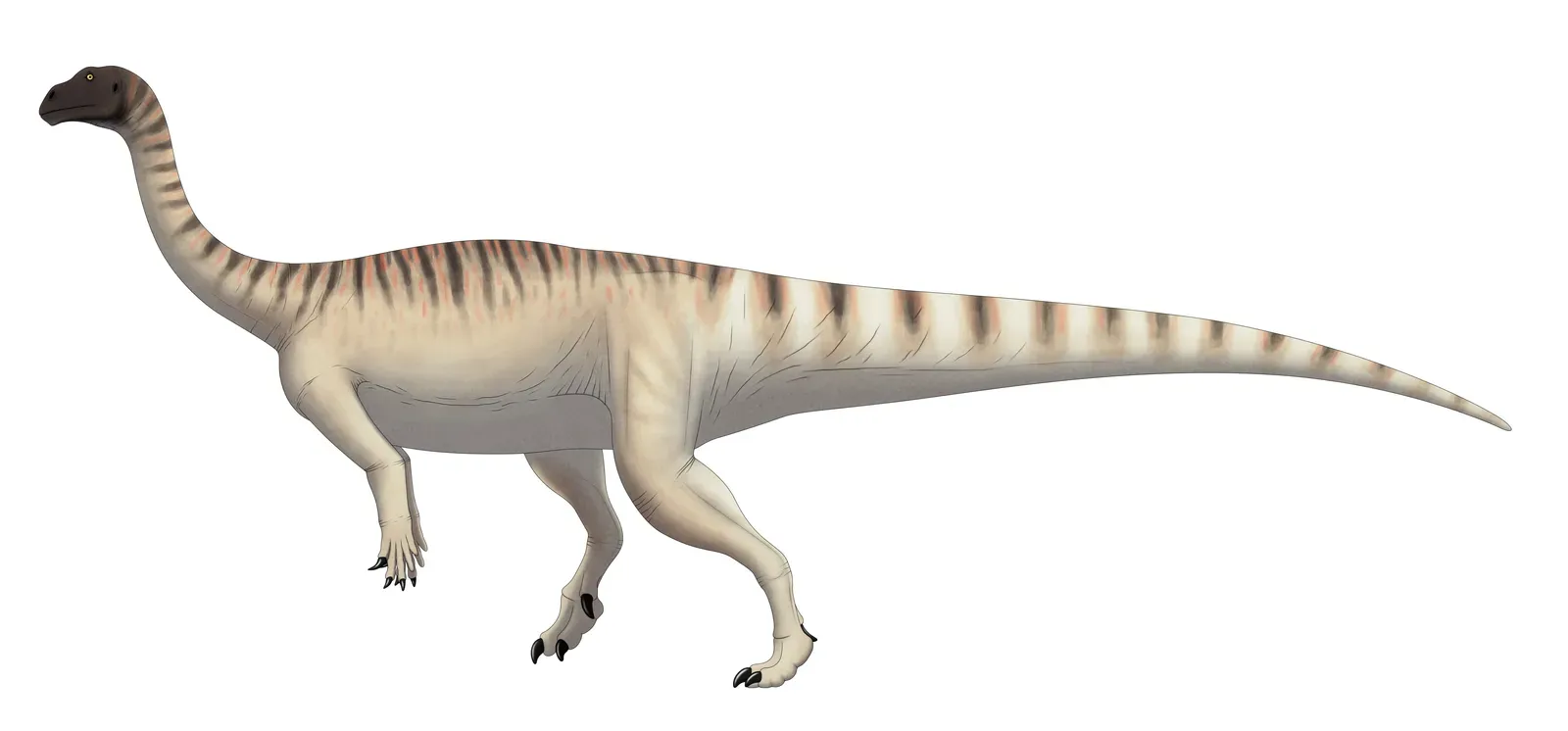
I think this is arguably the most mind-blowing discovery in recent sauropod research. Researchers from MIT, Argentina, and South Africa detailed their discovery of an exceptionally preserved group of early dinosaurs that shows signs of complex herd behavior as early as 193 million years ago – 40 million years earlier than other records of dinosaur herding. Forty million years. That’s not a small margin of error – that’s a complete rethinking of the timeline.
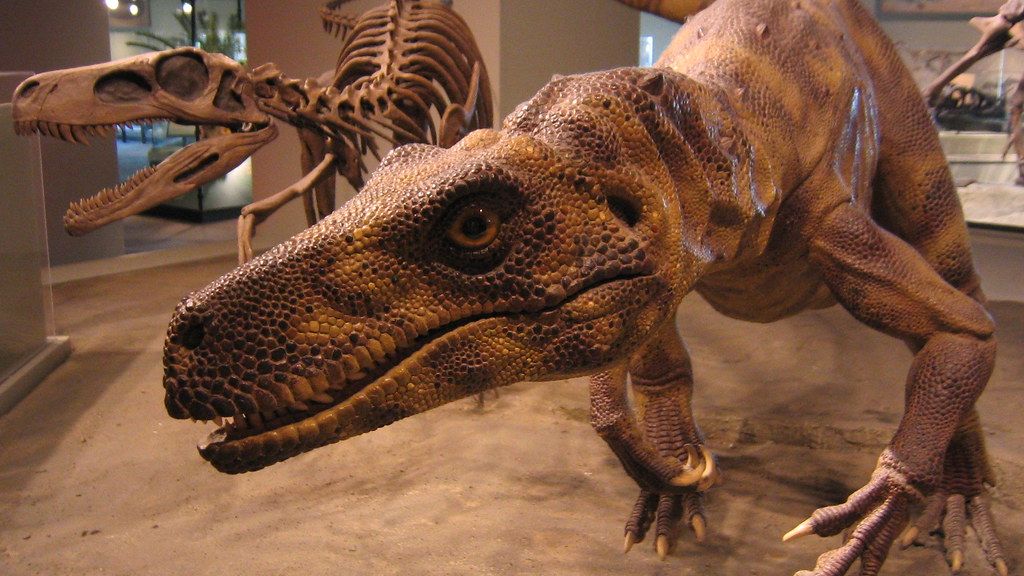
This exceptional fossil occurrence from Patagonia includes over 100 eggs and skeletal specimens of 80 individuals of the early sauropodomorph Mussaurus patagonicus, ranging from embryos to fully-grown adults. Most specimens were found in a restricted area and stratigraphic interval, with some articulated skeletons grouped in clusters of individuals of approximately the same age. Researchers determined that the dinosaur herd dates back to around 193 million years ago, during the early Jurassic period. The fact that all ages were found together in the same location is a powerful indicator that this was genuinely a social community, not just a random accumulation of bones.
Age Segregation Within the Herd: Juveniles and Adults Living Apart
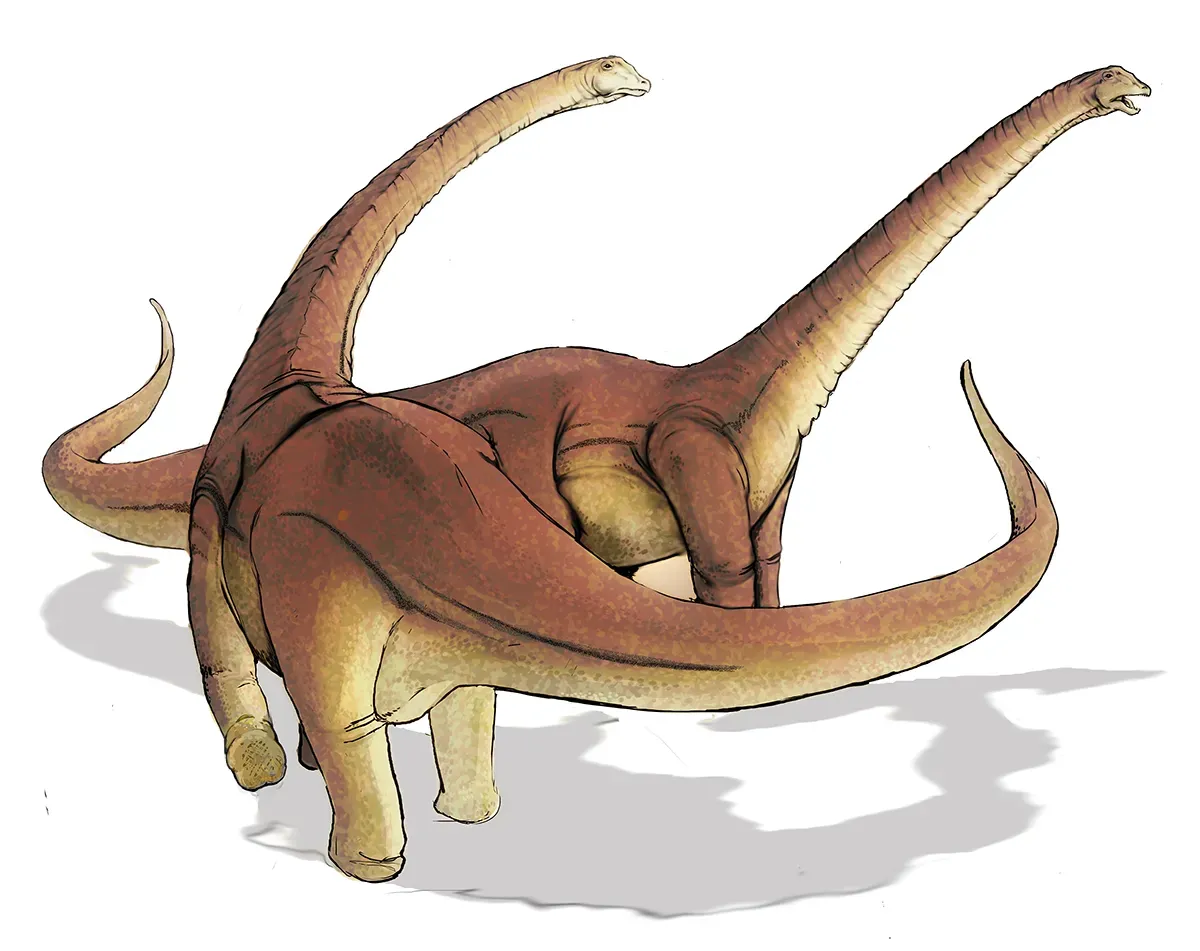
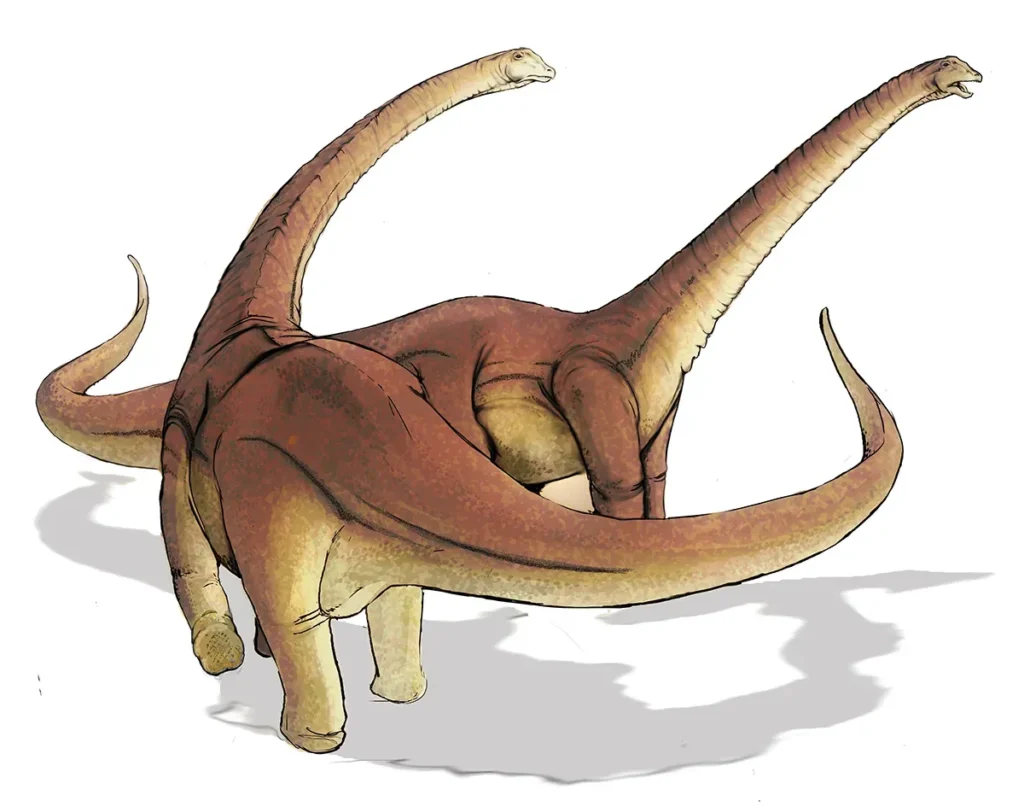
Not all sauropod herds looked the same. This is where things get genuinely nuanced and, I’d argue, unexpectedly sophisticated. Some sauropods, such as Alamosaurus, seemed to group together in small herds as juveniles and either become solitary as they grew or form age-segregated adult herds. Picture elephant herds, or even modern buffalo – different age groups often operate semi-independently, and sauropods may have done something strikingly similar.
The Mother’s Day Quarry in the Upper Jurassic Morrison Formation of Montana contains the remains of several immature diplodocoid sauropods. An assemblage in the Upper Cretaceous Javelina Formation of Big Bend National Park in Texas consists entirely of juvenile Alamosaurus. Both the Mother’s Day and Big Bend assemblages are interpreted as remnants of age-segregated herds. When age segregation is recognized, in both fossil and modern taxa, it is thought to minimize the fitness costs related to behavioral synchronization within social groups. In plain terms, keeping juveniles together away from massive, stomping adults may have simply been safer for everyone involved.
Mixed-Age Herds: When Young and Old Traveled Together
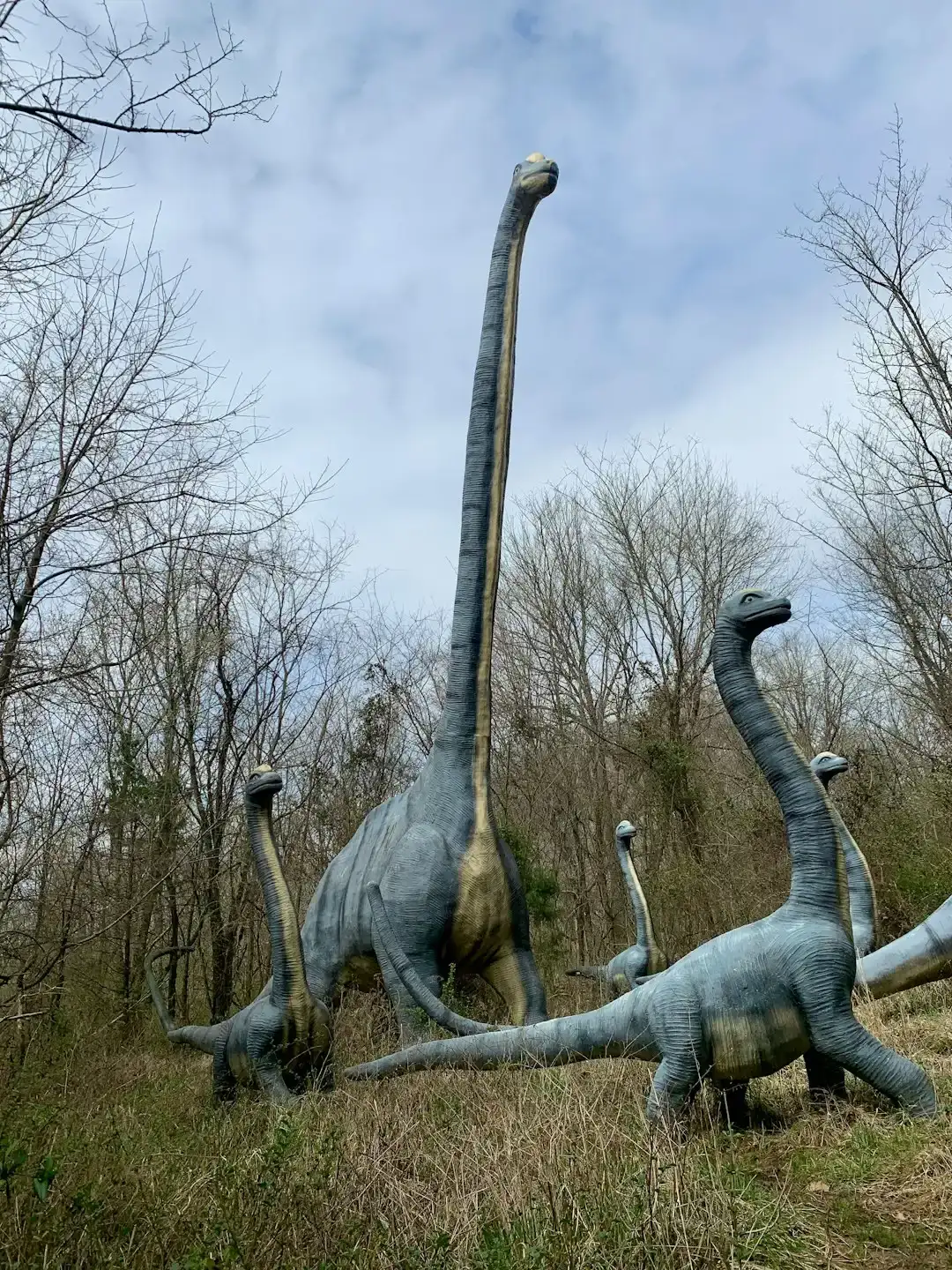
Yet the picture is not entirely one of separation. Some sauropod species appear to have done the opposite, keeping all ages close. Other sauropods seemed to live in mixed-age herds, where juveniles remained with older individuals. In the case of the bonebed in Argentina, it would seem that juveniles and adults traveled together. This social flexibility across species is, honestly, one of the more underappreciated aspects of sauropod biology.
The co-occurrence of associated neonates, juveniles, and adults of Mussaurus in the same restricted stratigraphic interval and at the same locality suggests individuals maintained social cohesion throughout the different stages of their lifespan. Fossil evidence has indicated some sauropod species traveled in segregated herds, with juveniles and adults traveling in their own separate groups. Current resource partitioning theories have suggested that this behavior was in response to adult and juvenile sauropods expressing different feeding strategies. So the herd structure may have been shaped, at least in part, by the purely practical matter of who could eat what and where.
Colonial Nesting and the Question of Parental Care
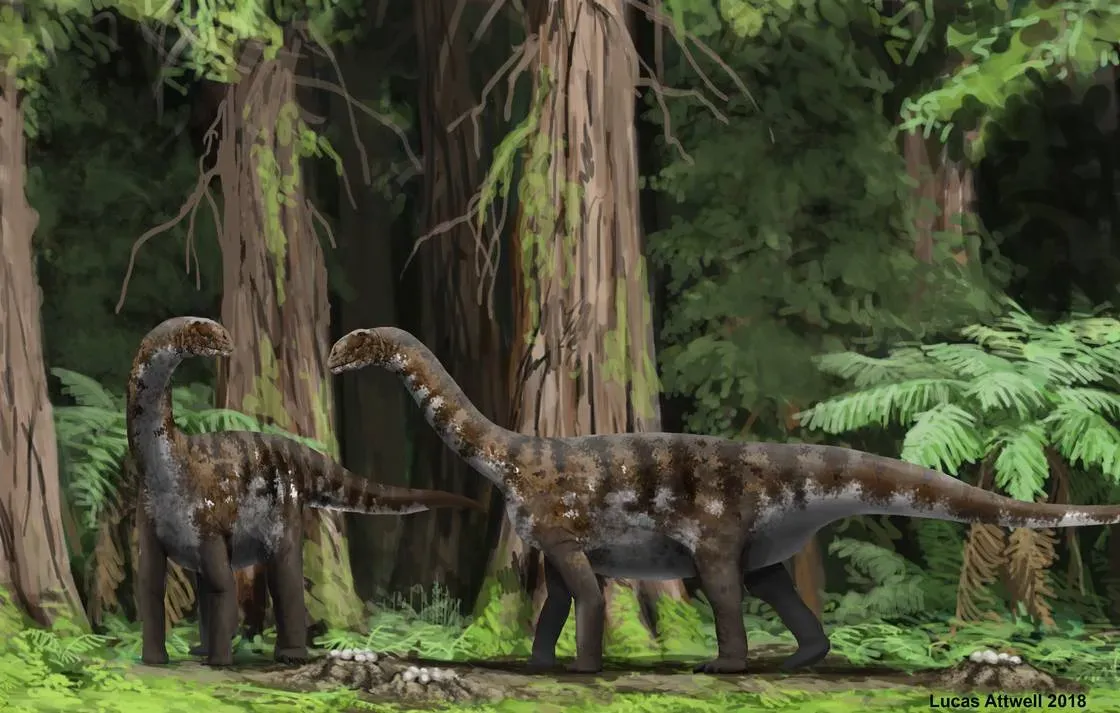
Nesting behavior brings another fascinating layer to the social story. Nesting sites discovered in the late 20th century also establish herding among dinosaurs. Nests and eggs numbering from dozens to thousands are preserved at sites that were possibly used for thousands of years by the same evolving populations of dinosaurs. That kind of site fidelity – returning to the same place generation after generation – implies a kind of deep-rooted community memory that is remarkable for any animal.
For some groups, like sauropods, we don’t have evidence of post-laying care. Paleontologists have found their expansive nesting grounds, including some sites where dinosaurs laid eggs in areas that were warm with geothermal activity, perhaps to incubate the offspring. Researchers have no evidence that the parents stuck around. Perhaps most perplexing are the enormous sauropods, whose massive adult size seems incompatible with direct parental care of tiny hatchlings. While evidence suggests they created nesting colonies, the mechanics of how these 40-ton giants could provide care without crushing their offspring remains speculative. The irony that the largest animals on land may have been physically incapable of caring for their own young is hard to shake.
Herding as a Survival Strategy: Defense, Foraging, and Migration
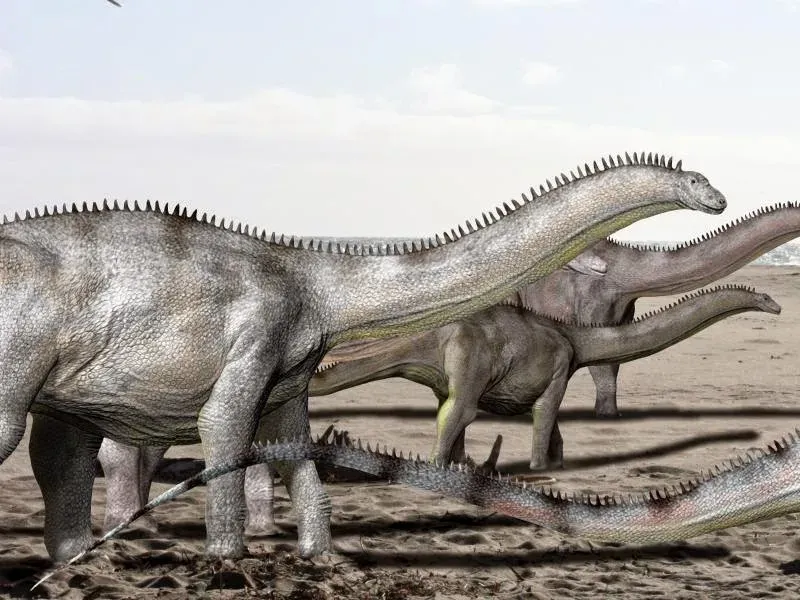
Formation of social groups will be favored by natural selection when associated fitness benefits, such as decreased risk of predation and increased foraging efficiency, outweigh costs, such as increased competition for resources and increased transmission of diseases and parasites. That is the cold, evolutionary logic behind herding in any species – sauropods were no exception. Living together wasn’t sentiment. It was strategy.
The worldwide distribution of sauropods, together with their large size and dietary requirements, suggests that these species may have exhibited migratory behavior. As seen in today’s largest migrating herbivores, researchers believe that sauropods consumed vast quantities of vegetation to survive and moved to new areas once their habitat was depleted of food resources. With fearsome Jurassic predators like Allosaurus about, the bigger sauropods grew, the safer they were. Once sauropods reached their full size, they were effectively immune to predation. For younger individuals, however, the herd offered a protection that their own body could not yet provide.
The Challenges of Interpreting the Evidence
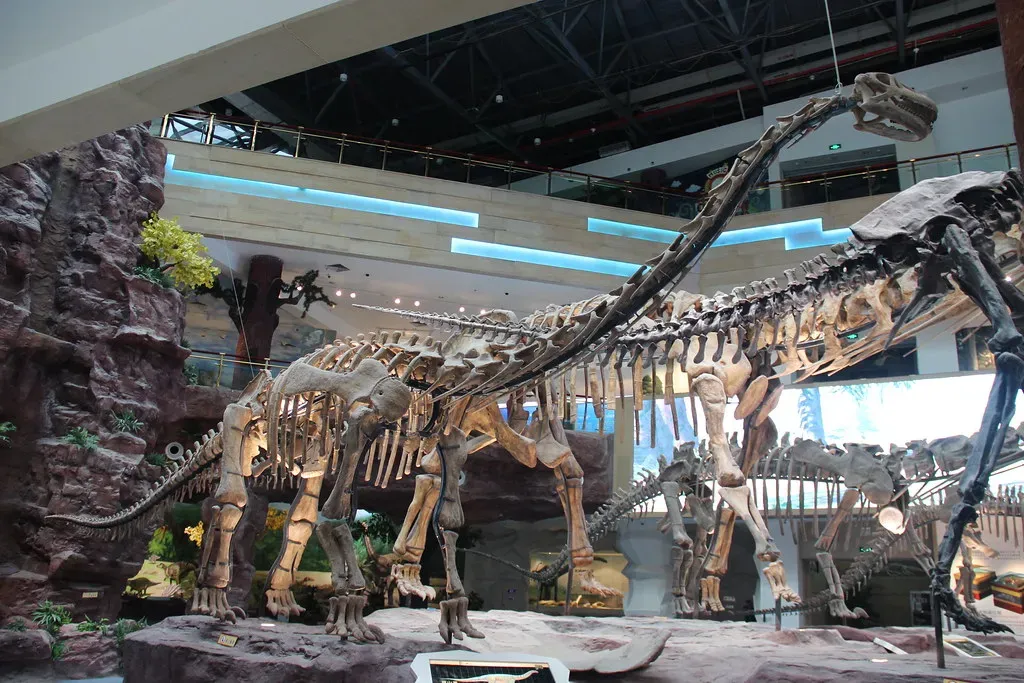
It would be dishonest to wrap all of this up in a perfectly neat bow. The science here is full of uncertainty, and any good paleontologist will tell you that the bones don’t always speak clearly. Sometimes multiple dinosaurs walked over the same patch of ground at different times, creating trackway slabs that record the independent activities of several dinosaurs rather than a coordinated herd. Just because dinosaurs were preserved together doesn’t necessarily mean that they composed a social group – natural disasters such as drought and flood can create assemblages of animals that didn’t actually flock together in life.
The presence of sociality in different sauropodomorph lineages suggests a possible Triassic origin of this behaviour, which may have influenced their early success as large terrestrial herbivores. Still, separating genuine social groupings from geological coincidences requires careful, painstaking taphonomic analysis. New discoveries indicate the presence of social cohesion throughout life and age-segregation within a herd structure, in addition to colonial nesting behaviour. These findings provide the earliest evidence of complex social behaviour in Dinosauria. The presence of sociality in different sauropodomorph lineages suggests a possible Triassic origin of this behaviour, which may have influenced their early success as large terrestrial herbivores. The case is compelling – it is just never completely closed.
Conclusion: Ancient Giants, Surprisingly Complex Lives
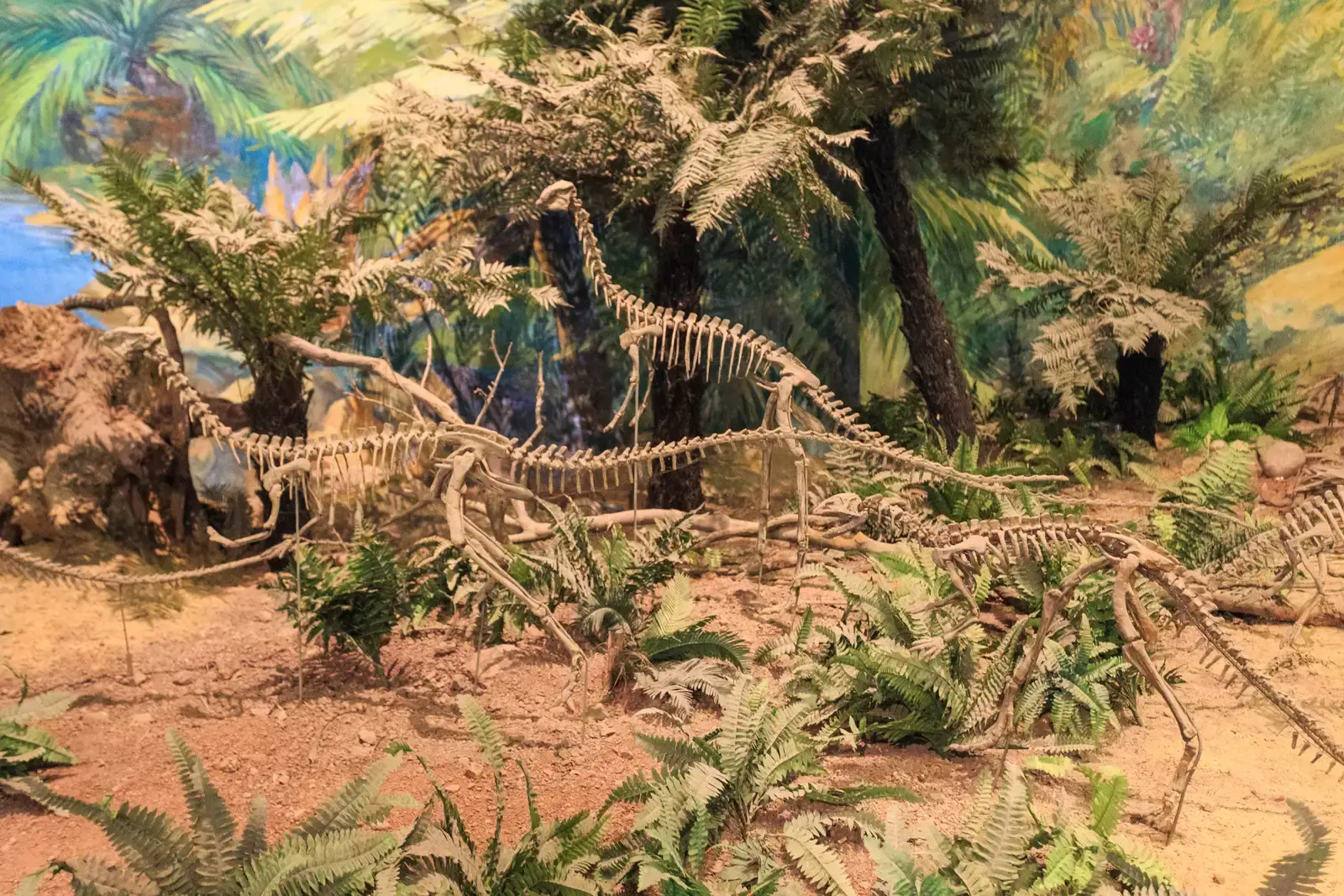
What you’re left with, after wading through all this evidence, is something genuinely moving. These were not mindless wanderers. Living in herds may have given sauropodomorphs an evolutionary advantage. These early dinosaurs originated in the late Triassic, shortly before an extinction event wiped out many other animals. For whatever reason, sauropodomorphs held on and eventually dominated the terrestrial ecosystem in the early Jurassic. That survival was not luck. It was, in part, a social achievement.
There is something almost humbling about the realization that creatures this vast – animals that could weigh as much as a dozen African elephants – may have navigated their world together, in organized, structured groups, caring about proximity to their own kind. The Jurassic was not a lonely place for these giants. It was, in its own ancient way, a community. It’s hard to say for sure exactly what those herds looked and sounded like in motion, but the fossil record is inching closer to an answer with every new dig. What would you have guessed: solitary wanderers, or ancient social networks written in stone?