Picture this: a 30-foot-long herbivore, armed with four massive spikes jutting from its tail, facing off against a 28-foot predator whose jaws could crush bone like a nutcracker. This wasn’t a scene from a Hollywood blockbuster—this was everyday life in the Morrison Formation 150 million years ago, where Stegosaurus and Allosaurus engaged in prehistoric battles that would make modern warfare look tame.
The Ultimate Prehistoric Showdown

When paleontologists first discovered Stegosaurus and Allosaurus fossils in the same geological formations, they realized they were looking at evidence of one of nature’s most epic predator-prey relationships. These two titans didn’t just share the same landscape—they were locked in an evolutionary arms race that lasted millions of years.
The Late Jurassic period was essentially a battleground where massive herbivores developed increasingly sophisticated defensive weapons while carnivores evolved more devastating offensive capabilities. Think of it as nature’s version of military escalation, where each side constantly upgraded their arsenal to stay alive.
Stegosaurus: The Walking Fortress
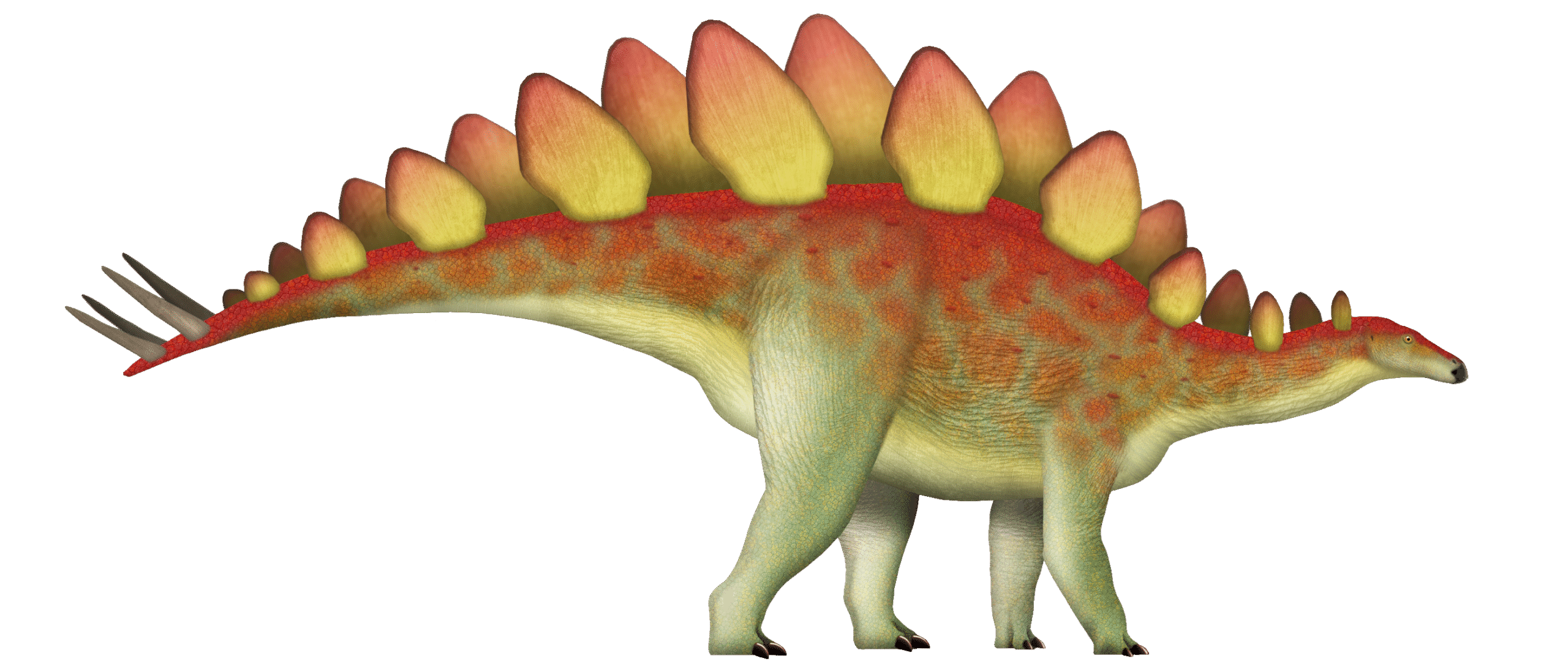
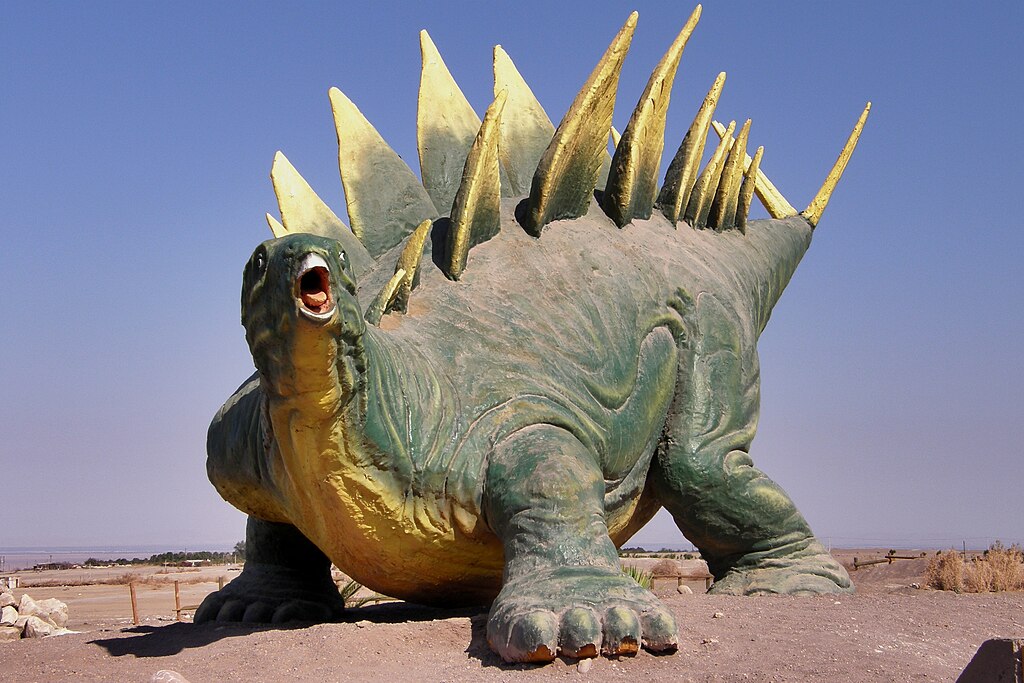
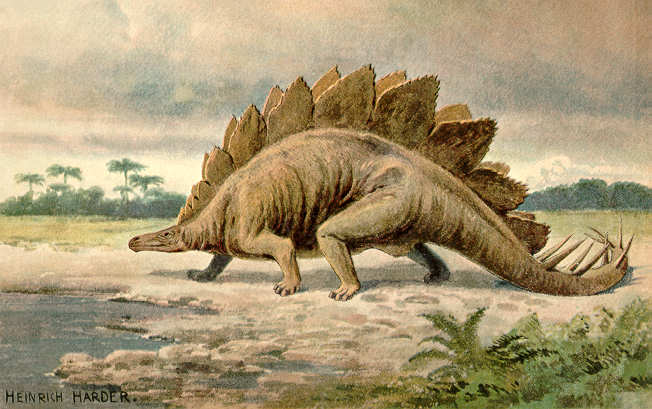
Stegosaurus wasn’t just big—it was a living tank designed for survival. Weighing up to 5 tons and stretching 30 feet from nose to tail, this herbivore had evolved into something resembling a medieval war machine. Its most distinctive feature wasn’t actually its famous back plates, but rather the four lethal spikes at the end of its tail.
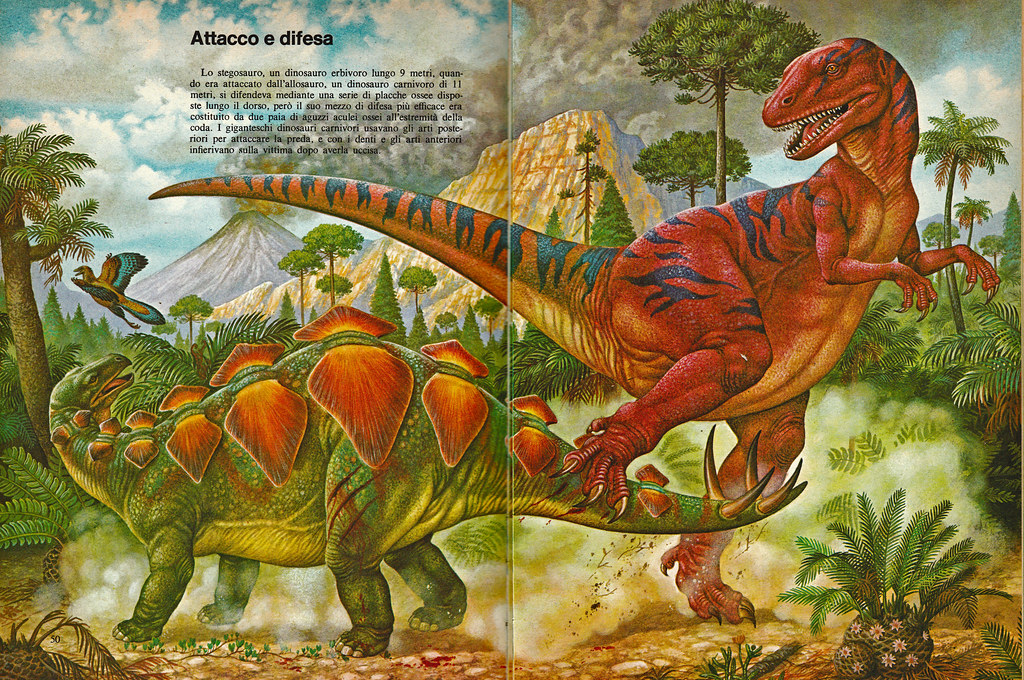
These weren’t decorative ornaments. Each spike, called a “thagomizer” by paleontologists, measured up to 4 feet long and was positioned perfectly to deliver devastating defensive strikes. The tail itself was incredibly muscular and flexible, capable of swinging these spikes with enough force to puncture the skull of a charging predator.
Allosaurus: The Apex Predator
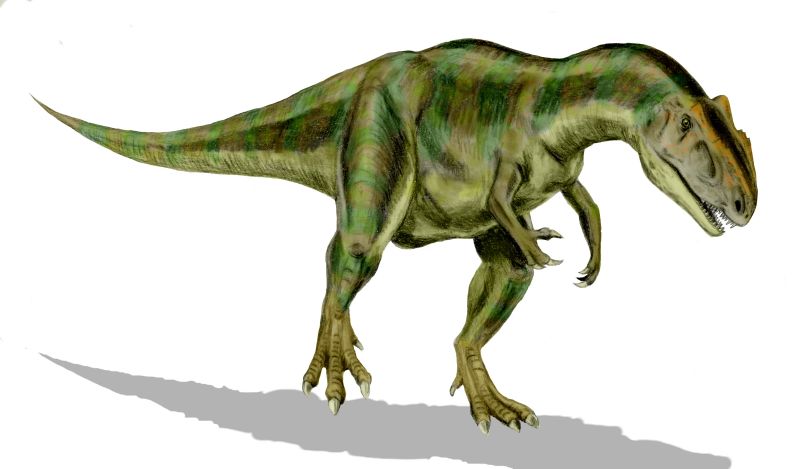
Standing at the top of the Late Jurassic food chain, Allosaurus was everything a perfect predator should be. At 28 feet long and weighing up to 4 tons, it combined size with deadly efficiency. Its skull alone measured over 3 feet long, packed with razor-sharp teeth designed for one purpose: tearing through flesh and bone.
What made Allosaurus truly terrifying wasn’t just its size—it was its bite force. Scientists estimate that this predator could deliver a crushing bite of over 3,000 pounds per square inch. To put that in perspective, that’s roughly equivalent to the weight of a small car pressing down on every square inch of whatever unfortunate creature found itself between those jaws.
The Anatomy of Destruction
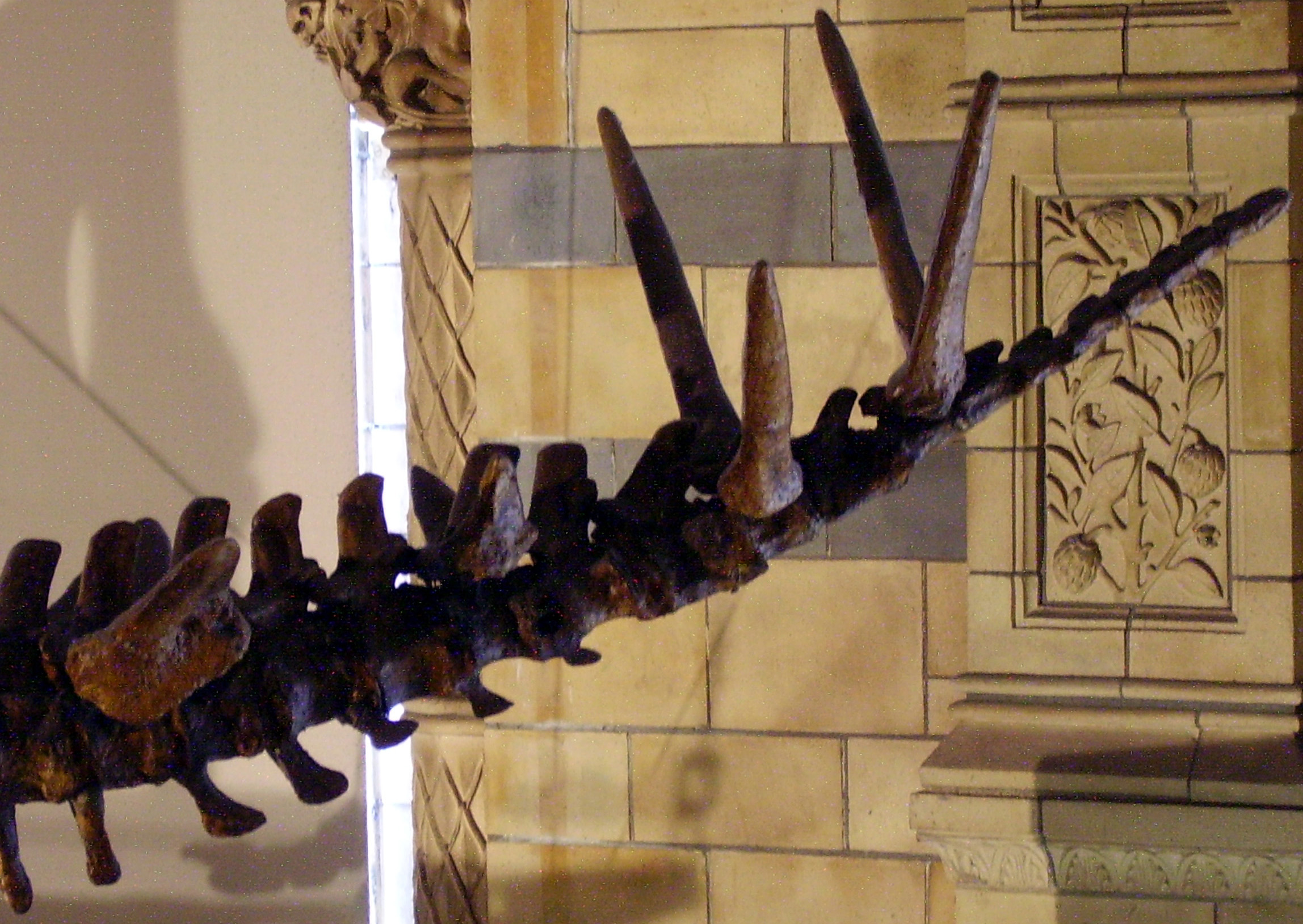
The thagomizer wasn’t just a random evolutionary accident—it was a precision weapon system. Each spike was made of solid bone with a sharp, pointed tip that could penetrate thick hide and muscle. The arrangement of four spikes created a deadly pattern that maximized damage while minimizing the chance of missing a target.
The tail muscles that powered these spikes were enormous, taking up a significant portion of the animal’s body mass. Recent studies suggest that a full-force swing from a Stegosaurus tail could generate impact forces exceeding 16,000 pounds per square inch at the point of contact. That’s enough to shatter bone and cause fatal internal injuries.
Fossil Evidence of Ancient Battles

The most compelling evidence of these prehistoric confrontations comes from actual fossil specimens. In 2009, researchers discovered an Allosaurus vertebra with a puncture wound that perfectly matched the dimensions of a Stegosaurus spike. The injury had partially healed, indicating the predator survived the encounter—at least temporarily.
Even more dramatic is the discovery of Stegosaurus fossils with bite marks from Allosaurus teeth. These fossils tell stories of successful hunts where the predator managed to overcome the herbivore’s defenses. The placement of these bite marks reveals that Allosaurus had learned to target specific vulnerable areas, suggesting these battles were strategic rather than random encounters.
Hunting Strategies and Defensive Tactics

Allosaurus didn’t just charge blindly at its armored prey. Fossil evidence and biomechanical analysis suggest these predators developed sophisticated hunting strategies specifically for dealing with heavily defended herbivores. They likely approached from the front or sides, staying away from the dangerous tail while attempting to reach the vulnerable neck and belly areas.
Stegosaurus, meanwhile, had evolved complementary defensive behaviors. When threatened, it would position itself with its tail toward the predator, using its famous back plates to appear larger and more intimidating. The animal could pivot surprisingly quickly for its size, keeping its deadly tail pointed toward any approaching threat like a prehistoric turret.
The Physics of Prehistoric Combat

Understanding the mechanics of these ancient battles requires diving into the physics of biological warfare. When a Stegosaurus swung its tail, the spikes at the end were moving at tremendous speeds—potentially over 50 miles per hour. The kinetic energy generated by such a massive tail moving at high velocity created devastating impact forces.
Allosaurus, however, had its own physical advantages. Its powerful legs could generate short bursts of speed up to 25 miles per hour, allowing it to close distance quickly and potentially avoid the full force of a tail swing. The predator’s relatively long arms and large claws also provided additional weapons for grappling and holding onto prey.
Evolutionary Arms Race
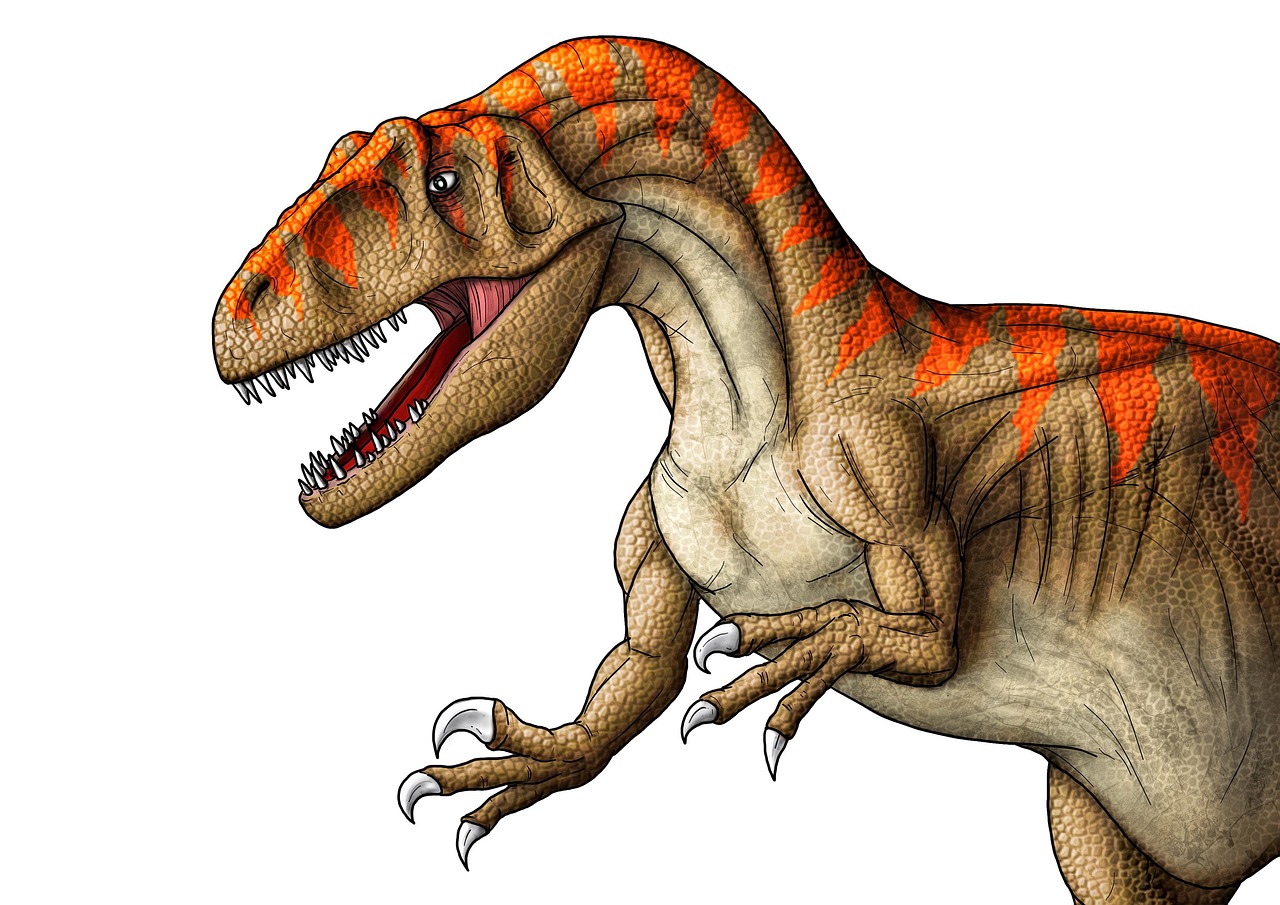
The relationship between these two species represents one of evolution’s clearest examples of an arms race. As Stegosaurus developed better defensive capabilities, Allosaurus evolved more effective hunting strategies and physical adaptations. This constant evolutionary pressure pushed both species to develop increasingly sophisticated survival mechanisms.
Over millions of years, Stegosaurus spikes grew longer and more pointed, while their tail muscles became more powerful. Simultaneously, Allosaurus developed stronger jaws, sharper teeth, and more efficient hunting behaviors. This co-evolution created two of the most specialized combat organisms in Earth’s history.
Modern Comparisons and Understanding
To truly appreciate the intensity of these prehistoric battles, consider modern predator-prey relationships. A lion attacking a cape buffalo involves animals weighing a few hundred pounds. Now imagine scaling that up to creatures weighing multiple tons, armed with weapons that could easily kill a modern elephant.
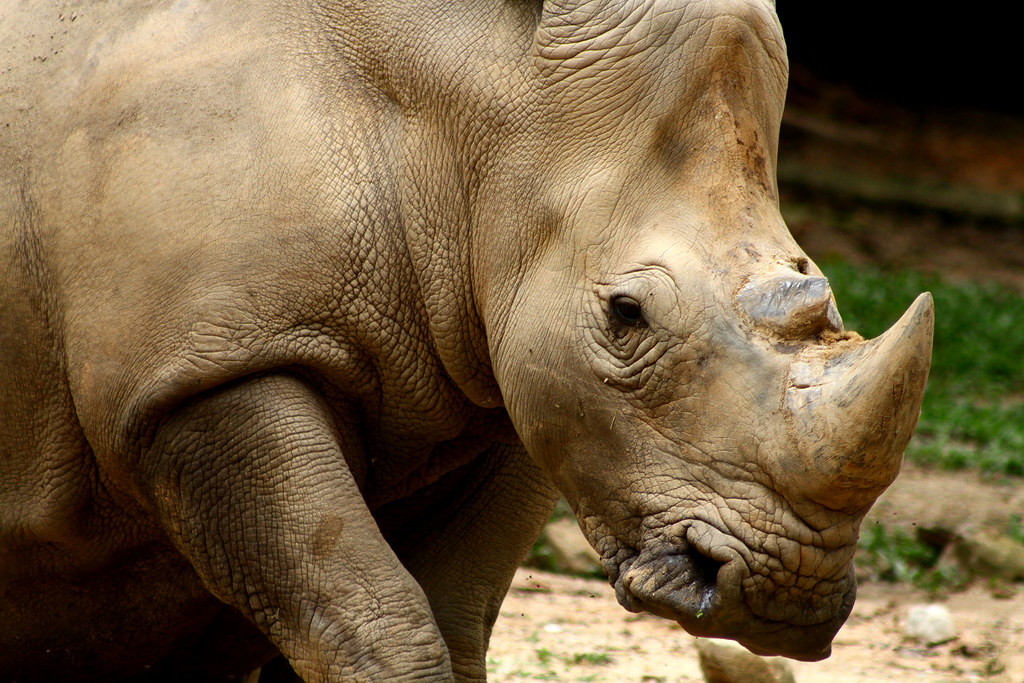
The closest modern equivalent might be a confrontation between a rhinoceros and a large crocodile, but even that comparison falls short. Neither modern animal possesses the specialized combat adaptations that made Stegosaurus and Allosaurus such formidable opponents.
Environmental Factors

The Late Jurassic environment played a crucial role in shaping these confrontations. The Morrison Formation was characterized by seasonal droughts and abundant plant life, creating conditions where herbivores concentrated around water sources. This made them easier targets for predators but also forced them into defensive groupings.
Fossil evidence suggests that Stegosaurus may have traveled in small groups, providing additional protection against predators. Multiple individuals with coordinated tail defenses would have created an almost impenetrable barrier of spikes, making successful hunts extremely challenging for even the most skilled Allosaurus.
The Role of Intelligence
While neither species was particularly intelligent by modern standards, both showed evidence of learned behaviors and strategic thinking. Allosaurus fossils show evidence of pack hunting behavior, with multiple individuals working together to bring down large prey. This suggests a level of coordination and communication that goes beyond simple instinct.
Stegosaurus, despite its small brain, demonstrated sophisticated defensive behaviors. The precise positioning required to effectively use its tail weapon suggests the animal had developed complex motor skills and spatial awareness. These weren’t mindless giants—they were skilled combatants honed by millions of years of evolutionary pressure.
Biomechanical Analysis
Recent computer modeling has revealed just how devastating these prehistoric weapons could be. When researchers simulated a Stegosaurus tail strike hitting an Allosaurus skull, the results were shocking. The impact forces were sufficient to cause fatal brain trauma, even if the spike didn’t penetrate completely through the bone.
Conversely, modeling of Allosaurus bite forces shows that once the predator got its jaws around a vital area, escape was virtually impossible. The combination of crushing force and razor-sharp teeth could sever major blood vessels and cause rapid death through blood loss.
Survival Rates and Success Stories
Not every encounter between these species ended in death. The healed Allosaurus vertebra mentioned earlier proves that some predators survived their encounters with Stegosaurus defenses. This suggests that experienced hunters learned to be more cautious and strategic in their approaches.
Similarly, many Stegosaurus fossils show no evidence of predator damage, indicating that their defensive systems were often successful. The key to survival for both species was likely experience—older, more experienced individuals had better chances of surviving these deadly encounters.
Legacy of Ancient Warfare
The evolutionary legacy of this prehistoric arms race extends far beyond the Late Jurassic period. The defensive strategies developed by Stegosaurus influenced the evolution of later armored herbivores, while the hunting techniques of Allosaurus helped shape the development of future apex predators.
Modern paleontology continues to uncover new evidence of these ancient battles, with each discovery adding to our understanding of how life and death struggles shaped evolution. These weren’t just random encounters—they were the driving force behind some of the most spectacular adaptations in Earth’s history.
Conclusion
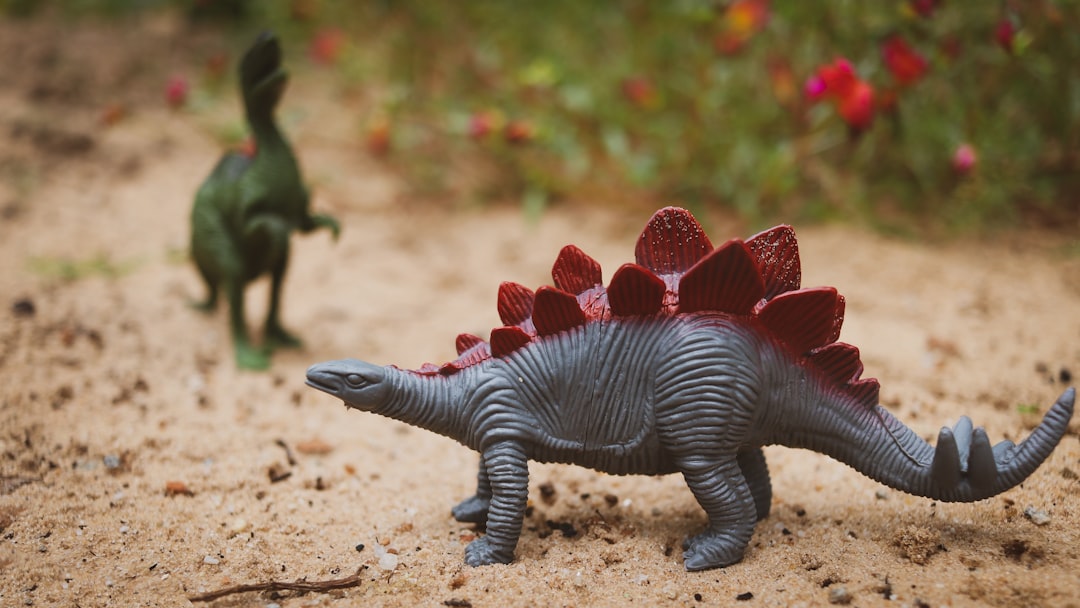
The battles between Stegosaurus and Allosaurus represent more than just prehistoric violence—they showcase evolution’s incredible ability to create specialized weapons and defenses. These encounters shaped two of the most iconic dinosaurs in history, pushing them to develop adaptations that seem almost too incredible to be real.
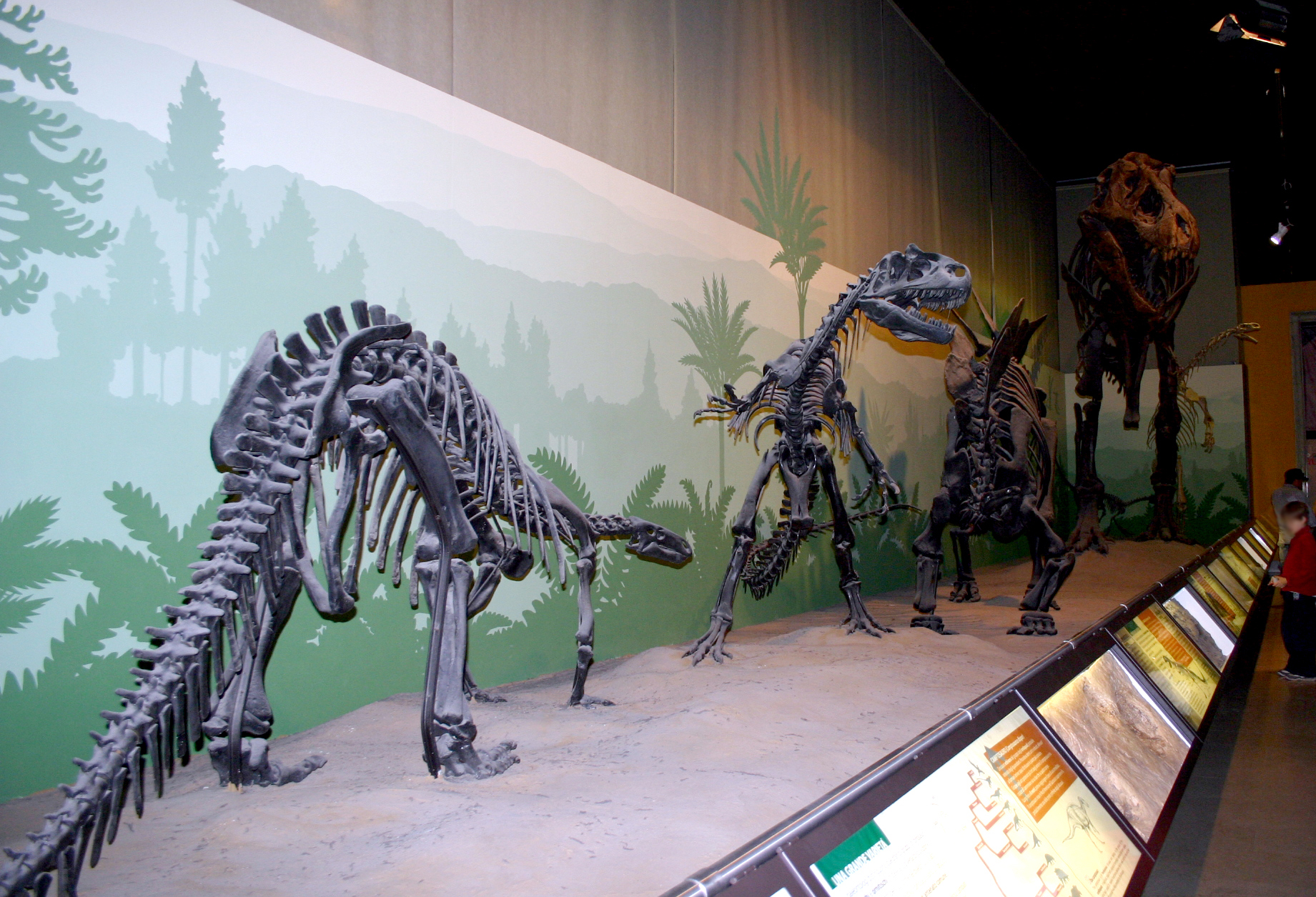
Every fossil discovery adds another chapter to this ancient story of survival, revealing the complex strategies and devastating weapons that defined life in the Late Jurassic. The next time you see a Stegosaurus skeleton in a museum, remember that you’re looking at a battle-tested war machine that fought and won against some of the most fearsome predators ever to walk the Earth.
What other prehistoric battles might have been even more spectacular than this iconic matchup?