A Surprising Board Decision (Image Credits: Media-cldnry.s-nbcnews.com)
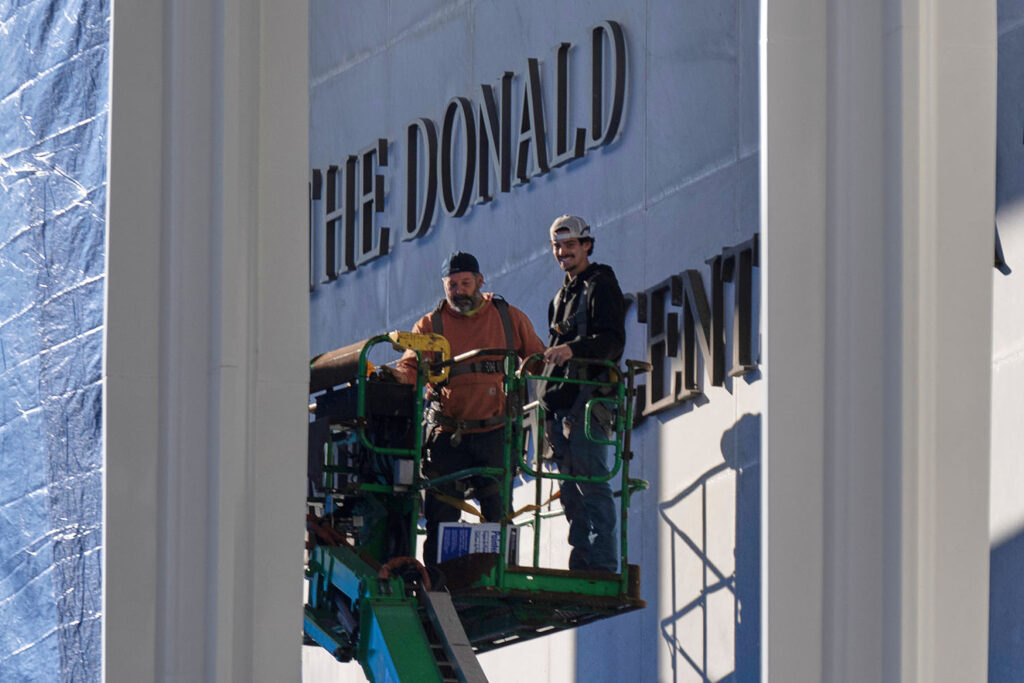
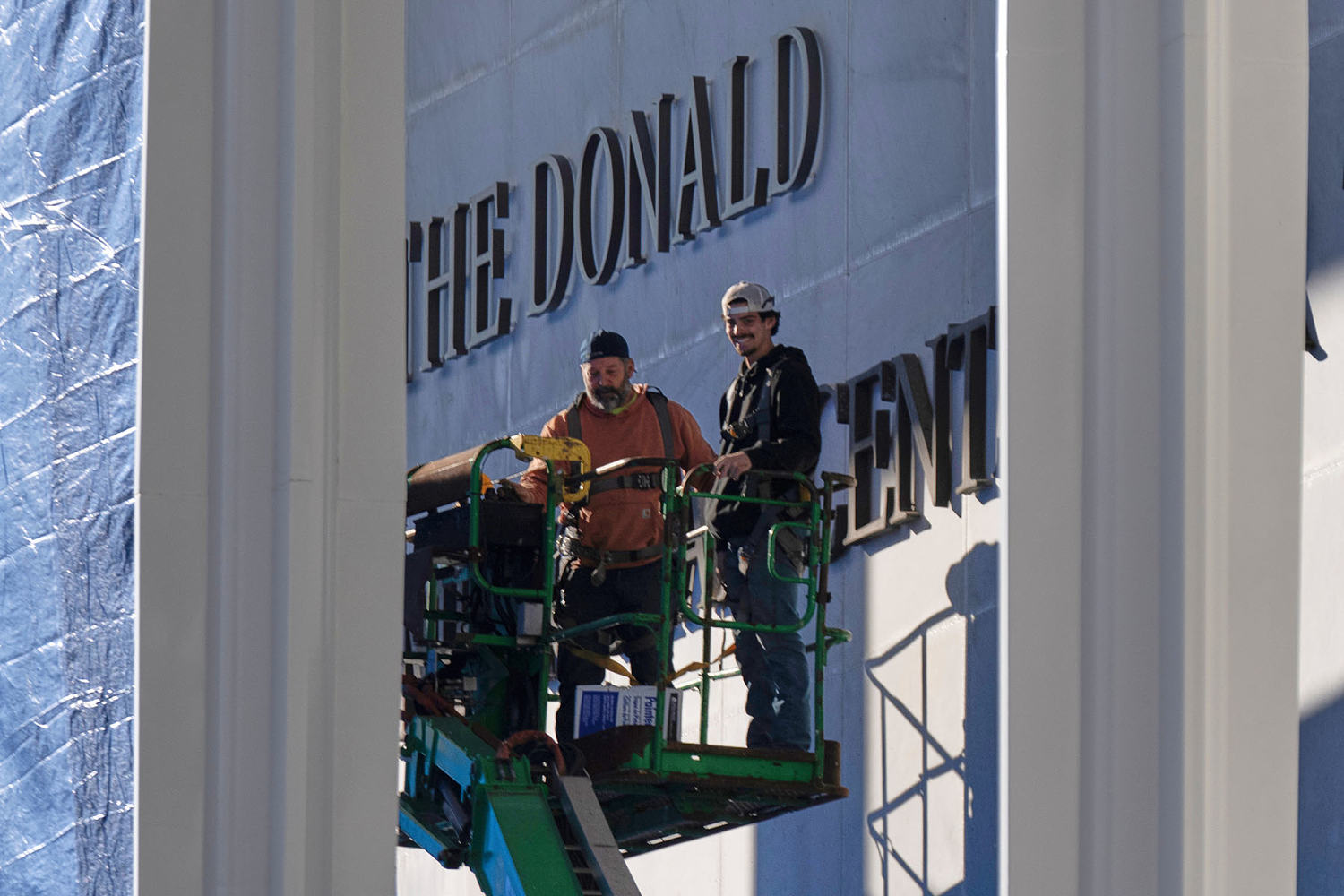
Washington DC – The John F. Kennedy Center for the Performing Arts affixed a new sign reading Trump-Kennedy Center to its exterior on Friday, marking a rapid transformation just one day after a board vote approved the alteration.
A Surprising Board Decision
The board of the Kennedy Center, restructured under President Donald Trump’s administration earlier this year, convened and voted unanimously to incorporate Trump’s name into the institution’s title. This move came shortly after Trump assumed control of the board by dismissing its previous members upon taking office in February. White House Press Secretary Karoline Leavitt announced the decision on social media, highlighting Trump’s contributions to the building’s preservation over the past year. She described the change as a fitting tribute that would elevate the center’s future success alongside the legacy of the late President John F. Kennedy. The vote itself unfolded quickly, catching many observers off guard given the center’s deep historical ties to Kennedy.
Trump addressed the development from the Oval Office on Thursday, expressing surprise at the honor while acknowledging his administration’s efforts to stabilize the venue. Earlier in the month, during the annual Kennedy Center Honors event, Trump had made a lighthearted remark about potentially renaming the facility, which now appears to have foreshadowed the action. The board’s resolution emphasized unity in recognizing both leaders, though details of the internal discussions remain limited. This decision reflects broader patterns of executive influence over cultural institutions during Trump’s tenure. For now, the new signage stands as a visible symbol of that shift.
Immediate Backlash from Key Stakeholders
Members of the Kennedy family and Democratic leaders swiftly condemned the rename, labeling it an overreach that disrespects the center’s founding purpose. The institution, established by Congress in 1958 as a living memorial to President Kennedy, has long symbolized American artistic excellence under his namesake. Critics argued that altering the title undermines this congressional intent without legislative approval. Social media erupted with posts decrying the move as self-aggrandizing, with users pointing to Trump’s history of branding public spaces. The controversy intensified as reports surfaced of muted dissent during the board meeting, where some trustees claimed their input was sidelined.
Arts advocates in Washington DC expressed alarm over the potential erosion of the center’s independence. Performers and staff, already facing challenges from declining ticket sales since the administration’s takeover, worried about further reputational damage. The National Symphony Orchestra, a resident ensemble, has noted emptier halls in recent months, attributing part of the trend to political tensions. Public sentiment, as reflected in online discussions, leaned heavily toward preserving the original name. Yet supporters of the change praised it as a nod to Trump’s revitalization initiatives for the aging structure.
Legal Questions Surrounding the Rename
Experts questioned whether the board’s action holds legal weight, noting that the Kennedy Center’s name is enshrined in federal law passed by Congress. Any formal modification would likely require legislative consent, a process that could stall the change indefinitely. Legal analysts pointed to precedents where presidential appointees attempted similar alterations to national landmarks, often facing court challenges. The affixed sign, while eye-catching, may prove temporary if lawsuits emerge from opponents. For instance, the center’s enabling act specifies it as the “John F. Kennedy Memorial Center,” leaving little room for unilateral tweaks.
Board members aligned with Trump defended the vote as an internal branding update rather than a statutory overhaul. However, watchdog groups called for transparency on the meeting’s proceedings, suspecting procedural irregularities. If challenged, the matter could reach federal courts, testing the boundaries of executive authority over cultural entities. In the interim, the visible rename serves as a provocative statement amid ongoing debates. Observers anticipate that congressional hearings might soon address the issue, given the bipartisan outcry.
Broader Implications for Arts Institutions
The episode underscores tensions between political leadership and cultural preservation in the nation’s capital. Since Trump’s involvement, the Kennedy Center has navigated shifts in programming and funding that some view as ideologically driven. Ticket revenues have dropped noticeably, impacting artists who rely on the venue’s prestige. This rename could exacerbate divisions, deterring donors and audiences sensitive to the controversy. Still, proponents argue it aligns with efforts to modernize the facility, including recent repairs funded through federal allocations.
To outline the timeline of events:
- February 2025: Trump dismisses the existing board upon assuming office.
- December 2025: Trump jokes about a name change at the Honors event.
- Thursday: Board votes to approve the Trump-Kennedy designation.
- Friday: New sign installed on the building’s facade.
- Ongoing: Backlash builds, with calls for congressional review.
Key Takeaways
- The rename highlights Trump’s influence over federal arts bodies but faces legal barriers.
- Public and family opposition centers on honoring Kennedy’s legacy without alteration.
- Declining attendance raises concerns about the center’s financial and cultural future.
As the dust settles on this audacious rebranding, the Kennedy Center stands at a crossroads between tradition and transformation – one that could redefine its role in American culture for years to come. What are your views on balancing presidential legacies with institutional heritage? Share in the comments below.