Kenya’s eastern coast – Small-scale fishers unload daily hauls brimming with threatened species such as scalloped hammerhead sharks and white-spotted guitarfish. Conservation groups point to this practice as emblematic of broader pressures on marine life, where overfishing has depleted shark populations. A newly unveiled 19-goal strategy seeks to reverse these trends by drawing fishers into decision-making and offering sustainable alternatives.
Shark Stocks Plummet Amid Rising Fishing Pressure
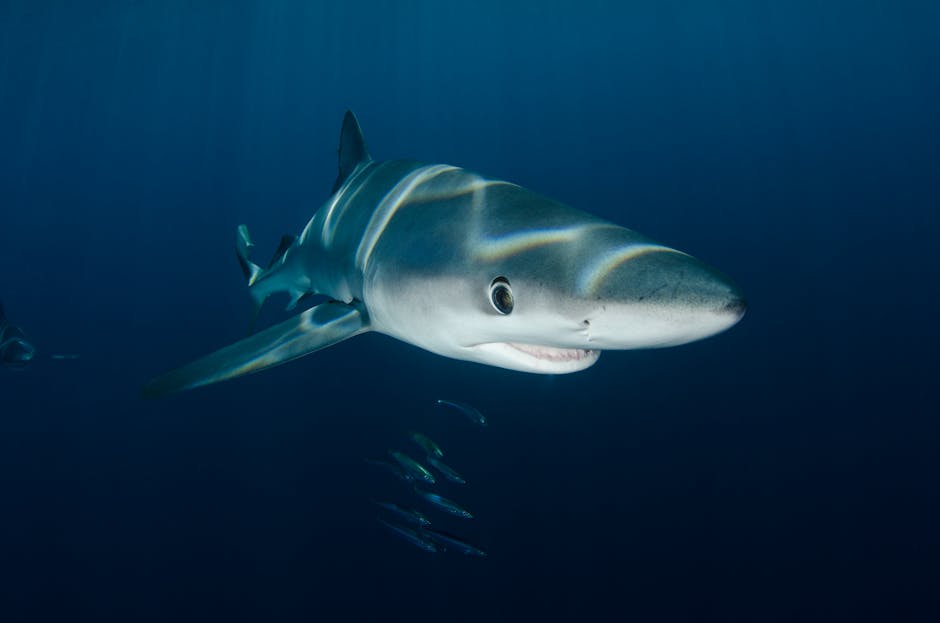
Shark Stocks Plummet Amid Rising Fishing Pressure (Image Credits: Pexels)
Fishers along Kenya’s coast have long relied on gillnets and longlines that inadvertently snare juvenile sharks and rays. In 2022, landings reached 1,080 metric tons of these species, accounting for 4% of all artisanal catches. Nearly 79% of the species brought to shore face extinction risks, with 97% of sharks and 46% of rays landed before reaching maturity. Kenya ranks among the 10 nations with the most depleted coastal shark populations.
Experts attribute the downturn to slow maturation rates and high demand for fins and meat in distant markets. Species like the spinetail devil ray saw its status worsen to critically endangered in 2025. Local fishers in areas such as Kilifi county report fewer sightings, underscoring the urgency for intervention.
Strategy Forged Through Collaboration with Communities
CORDIO East Africa spearheaded the development of the plan, consulting shark fishers across the coastline alongside Kenya Fisheries Service officials and IUCN specialists. The approach builds on Kenya’s National Plan of Action for Sharks, drafted in 2023 but still pending full government endorsement. Participants emphasized consensual planning to ensure buy-in from those most affected.
Said Mote, chairman of the Ngomeni Beach Management Unit, captured the sentiment: “If we are being told to stop using one type of fishing method, give us an alternative.” This fisher-led input shaped goals around gear modifications and livelihood shifts, recognizing that small-scale operations supply up to 75% of fishery products.
Core Actions Target Sustainable Practices
The strategy outlines practical steps to curb bycatch and protect breeding grounds. Fishers will receive training on alternative gear, such as nets with mesh sizes between 10.2 and 15.2 centimeters, alongside seasonal closures in hotspots like Ungwana Bay and the Sabaki area. Expansion of locally managed marine areas (LMMAs) features prominently, building on successes in Wasini, Mkwiro, and Kuruwitu.
- Introduce no-take zones through co-management agreements.
- Promote crab fishing, mariculture, and aquaculture as income sources.
- Map shark habitats to inform spatial protections.
- Enhance financial literacy programs for transitioning fishers.
- Strengthen monitoring via community patrols.
Melita Samoilys, director at CORDIO East Africa, stressed the value of these zones: “You can have areas where there is no fishing at all … the best way to do those is through co-management area legislation.”
Overcoming Enforcement Hurdles
Regulatory gaps persist under the Fisheries Act and Wildlife Conservation and Management Act, complicating juvenile protections and species bans. Community enforcers often hesitate due to familial ties, as noted by Benedict Kiilu of the Kenya Fisheries Service: “They still have this ‘clanic’ way of approaching things … how do I enforce the laws on him?” The plan calls for joint efforts with the Kenya Wildlife Service and Coast Guard to clarify rules and boost patrols.
Sensitization campaigns aim to shift attitudes, while data collection will track progress. Charles Makio of Bahari Hai warned that education alone falls short: “We can educate a fisher until he knows every detail of shark biology, but if he lacks a different way to make a living, he remains stuck in a cycle of overexploitation.”
Path Forward Hinges on Swift Implementation
Rhett Bennett of the IUCN Shark Specialist Group cautioned that success depends on execution: “The power of the strategy will be defined by how well it is implemented, and the will of all stakeholders.” Immediate priorities include awareness drives and livelihood pilots. Full rollout could transform Kenya’s waters, safeguarding species like the endangered whale shark that frequent the region.
Key Takeaways
- Kenya’s sharks face severe depletion, with most landings immature and threatened.
- The 19-goal plan empowers fishers through alternatives and co-management.
- Success requires bridging enforcement gaps and providing viable livelihoods.
This collaborative blueprint offers hope for marine ecosystems intertwined with coastal communities. As implementation unfolds, it could set a model for the Western Indian Ocean. What do you think about this approach? Tell us in the comments.