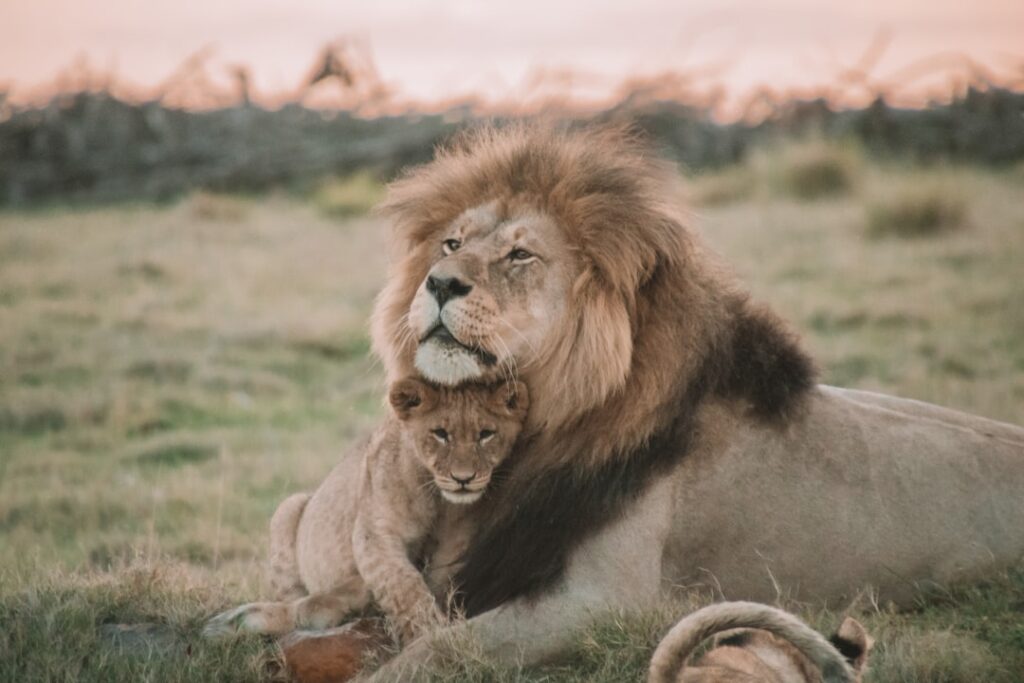
Minnesota — A young African lion cub named Kiros has found his way back to the family he lost years ago. Stolen from a rundown roadside zoo in Quebec, he endured the uncertainties of the illegal pet trade before rescuers intervened. At The Wildcat Sanctuary, Kiros now shares space near his parents, Kim and Carl, in a story that underscores the vital role of dedicated animal care facilities.
A Daring Theft from Substandard Conditions
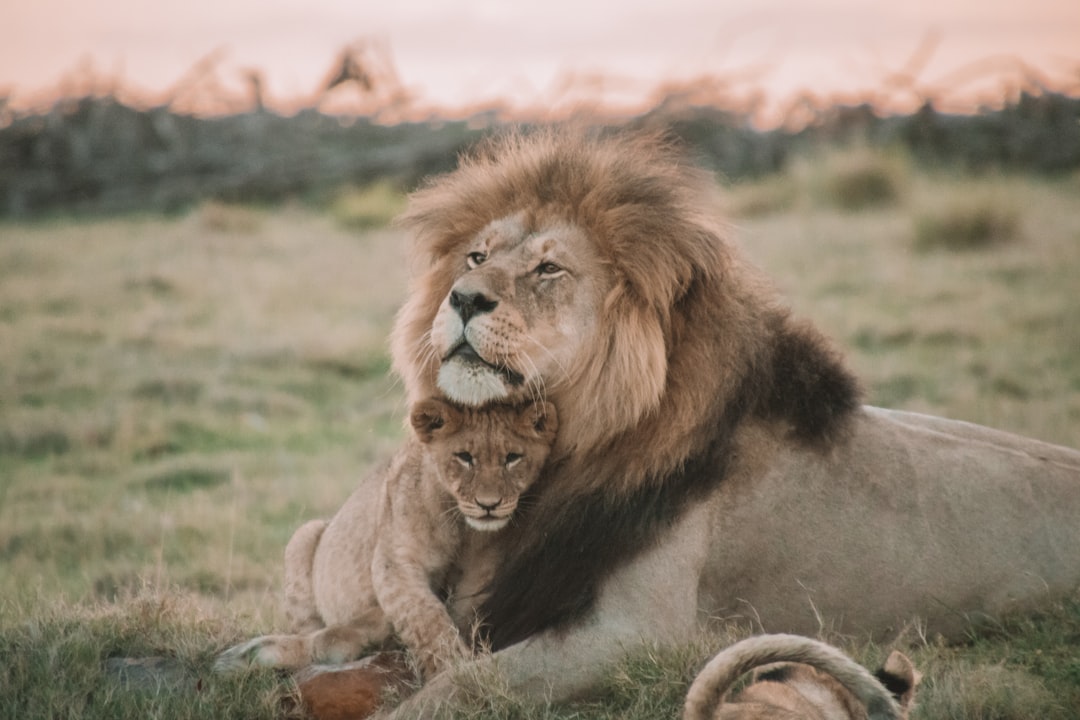
A Daring Theft from Substandard Conditions (Image Credits: Unsplash)
Authorities discovered nine lions living in dire circumstances at a roadside zoo in Quebec. The animals faced cramped enclosures, poor veterinary attention, and constant stress from public encounters. Among them were Kim and Carl, parents to a cub who vanished early in life. Staff at the facility soon learned the cub had been taken and sold off.
The Wildcat Sanctuary in Minnesota stepped in during 2021 to relocate Kim, Carl, and the other lions. This move offered them expansive habitats mimicking their natural environment. Rescuers hoped the parents would thrive, unaware their offspring faced a far grimmer path. The incident exposed the harsh realities of such roadside operations.
Navigating the Chaos of Illegal Trade
Kiros entered a shadowy world after his removal from the zoo. Buyers in the pet trade shuttled him between locations without documentation or care. African lions, already critically endangered, suffer greatly in these circuits, treated as mere commodities. Frequent handling left the cub vulnerable to health risks and instability.
Officials eventually seized Kiros amid broader investigations. They placed him temporarily at an accredited zoo, where he received the name meaning “lord.” Records and images from Quebec matched his profile perfectly. Yet his true identity remained hidden until a pivotal connection emerged.
The Moment of Recognition
A routine call from authorities changed everything for sanctuary staff. They shared details about a lion cub matching the description of Kim and Carl’s missing offspring. Quick comparisons of photos and histories confirmed the link. Excitement built as preparations began for his transfer.
Securing international permits proved essential for the cross-border move. Logistics teams coordinated the 2,000-mile journey from the temporary zoo to Minnesota. Kiros arrived ready to explore his new surroundings. His calm curiosity impressed caregivers from the start.
Building Bonds in a New Habitat
The sanctuary designed Kiros’s enclosure to stimulate natural behaviors, complete with climbing structures and open spaces. He quickly adapted, showing a hearty appetite and steady confidence. Proximity to other lions, including his half-sister Mango, allowed initial sensory interactions. Staff monitored these exchanges closely to ensure low stress.
Direct meetings with Kim and Carl require careful planning for safety. The parents reside nearby, enabling Kiros to hear their calls and scents. Tammy Thies, founder and executive director of The Wildcat Sanctuary, noted, “his story highlights the cruelty of both roadside zoos and the illegal pet trade.” Progress offers hope for lasting family ties.
Rescuers followed these key steps to make the reunion possible:
- Rescued parents from Quebec zoo in 2021.
- Seized cub from pet trade network.
- Verified identity through records and photos.
- Transported over 2,000 miles with permits.
- Placed in adjacent habitats for gradual bonding.
Key Takeaways
- Roadside zoos and pet trade inflict lasting harm on endangered species like African lions.
- Collaboration between sanctuaries, zoos, and authorities drives successful rescues.
- Patient rehabilitation fosters natural behaviors and family reconnection.
This rare reunion at The Wildcat Sanctuary demonstrates the impact of persistent conservation efforts. Kiros’s journey from theft to safety inspires action against exploitative practices. Supporters can help similar causes through ethical wildlife organizations. What do you think about this heartwarming story? Share in the comments.