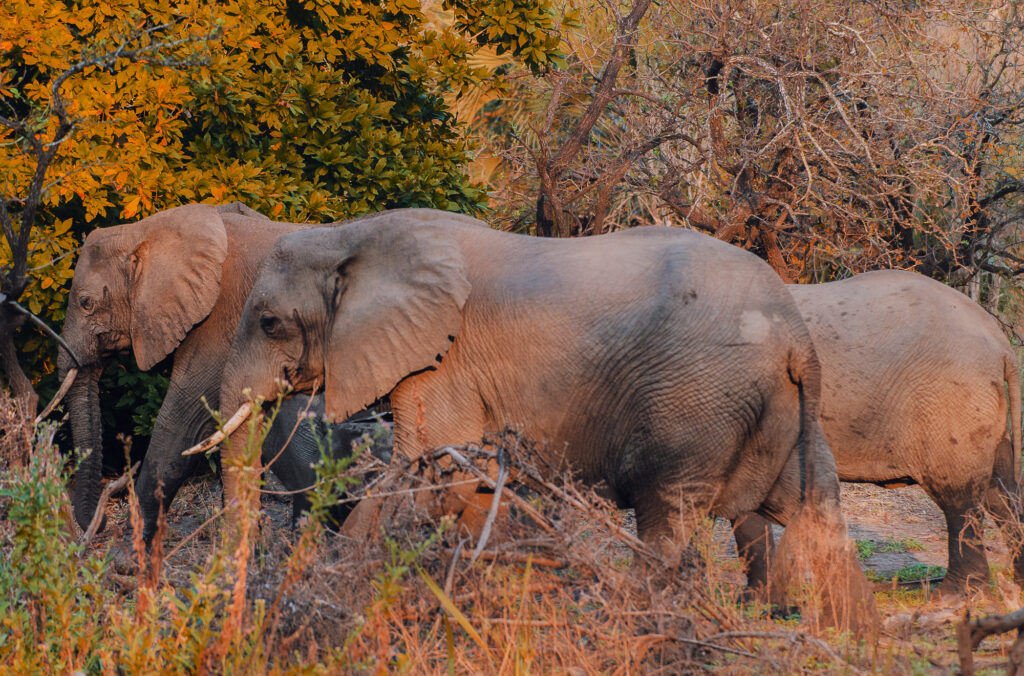
Kruger National Park – Concerns over dwindling marula trees have fueled heated discussions on elephant management, with some urging reductions in their numbers to protect the landscape.
Intuitive Blame Oversimplifies Savanna Dynamics
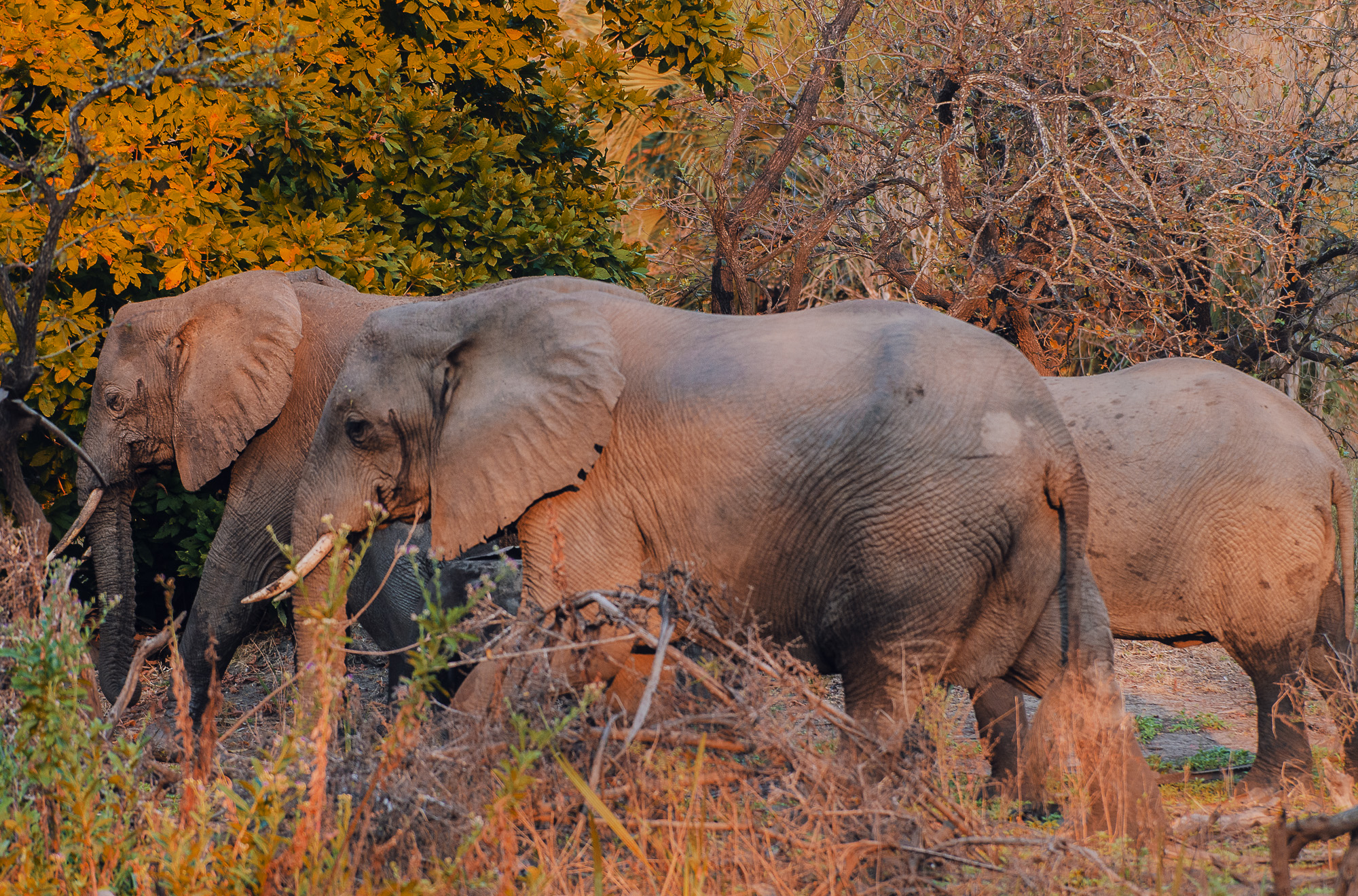
Intuitive Blame Oversimplifies Savanna Dynamics (Image Credits: Upload.wikimedia.org)
Visitors to Kruger often witness elephants toppling or stripping marula trees, leading to an immediate conclusion: too many elephants spell disaster for the park’s vegetation. This view gained traction in a recent opinion piece, which linked damaged trees directly to overabundant elephants. Yet experts like conservation ecologists Dave Balfour and Sam Ferreira argue this logic falters under scrutiny.
Elephant impacts vary widely by context. A solitary bull lingering in one area might devastate local trees more than a swift-moving herd. Seasonal shifts also play a role, as elephants favor grasses during wet periods when they prove more nutritious and accessible.
Multiple Factors Drive Marula Declines
Marula trees face threats beyond tusks and trunks. Mature stands in Kruger, which grew as a single cohort decades ago, now succumb to natural senescence alongside events like droughts, floods, high winds, and fires. Elephant activity often coincides with these deaths but does not always cause them.
Historical records show marula losses persisted before intensive elephant culling began in the 1960s and continued through that era. Other herbivores contribute to browsing pressure, while soil quality and rainfall patterns influence tree vigor across the park.
- Droughts weaken root systems, hastening die-off.
- Fires scorch bark and limit regeneration.
- Floods erode habitats near rivers.
- Cohort aging leads to synchronized mortality.
- Elephant browsing accelerates vulnerable trees’ decline.
Kruger’s Shifting Management Reveals Key Lessons
From the late 1960s to the mid-1990s, park authorities culled elephants to maintain around 7,000 individuals, alongside interventions like buffalo and hippo reductions, uniform fire regimes, and artificial water points. These measures coincided with drops in species such as roan antelope, which nearly vanished. Vulture numbers fluctuated, hampered more by human-related poisoning than elephant scavenging.
Changes since the 1990s – halting culls, closing some water points, varying fire patterns, and opening one-third of boundaries – sparked recoveries in most large mammals, except rhinos affected by poaching. Elephants roam regionally through the Great Limpopo Transfrontier Conservation Area, linking Kruger to neighboring countries and preventing isolated overpopulation.
| Era | Elephant Management | Other Species Trends |
|---|---|---|
| 1960s-1990s | Culling to ~7,000 | Declines (e.g., roan antelope) |
| Post-1990s | No culls, open boundaries | Recoveries in most mammals |
Embracing Complexity Over Crude Counts
Scientific reviews highlight weak correlations between elephant densities and broad biodiversity losses. Impacts prove context-specific, shaped by behavior, co-occurring herbivores, and environmental cues rather than sheer numbers alone. Blanket reductions risk disrupting ecosystem processes like nutrient cycling and seed dispersal that elephants facilitate as key engineers.
Conservationists urge a shift: Instead of fixating on “the right number,” managers should pinpoint detrimental hotspots and their drivers. This functional approach prioritizes resilience in savannas, accepting patchy dynamics over a static, tourist-friendly vista.
Key Takeaways
- Tree damage stems from intertwined factors, not elephants alone.
- Past culls failed to halt marula declines and harmed other wildlife.
- Focus on ecological processes builds long-term park health.
Kruger thrives when guided by rigorous ecology rather than knee-jerk reactions, fostering a vibrant mosaic that sustains diverse life. What are your thoughts on balancing elephants and trees in such iconic spaces? Share in the comments.