La Niña Takes Hold Amid Evolving Patterns (Image Credits: Upload.wikimedia.org)
Pacific Northwest – As La Niña conditions persist into early 2026, residents and outdoor enthusiasts anticipate a season marked by cooler temperatures and increased snowfall across the region’s mountainous areas.
La Niña Takes Hold Amid Evolving Patterns
Federal forecasters at the National Oceanic and Atmospheric Administration confirmed the onset of La Niña in October 2025, with sea surface temperatures in the central equatorial Pacific running 0.5 to 0.9 degrees Celsius below average. This weak to moderate event has shaped weather dynamics since late summer, steering storm tracks and influencing jet stream behavior. Scientists noted that such cooler waters suppress convection over the Pacific, often leading to a more active storm pattern in northern latitudes.
The pattern’s strength has remained consistent through December, but recent updates suggest a gradual weakening. By January 2026, probabilities indicate a 68 percent chance of transition to neutral conditions by March. This shift could temper some of La Niña’s more pronounced effects as the season progresses, though its influence lingers through the core winter months.
Regional Weather Shifts Under La Niña
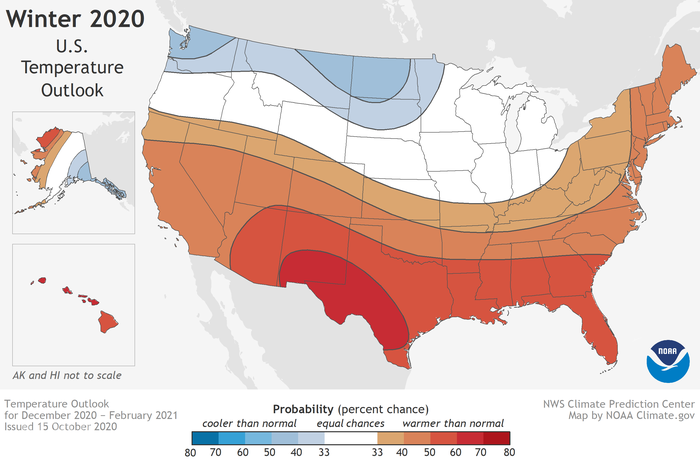
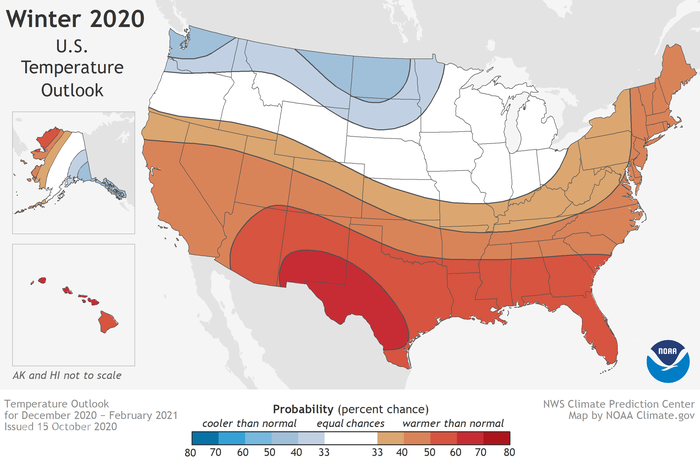
In the Pacific Northwest, La Niña typically ushers in cooler-than-average temperatures and above-normal precipitation, particularly from December through February. Historical data shows that during similar events, the area experiences a northward bulge in the jet stream, funneling more moisture toward Washington and Oregon. This setup contrasts with drier conditions in the Southwest, where drought risks intensify.
Early winter observations aligned with these trends, as polar vortex disruptions allowed cold air to dip southward, enhancing snow chances in the Cascades. The European Centre for Medium-Range Weather Forecasts projected wetter conditions for January through March, with near-normal temperatures in western Washington and Oregon. NOAA’s outlook reinforced this, calling for colder and wetter weather overall, which bodes well for replenishing water resources strained by previous dry spells.
Snowpack Outlook for Key Areas
Snow enthusiasts will find encouragement in La Niña’s track record for boosting snowpack in the Northwest. Analysis from the Northwest Avalanche Center revealed that during all La Niña winters, January through March snow levels at higher elevations exceed norms by a noticeable margin. For weak events like the current one, projections point to slightly above-average accumulation across major Cascade sites.
Specific locales show varied responses based on past weak La Niña seasons:
- Mission Ridge and Timberline: Modestly higher snowfall totals.
- Mount Baker, Paradise, and Snoqualmie Pass: Near-normal but reliable coverage.
- Overall Cascades: Enhanced pack development, reducing summer water shortage concerns.
These patterns suggest a solid base for skiing and a buffer against low reservoir levels heading into spring. Unlike stronger La Niña years, which deliver dramatic dumps, this milder version promises steady buildup without extreme variability.
Navigating the Transition and Beyond
As La Niña fades toward neutral by late winter, forecasters anticipate a potential easing of cold outbreaks, though lingering effects could sustain wetter patterns into early spring. The Climate Prediction Center highlighted a 61 percent likelihood of neutral conditions dominating January through March, with no immediate return to El Niño. This evolution might introduce more unpredictability, as neutral phases often blend influences from multiple climate drivers.
Communities preparing for flood risks or drought relief should monitor updates closely. Enhanced snowpack not only supports recreation but also ensures healthier river flows later in the year. With the polar vortex occasionally amplifying La Niña’s chill, winter sports operators reported optimistic openings despite the event’s moderate intensity.
Key Takeaways
- La Niña remains active through February 2026, favoring cooler and wetter conditions in the Northwest.
- Snowpack in the Cascades is likely to build above average, benefiting water supply and winter activities.
- A shift to neutral ENSO by spring could moderate extremes, but early gains should persist.
La Niña’s subtle push toward a snowier winter offers relief for a region long attuned to variable climates, setting the stage for a resilient spring. How might these patterns affect your plans this season? Share your thoughts in the comments.