São Pedro e São Paulo Archipelago, Brazil – Traces of DDT and PCBs turned up in brown boobies on this remote cluster of rocks 1,000 kilometers northeast of the mainland, decades after Brazil prohibited the chemicals.
Contamination Defies Geographic Isolation
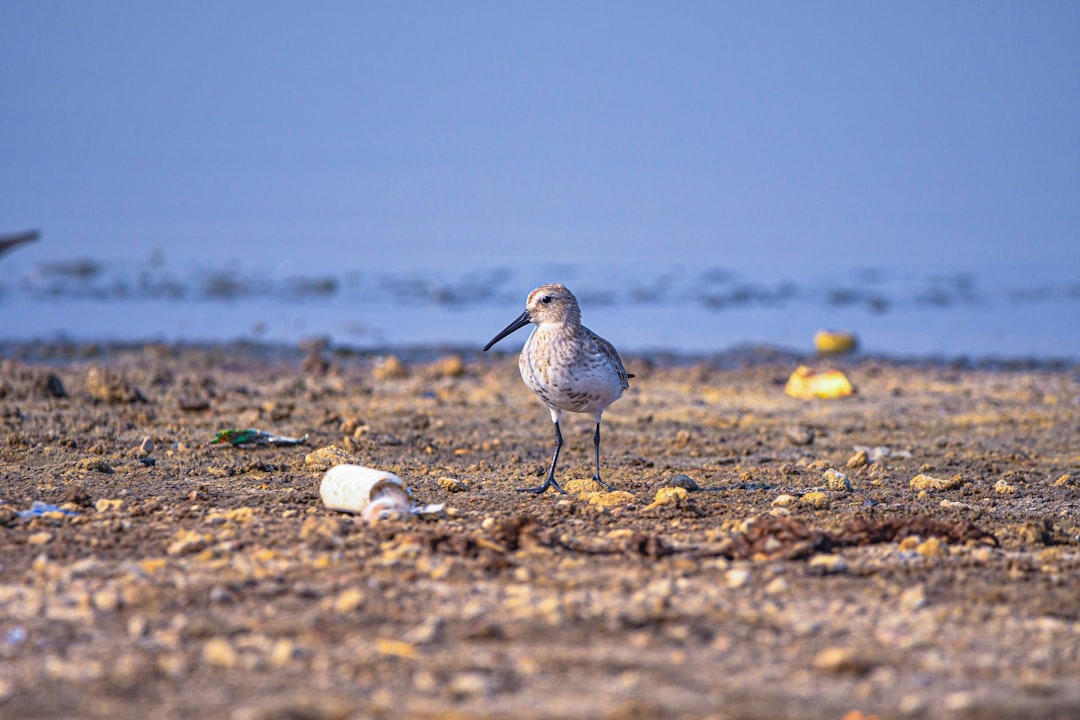
Contamination Defies Geographic Isolation (Image Credits: Unsplash)
Researchers analyzed blood samples from resident brown boobies, or Sula leucogaster, in the São Pedro e São Paulo Archipelago off Rio Grande do Norte. The findings revealed persistent organic pollutants, including long-banned DDT and industrial PCBs, even in this area far removed from human settlements. Lead author Janeide de Assis Guilherme Padilha, from the University of Minho in Portugal, conducted part of the work during postdoctoral studies at the Oceanographic Institute of the University of São Paulo.
The team also examined liver samples from six migratory seabird species washed ashore on the coast of Rio Grande do Sul. Surprisingly, concentrations of certain pollutants like DDT and mirex showed similarity across birds with varied diets. Great shearwaters emerged with elevated levels of PCBs and mirex, defying expectations that larger species like albatrosses would top the list.
The Grasshopper Effect Carries Dangers Far and Wide
DDT faced a ban in Brazil for agricultural use in 1985 and fully in 2009 after the Stockholm Convention targeted mosquito control. PCBs, once common in electrical equipment, also fell under prohibition. Yet these legacy pollutants endure through atmospheric transport known as the grasshopper effect.
“Even if they haven’t been used in a particular area, organic pollutants suffer from the grasshopper effect,” Padilha explained. “In this phenomenon, they evaporate in the heat and condense again in the cold. As a result, they migrate through the air from the low latitudes of the tropics toward the polar regions.” This mechanism explains how toxins reach even pristine marine environments.
Threats to Seabird Health and Reproduction
These pollutants accumulate in tissues like livers, where low metabolism allows prolonged retention, or circulate in blood. In seabirds, POPs pass from mothers to eggs, causing thinning shells that crack under incubation weight—a problem that once ravaged populations like bald eagles.
- DDT: Linked to eggshell thinning and bird die-offs historically.
- PCBs: Disrupt endocrine systems and development.
- Mirex: A banned insecticide persisting in food chains.
- Great shearwaters: Showed highest PCB and mirex averages, possibly from migratory paths through contaminated waters.
Migratory routes and prey choices amplify exposure for species like great shearwaters (Ardenna gravis).
Expanding Probes into Ocean Pollutants
The study, published in Environmental Monitoring and Assessment, highlights Brazil’s South Atlantic hotspots. Collaborators included Maria Virginia Petry from the University of Vale do Rio dos Sinos. Earlier work on brown boobies from sites like Abrolhos and Cagarras Islands revealed varying contamination profiles tied to local diets and proximity to urban areas.
Current efforts extend to plastic pollution, as seabirds mistake debris for food. Padilha noted observations of items like toothbrushes in nests, potentially carrying additional POPs such as flame retardants. “We suspect that some colors are associated with certain foods, which could be causing these birds to ingest pieces of plastic,” she said.
Key Takeaways
- Banned DDT and PCBs contaminate even remote brown boobies via air and ocean transport.
- Similar POP levels across seabird species challenge assumptions about diet and size.
- Reproductive risks persist, underscoring the need for global monitoring.
As legacy chemicals continue to cycle through ecosystems, this research calls for renewed vigilance in marine conservation. Stronger international controls could curb further spread. What steps should Brazil take next to protect its seabirds? Share your thoughts in the comments.