When you think about the most terrifying predators that ever existed, your mind might drift to T-Rex or Velociraptor. But while dinosaurs dominated the land, something far more sinister was ruling the ancient oceans. For nearly 200 million years, colossal marine reptiles that we now call “sea dragons” reigned supreme in waters that covered much of our planet. These weren’t gentle giants – they were apex predators with massive skulls, razor-sharp teeth, and a hunger that could only be satisfied by devouring everything from sharks to their own kind.
The Dawn of Marine Terror
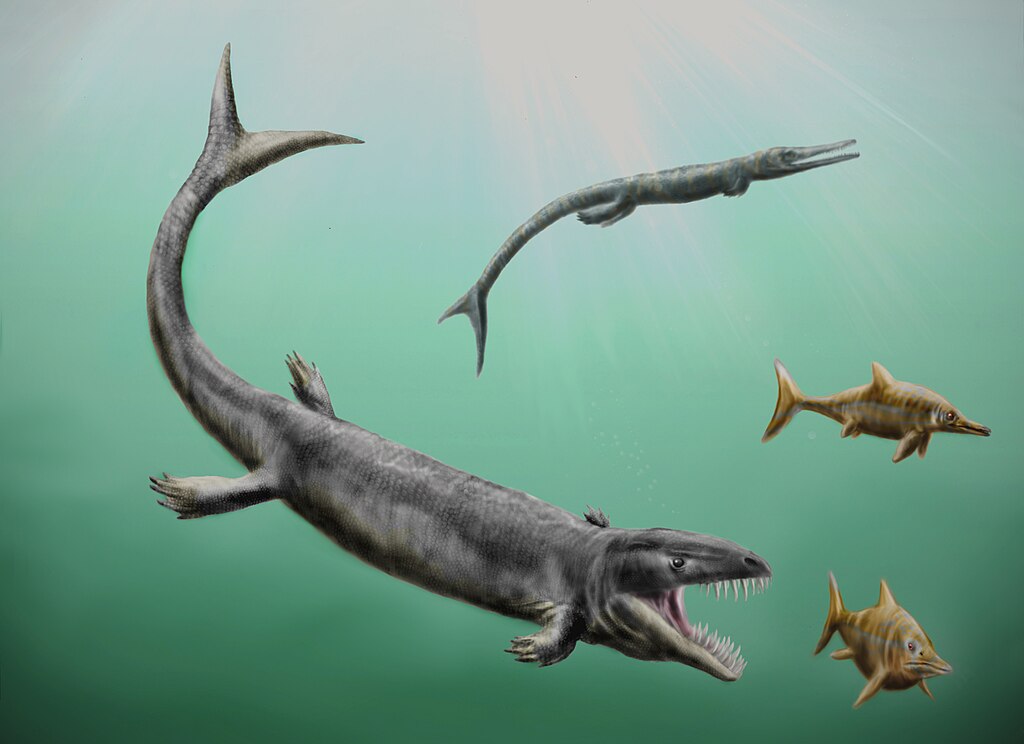
The story begins in the Triassic period, roughly 250 million years ago, when the first ichthyosaurs slipped into ancient seas. Ichthyosaurs, sometimes called ‘sea dragons,’ met their demise during a brief period of intense change about 93-94 million years ago, but before that happened, they ruled the waves for an incredible 157 million years. These early marine monsters looked remarkably similar to modern dolphins, yet they were reptiles through and through.
What made these creatures so successful wasn’t just their size – though some reached lengths of over 80 feet. It was their incredible adaptation to ocean life that allowed them to dominate ecosystems in ways that modern marine predators can only dream of. The prehistoric oceans and shallow seas that covered most of present-day North America and Europe were rife with such now-extinct monsters, creating a world where being small meant certain death.
Giants with Teeth Like Swords
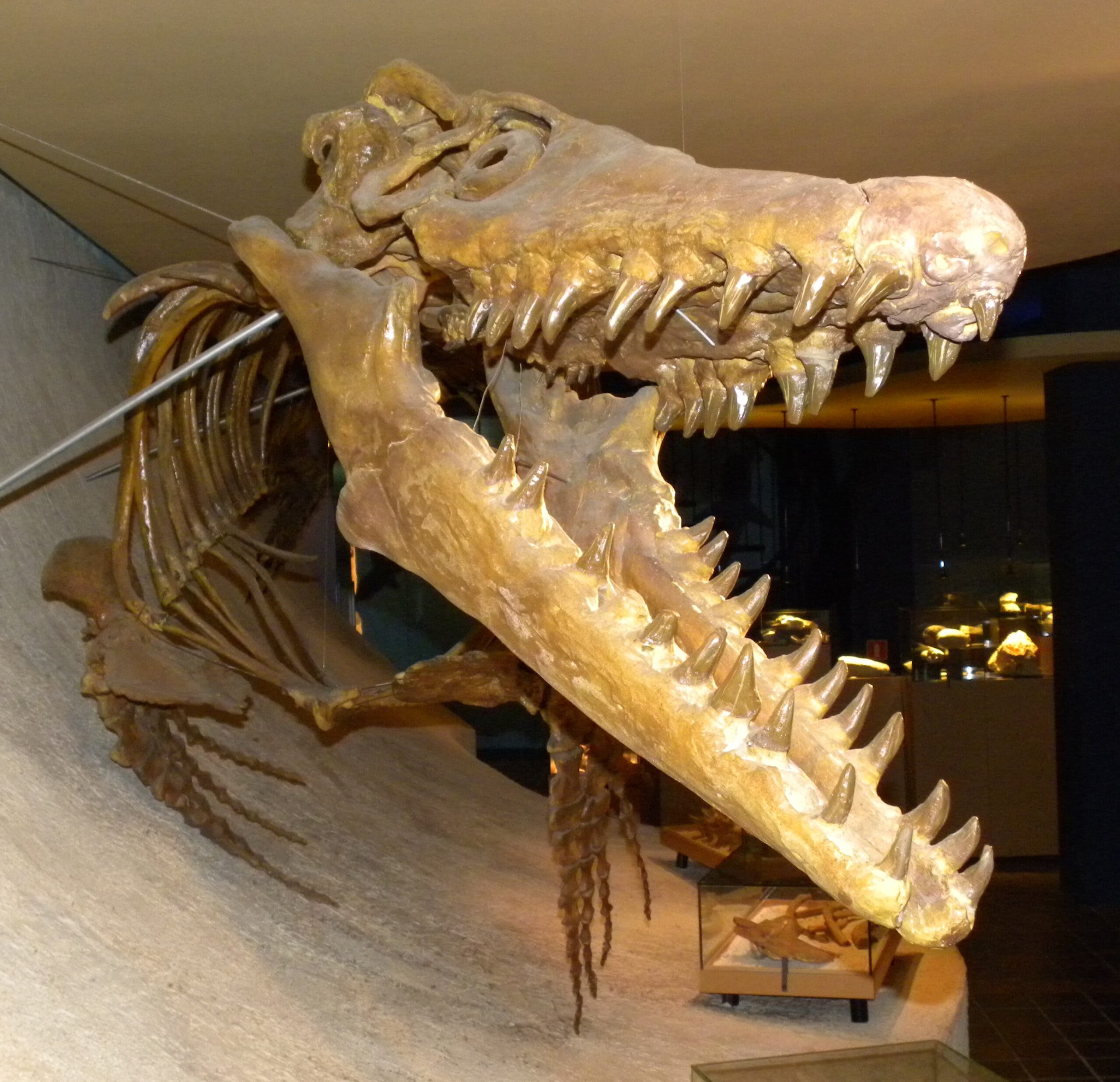
Imagine encountering a creature with seventy-foot dragons with foot-long serrated teeth. This wasn’t science fiction – this was reality in the Mesozoic seas. The largest of these predators made today’s great white sharks look like minnows. Modern-day sharks are anchovies compared to the monstrous great reptiles of prehistoric seas, most of which were bigger, faster, more powerful, omnivorous, and better armed.
The variety of these sea dragons was staggering. Some had long, serpentine necks that could stretch six meters, allowing them to strike prey from impossible angles. Others had massive, crocodile-like heads that could crush the shells of giant ammonites – spiral-shelled creatures that grew larger than truck tires.
The Ichthyosaurs: Dolphin-Shaped Killers
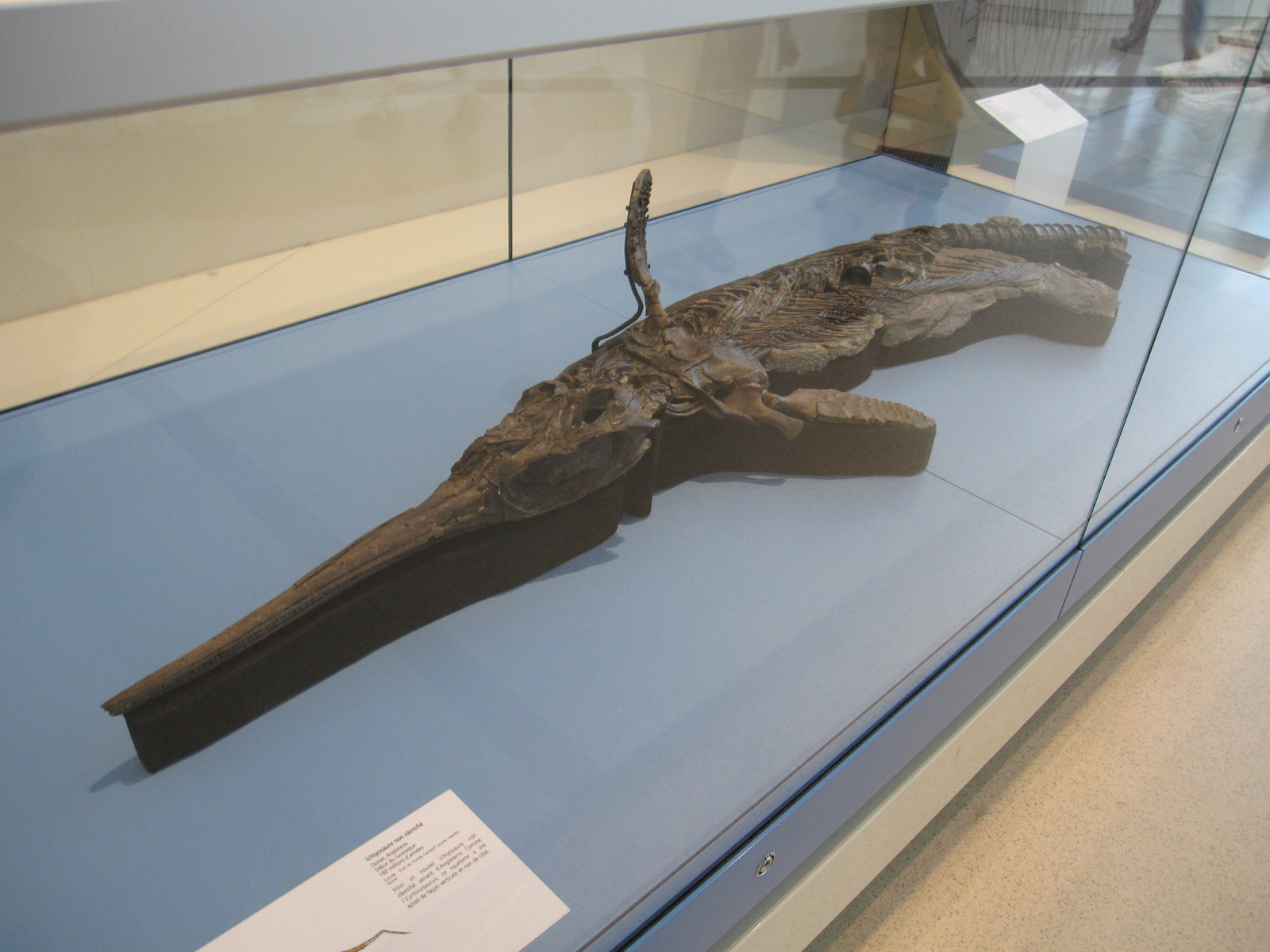
The ichthyosaurs, looking a lot like dolphins and most docile of the group, first appeared about 250 million years ago, but don’t let that “docile” description fool you. These were precision-built killing machines that could reach speeds that would make modern dolphins jealous. Their streamlined bodies and powerful tails allowed them to pursue the fastest prey in ancient seas.
What’s truly remarkable is how perfectly adapted they were to their environment. Before their extinction, ichthyosaur species were highly diverse, both in terms of body shape and ecological niche. Some specialized in hunting small fish, while others grew large enough to take on marine reptiles their own size. The largest ichthyosaurs discovered measure an astounding 26 meters long – nearly twice the length of a school bus.
Plesiosaurs: The Long-Necked Nightmares
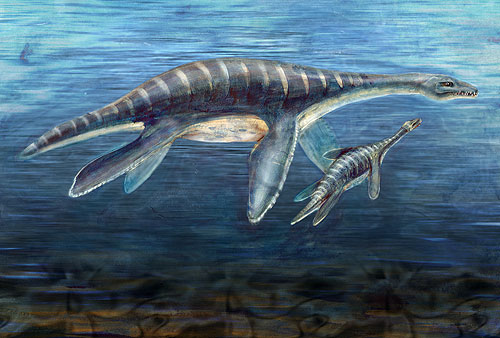
Plesiosaurs first appeared in the latest Triassic Period, possibly in the Rhaetian stage, about 203 million years ago. They became especially common during the Jurassic Period, thriving until their disappearance due to the Cretaceous–Paleogene extinction event at the end of the Cretaceous Period, about 66 million years ago. These were the creatures that likely inspired every sea monster legend you’ve ever heard.
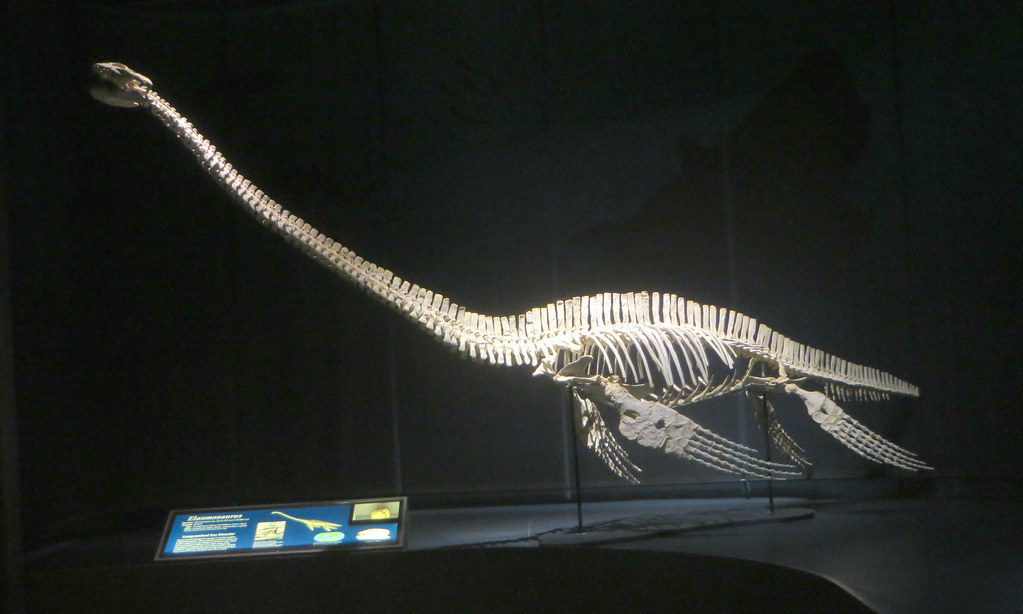
The most impressive feature of these beasts was their incredible necks. Elasmosaurus, a plesiosaurid, had approximately 72 vertebrae in its neck alone and reached a length of about 13 metres (43 feet), fully half of which consisted of the head and neck. Picture a creature that could keep its body hidden in murky depths while its head emerged from the water like a periscope, scanning for unsuspecting prey.
Pliosaurs: The Ultimate Ocean Assassins
If plesiosaurs were the stealth hunters, pliosaurs were the battering rams of the ancient seas. The pliosaurs were a group of marine reptiles that existed from the Late Triassic (around 228 million years ago) to the early Late Cretaceous (around 89 million years ago) and inhabited seas all over the world. These short-necked giants turned ocean hunting into an art form.
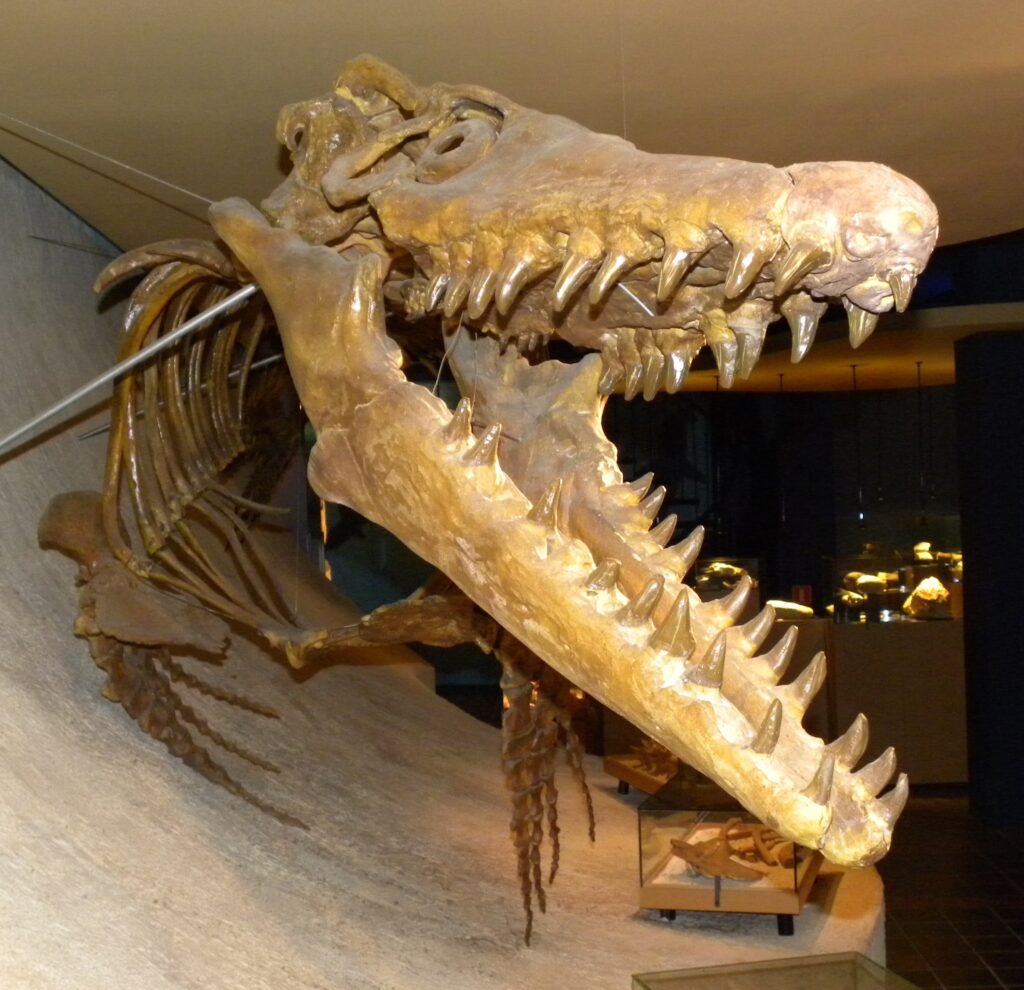
The jaws of this creature are thought to have produced a bite force of 33,000 pounds per square inch, among the highest bite forces of any known animal. To put that in perspective, that’s enough force to crush a small car. During certain parts of the Jurassic period, they were the top predators of the ocean. The creature’s powerful jaws contained sharp, conical teeth which they used to feed on fish, sharks, ichthyosaurs and other Plesiosauria.
Mosasaurs: The Final Ocean Overlords
Just when you thought the seas couldn’t get more terrifying, evolution produced the mosasaurs – marine lizards that would make all previous sea dragons look tame. From the time the first of these marine lizards slipped into the oceans about 98 million years ago, mosasaurs diversified into a widespread array of aquatic ambush predators that fed on everything from dinosaurs washed out to sea to other mosasaurs.
Mosasaurus hoffmannii was the apex predator of the Late Cretaceous oceans, reaching 11 metres (36 ft) in length and 3.8 metric tons (4.2 short tons) in body mass. But size wasn’t their only weapon. Similar to snakes, Mosasaurs had jaws could expand to help swallow large whole prey. Also, like a snake, mosasaurs had two sets of teeth in their upper jaws, making escape nearly impossible once caught.
A World of Endless Predation
Living in these ancient oceans meant existing in a world where death could come from any direction at any moment. There’s not much that could have preyed upon this gigantic creature, but bite marks and mangled paddles of fossil mosasaurs suggest that mosasaurs often fought (and ate) each other. Even the apex predators weren’t safe from their own kind.
The food webs in these prehistoric seas were incredibly complex. Fauna likely preyed upon by the genus include bony fish, sharks, cephalopods, birds, and marine reptiles such as other mosasaurs and turtles. It was a kill-or-be-killed world where even the largest predators had to constantly watch for threats from creatures of their own species or larger.
The End of an Era
After ruling the oceans for nearly 200 million years, these magnificent predators faced their ultimate enemy: extinction. The mosasaurs were one of the greatest success stories of the Mesozoic Era, and it took the mass extinction at the end of the Cretaceous Period to wipe them out completely. The same asteroid that ended the reign of the dinosaurs also brought down the curtain on these ocean giants.
Had it not been for the mass extinction at the end of the Mesozoic, the mosasaurs might have even taken the place of whales today. It’s a fascinating thought – imagine if instead of gentle giants like blue whales, our oceans were still ruled by predators with jaws full of razor-sharp teeth and an appetite for anything that moved.
Conclusion
The prehistoric oceans were ruled by creatures so incredible that they seem almost mythical today. For nearly 200 million years, ichthyosaurs, plesiosaurs, pliosaurs, and mosasaurs dominated marine ecosystems with a ferocity and success that modern predators can’t match. These weren’t just large reptiles that happened to live in water – they were perfectly evolved killing machines that turned the ancient seas into their personal hunting grounds.
While we can only imagine what it would have been like to witness these titans in action, their fossilized remains tell a story of evolutionary success that lasted far longer than humans have existed. They remind us that our planet’s history is filled with chapters we’re still learning to read, and that the oceans once harbored monsters that would make even our wildest nightmares seem tame.
What would you have thought if you could have witnessed these magnificent predators in their prime?