Paleontologists have puzzled over how oviraptor dinosaurs incubated their distinctive ring-shaped nests for decades. These Late Cretaceous creatures, relatives of modern birds, positioned eggs in open-air clutches unlike the covered nests of most birds today. A recent experiment by Taiwanese researchers recreated a full-scale oviraptor nest with a heated model dinosaur, demonstrating that parental body heat alone fell short. The findings point to a cooperative strategy involving sunlight and reveal insights into dinosaur reproductive biology.
Constructing a Prehistoric Incubator
Constructing a Prehistoric Incubator (Image Credits: Upload.wikimedia.org)
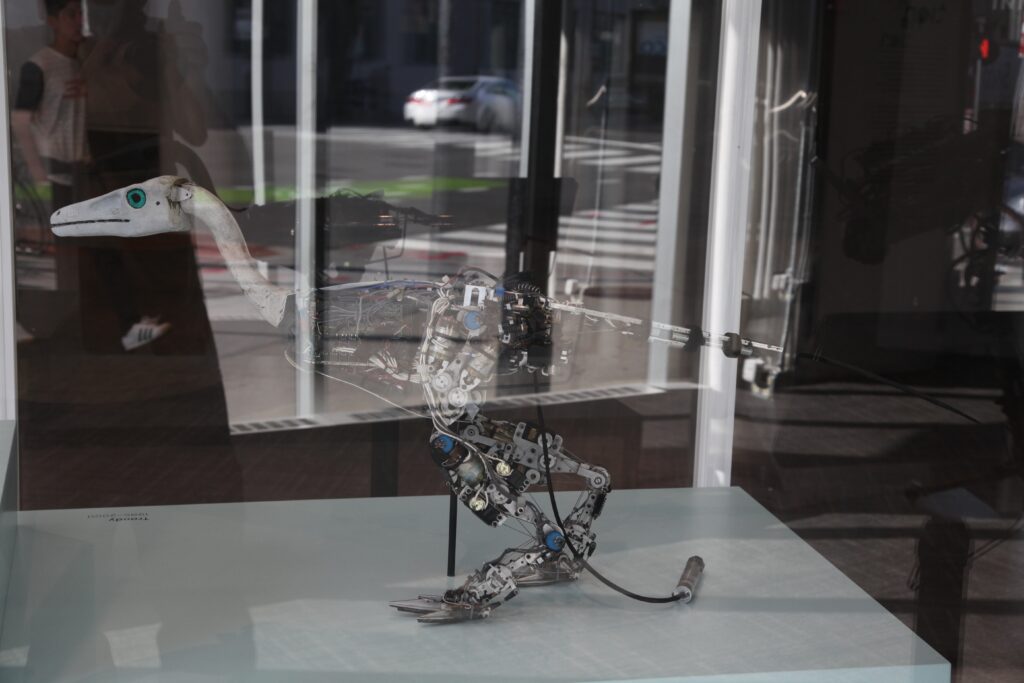
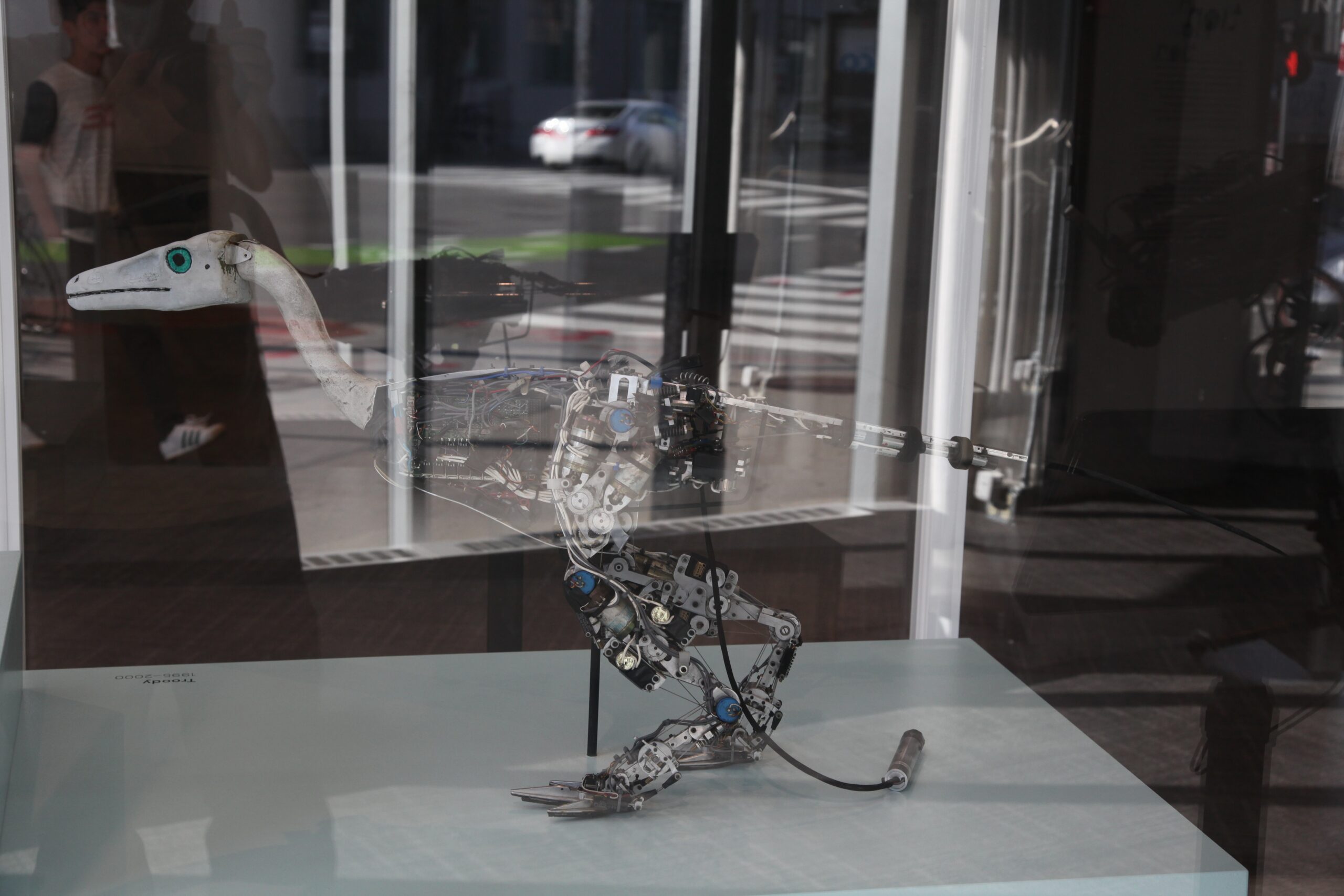
Researchers modeled their setup after Heyuannia huangi, a 1.5-meter-long oviraptorid that lived 70 to 66 million years ago in what is now China. The team built the dinosaur’s torso from polystyrene foam over a wooden frame, layering cotton, bubble wrap, and fabric to simulate soft tissues. They crafted artificial eggs from casting resin, shaped to match fossilized oviraptor specimens unavailable in any living species.
The nest featured eggs arranged in double concentric rings, half-submerged in soil and tilted inward toward an empty center, replicating fossil evidence. Heating elements mimicked the adult’s body temperature, while sensors tracked heat flow across the clutch. Chun-Yu Su, the study’s first author, noted the challenges: “Part of the difficulty lies in reconstructing oviraptor incubation realistically. For example, their eggs are unlike those of any living species, so we invented the resin eggs to approximate real oviraptor eggs as best as we could.”
Physical tests and computer simulations compared scenarios with and without the brooding adult under varying weather conditions. This hands-on approach captured real-world factors like wind and sunlight that models often overlook.
Uneven Heating Exposes Limitations
The robot parent contacted only about 3 percent of each egg’s surface – far less than the 8 to 10 percent in chickens. Outer eggs blocked access to inner ones, creating stark temperature gradients. In cooler conditions, differences reached 6°C between central and peripheral eggs.
Senior author Dr. Tzu-Ruei Yang explained: “We show the difference in oviraptor hatching patterns was induced by the relative position of the incubating adult to the eggs.” Such variation promoted asynchronous hatching, with some young emerging days ahead of siblings. Overall efficiency ranged from 26 to 65 percent, well below the 84 percent of birds like the common eider.
| Incubation Factor | Oviraptor | Modern Birds |
|---|---|---|
| Contact Area (%) | 3 | 8-10 |
| Efficiency (%) | 26-65 | ~84 |
| Temp Variation (°C, cold) | Up to 6 | Minimal |
Sunlight Joins the Brooding Effort
Under simulated sunlight, temperature disparities dropped to 0.6°C across the clutch. This evened out the heat, suggesting oviraptors acted as co-incubators with their environment. Dr. Yang elaborated: “It’s unlikely that large dinosaurs sat atop their clutches. Supposedly they used the heat of the sun or soil to hatch their eggs, like turtles. Since oviraptor clutches are open to the air, heat from the sun likely mattered much more than heat from the soil.”
The adult likely shaded eggs from midday scorch and insulated against night chills, transitioning from buried ancestral nests to semi-open designs. Su added that oviraptors “may not have been able to conduct [thermoregulatory contact incubation] as modern birds do.” Modern birds prioritize direct contact and stable heat; oviraptors adapted differently to their world.
- Ring arrangement limited full coverage.
- Sun provided primary supplemental warmth.
- Parent buffered extremes rather than dominated heating.
- Resulted in longer incubation periods than birds.
- Suited open-air nests evolved from buried ones.
Genetic Clues from Thermal Chaos
Wild temperature swings posed risks for temperature-dependent sex determination, common in reptiles like turtles and crocodiles. Hotter inner eggs might yield one sex, cooler outer ones the opposite, skewing clutches toward single genders and threatening populations. The consistent survival of oviraptor lineages implied otherwise.
Researchers concluded these dinosaurs employed genetic sex determination, akin to birds and mammals. Sex became fixed chromosomally early, independent of nest microclimates. This strategy ensured balanced offspring ratios despite imperfect brooding.
The study, published in Frontiers in Ecology and Evolution, highlights transitional parenting bridging reptiles and birds.
Key Takeaways
- Oviraptors co-incubated with sunlight, achieving lower efficiency than birds but effective adaptation.
- Uneven parental heat favored genetic over temperature-based sex determination.
- Physical models outperform simulations for complex heat dynamics in ancient nests.
This blend of robotics and paleontology redefines dinosaur care, proving no fossils are needed for breakthroughs. Dr. Yang reflected: “There are no dinosaur fossils in Taiwan, but that does not mean that we cannot do dinosaur studies.” What do you think about these ancient parents’ strategy? Tell us in the comments.