Kenya – Villagers on the edge of a rural community peered into an abandoned septic pit and spotted a lioness trapped 15 feet below, sparking a rapid response from wildlife rescuers.
Frightened Predator Turns Prey to Gravity
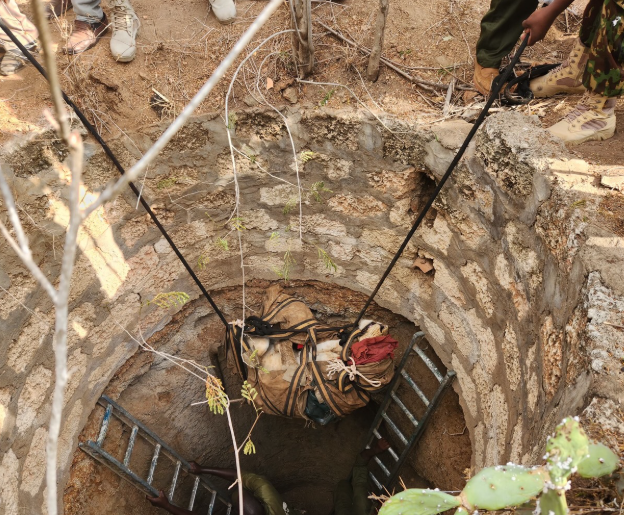
Frightened Predator Turns Prey to Gravity (Image Credits: Instagram)
A majestic lioness likely tumbled into the concrete-lined pit the night before her discovery. She endured nearly 24 hours without food, water, or shelter from the sun. Dehydration and stress left her weakened and unable to scale the sheer walls. Passersby noticed her large form in the shadows and acted without delay.
They immediately notified the Kenya Wildlife Service and Sheldrick Wildlife Trust. These organizations dispatched a skilled team of six rescuers. The lioness’s vulnerable state heightened the urgency, as prolonged exposure threatened her survival.
Precision in the Pit
The team first evaluated the situation from above. The lioness paced anxiously, her eyes reflecting fear. Dr. Limo, a veterinarian from the Kenya Wildlife Service, administered a sedative to calm her and prevent any sudden movements.
Rescuers then positioned ladders into the pit. They slid a sturdy tarp beneath her to form a makeshift sling. Ropes secured to the tarp enabled a coordinated lift. Those below steadied her body while colleagues above pulled steadily. The operation demanded perfect timing to avoid scraping her against the rough sides.
- Assess and sedate the animal.
- Deploy ladders and tarp sling.
- Hoist with ropes, guiding from below.
- Lift clear and inspect on solid ground.
No Lasting Harm, Quick Return to the Wild
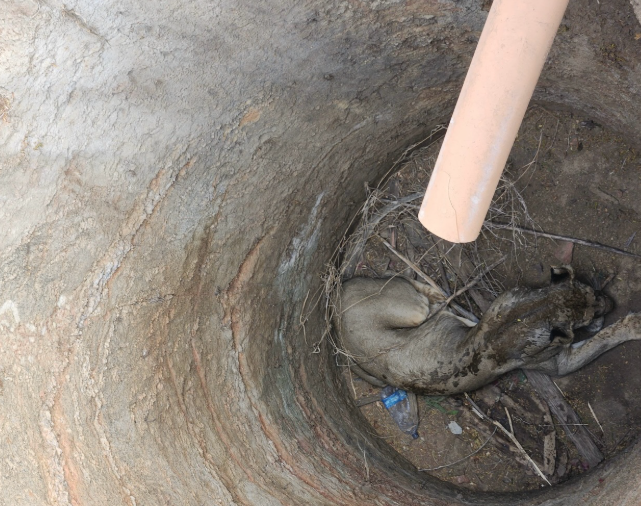
No Lasting Harm, Quick Return to the Wild (Image Credits: Instagram)
Once topside, the team laid the lioness on soft ground for a full check. Dr. Limo found no fractures or internal damage despite the hard landing. Intravenous fluids addressed her dehydration. She rested as the sedative faded, showing steady improvement.
That evening, officials transported her to Tsavo East National Park. The site offered safety from human hazards and a chance to rejoin her pride. Lions rely on group dynamics for hunting and cub-rearing, making the location ideal. Distant monitoring confirmed her progress post-release.
Sean Michael, communications director at Sheldrick Wildlife Trust, noted: “Dr. Limo performed a thorough examination and was able to confirm that the lioness had not sustained injuries from the fall. That outcome was remarkable, considering the depth of the pit and the hardness of the surface she had landed on.”
Navigating Shared Spaces
Incidents like this reveal tensions where villages border wildlife ranges. Open pits and similar structures pose unseen dangers to roaming animals. Community vigilance proved crucial here, bridging human alertness with expert intervention.
The Kenya Wildlife Service and Sheldrick Wildlife Trust exemplify effective partnerships. Their work safeguards both predators and people. Greater awareness could prevent future traps through simple safeguards like covers on pits.
Key Takeaways
- Quick reporting by locals enabled a same-day rescue.
- Specialized techniques minimized risk to the lioness.
- Releasing near her pride supports long-term survival.
This rescue underscores how collaboration turns peril into preservation. One attentive group and a dedicated team restored a lioness to her realm. What steps can communities take to protect wildlife in shared landscapes? Share your thoughts in the comments.