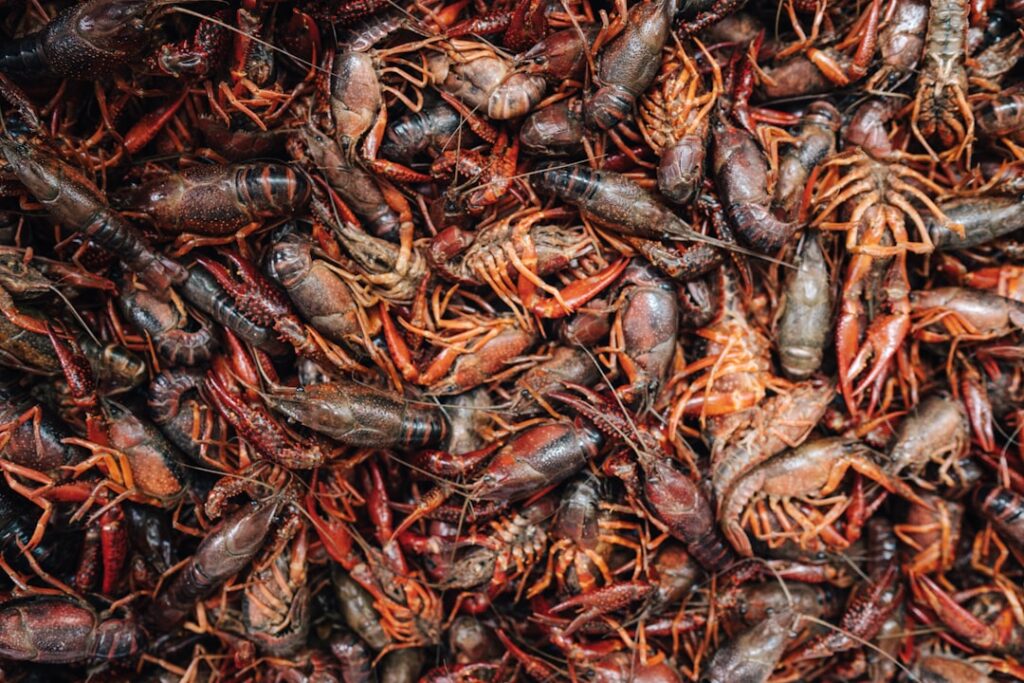
Malawi – Fisheries officials marked a significant milestone this week by declaring an end to the smuggling of invasive redclaw crayfish across its borders from Zambia. Nearly a year after authorities seized a quarter-ton of the live crustaceans, enhanced surveillance has prevented further incursions. The success underscores the nation’s commitment to protecting its fragile aquatic ecosystems from alien species.
The Dramatic Seizure at Ludzi Roadblock
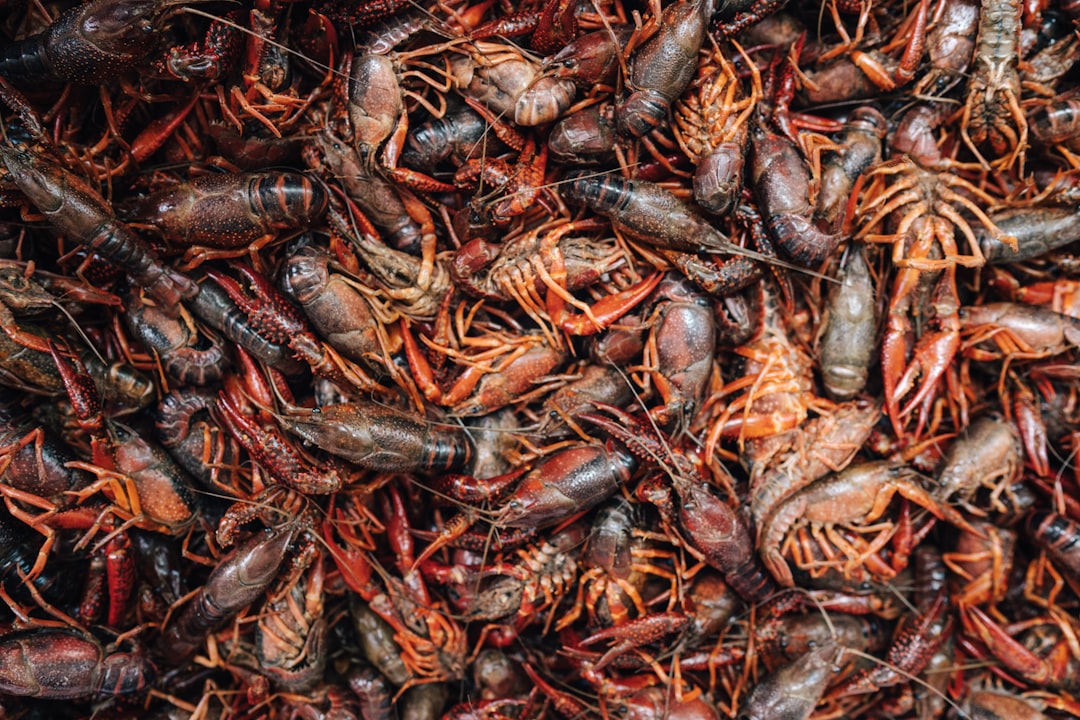
The Dramatic Seizure at Ludzi Roadblock (Image Credits: Unsplash)
In May 2025, a routine check at the Ludzi border roadblock turned into a major operation. Four Zambian nationals transporting 250 kilograms of live redclaw crayfish faced swift arrest by the Malawi Revenue Authority, police, and fisheries department. The haul, packed in five bags, violated the Fisheries Conservation and Management Act, which bans unpermitted introductions of non-native species.
One smuggler confessed this marked his second trip that year, having previously delivered 20 kilograms to a buyer in Lilongwe. Officials learned the cargo headed to a Chinese restaurant, with the group expecting $1,700 in payment. The crayfish underwent incineration at Kamuzu Central Hospital, eliminating the immediate risk.
Why Redclaw Crayfish Poses a Grave Danger
Native to Australia and Papua New Guinea, Cherax quadricarinatus arrived in Zambia during the early 2000s for aquaculture trials. The species escaped farms, spreading aggressively through the Kafue River, Lake Kariba, Zambezi River, and beyond into Angola and Botswana. In Malawi, its entry threatened Lake Malawi’s endemic cichlids, known locally as chambo, and the broader food web.
These crayfish exhibit predatory habits, devouring fish eggs, juveniles, and vegetation while burrowing into riverbanks. Their rapid reproduction and disease-carrying potential amplify the invasion risk. Fisheries reports warned of plummeting yields that could devastate 82,000 fishers and 500,000 others in processing and sales, endangering food security and livelihoods.
- Predation on native fish and eggs disrupts populations.
- Competition for food and shelter outpaces local species.
- Habitat alteration through burrowing erodes banks.
- Pathogen transmission sparks disease outbreaks.
- Economic fallout from reduced fishery productivity.
Courtroom Victory Amid Calls for Harsher Penalties
The Lilongwe Magistrates Court convicted the smugglers on May 26, 2025, after they pleaded guilty to possessing illegal aquatic animals and alien species. Fines ranged from K50,000 to K150,000, sparing them six-to-12-month jail terms. Maxon Ngochera, senior deputy director of fisheries, expressed partial satisfaction that the court ordered destruction of the contraband.
Environmentalists criticized the penalties as insufficient deterrents. Experts noted similar disruptions in Zambia, South Africa, and Namibia, where the crayfish thrived unchecked. The case marked Malawi’s first such prosecution, processed unusually quickly amid a typically backlog-heavy system.
Enhanced Monitoring Seals the Border
Davie Khumbanyiwa, fisheries officer for monitoring, control, and surveillance, detailed ramped-up efforts. Teams now inspect border fish farms, conduct spot checks in markets, and patrol rivers shared with Zambia. “Our intention is to make sure that we don’t have those exotic species here,” Khumbanyiwa stated.
Jeremiah Kang’ombe, a fisheries expert at Lilongwe University of Agriculture and Natural Resources, praised the porous borders as the primary defense line. Malawi coordinates with Zambia, Tanzania, and Mozambique authorities. No incidents have surfaced since the bust, validating the strategy.
| Pre-Bust Risks | Post-Bust Measures |
|---|---|
| Porous borders enabled smuggling | Targeted inspections at crossings |
| Limited surveillance on rivers | Spot checks in markets and farms |
| Repeat offenses undetected | Regional collaborations |
Key Takeaways
- Proactive border controls prevented a potential ecological disaster.
- Invasive species like redclaw crayfish demand vigilant biosecurity.
- International cooperation strengthens regional defenses.
Malawi’s decisive response offers a model for neighboring nations facing invasive threats. Fisheries yields remain stable, preserving vital ecosystems and communities. What steps should African countries take next to safeguard their waters? Tell us in the comments.