South Florida – Workers in Pompano Beach recently drilled into a sleek new seawall along a residential canal, securing experimental planters designed to host living mangrove trees. These additions address a critical gap in coastal infrastructure, where smooth barriers have replaced vibrant natural shorelines. The effort highlights a shift toward designs that protect both property and the marine ecosystems they border.
Seawalls’ Hidden Cost to Ocean Habitats
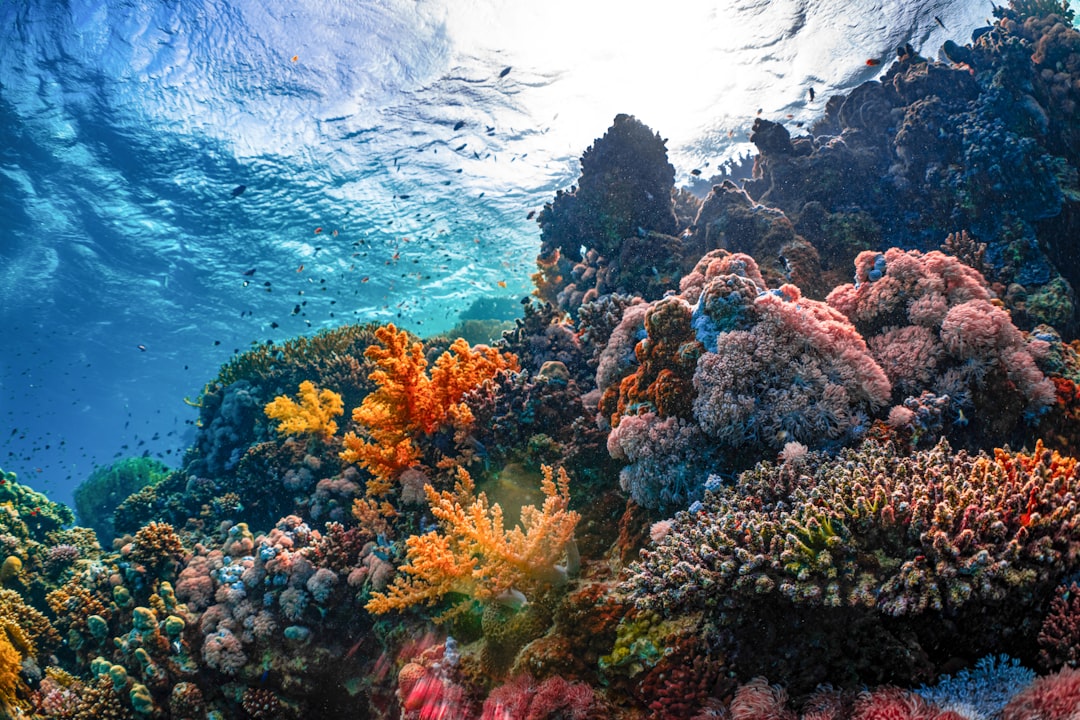
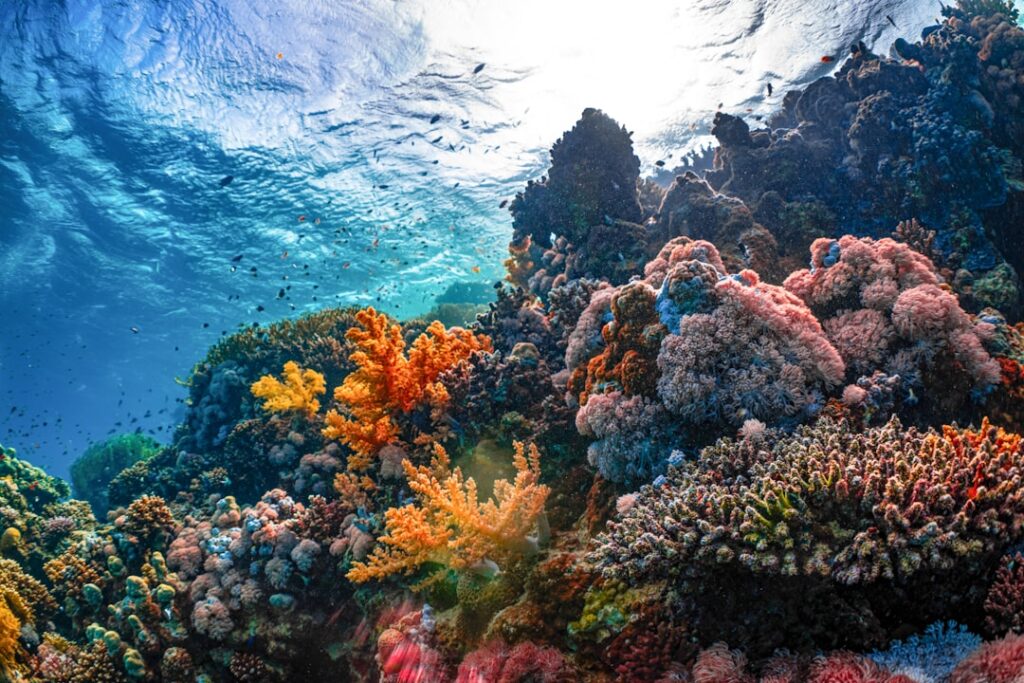
Seawalls’ Hidden Cost to Ocean Habitats (Image Credits: Unsplash)
Traditional seawalls have shielded South Florida properties from waves and storms for over a century. Constructed mainly of concrete after World War II, these structures now face widespread replacement in what experts call a “seawall pandemic.” Newer versions, often reinforced concrete sheathed in vinyl or steel, create featureless vertical walls that offer little refuge for sea life.
Marine organisms thrive in textured environments filled with nooks and crannies. Oysters cling to the scumline on aging concrete seawalls, forming a thin band of habitat amid otherwise barren surfaces. Yet replacements pull away this last sliver of support, exacerbating declines in fish populations like grouper and snapper due to habitat loss, pollution, overfishing, and climate change.
Keith Van de Riet, a University of Kansas professor and architect, has studied these barriers for more than a decade. He labels them the “forgotten edge,” where dredged canals and hardened shorelines erased meandering mangroves and tidal creeks that once teemed with life.
Nature-Mimicking Planters Take Root
The mangrove planters represent a targeted solution. Pockmarked and rough-hewn, they feature grooves and etchings that replicate oyster reefs and mangrove roots. Even minuscule pores invite tiny organisms to settle, fostering a cascade of biodiversity.
Van de Riet designed the units to house live mangrove saplings, creating hybrid structures that blend human engineering with natural resilience. “The more texture the better,” he noted, emphasizing how such details draw in oysters, crabs, fish, and birds. Installation involves cranes lowering the planters into pre-drilled holes, a process observed in Pompano Beach’s dead-end canal flanked by mansions.
- Etched surfaces mimic natural reef formations for organism attachment.
- Pores and grooves provide micro-habitats for juvenile marine life.
- Mangrove roots stabilize sediment and filter water over time.
- Modular design allows easy retrofitting on existing seawalls.
- Enhanced storm protection through living barriers.
Local Leaders Drive the Change
Arthur Tiedeman, owner of APH Marine Construction, oversaw the Pompano Beach setup from a barge. His team recognized the need for eco-conscious builds amid rising seas and property demands. “We’re in a time period – a golden era – where humanity has kind of realized what we’ve done here,” Tiedeman said, pointing to broader environmental pressures.
This project builds on precedents like Miami Beach’s first living seawall, installed in early 2025. That wide panel, etched with mangrove roots, aims to bolster habitat and buffer storm surges. Van de Riet’s earlier panel in southwest Florida, submerged since 2016, has shown promise in attracting sea life.
Challenges and Global Context
Coastal ecologist Rachel Gittman of East Carolina University tracks similar innovations worldwide. She highlights products like artificial reef balls and vertical oyster gardens now entering commercial markets. “Even a small little oyster reef can support a lot of organisms,” Gittman observed.
Success hinges on policy and adoption. South Florida’s privately held coastlines complicate scaling, as homeowners update seawalls independently. A 2021 study revealed only 15% of global coastal regions remain ecologically intact, underscoring the urgency.
| Traditional Seawall | Nature-Inspired Add-On |
|---|---|
| Smooth, vertical surface | Textured, porous design |
| Limited marine habitat | Supports oysters, fish, mangroves |
| Property protection only | Dual benefits: ecology and resilience |
A Path Forward for Resilient Shores
These experiments signal a pivotal moment for coastal design. Hybrid models integrating mangroves could sustain fisheries, improve water quality in areas like Biscayne Bay, and fortify against climate threats. Thoughtful investments now might prevent repeating past mistakes.
Key Takeaways
- Mangrove planters restore texture to barren seawalls, kickstarting biodiversity.
- Early adopters in Pompano Beach and Miami Beach pave the way for wider use.
- Global trends favor nature-mimicking infrastructure amid habitat crises.
As South Florida balances development and ecology, such innovations offer hope for thriving oceans. What steps should coastal communities take next? Share your thoughts in the comments.