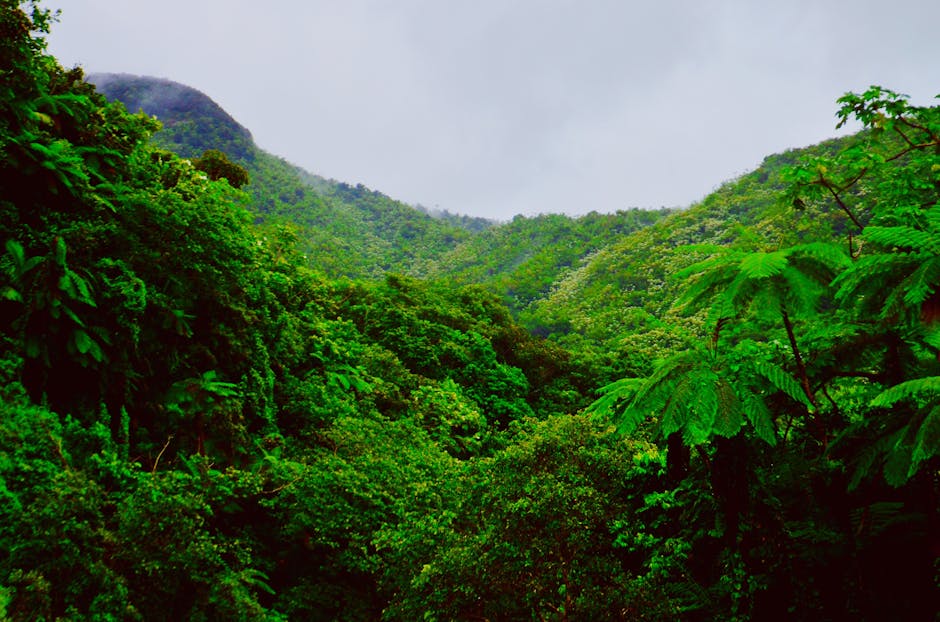
When you think of dinosaurs, you probably picture enormous creatures lumbering through steaming tropical jungles. Giant ferns, sweltering heat, and a world that looks nothing like our own. But honestly, that image is far more cinematic than scientific. The real story of dinosaur survival is far stranger, far wilder, and in many ways, far more impressive than Hollywood has ever dared to show you.
These ancient creatures did not simply inherit a comfortable world and stay put. Scientists now believe that dinosaurs flourished in a wide range of habitats, from the frozen Arctic to the sweltering desert. They pushed into hostile frontiers, evolved tools for survival that still baffle researchers today, and conquered environments that would have easily killed their competitors. The deeper you dig into the fossil record, the more astonishing it becomes. So let’s dive in.
Thriving in Ancient Deserts: Water Conservation Like You Would Not Believe
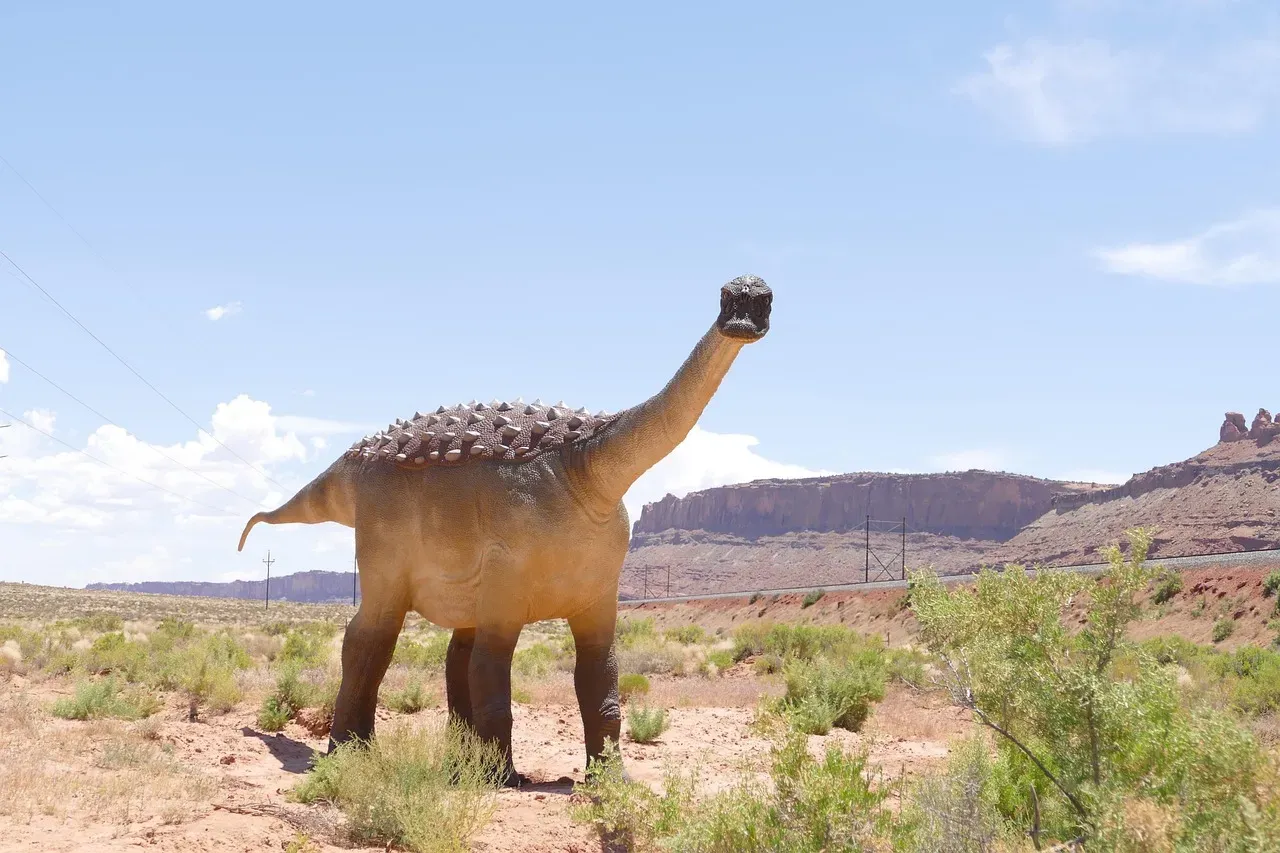
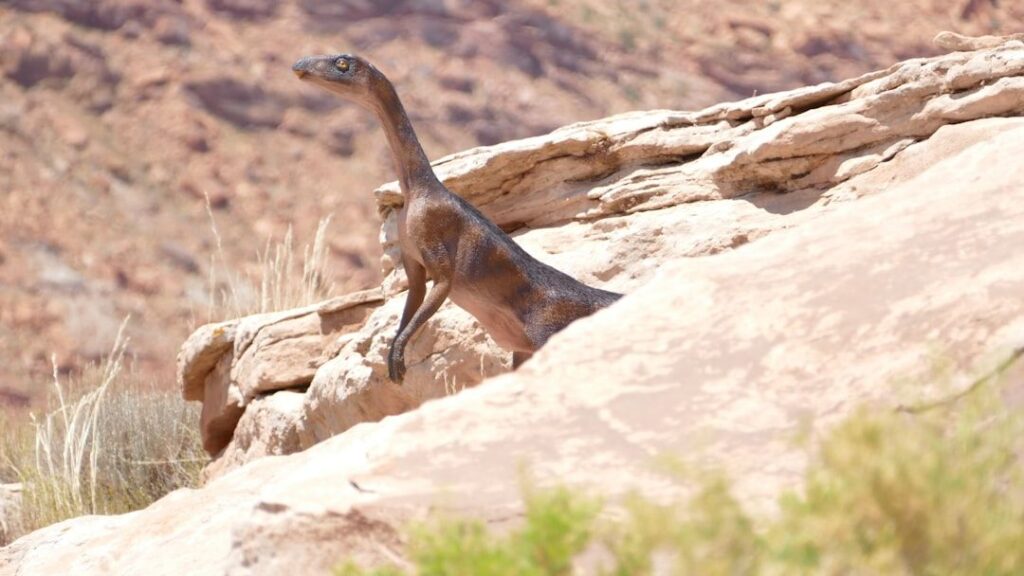
Picture driving through Death Valley on the hottest day of the year and deciding to live there permanently without air conditioning, a water bottle, or shade. That is roughly what desert-dwelling dinosaurs were working with. Imagine vast stretches of scorching sand, minimal water sources, and extreme temperature fluctuations. Yet millions of years ago, various dinosaur species not only survived but thrived in these harsh desert environments.
The physiological toolkit these animals developed was genuinely clever. Nasal passages in desert dinosaurs frequently show evidence of enlarged turbinate bones, structures that would have helped condense moisture from exhaled breath, recapturing precious water that would otherwise be lost during respiration. On top of that, many species developed highly efficient salt glands, similar to those found in modern desert reptiles, which allowed them to excrete excess salt with minimal water loss. Paleontologists have identified modified kidney structures in some fossil specimens that suggest enhanced abilities to concentrate urine, significantly reducing water elimination.
Scorching Days and Freezing Nights: Temperature Regulation in Arid Zones
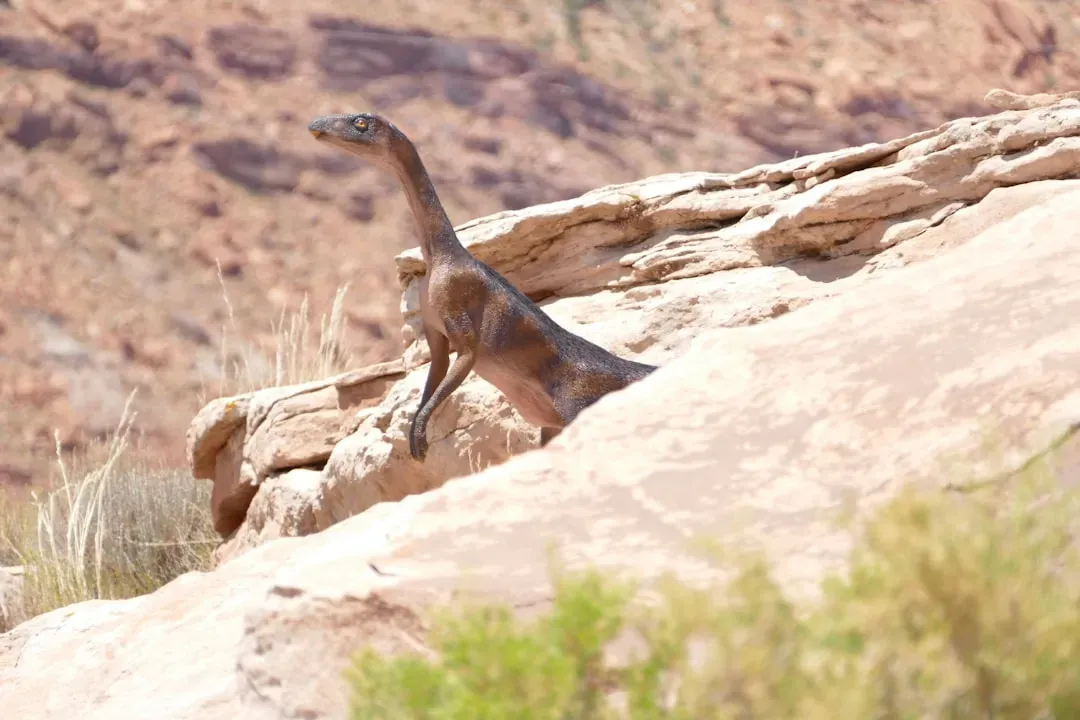
Here is the thing about ancient deserts that surprises most people: the temperature swings were brutal in both directions. The supercontinent Pangaea’s breakup created vast inland areas isolated from oceanic moisture, forming expansive desert basins across what is now North America, Asia, and Africa. These ancient deserts were characterized by extreme temperature variations, with scorching days potentially exceeding 120°F and nights that could drop below freezing.
Dinosaurs living in these zones had to manage heat just as cleverly as they conserved water. Many desert-dwelling dinosaurs had developed mechanisms to keep their body temperature stable in extreme heat. For example, some dinosaurs had large nasal passages that helped them cool down quickly by dissipating heat. Beyond that, many desert-dwelling dinosaurs were active at night when the temperature was cooler, and they spent the day in the shade or in burrows to avoid the extreme heat. Think of it like a prehistoric version of a desert fox, shifting your entire lifestyle around the thermometer.
Polar Survivors: Dinosaurs at the Ends of the Earth
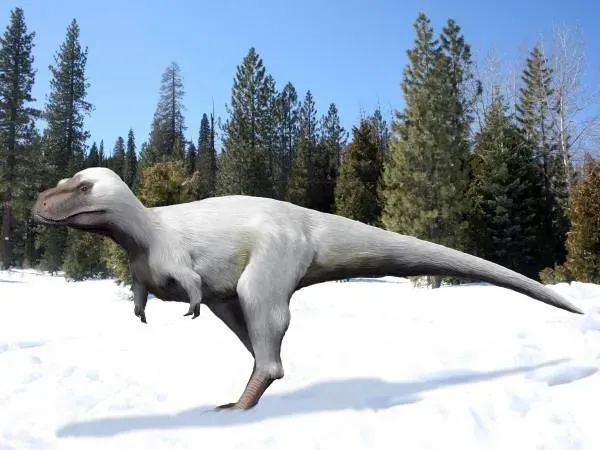
If you had told a paleontologist fifty years ago that dinosaurs were comfortably nesting inside the Arctic Circle, they probably would have laughed you out of the room. That assumption has since been thoroughly shredded. The environments recorded in the strata of southern Australia were further south and within the Antarctic Circle when dinosaurs thrived there in the Cretaceous. Reconstructing the tectonic jigsaw, paleontologists have found dinosaurs that lived near both the northern and southern poles at different times.
The evidence from Alaska is particularly jaw-dropping. The 70 million-year-old rock of Alaska’s Prince Creek Formation contains the fossils of horned dinosaurs, tyrannosaurs, duckbilled dinosaurs, raptors and more that lived within the Arctic Circle. The comparatively small stature of some of these dinosaurs hints that types that grew big elsewhere adapted to become smaller and thereby get by on less food in the cool of ancient Alaska. Not just visitors, either. A tiny jaw found in Alaska’s ancient rock record indicates that dinosaurs nested in these places and stayed year-round.
The Secret Weapon: Feathers as Survival Armor Against the Cold
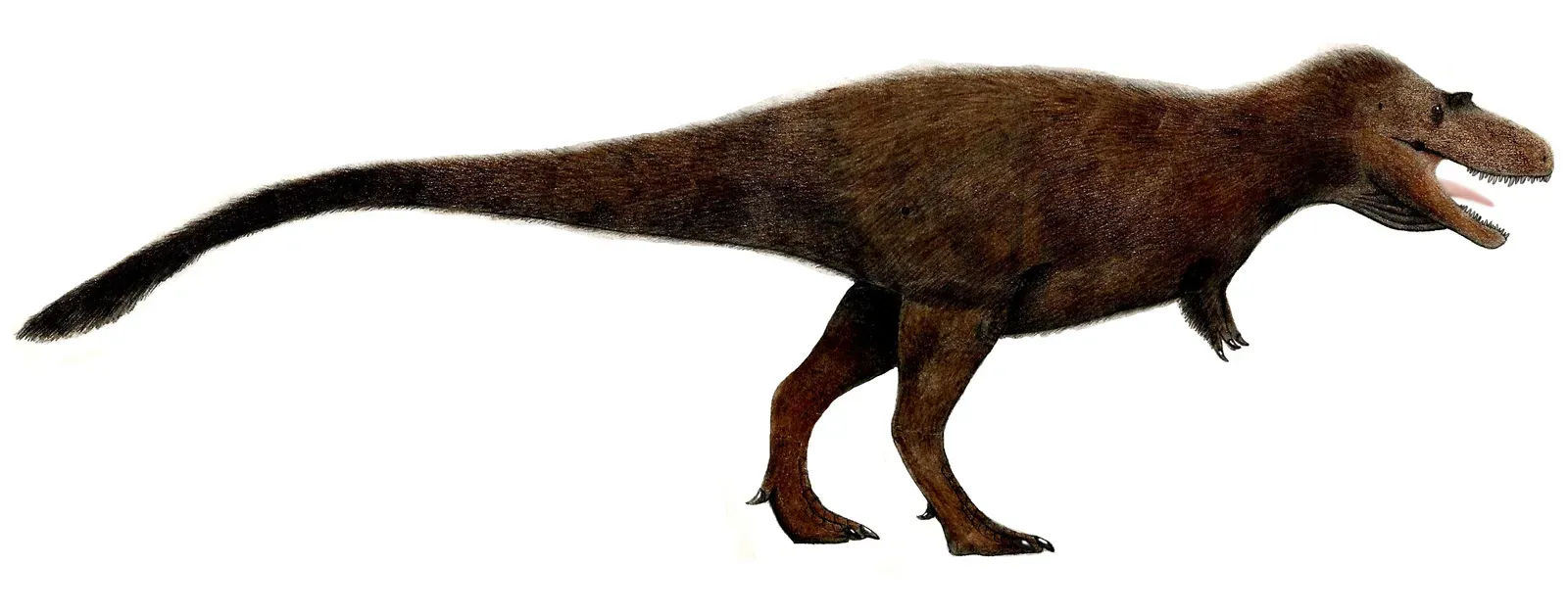
It sounds almost too simple, but feathers may have been one of the most consequential evolutionary innovations in the entire history of life on Earth. Evidence of feathers has been found in the fossils of many types of dinosaurs, from carnivorous theropods to herbivorous ornithischians. Recent reports that flying reptiles called pterosaurs had feathers too now suggests that the insulating fuzz has been around for even longer than once thought, possibly appearing as early as 250 million years ago.
Researchers have now identified the first fossil evidence that dinosaurs donned feather coats to weather the Cretaceous-era climate in the South Pole. The discovery came from Australia, and it fundamentally changed what you can assume about polar dinosaur life. An international team of scientists analyzed a collection of fossil feathers found in Australia, which reveal an unexpected diversity of tufted hair-like proto-feathers from meat-eating dinosaurs. These proto-feathers would have been used for insulation. In other words, these animals were walking around in their own built-in thermal jackets.
Volcanic Winters and the Rise of Dinosaur Dominance
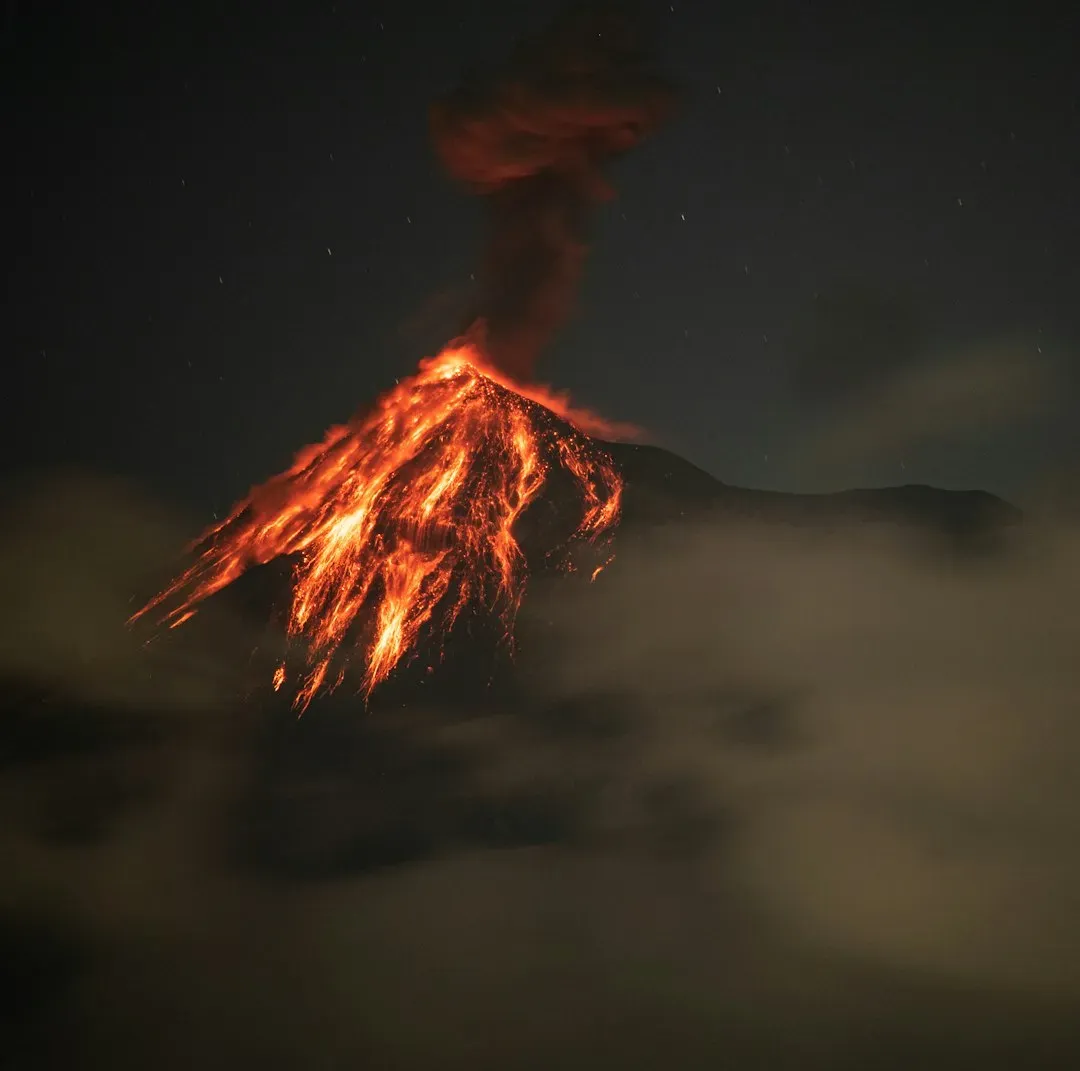
Now we get to one of the most stunning chapters in the entire story of dinosaur evolution. Around 202 million years ago, the Earth went through a catastrophic period of volcanic activity that most animals simply could not survive. A chain of massive volcanic eruptions cooled the planet dramatically, killing more than roughly three-quarters of species on land and in the oceans, paving the way for the cold-adapted dinosaurs to emerge from the Triassic period and dominate the Jurassic.
The reason dinosaurs made it through while so many other creatures did not comes down to one key difference. The land animals that survived had feathers or hair as insulation. Their survival over non-insulated animals, like prehistoric crocodiles, ushered in the large dinosaurs’ era of dominance. As research published in Science Advances confirmed, phylogenetic bracket analysis shows that non-avian dinosaurs were primitively insulated, enabling them to access rich deciduous and evergreen Arctic vegetation, even under freezing winter conditions. Their cold tolerance was not just a nice bonus. It was the foundation of their 135-million-year reign.
Stegosaurus Plates and the Art of Thermoregulation
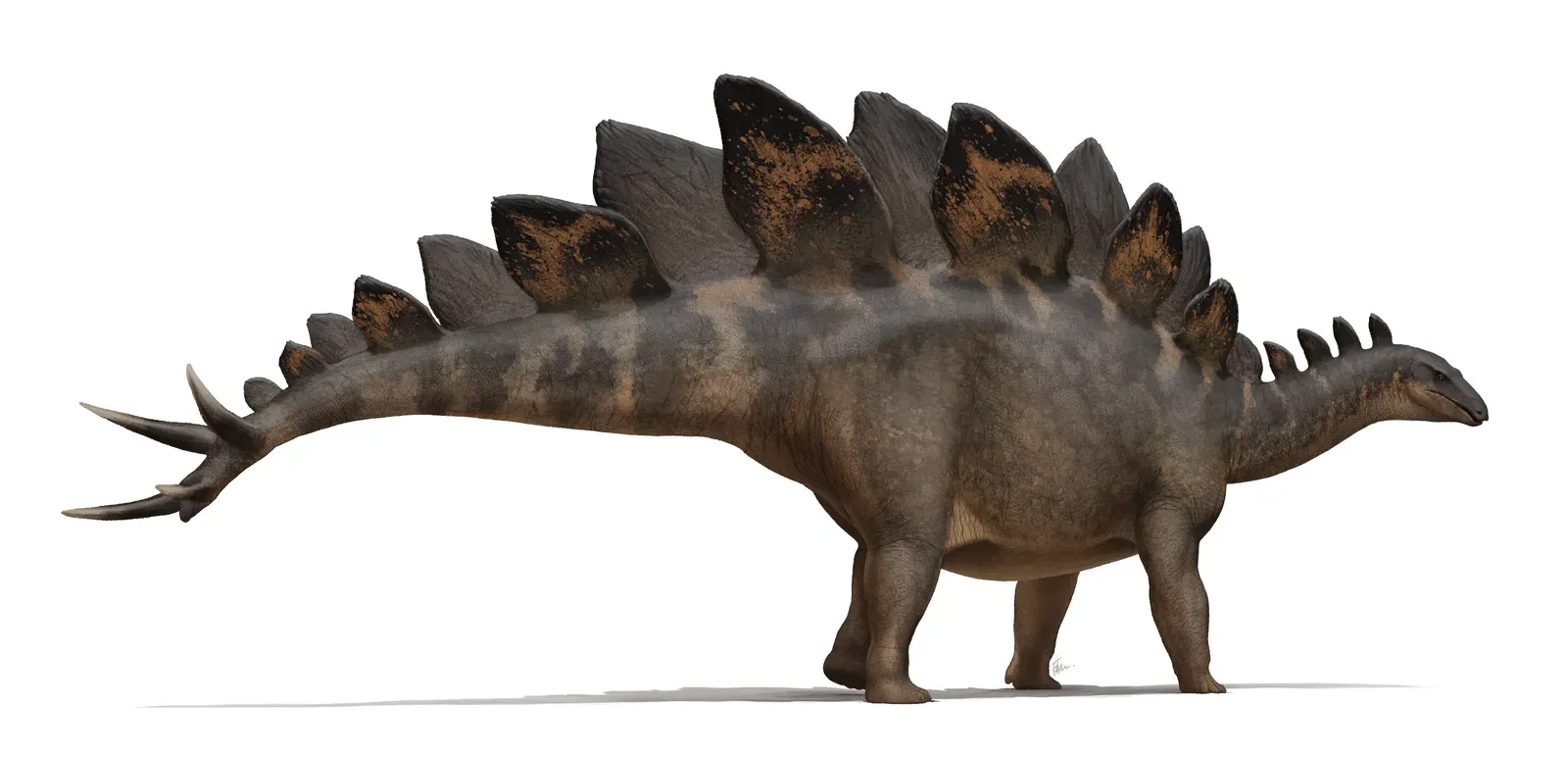
When you look at Stegosaurus, those bony plates running down its back look almost theatrical, like nature’s own dramatic flair. Scientists have long debated what those plates were actually for, and the thermoregulation hypothesis remains one of the most compelling. The bony plates of Stegosaurus served both defensive and thermoregulatory purposes. They provided protection against predators while also regulating the dinosaur’s body temperature.
Think of it as a biological radiator system. The plates were richly supplied with blood vessels, which would have allowed the animal to absorb heat from the sun or release excess body heat depending on the conditions, essentially giving Stegosaurus a built-in thermostat. Dinosaurs likely regulated their body temperatures through multiple methods. Some used faster metabolisms, others relied on their large size to maintain heat, and some may have had body coverings to help control temperature. The more you look at dinosaur biology, the more you realize these were not primitive blundering beasts. They were elegant, finely tuned survival machines.
Spinosaurus: The Semiaquatic Predator of Ancient Waterways
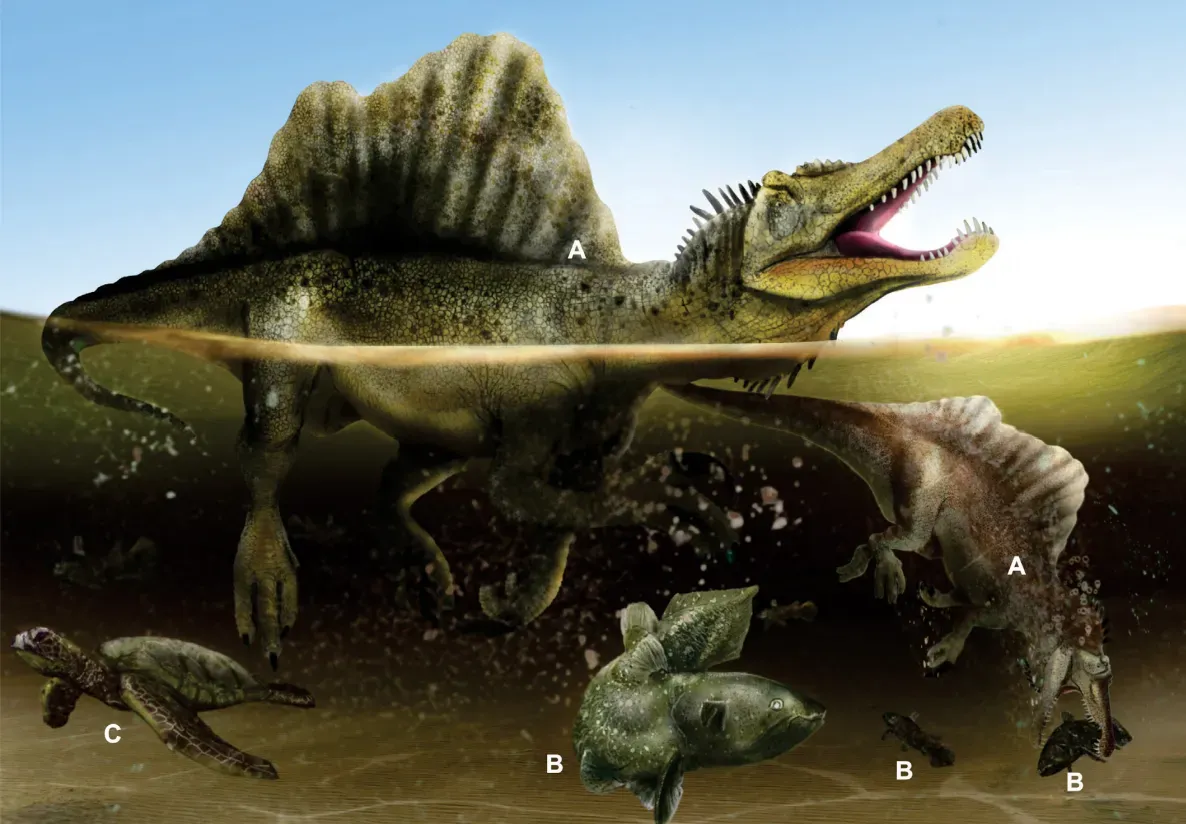
Spinosaurus is arguably the most scientifically controversial dinosaur of the past two decades, and honestly, the debate around it is fascinating. The hunting habits of Spinosaurus aegyptiacus, the largest known predatory dinosaur to roam the Earth, have been subject to intense scientific debate. At the time of its initial detailed description, Spinosaurus was described as a semiaquatic predator that prowled the shoreline of Cretaceous-era rivers, wading into the muddy banks to ambush fish with its massive, crocodilian jaws and interlocking teeth.
The current scientific consensus paints a nuanced picture. The fossil record supports the interpretation of Spinosaurus as a semiaquatic bipedal ambush predator that frequented the margins of both coastal and inland waterways. Its adaptations for life at the water’s edge were distinctive and real. These adaptations include retraction of the fleshy nostrils to a position near the mid-region of the skull and an elongate neck and trunk that shift the center of body mass forward. New fossils of the sail-finned predatory dinosaur Spinosaurus reveal that it lived in and near water. This was a creature built for a world between land and river, a lifestyle strategy as unusual as any in the Cretaceous.
Behavioral Adaptations: More Than Just Bones and Scales
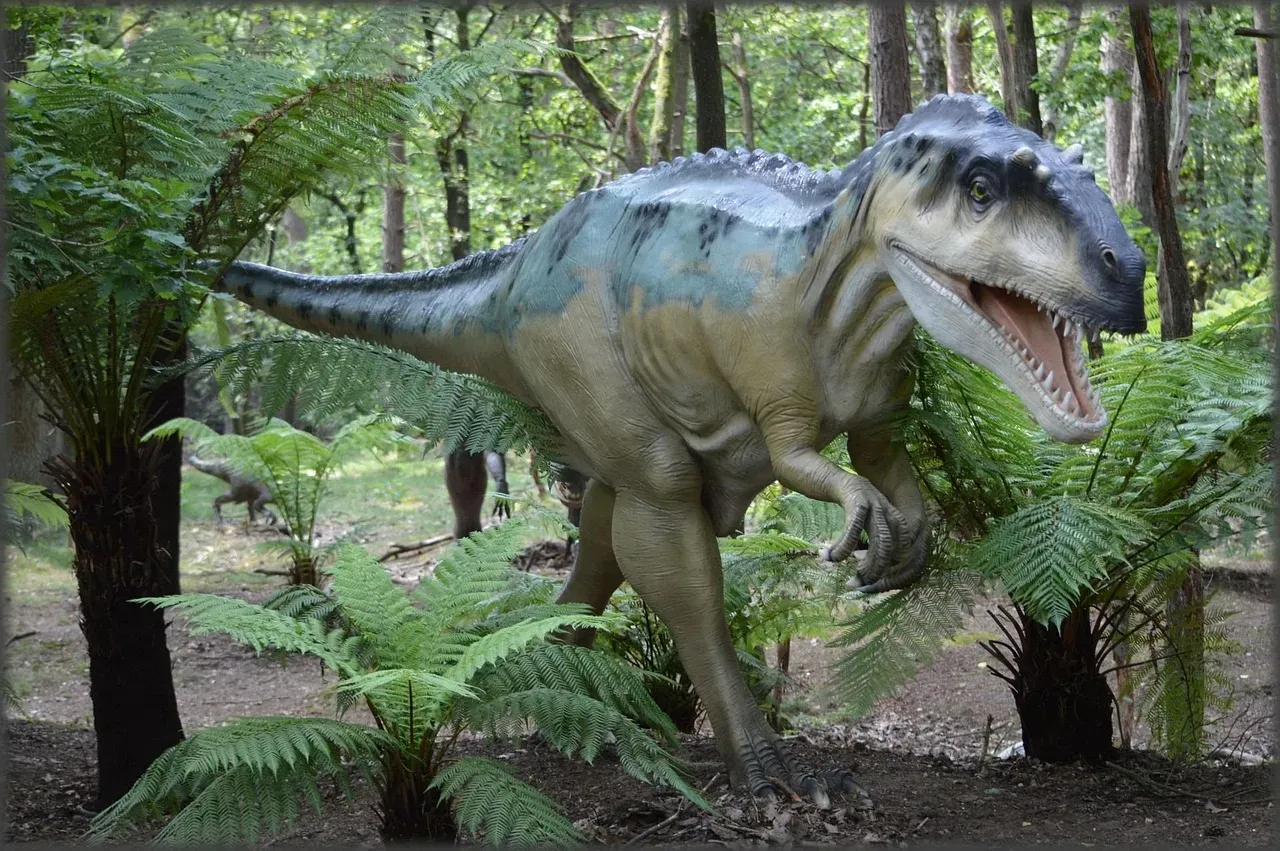
It would be a mistake to think dinosaur adaptations were purely physical. The behavioral side of their survival story is just as remarkable, and in some cases, even harder to reconstruct from the fossil record. Among the most fascinating behavioral adaptations observed in dinosaurs is their ability to engage in social structures. Fossil evidence indicates that some dinosaurs, like the theropods, may have hunted in packs, displaying complex cooperative behavior. This strategy allowed them to take down larger prey and ensured their survival in challenging environments.
When it came to surviving polar darkness, some dinosaurs may have gone underground. Some dinosaurs might have dug in to survive the harshest months. Paleontologists working in southern Australia’s strata have found burrow-like structures from the age of Leaellynasaura, and elsewhere these structures actually contain small, herbivorous dinosaurs. Meanwhile, bone growth itself tells its own story. In 2018, paleontologists published a study describing how microscopic details of polar dinosaur bones show that some dinosaurs slowed their growth during harsh seasons to get by with less. Slowing your own biology down to survive a brutal winter is a level of physiological sophistication that you might not expect from creatures that went extinct 66 million years ago.
Conclusion
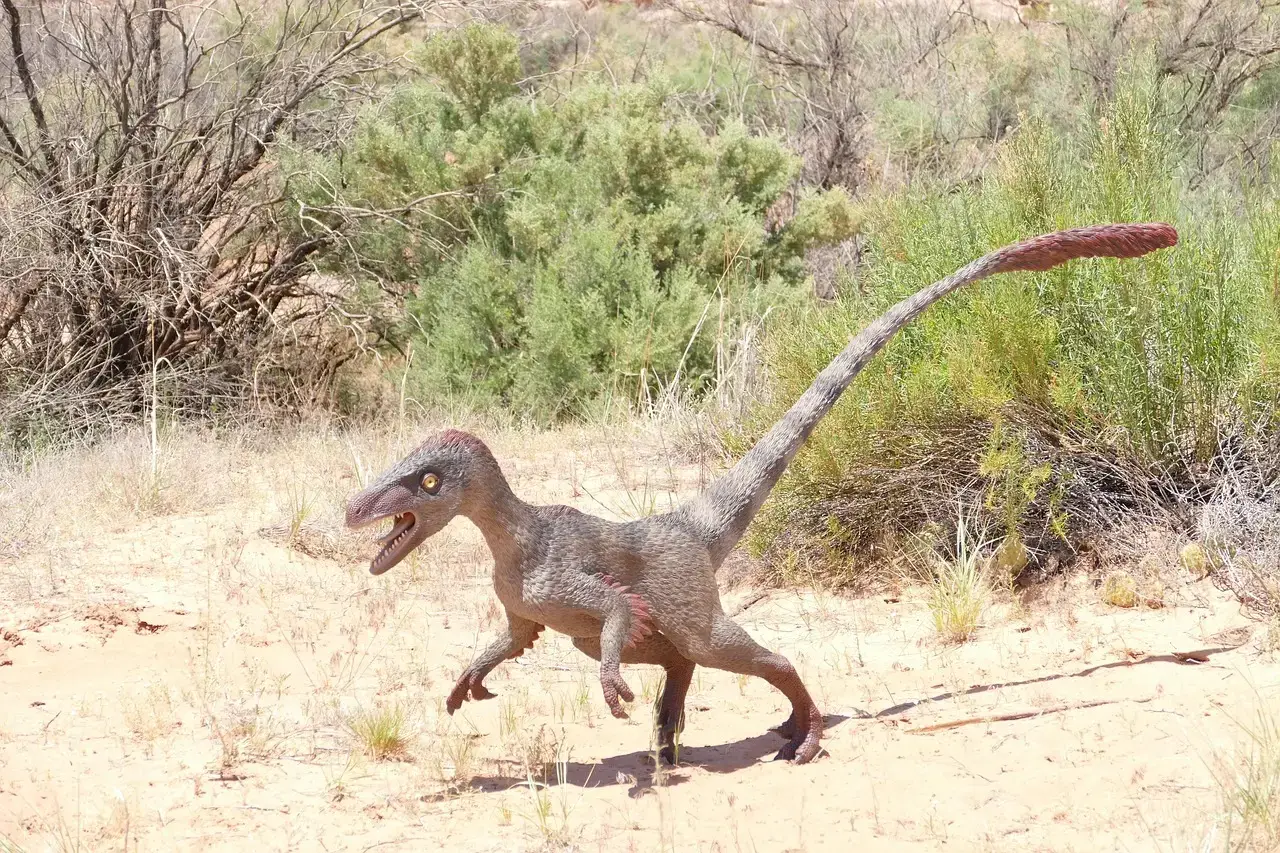
The picture that emerges from all of this research is nothing short of extraordinary. You are looking at animals that conquered frozen poles, baked deserts, ancient waterways, and volcanic winters, not by accident, but through millions of years of brilliant, relentless biological innovation. The ongoing identification of new species, not found anywhere else, highlighted how some dinosaurs adapted to the cold. Each thread comes together to underscore how wonderfully flexible dinosaur species were, adapting to some of the harshest habitats of their time.
What strikes me most about all of this is how thoroughly the popular image of dinosaurs needs updating. These were not sluggish, simple creatures stumbling through a conveniently warm world. They were physiologically sophisticated, behaviorally complex, and environmentally resilient in ways that even modern animals rarely match. Climate scientists increasingly examine desert dinosaur adaptations to understand how large vertebrates historically responded to extreme climate conditions, providing potential analogues for modern species facing climate change. The lessons locked inside those ancient bones are still being written, one fossil at a time. What does it make you think about what life might be capable of next? Share your thoughts in the comments.