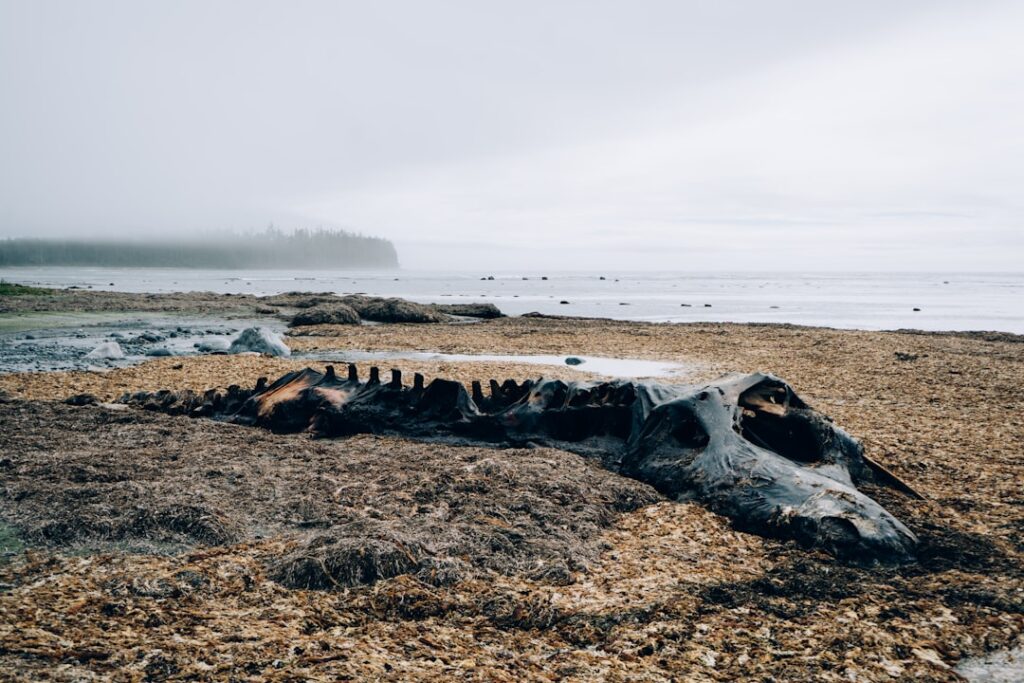
Earth has faced more than one apocalypse before us. From the asteroid that wiped out the dinosaurs to mysterious die-offs that reshaped life hundreds of millions of years earlier, mass extinctions have been nature’s brutal reset button. Each time, entire ecosystems collapsed, and it took millions of years for biodiversity to recover. Now, scientists warn we may be standing at the edge of a sixth great extinction—this time driven not by space rocks or volcanoes, but by us. The question isn’t whether life will go on, but what kind of world we’ll leave behind.
The Big Five That Came Before Us
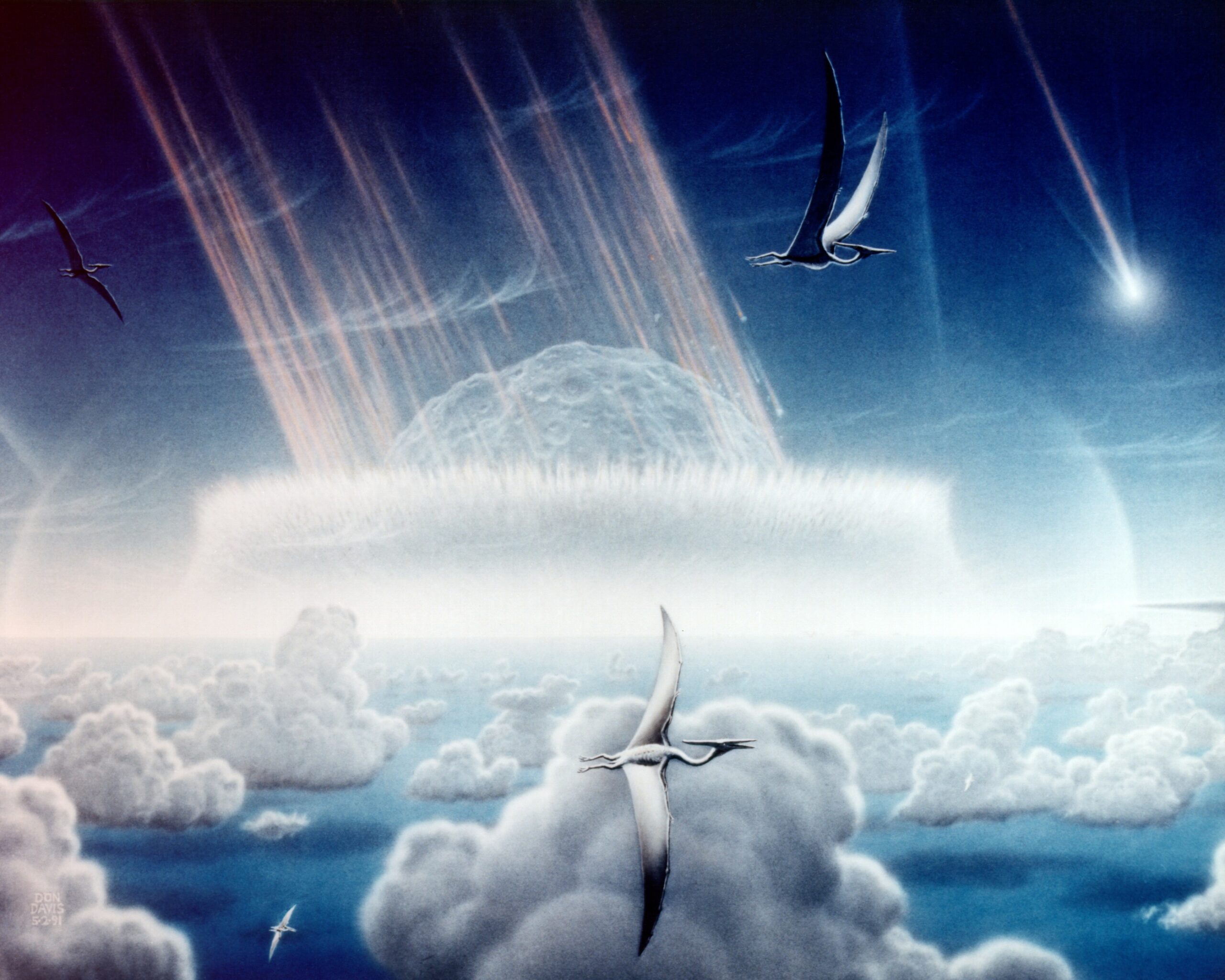
Our planet has experienced five major mass extinction events throughout its 4.5-billion-year history, each wiping out at least three-quarters of all species within relatively short geological timeframes. The “Big Five” include the Ordovician-Silurian, Late Devonian, Permian-Triassic, Triassic-Jurassic, and Cretaceous-Paleogene extinction events, with the last one famously ending the reign of dinosaurs 66 million years ago.
What makes these events truly terrifying is their speed and scale. Mass extinctions are characterized by the loss of at least 75% of species within a geologically short period of time (less than 2 million years). Unlike the gradual disappearance of individual species, these events represent complete ecosystem collapses that fundamentally reshuffled life on Earth. Each recovery took millions of years, creating entirely new evolutionary pathways and dominant life forms.
Modern Extinction Rates: A Shocking Reality Check
The numbers surrounding today’s extinction crisis are staggering and deeply unsettling. The average rate of vertebrate species loss over the last century is up to 100 times higher than the background rate, while some estimates suggest we’re losing species at rates 100 to 1,000 times higher than natural background extinction rates. To put this in perspective, Harvard biologist E. O. Wilson estimated that 27,000 species per year (or three species per hour) are being driven to extinction, compared to the natural background rate of one extinction per million species per year.
These aren’t just abstract statistics – they represent the complete disappearance of unique evolutionary lineages that took millions of years to develop. Under current rates, the number of species that have gone extinct in the last century would have taken, depending on the vertebrate taxon, between 800 and 10,000 years to disappear naturally. This acceleration is unprecedented in Earth’s recent history and shows no signs of slowing down.
The Great Scientific Debate: Sixth Extinction or Crisis?
Scientists remain sharply divided on whether we’ve officially entered the sixth mass extinction. A new study argues that while the decline in biodiversity is real, insects, plants and animals are not disappearing at rates anywhere near approaching a mass extinction, a phenomenon typically defined by the loss of 75% of all species over a geological interval of time. These researchers point out that less than 0.1% of Earth’s known species have gone extinct in the last 500 years.
However, other scientists strongly disagree with this assessment. A December 2022 study published in Science Advances states that “the planet has entered the sixth mass extinction” and warns that current anthropogenic trends could result in the loss of more than a tenth of plant and animal species by the end of the century. The debate often centers on definitions, timescales, and whether we should wait for the catastrophe to fully unfold before acknowledging its severity.
Human Activities: The Primary Culprit
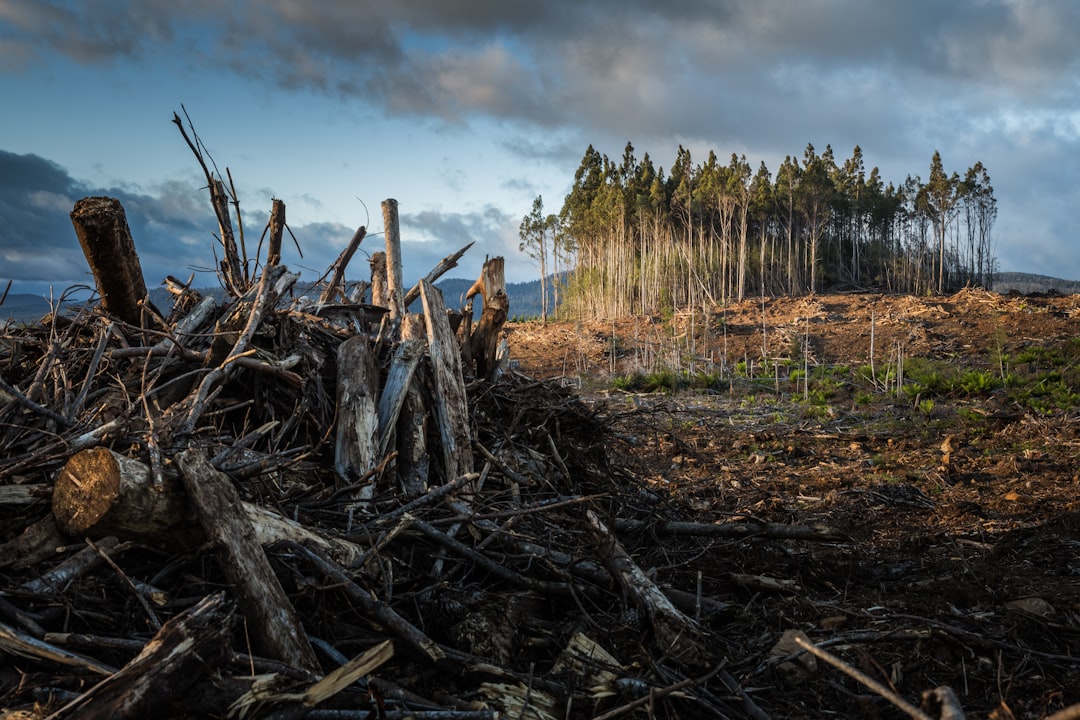
Unlike previous mass extinctions caused by asteroids or volcanic eruptions, this potential sixth extinction has a single, undeniable cause: us. Ninety-nine percent of currently threatened species are at risk from human activities, primarily those driving habitat loss, introduction of exotic species, and global warming. The scale of human impact is breathtaking – human activity has already altered over 70 percent of all ice-free land.
The five main drivers of biodiversity loss, ranked by impact, paint a clear picture of human responsibility. Agriculture is responsible for 90% of global deforestation and accounts for 70% of the planet’s freshwater use, devastating the species that inhabit those places by significantly altering their habitats. Additionally, there are three primary anthropogenic processes that lead to species endangerment and extinction: overharvesting, the introduction of nonnative species including disease, and habitat destruction, with habitat destruction being the most serious threat for most endangered species.
Climate Change: The Accelerating Threat
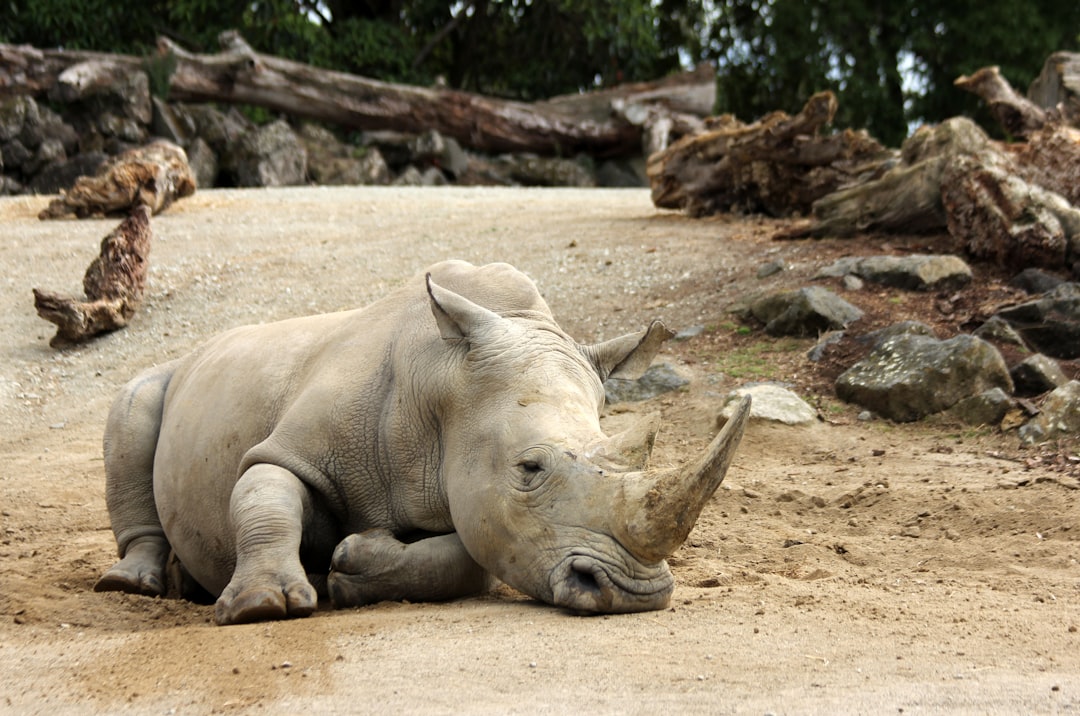
While habitat destruction remains the biggest threat, climate change is rapidly emerging as a major driver of species extinction. Preliminary estimates forecast climate-related extinction of 14%-32% of macroscopic species in the next roughly 50 years, potentially including 3-6 million or more animal and plant species, even under intermediate climate change scenarios. This represents an additional layer of threat beyond traditional conservation challenges.
A recent analysis of more than 70,000 wild animal species found that climate change is now a serious threat to Earth’s wildlife after habitat loss and overexploitation, threatening nearly 5% of these species, with ocean invertebrates imperiled the most. The interconnected nature of climate and biodiversity creates a feedback loop where climate change has caused the loss of local species, increased diseases, and driven mass mortality of plants and animals, resulting in the first climate-driven extinctions.
Ocean Ecosystems Under Siege
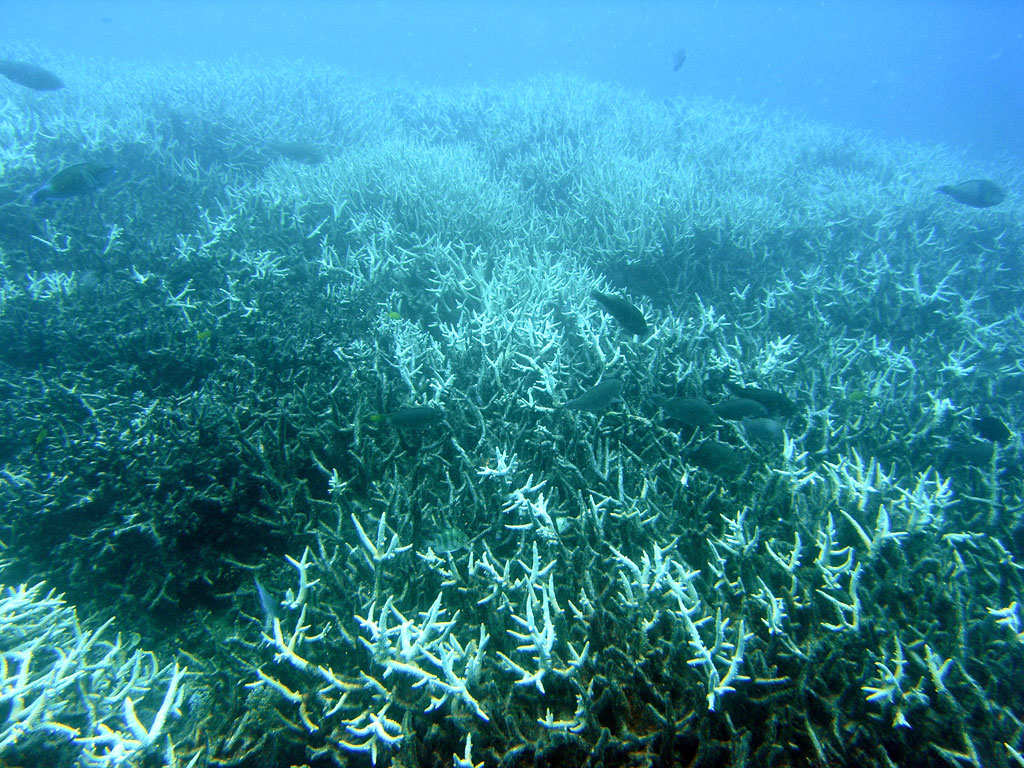
Marine environments face particularly severe threats from human activities and climate change. Marine invertebrates such as mollusks, sea stars, corals and horseshoe crabs are increasingly being impacted by climate change, partly because the Earth’s oceans absorb nearly 90% of the excess heat trapped in the atmosphere due to global warming. This warming is fundamentally altering ocean chemistry and temperature patterns that species have evolved to depend upon over millions of years.
The cascading effects in marine ecosystems demonstrate how interconnected species relationships can amplify extinction risks. Coral reef systems, which support roughly 25% of all marine species despite covering less than 1% of ocean floor, are experiencing unprecedented bleaching events. The collapse of these biodiversity hotspots doesn’t just affect corals – it eliminates entire ecosystems that countless species rely on for survival, creating waves of secondary extinctions.
The Island Effect: A Preview of Global Trends
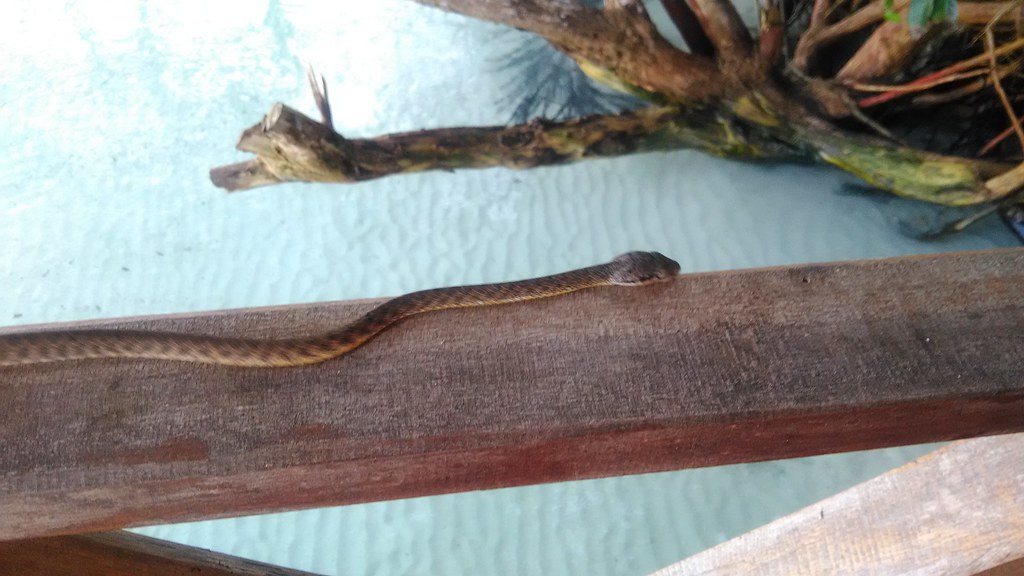
Islands provide a disturbing glimpse into what global extinction might look like. On Guam, after the invasive brown tree snake was accidentally introduced in the 1950s, 10 of the island’s 12 endemic bird species went extinct, disrupting seed dispersal so severely that forest and tree populations decreased dramatically, while spider populations exploded without birds to control them. This example illustrates how a single invasive species can trigger ecosystem collapse.
Island extinctions aren’t just historical curiosities – they’re ongoing tragedies that reveal the vulnerability of isolated ecosystems worldwide. Recent extinctions of plant and animal groups are rare and often confined to island habitats, but these patterns may be expanding to continental ecosystems as habitat fragmentation creates “islands” of natural areas surrounded by human-dominated landscapes. The lessons from island extinctions serve as warnings for what could happen globally if current trends continue.
The Domino Effect: Co-extinctions and Ecosystem Collapse
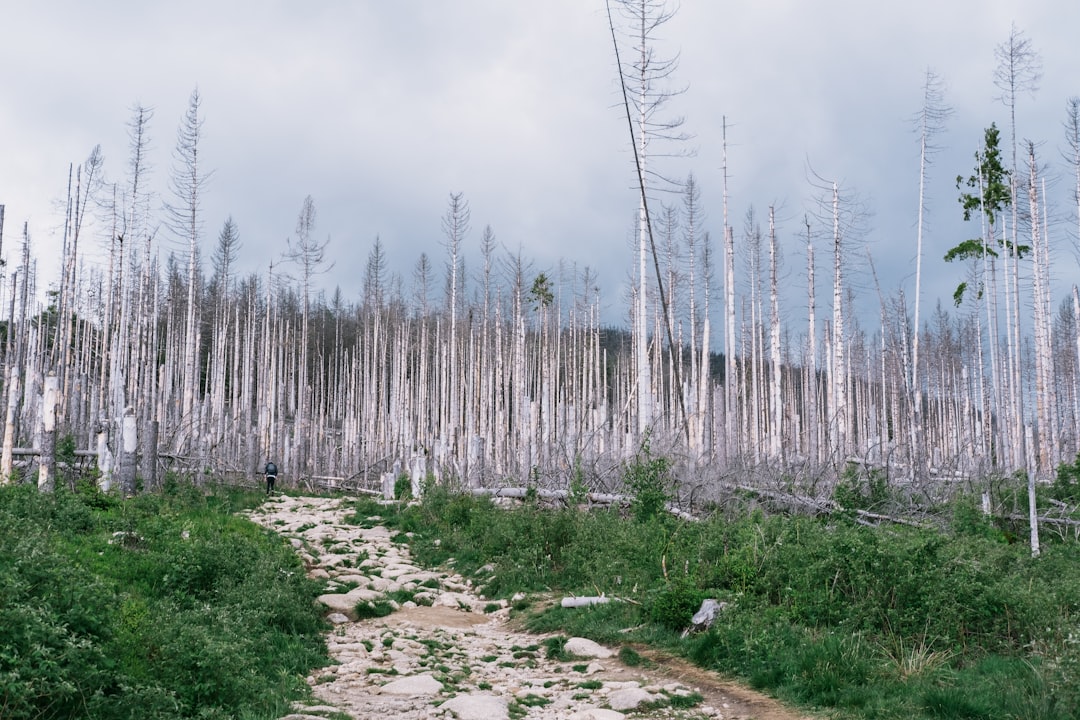
Perhaps the most frightening aspect of modern biodiversity loss is how interconnected species depend on each other for survival. The disappearance of one organism can have ripple effects throughout the ecosystem and could trigger a “co-extinction” – the extinction of dependent species – setting off a chain reaction of extinctions that could end in the ecosystem’s collapse. These cascading effects mean that official extinction counts likely underestimate the true scope of biodiversity loss.
Intense human activities such as land-use change, overexploitation, climate change, pollution and the introduction of invasive species is causing an extinction acceleration that is at least tens to hundreds of times faster than natural extinction processes, with over 400 vertebrate species lost in the last 100 years. Each loss weakens the fabric of ecosystems, making remaining species more vulnerable and potentially triggering avalanches of additional extinctions.
Economic Consequences of Biodiversity Loss
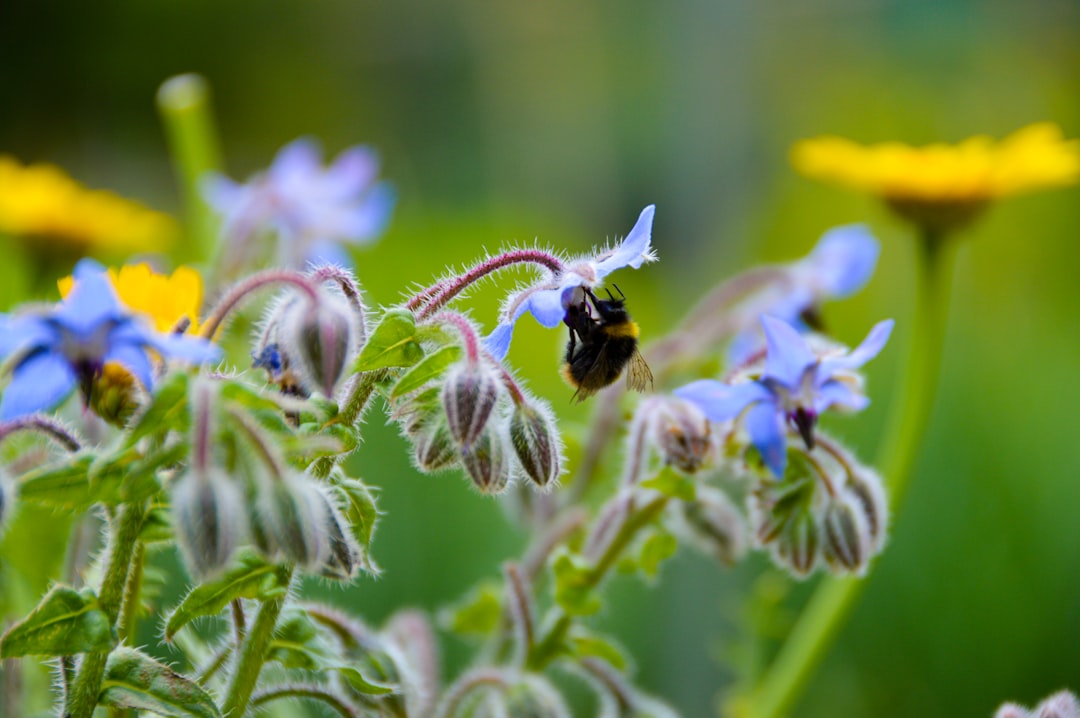
The extinction crisis isn’t just an environmental tragedy – it’s an economic catastrophe in the making. According to a study for the U.N., the continued loss of species could cost the world 18 percent of global economic output by 2050. We’re already seeing real-world impacts across multiple industries, from agriculture to fisheries to pharmaceuticals.
The collapse of bee populations has hurt the $50 billion-a-year global honey industry, while overfishing of Atlantic cod off Newfoundland destroyed livelihoods that had sustained local communities since the 15th century. These examples represent just the tip of the iceberg – countless ecosystem services that we take for granted, from pollination to water purification to climate regulation, depend on biodiversity that’s rapidly disappearing.
Conservation Success Stories and Hope
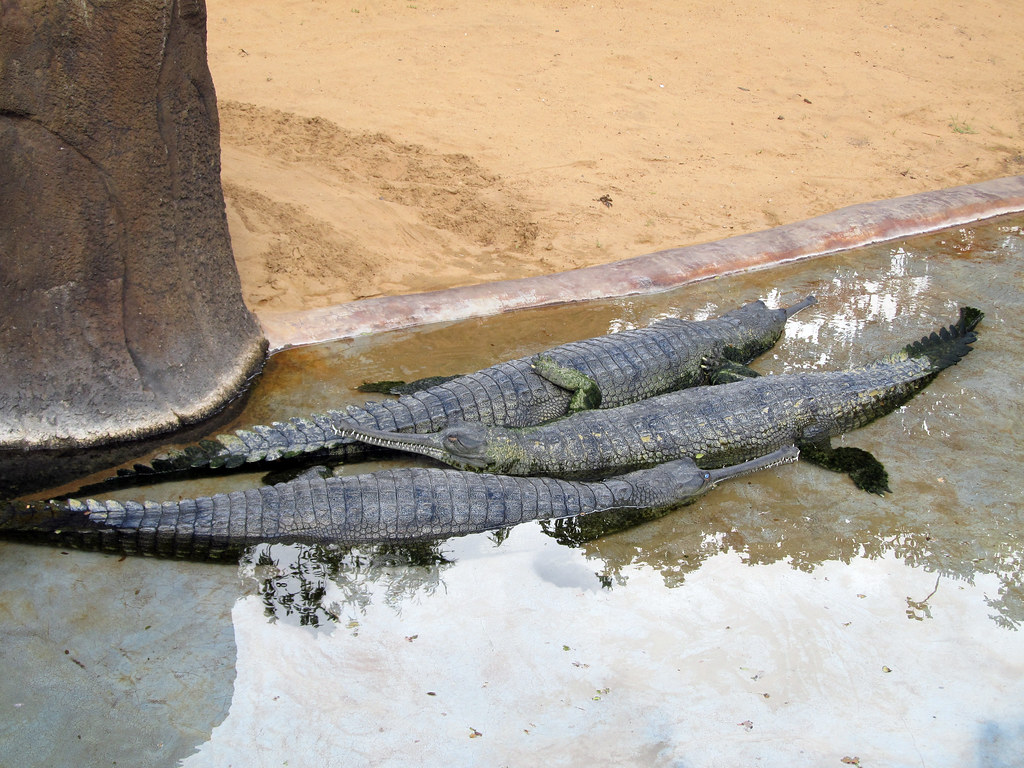
Despite the grim statistics, conservation efforts have achieved remarkable successes that prove species can be saved from extinction. Science-based interventions have a good record in saving species from extinction, with recent losses significantly worse without them, and the most consistently successful actions include establishment of protected areas, habitat restoration, and intensive management of small populations including reintroduction.
These success stories demonstrate that when we commit resources and expertise to conservation, we can reverse even seemingly hopeless situations. From the recovery of California condors to the restoration of wolf populations in Yellowstone, targeted conservation efforts have brought numerous species back from the brink. Conservation efforts, particularly for mammals and birds, may even be causing rates of extinction to decelerate, providing hope that coordinated global action could prevent the worst-case scenarios.
What We Can Do: Solutions and Action
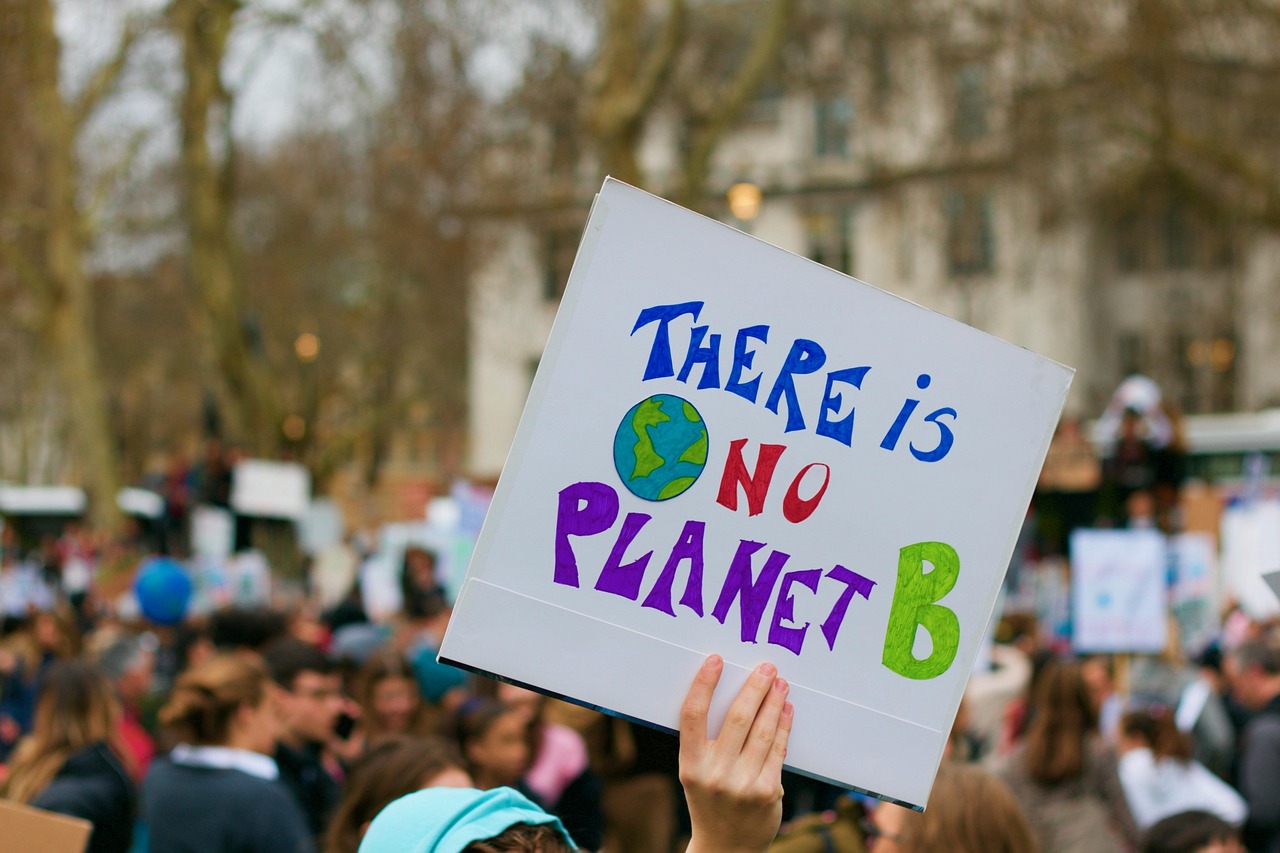
The scale of the extinction crisis might seem overwhelming, but there are concrete actions we can take at every level of society. Conserving and restoring natural spaces, both on land and in the water, is essential for limiting carbon emissions and adapting to climate change. This includes protecting existing wilderness areas and actively restoring degraded ecosystems.
Grassroots action plays a powerful role, with businesses, communities, and individuals able to shift corporate behavior through consumer choices and demand accountability from political leaders. Simple changes in how we live, what we buy, and how we vote can collectively create massive pressure for systemic change. The window for action is closing rapidly, but it’s not yet too late to prevent the worst outcomes if we act decisively now.
Mass extinctions have shaped Earth’s history for billions of years, but never before has a single species held such power over the planet’s biodiversity. Whether we’re already living through the sixth mass extinction or simply witnessing a severe crisis that could still be prevented, one thing remains crystal clear: the choices we make in the coming decades will determine not just which species survive, but whether human civilization can thrive on a planet increasingly stripped of the biological richness that has sustained us throughout our entire existence. The question isn’t just whether other species will survive our impact – it’s whether we can learn to live as part of nature’s web rather than as its destroyer. Will we be remembered as the generation that stopped the sixth extinction, or the one that caused it?