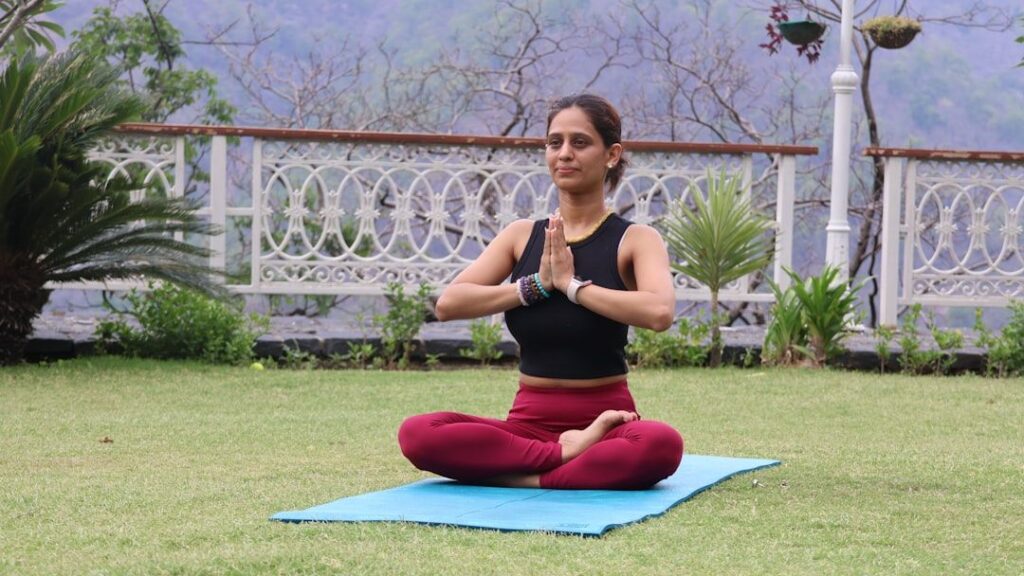
You know that feeling when your emotions seem to have a mind of their own? One minute you’re perfectly fine, the next you’re spiraling into frustration over something small. Here’s the thing: your feelings aren’t happening to you. They’re happening through you.
Learning how to regulate your emotions is a skill that you can develop at any age. Think of emotional regulation like learning to drive a car with a manual transmission. At first it feels clunky and unnatural, but with practice, it becomes second nature. You’re not trying to suppress or eliminate emotions. You’re learning to sit in the driver’s seat instead of being dragged behind the vehicle.
Emotional regulation helps maintain balance, ensuring that emotions don’t overwhelm or disrupt daily functioning. The techniques ahead aren’t quick fixes or magic bullets. They’re practical tools that you can start using today to gain more control over your internal landscape. So let’s dive in and discover what really works when it comes to managing your mood.
Cognitive Reappraisal: Reframing Your Reality
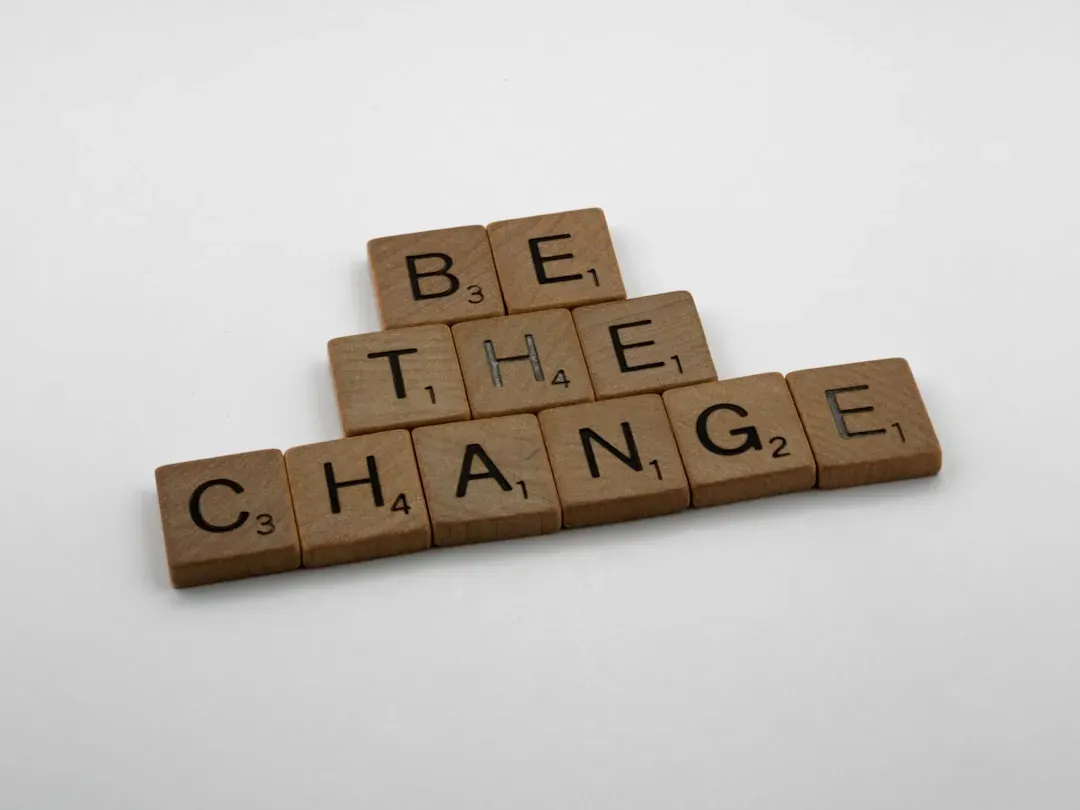
Cognitive reappraisal involves actively changing your perspective of a situation to shift its emotional impact. Imagine you didn’t get that promotion at work. Your first thought might be catastrophic: “I’m a failure.” Reappraisal asks you to pause and consider alternative interpretations. Maybe your boss wants you to gain more experience first, or perhaps someone else simply had more relevant qualifications.
This isn’t about lying to yourself or pretending everything is fine. It’s about recognizing that your initial interpretation isn’t the only truth available. When emotional intensity increases, people are less likely to choose the reappraisal strategy, which is why practicing this skill during calm moments matters so much. Start small by reframing minor annoyances throughout your day.
The beauty of cognitive reappraisal lies in its flexibility. You can use it in real time or after the fact when reflecting on difficult experiences. Let’s be real, this takes effort at first. Your brain loves its familiar thought patterns, even the negative ones.
Mindfulness Practice: The Art of Present-Moment Awareness

Mindfulness is a proven approach to improving emotion regulation. Think of mindfulness as creating a small gap between what you feel and how you react. In that gap lives your power to choose. When you practice mindfulness, you’re training yourself to observe emotions as temporary visitors rather than permanent residents.
When you face stressful situations, you can tap into feelings of peace to help regulate emotions. Try this: next time anxiety shows up, notice where you feel it in your body. Is your chest tight? Is your stomach churning? Simply naming these sensations without judgment can reduce their intensity.
The misconception about mindfulness is that it requires hours of meditation on a mountaintop. Actually, you can practice it while washing dishes, waiting in line, or sitting in traffic. It’s about bringing your full attention to whatever is happening right now, even if what’s happening is uncomfortable. The goal isn’t to feel peaceful all the time. The goal is to stop fighting reality.
Understanding Your Emotional Triggers

Emotional triggers are like landmines buried in your daily life. You don’t see them coming until they explode. Identifying emotional triggers is a practical strategy to enhance emotional regulation skills. Start paying attention to patterns: What situations consistently make you feel overwhelmed? Which people drain your energy? What times of day are you most emotionally vulnerable?
Keeping track of these patterns doesn’t require fancy apps or complicated systems. A simple note on your phone works fine. Write down what happened, what you felt, and what you did in response. Over time, you’ll start seeing connections you never noticed before.
Here’s where it gets interesting: once you know your triggers, you can either avoid them when possible or prepare yourself mentally before facing them. If you know that family dinners tend to stress you out, you can practice grounding techniques beforehand. By pausing and taking a deep breath, individuals can slow down the moment between a trigger and their response. This isn’t about becoming emotionless. It’s about not being ambushed by your own reactions.
The Physical Connection: Body-Based Regulation Techniques

Your body and emotions aren’t separate entities. They’re constantly talking to each other, usually without you noticing. Research has revealed that the parasympathetic nervous system can be actively engaged after trauma and stress to help improve emotion regulation. This means you can literally calm your nervous system through physical actions.
Deep breathing isn’t just a cliché. It works because it signals to your brain that you’re safe. When you’re stressed, your breathing becomes shallow and rapid. Deliberately slowing it down interrupts that stress response. Try breathing in for four counts, holding for four, and exhaling for six. The longer exhale activates your body’s relaxation response.
Physical exercise is another powerful tool that doesn’t get enough credit in emotional regulation discussions. Healthy lifestyle behaviors like exercise, good sleep, and spending time with friends elevates mood. You don’t need to run a marathon. A ten-minute walk can shift your emotional state significantly. Movement gets you out of your head and into your body, which is often exactly where you need to be.
Acceptance: The Paradox of Letting Go

Practice acceptance and mindfulness to calm the nervous system and regain emotional equilibrium. I know it sounds counterintuitive, but accepting difficult emotions actually makes them less powerful. When you fight against sadness or anxiety, you’re adding a second layer of suffering on top of the original pain. You’re now upset about being upset.
Acceptance doesn’t mean resignation or giving up. It means acknowledging what is actually happening right now without immediately trying to fix it or push it away. Think about how exhausting it is to constantly battle your own feelings. What if you stopped fighting and just let them exist for a while?
This technique requires practice because our instinct is to avoid discomfort at all costs. Experience emotion as a wave, coming and going, and try not to block emotion. The next time you feel something unpleasant, try saying to yourself: “This is anxiety” or “This is disappointment.” Don’t analyze it or judge it. Just name it and let it be there. You might be surprised how quickly it passes when you stop struggling against it.
Strategic Distraction: When to Step Away

The distraction strategy involves shifting attention to a positive or neutral thought, or focusing attention on a different activity. There’s a time and place for distraction, despite what some people might tell you. The key is using it strategically rather than as your only coping mechanism. Sometimes you need immediate relief from overwhelming emotions, and that’s okay.
While you don’t want to block or avoid feelings entirely, it’s not harmful to distract yourself until you’re in a better place to deal with them. The crucial part is that you plan to come back to those feelings later when you’re more equipped to handle them. Healthy distraction might look like calling a friend, watching a favorite show, or diving into a creative project.
The danger zone is when distraction becomes avoidance. If you’re constantly running from your emotions through alcohol, excessive shopping, or endless scrolling, that’s a different story. Distraction results effective mostly when it is connected with a conscious effort. Choose your distractions intentionally, use them as a temporary bridge, and remember to cross back when you’re ready.
Building Emotional Resilience Through Behavioral Activation

Behavioral activation is a systematic process of identifying mood-elevating behavioral goals and outlining a plan to overcome obstacles. This technique sounds simple, but it’s incredibly powerful: when you don’t feel like doing anything, do something anyway. Depression and anxiety love inertia. They thrive when you stay stuck.
Start ridiculously small if you need to. We’re talking about brushing your teeth, making your bed, or stepping outside for thirty seconds. These micro-habits create noticeable improvements in focus, recovery, and emotional regulation without demanding extra effort. The goal is to interrupt the downward spiral by taking tiny actions that prove to your brain that you still have agency.
Make a list of activities that typically improve your mood, even slightly. Maybe it’s listening to a specific playlist, cooking a favorite meal, or texting someone who makes you laugh. When you’re feeling low, refer to this list instead of trying to come up with ideas on the spot. Your depressed brain is terrible at problem-solving, so do the work ahead of time. Over time, these small actions accumulate into real momentum.
Conclusion
By understanding factors that influence emotional regulation, you can develop better strategies through techniques like mindfulness, cognitive reappraisal, and breathing exercises. Mastering your mood isn’t about achieving some zen-like state where nothing bothers you. It’s about having options when difficult emotions show up, which they always will. Life is messy and unpredictable, but your response to it doesn’t have to be.
These seven techniques work best when you experiment with them and find what fits your specific needs. Some days cognitive reappraisal will save you. Other days you’ll need physical movement or strategic distraction. Regulation requires consistency, not perfection, an ongoing practice rather than a one-time fix. The fact that you’re reading this means you’re already taking the first step toward greater emotional awareness.
What technique are you going to try first? Which one resonates most with where you are right now? Your emotions are information, not instructions. Learning to work with them instead of against them might be one of the most valuable skills you ever develop.