A global survey of over 16,000 individuals illuminates the distribution of the 16 Myers-Briggs types, highlighting stark differences in prevalence.
ENTJ Emerges as the Rarest at Just 1.8%
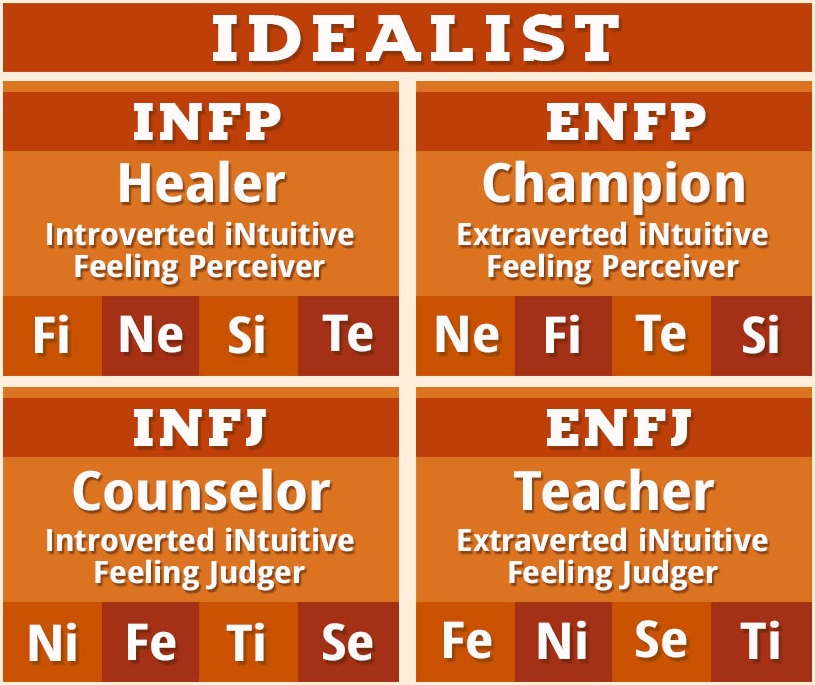
ENTJ Emerges as the Rarest at Just 1.8% (Image Credits: Upload.wikimedia.org)
Researchers identified ENTJ as the scarcest type, representing only 1.8% of participants. This finding came from a sample of 16,773 people across 23 countries, detailed in the MBTI Manual Fourth Edition published in 2018.
ENFJ followed closely at 2.2%, with INFJ at 2.3% and INTJ at 2.6%. These figures marked a shift from earlier estimates, where INFJ often held the rarest spot. Experts noted that cultural changes, such as greater acceptance of introversion, contributed to evolving patterns.
The data underscored gender variations too. Among males, INFJ and ENFJ tied for rarity at lower rates, while ENTJ proved scarcest for females at 1.5%.
Full Rarity Rankings in One View
A comprehensive breakdown revealed a wide spectrum, from outliers to everyday types. The following table captures the percentages from rarest to most common:
| Personality Type | Percentage of Sample |
|---|---|
| ENTJ | 1.8% |
| ENFJ | 2.2% |
| INFJ | 2.3% |
| INTJ | 2.6% |
| ENTP | 4.3% |
| INTP | 4.8% |
| ESFJ | 5.7% |
| ESFP | 6.0% |
| ESTP | 6.1% |
| INFP | 6.3% |
| ISFP | 6.6% |
| ENFP | 8.2% |
| ISFJ | 8.4% |
| ESTJ | 9.0% |
| ISTP | 9.8% |
| ISTJ | 15.9% |
ISTJ dominated as the most prevalent, accounting for nearly one in six respondents.
Common Types Do Not Guarantee Belonging
ISTJ topped the list at 15.9%, yet this figure highlighted a key insight: even dominant types leave most people feeling unique. As one analysis noted, “Even the most common personality type only makes up 15.9% of the global sample that was used for the survey! This means that regardless of your type there’s a good chance that you feel misunderstood.”
Prevalence offered no shield against misunderstanding. Participants of all types reported distinctive worldviews, regardless of numbers. Surveys captured self-selected respondents, potentially skewing toward those intrigued by typology.
Factors Behind Shifting Statistics
Numbers fluctuated over time due to sample differences and societal trends. Older data from 1972 to 2002 showed higher ESFJ rates, for instance. Recent shifts elevated some introverted types amid broader cultural recognition.
Limitations persisted. The 16,773-person sample, though international, underrepresented certain groups less drawn to personality assessments. Gender splits added nuance, with INTJ rarer among females than overall rankings suggested.
Analysts urged focus beyond rarity. “Whether you’re 1% or 2.3%, though, the real point isn’t how rare you are. It’s that your way of seeing the world is distinctive. And when it’s healthy and grounded, it’s powerful,” one expert observed.
Key Takeaways
- No type exceeds 16% of the population, emphasizing universal uniqueness.
- ENTJ leads as rarest overall, with gender-specific patterns varying results.
- Statistics evolve; treat them as snapshots, not absolutes.
Rarity rankings remind us that every Myers-Briggs type brings a singular lens to life, backed by data from the Psychology Junkie analysis of official sources. What is your type, and does its rarity resonate? Tell us in the comments.