
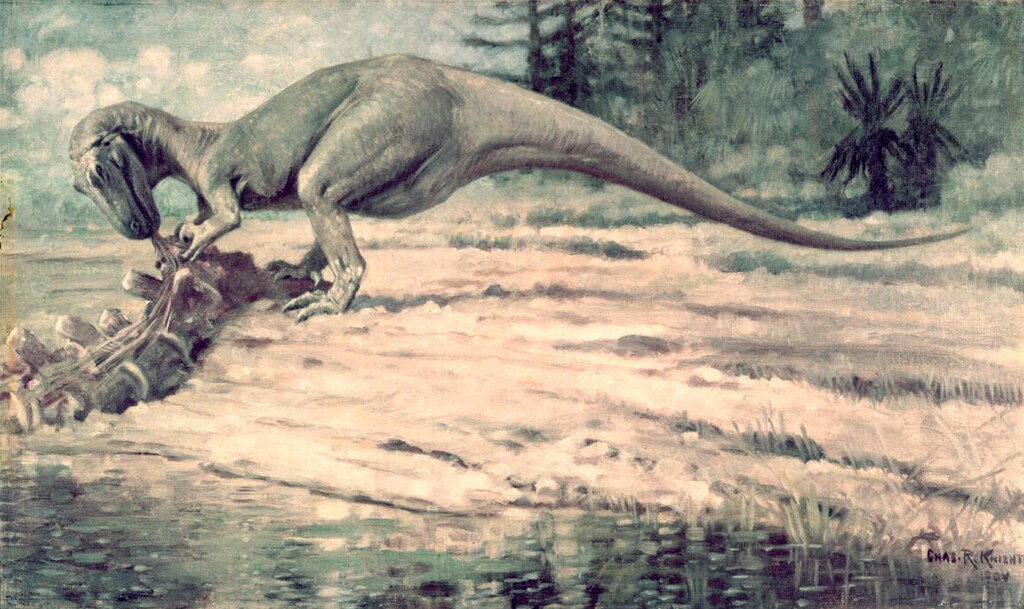
The prehistoric world was dominated by fearsome predators that have captured our imagination since the first dinosaur fossils were discovered. Among these ancient hunters, Velociraptor and Allosaurus stand out as iconic carnivores, though they lived millions of years apart and employed distinctly different hunting strategies. While popular culture often depicts these dinosaurs inaccurately, paleontological evidence provides fascinating insights into how these predators lived, hunted, and evolved. This comparison explores the similarities and differences between these remarkable prehistoric carnivores, examining their physical characteristics, hunting behaviors, evolutionary significance, and the ecosystems they dominated.
Timeline and Evolutionary Context
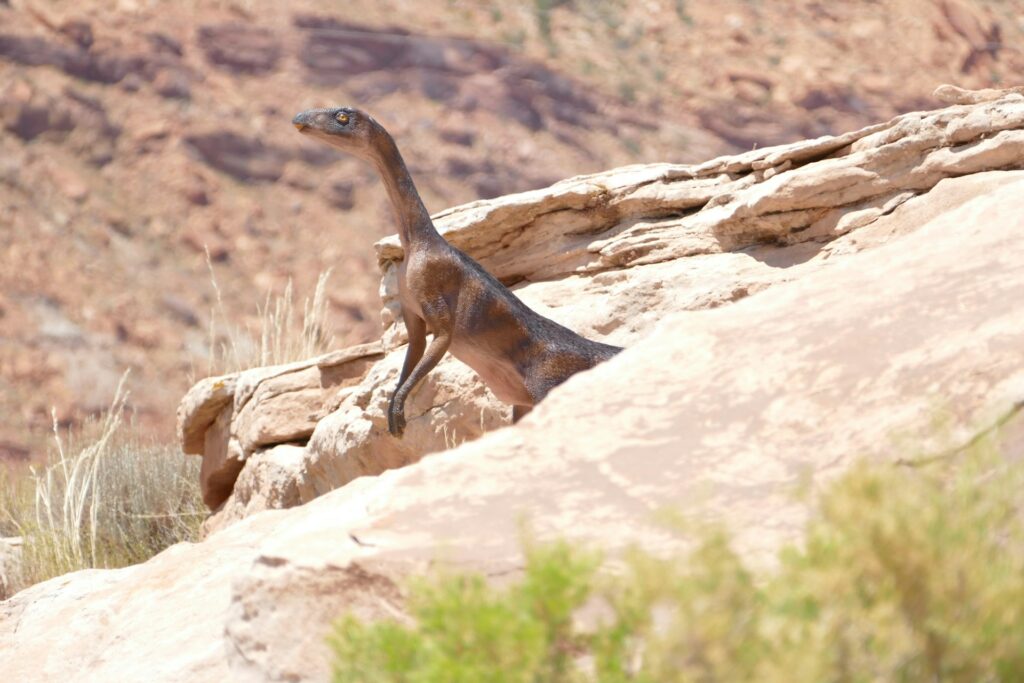
Velociraptor and Allosaurus existed during completely different geological periods, separated by approximately 80 million years. Allosaurus thrived during the Late Jurassic period, approximately 155 to 145 million years ago, serving as one of the apex predators of its time. Velociraptor, on the other hand, lived much later during the Late Cretaceous period, approximately 75 to 71 million years ago. This substantial time gap meant these two predators never encountered each other and evolved under different environmental pressures and alongside different contemporaries. Allosaurus belongs to the Allosauridae family within the larger group of tetanuran theropods, while Velociraptor was a dromaeosaurid, much more closely related to modern birds. These distinct evolutionary paths resulted in predators optimized for different hunting niches within their respective ecosystems.
Size Comparison

The size difference between these two predators was dramatic and reflects their different ecological roles. Allosaurus was a massive predator, typically measuring between 28 and 33 feet (8.5 to 10 meters) in length and standing approximately 16.5 feet (5 meters) tall. Adult specimens likely weighed between 1.5 to 2.5 tons, placing them among the largest predators of the Jurassic period. Velociraptor, contrary to its portrayal in popular media, was much smaller, roughly the size of a large turkey or small wolf. A typical Velociraptor measured only about 6.8 feet (2.07 meters) in length, stood about 1.6 feet (0.5 meters) tall at the hip, and weighed approximately 33 pounds (15 kilograms). This stark contrast in size influenced every aspect of their predatory behavior, from prey selection to hunting methods.
Skull and Bite Mechanics
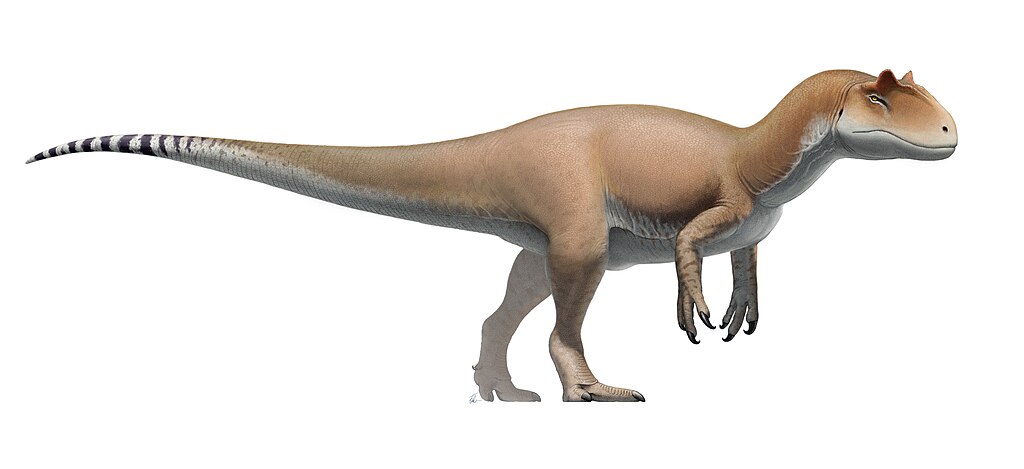
The skull structures of Velociraptor and Allosaurus reveal significant differences in how these predators dispatched their prey. Allosaurus possessed a massive skull measuring up to 3 feet (0.9 meters) long, equipped with dozens of serrated, blade-like teeth designed for slicing through flesh. Biomechanical studies suggest Allosaurus had a relatively weak bite force compared to its size, but used its skull like a hatchet, opening its jaws extremely wide and using the weight of its head to drive its teeth into prey. Velociraptor, despite its smaller size, had a proportionally longer skull with a distinctive downward-curved snout and approximately 26-28 teeth in each jaw. These teeth were more needle-like than the broader blades of Allosaurus, designed for precision bites that could pierce deeply into smaller prey. Velociraptor’s bite force, while not as powerful as some modern predators, was sufficient for its hunting strategy that likely relied more on its sickle-shaped claws than its jaws for delivering killing blows.
Limbs and Mobility

The limb structure of these two predators reveals fundamental differences in their movement and hunting approaches. Allosaurus was a powerful but relatively slow-moving predator with robust hindlimbs built for walking and short bursts of running, though nowhere near the speeds often depicted in films. Its maximum speed has been estimated at around 30 mph (48 km/h) for short distances. The forelimbs of Allosaurus were shorter than its hindlimbs but still substantial, featuring three digits with large claws likely used to grasp struggling prey. Velociraptor, meanwhile, was built for agility and speed, with long, slender hindlimbs that gave it an estimated running speed of approximately 24 mph (39 km/h) – impressive given its much smaller size. Its forelimbs were proportionally longer than those of Allosaurus, with three digits capable of grasping prey. The most distinctive feature of Velociraptor’s limbs, however, was the famous sickle-shaped second claw on each foot, measuring up to 3.5 inches (9 cm) long, which served as its primary killing tool.
Hunting Strategies

The hunting strategies employed by these predators were as different as their physical forms. Allosaurus likely employed an ambush or pursuit strategy against large prey, possibly including massive sauropods and stegosaurs. Evidence suggests it may have hunted in loose groups or packs to take down particularly large prey, though it was certainly capable of hunting alone as well. Its hunting technique likely involved powerful bites to create large, bleeding wounds, potentially allowing it to track wounded prey until they succumbed to blood loss and exhaustion. Velociraptor, with its smaller frame but greater agility, likely specialized in hunting prey significantly smaller than itself, including small dinosaurs and primitive mammals. Unlike the popular depiction of pack hunting, the evidence for cooperative hunting in Velociraptor remains limited. Its principal attack method would have involved leaping onto prey and using its sickle claws to deliver deep, penetrating wounds while gripping with its forelimbs and jaws. This highly specialized killing technique was more akin to modern birds of prey than to large mammalian predators.
Intelligence and Social Behavior
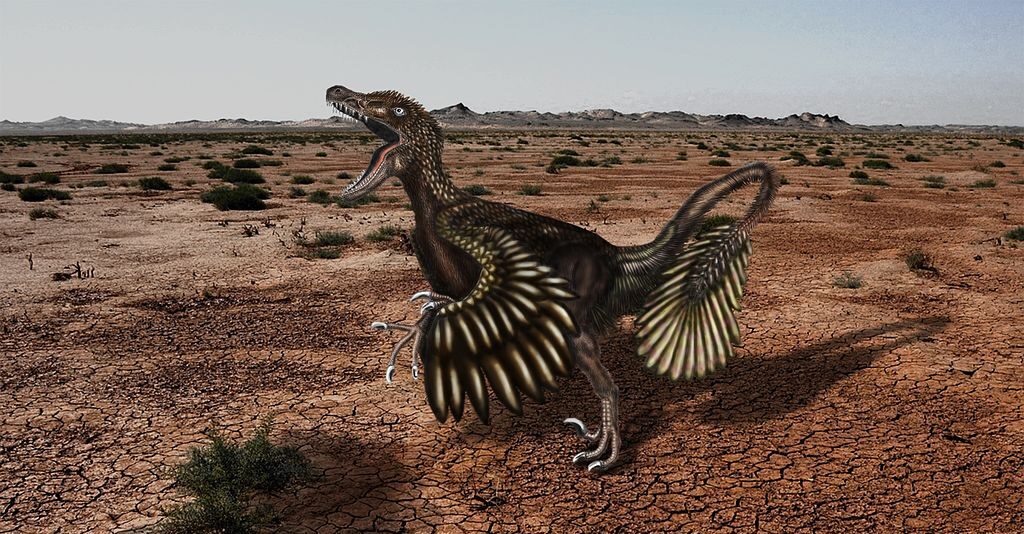
Brain size relative to body mass provides clues about the intelligence and social capabilities of these ancient predators. Velociraptor had a significantly larger brain relative to its body size compared to Allosaurus, suggesting higher intelligence and possibly more complex social behaviors. Endocasts of Velociraptor brains show enlarged cerebral hemispheres and visual processing centers, indicating good eyesight and potentially sophisticated problem-solving abilities. As a dromaeosaurid closely related to birds, Velociraptor likely possessed intelligence comparable to some modern birds of prey. Allosaurus, while not unintelligent for its time, had a smaller brain-to-body ratio typical of large Jurassic predators. It likely possessed sufficient intelligence for basic hunting strategies but probably lacked the cognitive complexity of later theropods like Velociraptor. Some fossil evidence suggests Allosaurus individuals may have occasionally gathered at feeding sites, though whether this represents genuine social behavior or simply opportunistic feeding remains debated among paleontologists.
Feathers vs. Scales

One of the most significant differences between these predators involves their skin coverings, reflecting their positions on the evolutionary road to birds. Velociraptor was feathered, as evidenced by quill knobs found on its forearm bones – the same structures that anchor wing feathers in modern birds. These feathers were not used for flight but may have served for display, insulation, or balance when running. The entire body of Velociraptor was likely covered in feathers of various types, from simple filaments to more complex structures on its arms, making it appear more like a flightless bird of prey than the scaled reptile often depicted in popular media. Allosaurus, living much earlier and being more distantly related to birds, was primarily covered in scales, though some paleontologists have suggested it might have had simple filamentous structures on parts of its body. Recent evidence increasingly supports the hypothesis that many theropod dinosaurs had at least some feather-like structures, but Allosaurus would have been predominantly scaled, presenting a more traditionally “dinosaurian” appearance.
Prey Selection
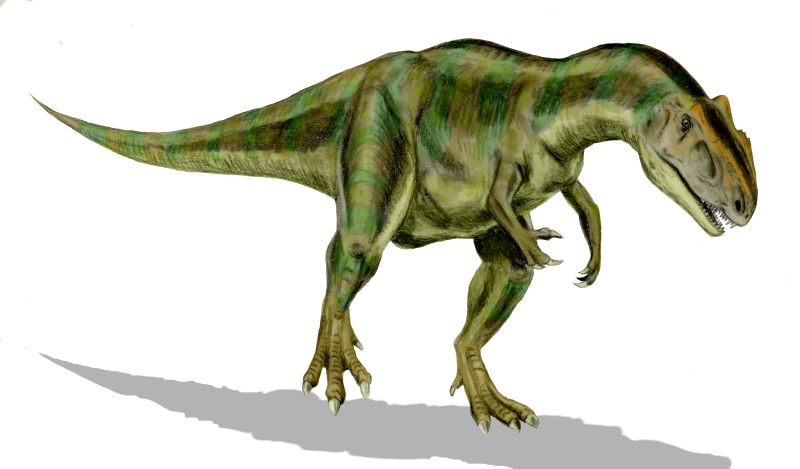
The vast size difference between these predators naturally led to different prey preferences, though both were carnivores at the top of their respective food chains. Allosaurus was capable of tackling extremely large prey, including sauropods like Diplodocus and Apatosaurus, though it likely preferred to attack juveniles or already weakened individuals of these massive species. Other common prey would have included ornithopods and stegosaurs, with Allosaurus possibly using its agility to outmaneuver these herbivores despite their defensive adaptations. Fossil evidence has shown Allosaurus’ teeth marks on various dinosaur bones, confirming its broad diet. Velociraptor, with its much smaller size and specialized killing claws, targeted appropriately sized prey, including small dinosaurs, primitive mammals, and reptiles. A famous fossil discovery shows a Velociraptor locked in combat with a Protoceratops, suggesting these ceratopsians were among its prey items. The predator’s small size would have limited it to prey weighing no more than itself, though its agility and weaponry made it a formidable hunter within that range.
Habitat and Geographic Distribution
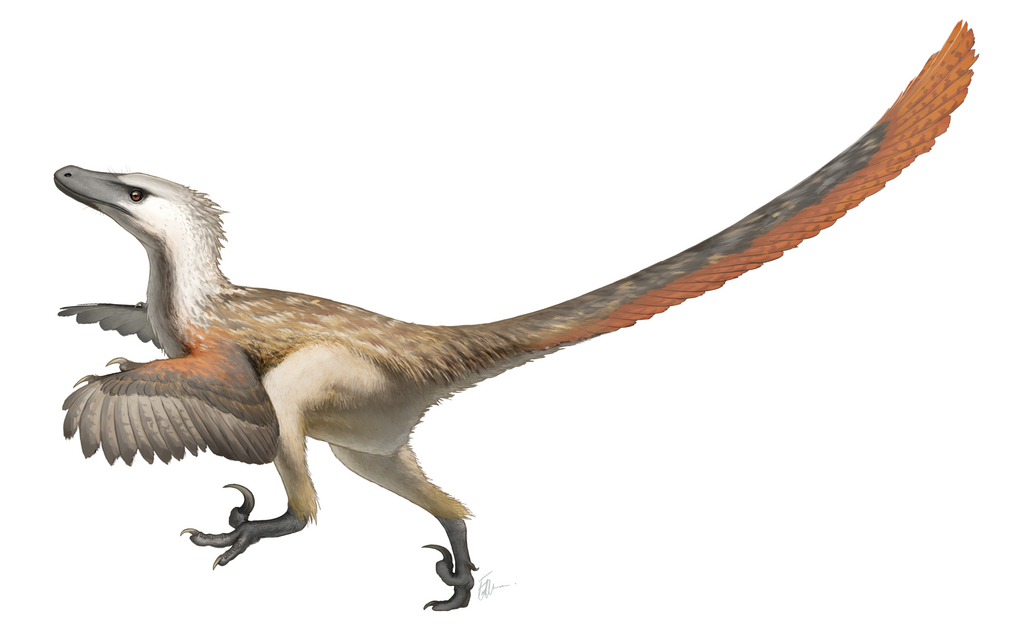
These predators dominated different geographic regions during their respective periods. Allosaurus fossils have been discovered primarily in the western United States, particularly in the Morrison Formation, which stretches across states including Colorado, Utah, Wyoming, and Montana. This region during the Late Jurassic was a semi-arid environment with seasonal rivers and floodplains, supporting a diverse ecosystem including massive sauropods and other large dinosaurs. Allosaurus remains have also been found in Portugal, suggesting a wider distribution across what would become North America and Europe. Velociraptor inhabited a very different world millions of years later, with fossils discovered exclusively in what is now Mongolia, particularly in the Djadochta Formation. This environment consisted of arid desert conditions with dunes and occasional oases. The different environments reflect not only the geographic separation but also the significant climate changes that occurred between the Jurassic and late Cretaceous periods.
Fossil Record and Scientific Knowledge

Our understanding of these dinosaurs varies considerably based on the quality and quantity of fossil evidence available. Allosaurus is known from numerous specimens, including several nearly complete skeletons, making it one of the best-understood large theropods. The most famous specimen, nicknamed “Big Al,” is approximately 95% complete and has provided invaluable insights into Allosaurus anatomy and pathology. The abundance of Allosaurus fossils has allowed scientists to study growth patterns, potential sexual dimorphism, and even evidence of diseases and injuries. Velociraptor, by contrast, is known from fewer specimens, though several are remarkably well-preserved. The most famous Velociraptor fossil is the “Fighting Dinosaurs” specimen, which preserves a Velociraptor and Protoceratops locked in combat when they were buried by a dune collapse. This remarkable fossil provides direct evidence of predatory behavior that is exceedingly rare in the fossil record and offers unique insights into how Velociraptor used its killing claws.
Speed and Agility

The locomotive capabilities of these predators reflected their different hunting niches and physical builds. Velociraptor, with its lightweight frame and long, slender legs, was built for speed and maneuverability. Biomechanical studies suggest it could run at speeds of up to 24 mph (39 km/h) and change direction rapidly – abilities crucial for chasing small, agile prey through its desert habitat. Its long tail, stiffened by bony projections called zygapophyses, would have acted as a counterbalance, allowing for tight turns while maintaining stability. Allosaurus, despite its much larger size, was surprisingly fast for a predator of its dimensions, with speed estimates ranging from 19 to 34 mph (30 to 55 km/h) in short bursts. However, its massive body weight would have limited sustained running, making it more likely to rely on ambush tactics or short chases rather than prolonged pursuits. Its long tail similarly provided balance, while powerful leg muscles gave it the acceleration needed to surprise prey despite its size.
Cultural Impact and Depictions
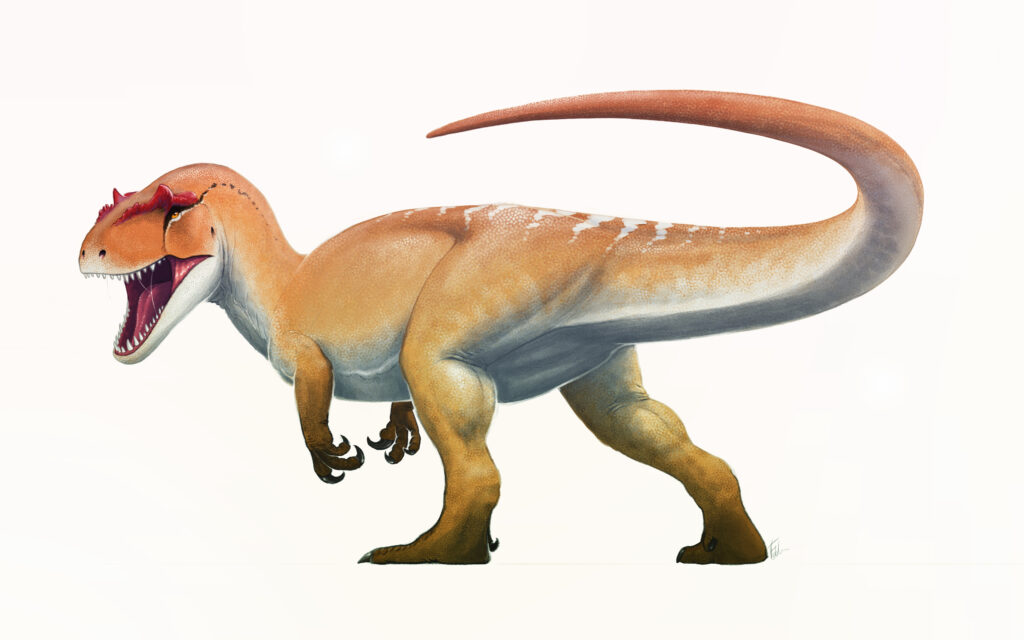
Both dinosaurs have made significant impressions on popular culture, though often with substantial scientific inaccuracies. Velociraptor gained worldwide fame through its prominent featuring in the “Jurassic Park” franchise, where it was portrayed as much larger than its actual size, lacking feathers, and hunting in coordinated packs. The “raptors” depicted in these films were closer in size to Velociraptor’s larger relative, Deinonychus. Despite these inaccuracies, the films helped cement Velociraptor as one of the most recognizable dinosaurs and sparked public interest in dromaeosaurids. Allosaurus, while less prominent in popular media, has appeared in numerous documentaries and films, often correctly portrayed as a top predator of the Jurassic period. It features prominently in museum displays worldwide, including the famous specimen at the Natural History Museum in London and the “Big Al” display at the Museum of the Rockies. Both dinosaurs continue to evolve in cultural depictions as scientific understanding advances, with more recent portrayals beginning to incorporate features like feathers for Velociraptor.
Evolutionary Legacy

The evolutionary significance of these predators extends far beyond their existence, revealing important chapters in dinosaur evolution. Velociraptor stands as an important transitional form in the lineage leading to modern birds, exhibiting numerous avian features including feathers, a wishbone (furcula), and a brain structure increasingly reminiscent of birds. Its study has provided crucial evidence supporting the now well-established theory that birds are living dinosaurs, specifically descended from small, feathered theropods. Modern research shows that many of Velociraptor’s specialized features, including its sickle claw and long arms, represent adaptations that evolved in the line of theropods that would eventually give rise to true birds. Allosaurus, while not directly ancestral to later famous predators like Tyrannosaurus rex, represents a crucial evolutionary step in the development of large theropod predators. Its skull design, with kinetic joints that allowed for a flexible bite, and its blade-like teeth represent specialized adaptations for large-bodied predation that would influence later theropod evolution. Together, these two predators help illustrate the remarkable diversity and specialization achieved by theropod dinosaurs across the Mesozoic era.
Conclusion
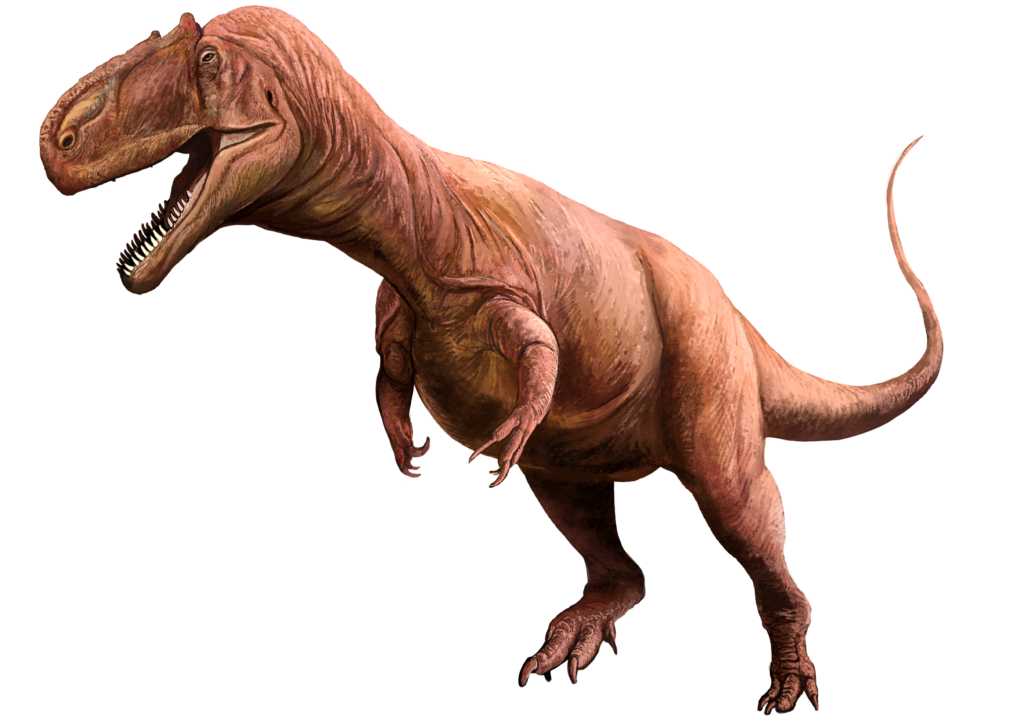
Velociraptor and Allosaurus represent two dramatically different evolutionary paths within theropod dinosaurs. While they shared a common ancestor and both evolved as specialized predators, they differed vastly in size, hunting strategy, and physical adaptations. Allosaurus dominated the Jurassic landscape as a massive apex predator capable of tackling some of the largest prey animals ever to walk the Earth, while Velociraptor employed speed, agility, and specialized killing claws to hunt smaller prey in late Cretaceous Mongolia. Their differences highlight the incredible evolutionary diversity of theropod dinosaurs and how these animals adapted to various ecological niches across millions of years. As our scientific understanding continues to evolve, so too does our appreciation for these remarkable prehistoric predators that continue to captivate our imagination and deepen our understanding of life’s evolutionary history.


