Mexico – Home to sweeping deserts, lush rainforests, and jagged mountain ranges, the nation grapples with protecting its extraordinary natural wealth against persistent financial constraints.
A Global Leader in Species Richness Faces Urgent Threats
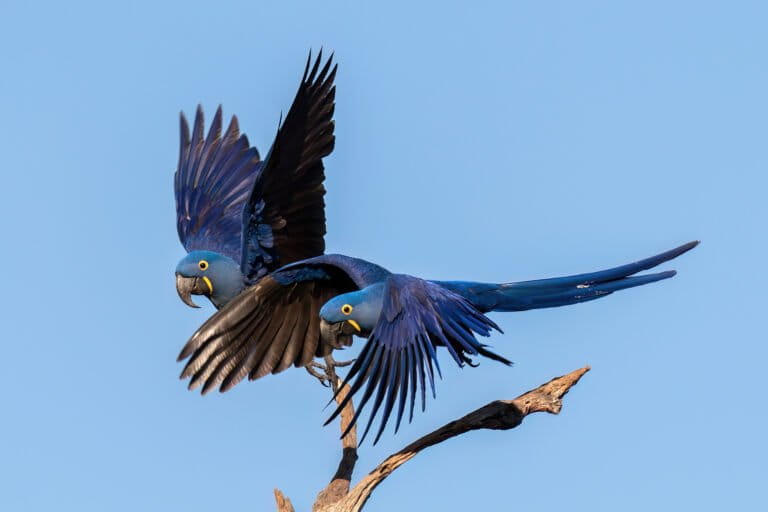
A Global Leader in Species Richness Faces Urgent Threats (Image Credits: Imgs.mongabay.com)
Mexico holds the third-highest number of mammal species worldwide, surpassing 530 documented varieties amid diverse biomes stitched by the Sierra Madre ranges. Reptiles number 864, nearly half endemic, while traditional communities rely on close to 5,000 plant species. This megadiversity positions the country among 17 nations safeguarding most of Earth’s unique life forms. Yet habitat loss from agriculture and logging, water shortages, and rising seas imperil species like the endangered Mexican alligator lizard and prairie dog.
Conservation International’s Daniela Carrión described Mexico as a “megadiverse” country confronting land-use pressures and climate impacts akin to those worldwide. Protected areas already span 14% of land and 25% of seas, with plans to reach 95 million hectares by late 2024.
International Pledges Set Ambitious Benchmarks
The 2022 Kunming-Montreal Global Biodiversity Framework outlined targets like conserving 30% of land, waters, and oceans by 2030, alongside ramped-up financing. Nations committed $20 billion annually by 2025 for developing countries, scaling to $30 billion by decade’s end, though pledges reached only $386 million for the managing Global Biodiversity Framework Fund by late 2025. Mexico aligned through the Mex30x30 initiative, securing $18.5 million from the fund to bolster management across millions of hectares.
Partners including the National Commission of Natural Protected Areas (CONANP), Conservation International, and the Mexican Fund for Nature Conservation target six key zones like Chimalapas and Balam Kú. Over 70% of funds support Indigenous and local communities, aiming to cut CO2 emissions by 9.43 million metric tons while generating equitable benefits.
Domestic Budget Cuts Undermine Progress
National spending reveals the core challenge, with environmental allocations down 52% since 2007. CONANP’s 2026 budget stands at 1.002 billion pesos ($52 million), a 3% drop from 2025 and the lowest in two decades, equating to just 10.22 pesos ($0.56) per hectare across 98 million hectares in 232 protected areas. Wildlands Network’s Gina Chacón warned that budgets expose true priorities, stating chronic declines have eroded conservation’s foundation for 20 years.
Ninety-two areas lack formal management plans, leaving icons like jaguars, vaquitas, and monarch butterflies vulnerable to poaching and illegal logging. Daniel Martín of NOSSA highlighted how underfunding turns commitments into empty rhetoric, jeopardizing biodiversity and climate resilience.
| Year | CONANP Budget (USD millions) | Per Hectare (USD) |
|---|---|---|
| 2025 | ~53.6 | ~0.58 |
| 2026 (proposed) | 52 | 0.56 |
Community Efforts Offer Glimmers of Hope
Indigenous groups in regions like Papigochic and Bajos del Norte receive technical aid for restoration and sustainable practices, bridging gaps in federal support. These initiatives demonstrate cost-effective models, with lower deforestation on community lands.
- Strengthen protected area governance through diverse revenue streams.
- Empower local stewards with over 29% of global fund allocations exceeding targets.
- Integrate monitoring tools like drones for efficient oversight.
- Align domestic budgets with international pledges to halt species declines.
Key Takeaways:
- Mexico’s 232 protected areas cover vital ecosystems but operate on shrinking funds.
- Mex30x30 channels $18.5 million to community-led conservation, targeting 30×30 goals.
- Persistent cuts risk iconic species; scaled international aid remains essential.
Mexico’s path forward hinges on aligning fiscal realities with ecological imperatives, proving that bold visions demand sustained investment. What steps should prioritize to secure this megadiverse legacy? Share your views in the comments.