Northeastern Mexico – Scientists recently identified a powerful new mosasaur species from a fossil skull unearthed more than two decades ago in the ancient marine deposits of the Méndez Formation. The creature, named Prognathodon cipactli, measured around six meters long and ruled the Late Cretaceous seas approximately 70 million years ago. This apex predator shared its world with dinosaurs but met the same fate in the mass extinction event that ended their reign.
A Discovery Two Decades in the Making
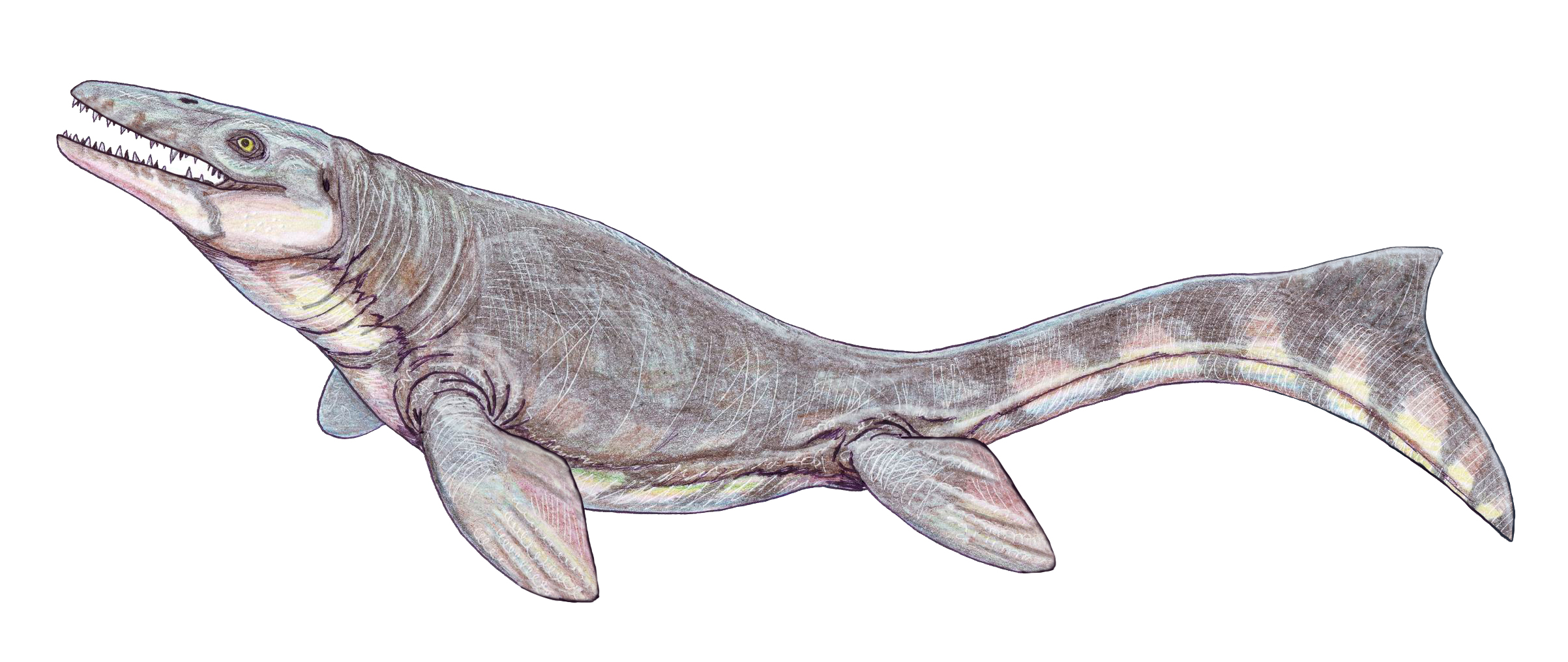
A Discovery Two Decades in the Making (Image Credits: Upload.wikimedia.org)
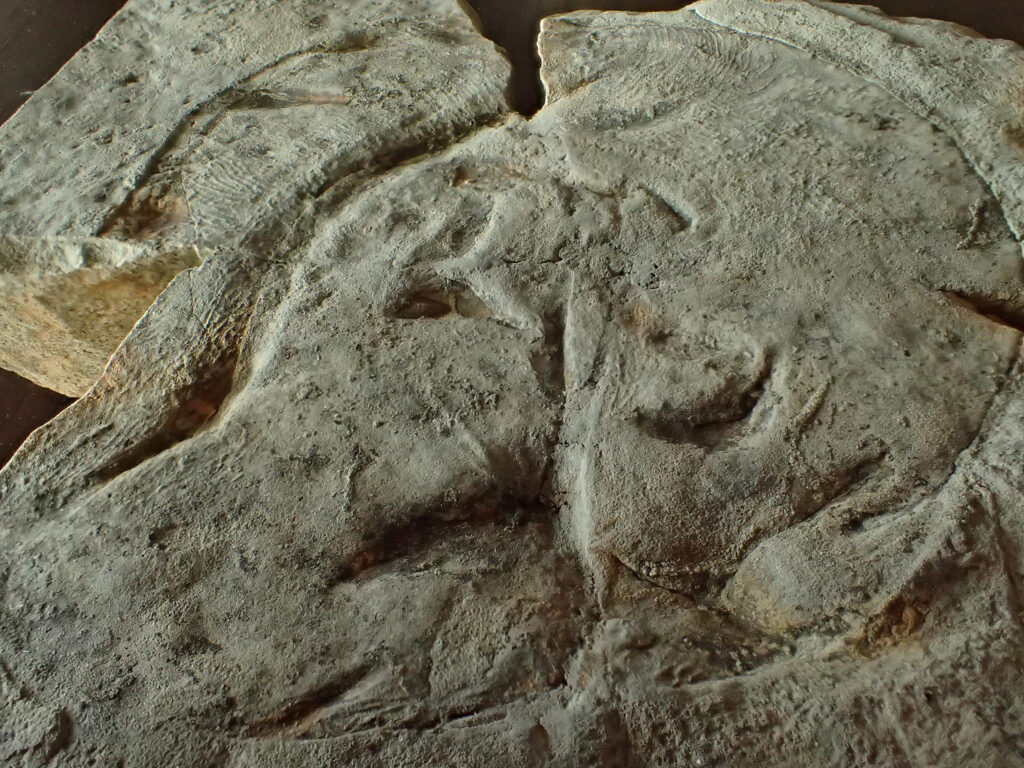
In 2001, researchers uncovered a nearly complete skull at Rancho Las Barretas, about 10 kilometers northeast of Linares in Nuevo León state. The site lay within the Early Maastrichtian layers of the Méndez Formation, a treasure trove of marine fossils from a time when swamps, shallow beaches, and tropical vegetation bordered the sea. Although much of the skeleton appeared present initially, only the skull was collected before the quarry vanished under erosion and shifting landscapes.
Paleontologists first described the specimen in 2007 as an indeterminate mosasaurid, but it languished until a fresh analysis in recent years unlocked its secrets. A collaborative team from Mexico’s Desert Museum in Saltillo and the University of Bath in England published their findings in March 2026 in the journal Neues Jahrbuch für Geologie und Paläontologie. Lead author Héctor Rivera-Sylva, chief paleontologist at the Desert Museum, highlighted the breakthrough during a presentation there on March 17.
Built for Brutal Hunts
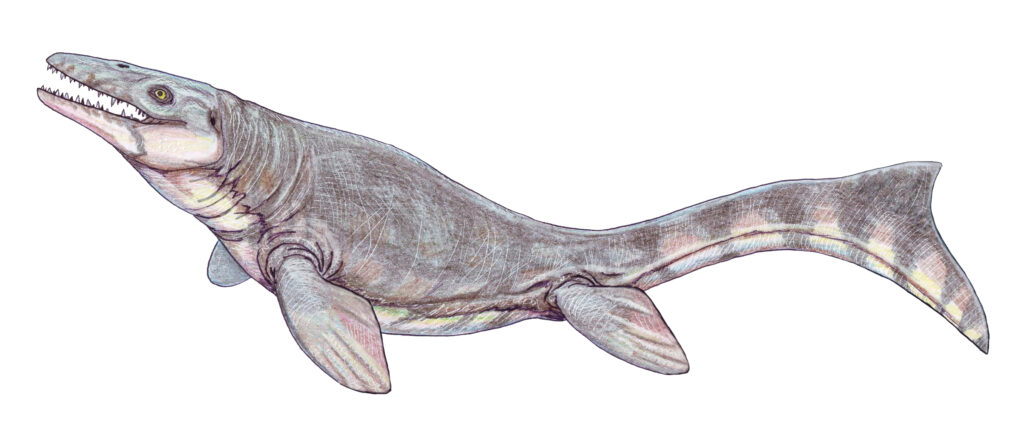
Prognathodon cipactli stood out with its short snout, deep jaws, and conical, robust teeth – features tailored for an apex predator lifestyle. Unlike many mosasaurs equipped with slender teeth and elongated skulls for piercing soft-bodied prey, this species packed the power to crush and seize tough targets.
“It was a mosasaur with short jaws, with conical and very robust teeth, allowing it to attack large prey,” Rivera-Sylva explained. These adaptations suggest it tackled big fish, shelled animals, and even fellow marine reptiles, occupying a niche akin to today’s orcas or great white sharks. At five to six meters in length, it proved that specialized hunting prowess evolved before giants of the genus reached larger sizes.
Mythic Name, Modern Parallels
The species name honors Cipactli, a primordial aquatic beast from Aztec mythology – a half-reptile, half-fish entity the gods cleaved to form earth and sky, with Nahuatl roots meaning “crocodile.” This nod connects the fossil to Mexico’s cultural heritage while underscoring its fearsome reputation.
Rivera-Sylva drew direct comparisons to contemporary seas. “What we see is that it was an active hunter, which tells us a lot about how we can compare it, for example, to modern-day orcas,” he noted. In its era, none rivaled it: “At that time and in this region, it was the top predator; that was its place in the food chain. There was none bigger or more dangerous than it.”
Reshaping Views of Ancient Biodiversity
The identification elevates northeastern Mexico’s role in global paleontology, home to states like Coahuila and Nuevo León brimming with fossil sites. Previously dismissed as a mere transitional zone, the region now reveals unique evolutionary stories, including land hunters like Xenovenator espinosai alongside sea dominators.
“This discovery shows us that the biodiversity at the end of the Cretaceous period was much greater than we knew, both globally and nationally,” Rivera-Sylva stated. The mosasaur’s traits hint at how prognathodontins claimed top niches worldwide during the Maastrichtian, just before the asteroid strike doomed them all.
- Short rostrum and robust jaws for powerful bites.
- Conical teeth suited for crushing resistant prey.
- Estimated length of 5-6 meters, bus-sized for its time.
- Habitat: Open ocean with coastal forays in Late Cretaceous seas.
- Extinct in the Cretaceous-Paleogene boundary event.
Key Takeaways
- Prognathodon cipactli specialized in large-prey hunting before evolving greater size.
- Mexico emerges as a hotspot for distinct mosasaur diversity.
- Links ancient predators to modern icons like orcas, enriching ecological understanding.
Prognathodon cipactli reminds us how vibrant and varied the Cretaceous oceans truly were, with Mexico at the heart of these revelations. As new finds surface from the Méndez Formation, the story of these ancient seas grows richer. What do you think about this Mexican sea monster? Tell us in the comments.