Northern Gulf of California – Mexican officials proposed scaling back key fishing restrictions in this vital marine habitat, home to the planet’s last handful of vaquita porpoises.
Only a Handful Left in a Shrinking World
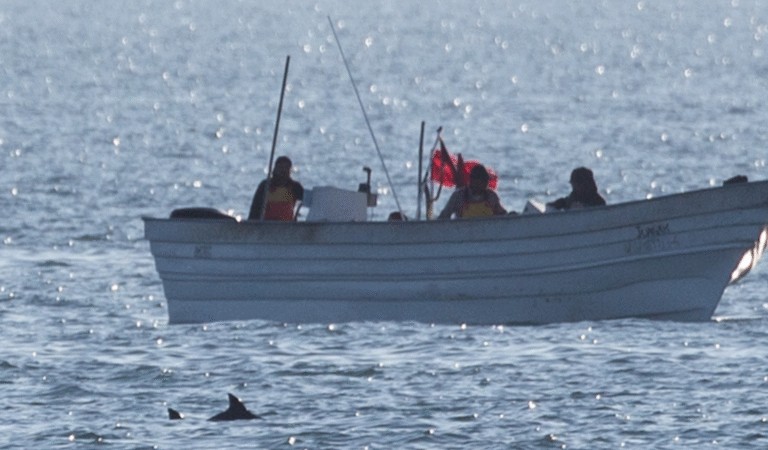
Only a Handful Left in a Shrinking World (Image Credits: Imgs.mongabay.com)
Recent surveys painted a precarious picture for the vaquita, the world’s smallest and most critically endangered cetacean. Scientists estimated between seven and 10 individuals survived in 2025, with acoustic and visual monitoring confirming stability but no meaningful population growth. The 2024 count dropped slightly to six to eight sightings, underscoring the species’ vulnerability.
Endemic to the Upper Gulf of California between Baja California and the mainland, these shy porpoises measure just 1.5 meters long and weigh around 54 kilograms. Gillnets set for totoaba fish and shrimp have decimated their numbers, with illegal totoaba swim bladders fueling a lucrative black market in Asia. From nearly 600 in 1997, the population plummeted due to relentless bycatch.
Details of the Controversial Overhaul
The proposal emerged from a February 5, 2026, meeting of the Intergovernmental Group on Sustainability in the Upper Gulf of California, involving federal agencies, state officials, and local fishers. It targets 2020 regulations that banned gillnets across roughly 11,000 square kilometers and established a 288-square-kilometer zero-tolerance area prohibiting all vessel activity.
Key changes include:
- Reducing the gillnet prohibition zone by more than 85 percent, reopening vast swaths to fishing.
- Shrinking the zero-tolerance area to 225 square kilometers while adding a “special use” zone for activities like hookah diving.
- Eliminating the dedicated vaquita refuge and permitting limited vessel traffic through core zones.
- Lifting the night fishing ban from 4 p.m. to 5 a.m., citing needs for species like Pacific sierra.
Agencies such as SEMARNAT and CONANP drafted the measures, drawing on data from acoustic detectors and sightings since 2015.
Government’s Push for Focused Enforcement
Mexican authorities argued the adjustments would concentrate patrols in high-density vaquita zones, improving efficiency after years of patchy compliance. SEMARNAT cited scientific input from the International Committee for the Recovery of the Vaquita and fishing community consultations dating back to 2023. Officials framed the plan as balancing species recovery with livelihoods in fishing-dependent towns like San Felipe and Puerto Peñasco.
Protections originated in 2005 and toughened in September 2020 amid international pressure, including from CITES. Yet enforcement challenges persisted, with illegal gillnets still spotted despite navy patrols and Sea Shepherd collaborations. Pedro Álvarez-Icaza of CONANP noted three years of stable data but warned of ongoing risks without population gains.
Conservationists Sound the Extinction Alert
Experts decried the plan as a reckless retreat. Sarah Dolman of the Environmental Investigation Agency warned, “With just a handful of vaquitas left, I’m stunned and appalled that the Mexican Government is proposing to reduce measures to protect them.” She highlighted the 85 percent cut as surrendering habitat to deadly nets. DJ Schubert of the Animal Welfare Institute called it a “white flag of surrender to the cartels and fishers.”
Alex Olivera of the Center for Biological Diversity emphasized vaquitas’ mobility beyond mapped zones, arguing any rollback heightens extinction odds. Groups urged full enforcement of existing rules over dilutions.
Key Takeaways
- Vaquita numbers hover at 7-10, stable yet critically low.
- Proposal slashes gillnet bans by over 85 percent in core habitat.
- Critics fear immediate extinction risk; government prioritizes targeted patrols.
As deliberations continue, the vaquita’s fate hangs in the balance, testing Mexico’s commitment to averting a marine tragedy. Stricter enforcement could yet turn the tide for these elusive porpoises. What steps should Mexico take next? Share your thoughts in the comments.