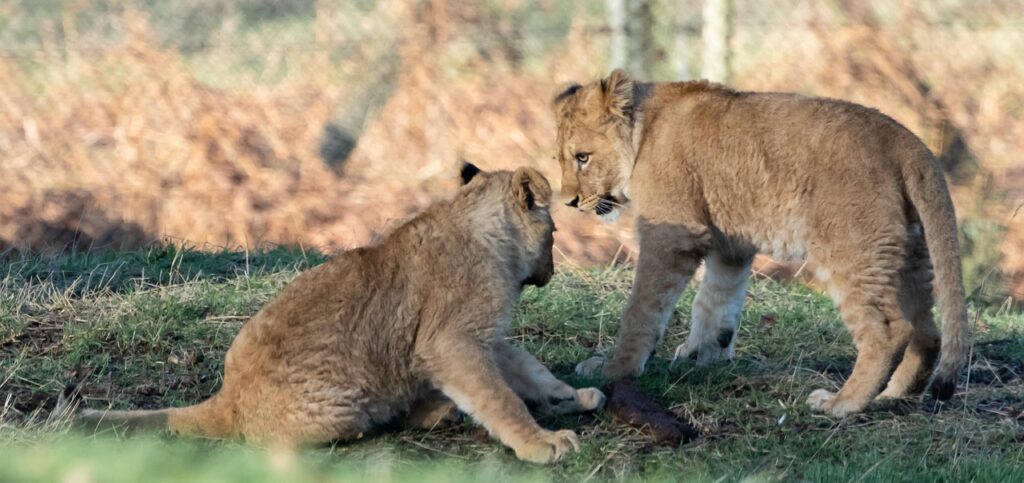
Mpumalanga – The province’s Tourism and Parks Agency declared its commitment to ending captive lion breeding, aligning with broader national efforts to curb wildlife exploitation.
A Bold Pivot Against Expectations
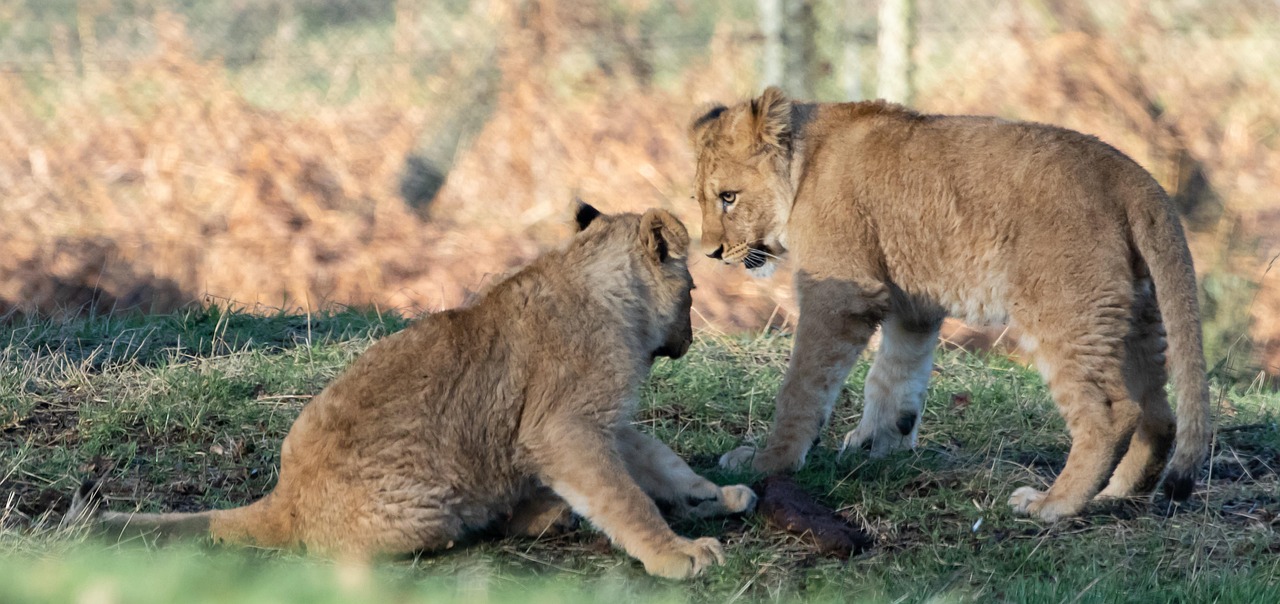
A Bold Pivot Against Expectations (Image Credits: Pixabay)
Industry observers anticipated a slowdown in wildlife reforms, yet Mpumalanga delivered a firm push forward. The announcement caught many off guard, especially those who sensed shifting political support toward captive breeding operations. Simphiwe Shungube, senior manager at the Mpumalanga Tourism and Parks Agency, emphasized the core issue during a recent statement.
“We are supporting the national project on the issues of the implementation of the phasing out of the captive lion facilities,” Shungube said. “The reason being, it’s the issue of the exploitation of the lions… this thing of exploitation of lions is a problem.”
Core Elements of the Shutdown Plan
The agency outlined specific measures in its February 24 media release. New captive lion facilities now face outright prohibition. Breeding of lions in captivity stands banned, alongside imports from other provinces.
A sterilization program forms the cornerstone of a voluntary exit strategy recommended by a Ministerial Task Team. Mpumalanga positions itself at an advanced stage of implementation. Officials plan to release detailed timelines soon. This approach aims for a responsible and humane closure.
Historical Context and National Alignment
South Africa’s captive lion sector drew scrutiny for years, fueling cub-petting tourism, canned hunts, and bone exports to Asia. Between 2010 and 2019, authorities exported over 7,400 lion skeletons, with 98 percent destined for Southeast Asia.
- 2018 saw a Parliamentary Lion Colloquium and High-Level Panel recommendations to shutter the industry.
- Cabinet endorsed closure initiatives in April 2024.
- The National Council of Provinces recently approved updated Threatened or Protected Species regulations targeting lion activities.
- Courts struck down prior export quotas for neglecting welfare concerns.
Mpumalanga’s actions reinforce these developments. The province, known for Kruger National Park segments and private reserves, seeks to bolster ethical tourism.
Stakeholder Reactions and Hurdles Ahead
The captive lion sector, concentrated in areas like Limpopo and North West, mounts legal challenges against the Department of Forestry, Fisheries and the Environment. Breeders claim constitutional trade rights and highlight stockpiled skeletons worth millions of rands.
Mpumalanga’s move signals a branding shift toward conservation-focused attractions. Enforcement poses risks, including potential underground operations. Questions linger over handling existing lions humanely. National consistency remains uncertain amid mixed ministerial signals.
Key Takeaways
- Mpumalanga prohibits new facilities, breeding, and imports while advancing sterilization efforts.
- The decision backs Cabinet-approved plans from 2024 and recent regulatory updates.
- Challenges include industry litigation and ensuring humane transitions for captive lions.
Mpumalanga’s stance marks a pivotal moment for South African wildlife policy, prioritizing animal welfare over exploitative practices. As the province charts this path, it challenges others to follow suit in redefining tourism’s role in conservation. What do you think about this development? Tell us in the comments.