Picture walking through ancient Australian forests over one hundred million years ago. The climate’s milder than today, conifer trees tower above you, and somewhere in the distance, a distinctive call echoes through the landscape. That sound might have come from one of Australia’s most fascinating dinosaurs, a creature whose hollow nasal chamber could have produced sounds unlike anything you’ve heard before. Welcome to the world of Muttaburrasaurus langdoni, a dinosaur that continues to captivate scientists and dinosaur enthusiasts alike. What secrets does this prehistoric herbivore hold?
Let’s dive into the remarkable story of a dinosaur that’s become Queensland’s official fossil emblem.
A Chance Discovery That Changed Australian Paleontology
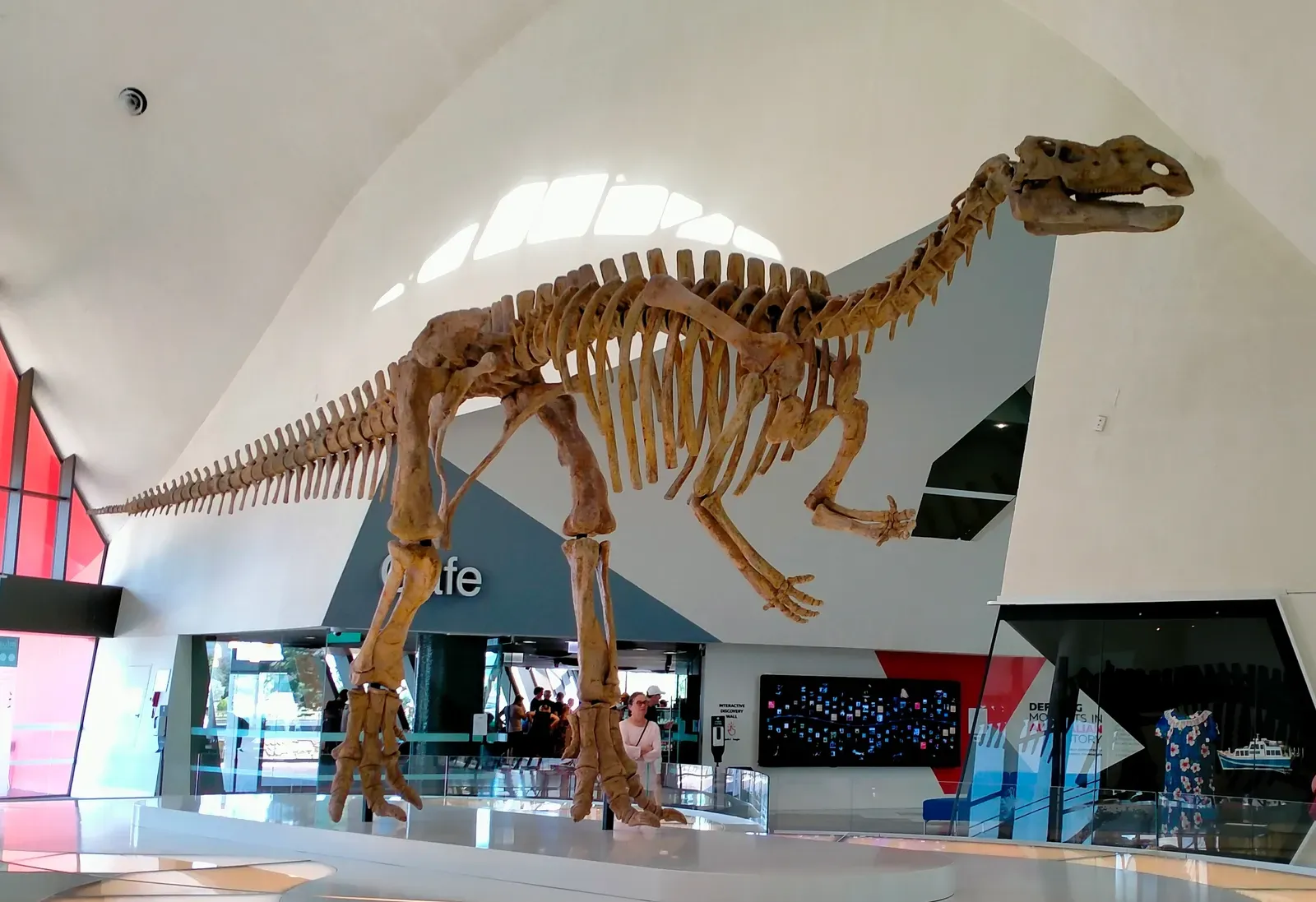
The story begins in 1963 when grazier Doug Langdon stumbled upon a partial skeleton at Rosebery Downs Station beside the Thomson River near Muttaburra in Queensland, with remains collected by paleontologist Dr Alan Bartholomai and entomologist Edward Dahms, before being named in 1981 by Bartholomai and Ralph Molnar. Honestly, imagine being out there mustering cattle and discovering one of Australia’s most complete dinosaur fossils. It’s one of the most complete dinosaurs from Australia and the first to be cast and mounted for display.
The species honors its discoverer with its specific name, langdoni. What makes this discovery particularly special is that many locals had initially taken pieces as souvenirs, though they were eventually returned when authorities set up an amnesty. The dinosaur was selected from twelve candidates to become the official fossil emblem of the State of Queensland.
Physical Dimensions and Body Structure
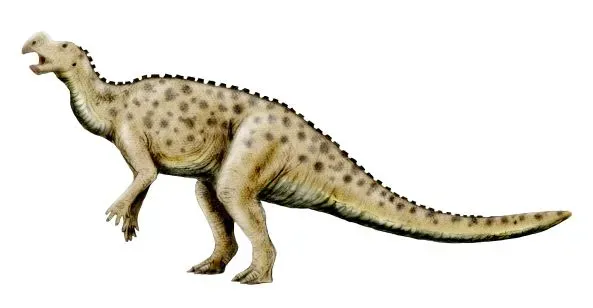
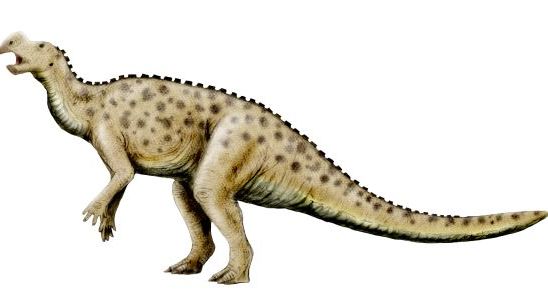
Muttaburrasaurus measured about 8 metres (26 ft) and weighed around 2.8 metric tons (3.1 short tons), with the femur of the holotype having a length of 1,015 millimetres. Think about it, that’s roughly the size of today’s African forest elephants. The creature possessed a robust build designed for navigating diverse landscapes.
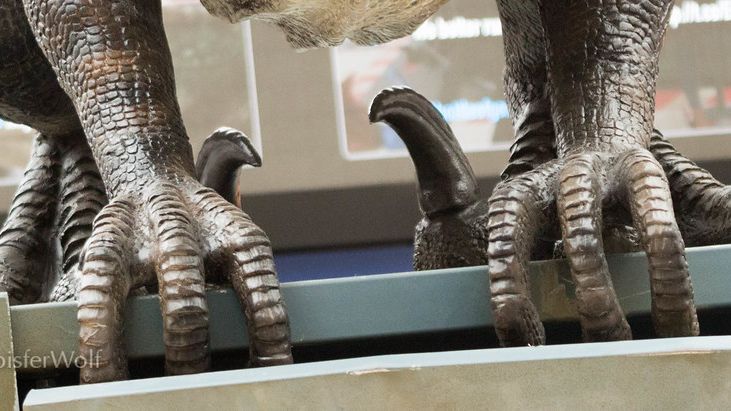
The foot was long and broad with four toes, while the skull was rather flat with a triangular cross-section when seen from above. Muttaburrasaurus had many other features seen in other basal ornithopods, including reduced forelimbs and a long, stiffened tail. Its body proportions suggest an animal perfectly adapted to its environment, though debates continue about certain aspects of its locomotion.
The Mystery of the Bizarre Bulbous Snout
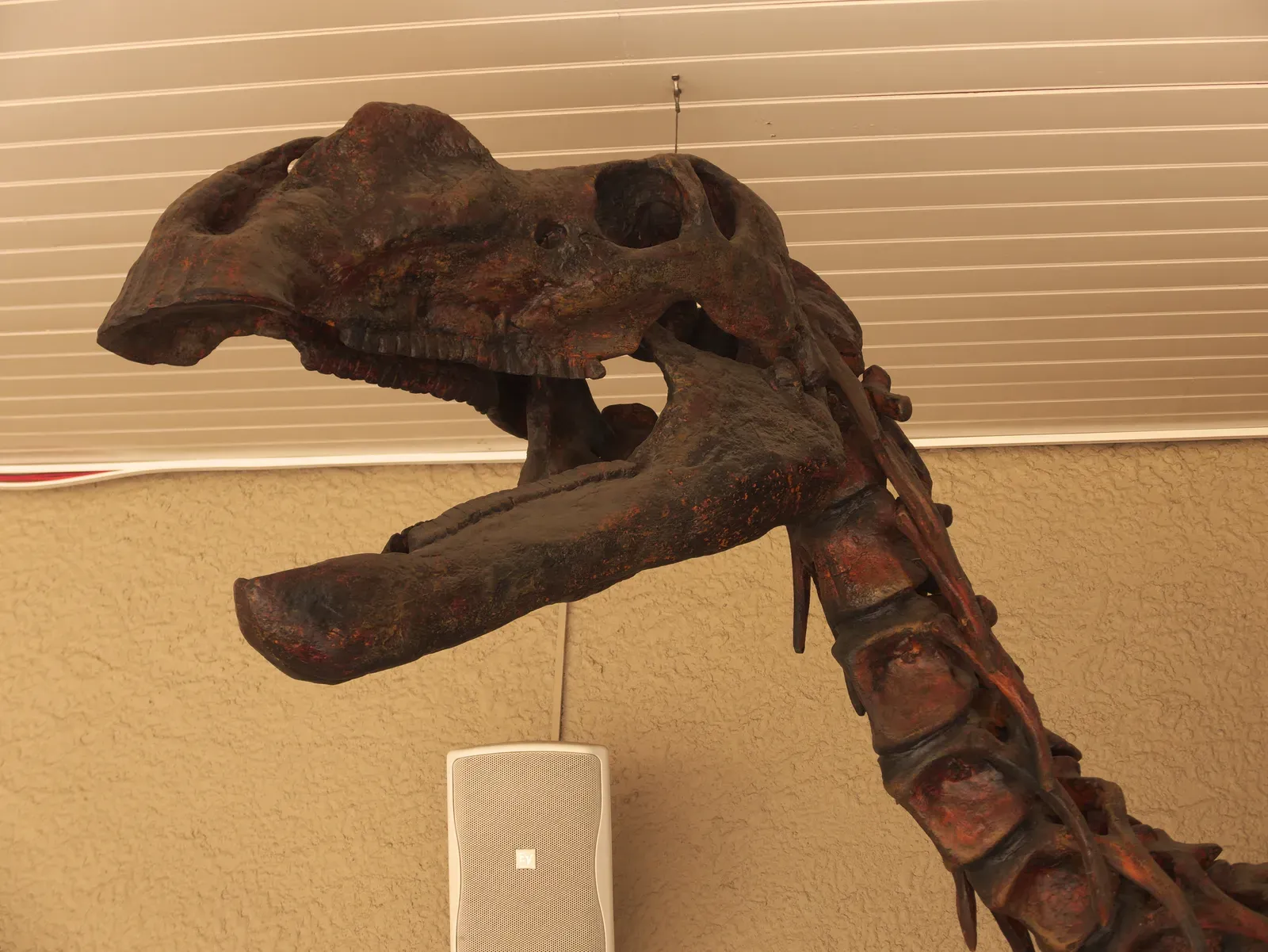
Here’s where things get truly interesting. The snout includes a strongly enlarged, hollow, upward-bulging nasal muzzle that might have been used to produce distinctive calls or for display purposes. This feature, called the bulla nasalis, sets Muttaburrasaurus apart from most other ornithopods you might about.
Scientists believe these hollow chambers may have been used to enhance the animal’s sense of smell, or alternatively, they may have formed a resonating chamber enabling the animal to make loud hooting sounds to communicate with other members of its species. Some paleontologists have suggested that the enlarged dome on the muzzle may have been a characteristic specific to only males or females of the species, helping animals to attract or identify potential mates. Let’s be real, we’ll probably never for certain without soft tissue evidence, yet the possibilities are fascinating to consider.
Dietary Habits and Feeding Adaptations
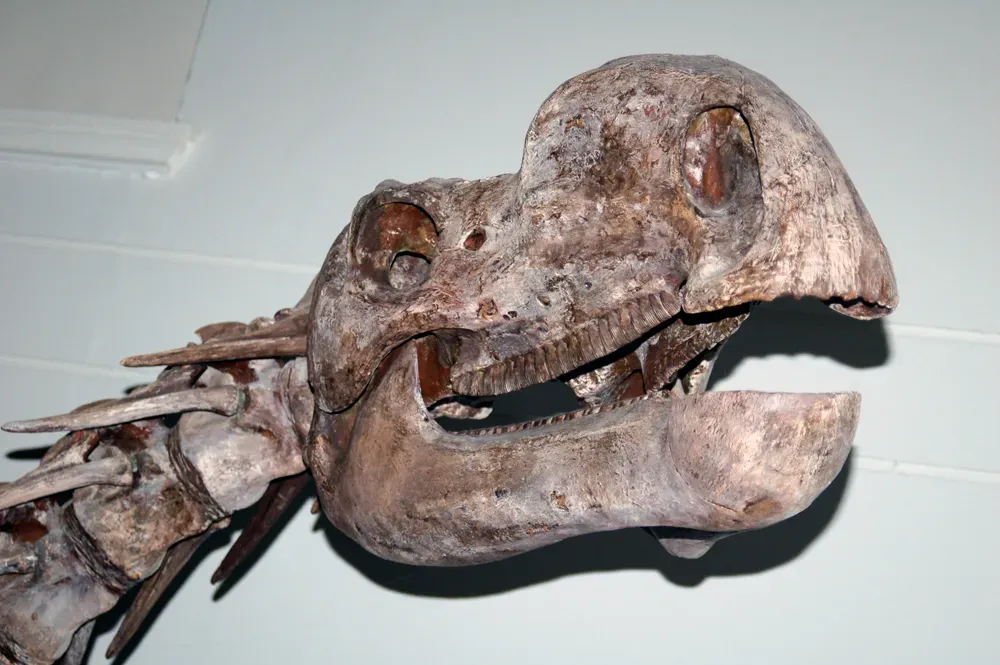
There is no direct fossil evidence for the diet of Muttaburrasaurus although it probably included ferns, cycads, club-mosses and podocarps, all of which are n from the region. The creature possessed powerful jaws equipped with specialized shearing teeth, quite different from its relatives who ground their food.
Muttaburrasaurus had very powerful jaws equipped with shearing teeth, and unlike more derived ornithopod species, the replacement teeth grew directly under them with only a single erupted generation present, precluding a chewing motion. In 1981, Molnar speculated that these qualities indicated an omnivorous diet, implying Muttaburrasaurus occasionally ate carrion, though in 1995 he changed his opinion, suspecting the dental system is evolutionarily convergent with the ceratopsian system of shearing teeth. The debate about whether it occasionally consumed meat remains unresolved, though most experts lean toward herbivory.
Living in Ancient Australian Environments
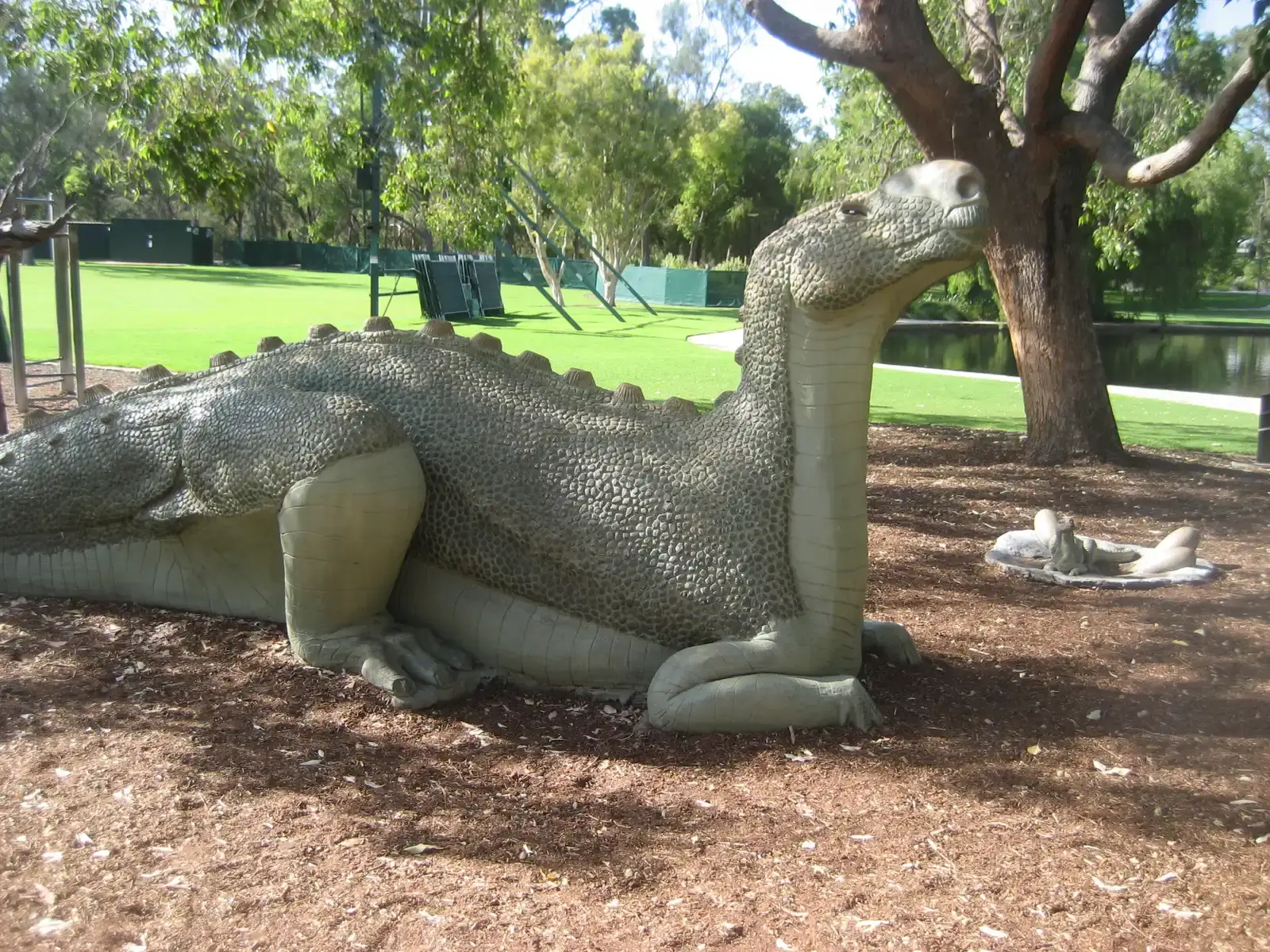
Muttaburrasaurus would have lived in araucarian conifer forests near the edge of the inland Eromanga Sea that covered vast areas of Australia between 125-100 million years ago, with the forest understorey including ferns and cycads. This landscape would have been dramatically different from modern Australia. During its lifetime, Australia was part of the Antarctic Circle, with temperatures ranging from below freezing on dark winter days to warm seasons, making it one of the coldest places on the planet at that time.
In the more southerly part of its range at Lightning Ridge, there would have been extremes of daylight during winter and summer months, although the climate was much milder then than it is today. The creature’s survival in such conditions suggests remarkable adaptability, possibly indicating it was warm-blooded. Muttaburrasaurus is Australia’s most widely distributed dinosaur, n from both Queensland and New South Wales, discovered near the town of Muttaburra in central Queensland.
Locomotion and Movement Capabilities
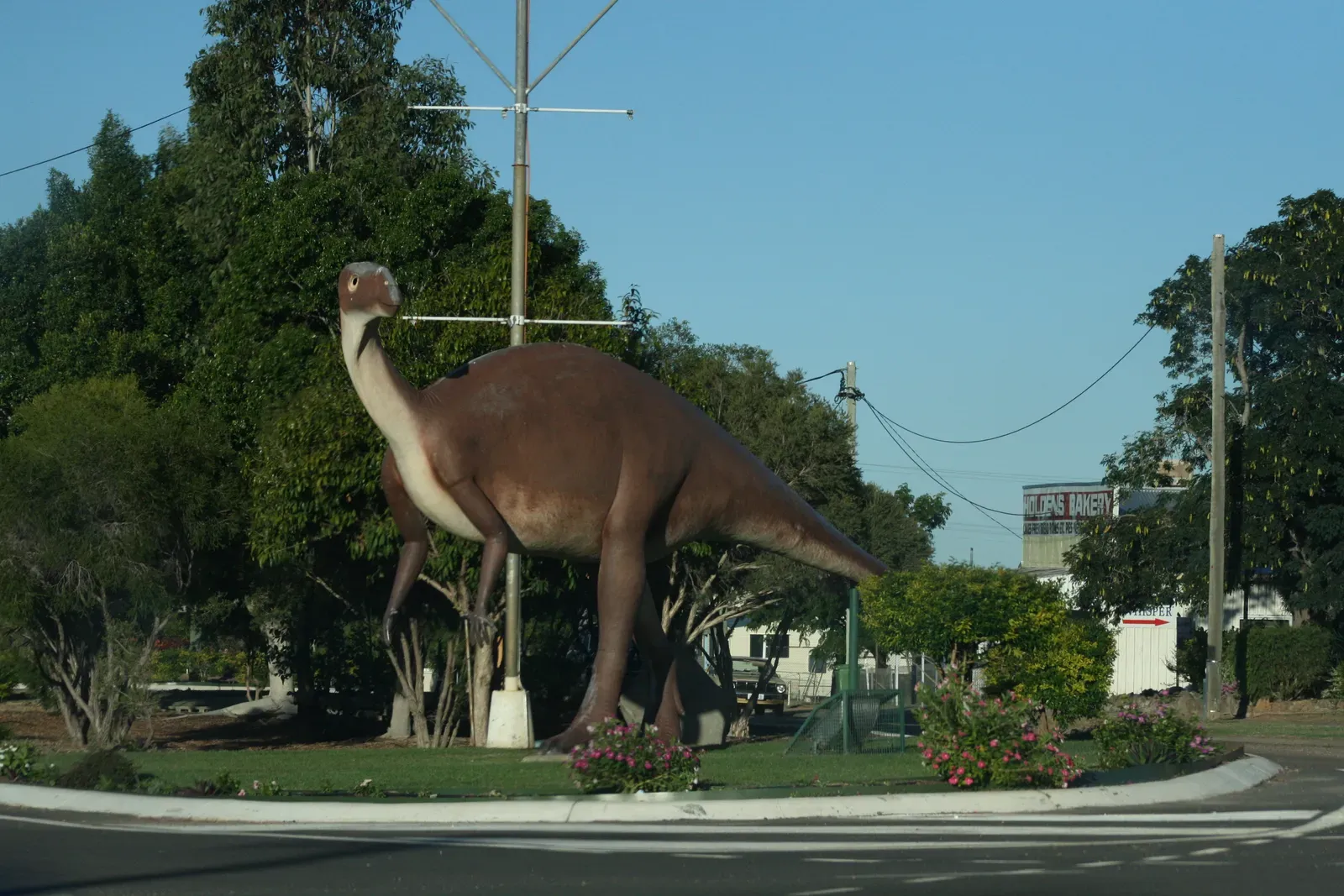
Based on the length and strength of its limbs, Muttaburrasaurus may have been able to move on either its two back legs or on all four legs. This flexibility would have served multiple purposes throughout its daily activities. It walked on all fours when feeding on understorey vegetation but ran on two legs.
Recent studies have complicated this picture somewhat. It was originally thought to be an iguanodontid, though recent studies indicate a rhabdodont position, with ornithopods this basal being incapable of quadrupedal movement. The long, stiffened tail held rigid by tendons would have acted as a counterbalance, allowing the animal to rear up when necessary. Whether Muttaburrasaurus primarily moved on two legs or four remains a topic of scientific discussion, showing how much we’re still learning about this creature.
Classification Controversies and Evolutionary Relationships
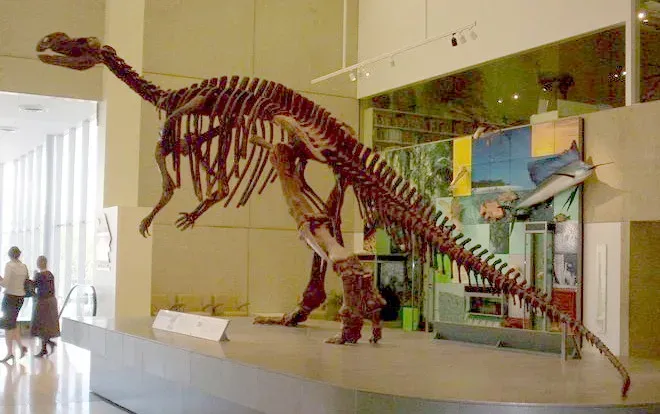
Muttaburrasaurus was a genus of herbivorous iguanodontian ornithopod dinosaur that lived in northeastern Australia between 112 and 103 million years ago during the early Cretaceous period, and has been recovered in some analyses as a member of Rhabdodontomorpha or alternately as a member of Elasmaria. Scientists have debated its classification for decades.
Molnar originally assigned Muttaburrasaurus to the Iguanodontidae, though later authors suggested more basal euornithopod groups such as Camptosauridae, Dryosauridae, or Hypsilophodontidae, with studies by Andrew McDonald indicating a position in Rhabdodontidae. A 2022 phylogenetic analysis recovered Muttaburrasaurus and Tenontosaurus as basal rhabdodontomorphs representing sister taxa to Rhabdodontidae, however, in 2024, Fonseca and colleagues classified it as a member of the Gondwanan clade Elasmaria alongside Fostoria dhimbangunmal. Here’s the thing: classification keeps changing as new evidence emerges and analytical methods improve.
Legacy and Cultural Significance
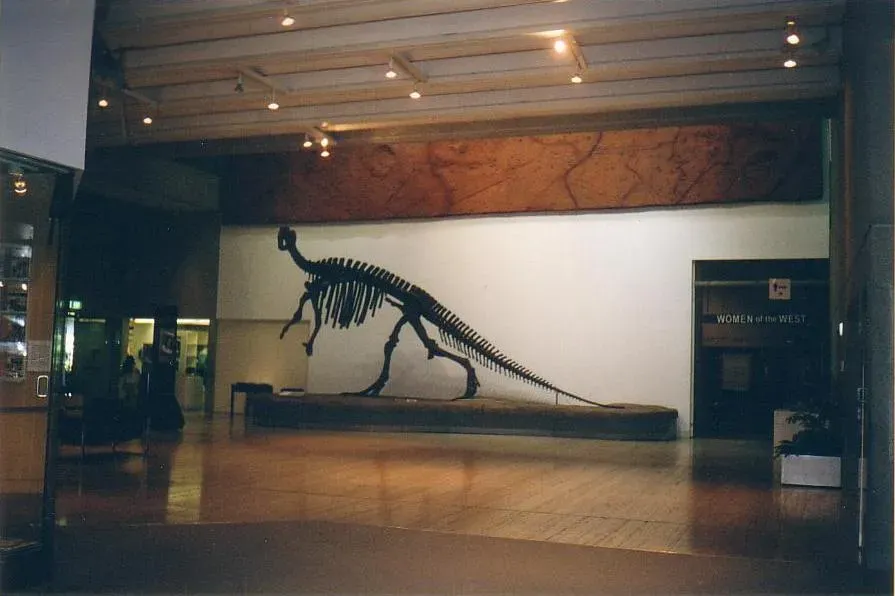
Reconstructed skeleton casts of Muttaburrasaurus, sponsored by Kellogg Company, have been put on display at museums including the Queensland Museum, Flinders Discovery Centre, and National Dinosaur Museum in Australia. These displays have helped bring this remarkable dinosaur to public attention. The creature has become more than just a scientific specimen; it represents Australia’s rich prehistoric heritage.
The holotype of Muttaburrasaurus is a partial skeleton found near Muttaburra, with this skeleton being about 60% complete and washed up on a coastline based on the environment preserved in the Mackunda Formation. Beyond museum displays, Muttaburrasaurus has appeared in documentaries and educational materials, inspiring new generations to explore paleontology. Its designation as Queensland’s fossil emblem ensures this dinosaur will continue capturing imaginations for years to come.
Muttaburrasaurus langdoni stands as a testament to Australia’s unique dinosaur heritage. From its puzzling nasal chamber to its debated locomotion and diet, this creature reminds us how much remains to be discovered about prehistoric life. Each fossil fragment adds another piece to the puzzle, bringing us closer to understanding what life was like over one hundred million years ago on an ancient Australian landscape. What other secrets might still be buried beneath the Queensland outback, waiting for the next fortunate discovery? The story of Muttaburrasaurus continues to unfold with each new study and technological advance.