Shan State, Myanmar – Towering limestone formations in the country’s northeast harbor unique ecosystems where cave-dwelling bats thrive amid growing human encroachment.
Karst Islands Teeming with Rare Life
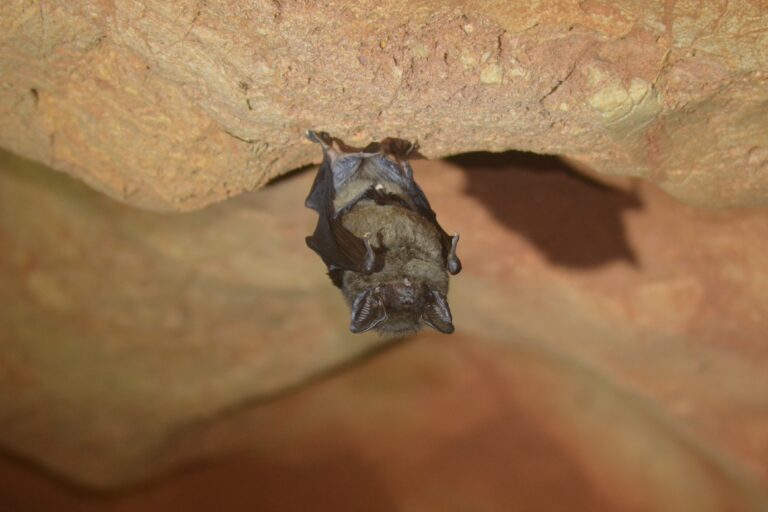
Karst Islands Teeming with Rare Life (Image Credits: Imgs.mongabay.com)
Myanmar possesses Southeast Asia’s second-largest expanse of limestone karst, spanning more than 80,000 square kilometers. These jagged peaks rise like isolated islands from the plains, fostering highly specialized species confined to their caves and forests. Endemic creatures, including the entire global population of Popa langurs and numerous geckos discovered only recently, depend on these habitats. Less than 1% of this terrain receives formal protection, leaving fragile populations vulnerable to mining and deforestation.
Bats dominate the subterranean realms, serving as pollinators, seed dispersers, and insect controllers that benefit local agriculture. Roosts in these caverns vary from small clusters of two individuals to massive colonies exceeding 200,000 bats. Many caves stretch over 2.3 kilometers long and plunge 160 meters deep, offering maternity sites essential for reproduction.
A Census Uncovers Close Quarters
Researchers surveyed 41 cave sites in Pinlaung township during late 2023, documenting bats from five genera: fruit-feeding Eonycteris, insectivorous Rhinolophus horseshoe bats, Hipposideros roundleaf bats, Myotis mouse-eared bats, and Aselliscus trident bats. Larger caves with warmer temperatures and greater distance from roads supported the highest numbers, as human disturbance waned farther from access points. Over half of the explored caverns had escaped prior scientific scrutiny, hinting at untapped biodiversity.
Disturbance plagued more than 80% of sites, with seven rated highly vulnerable under a biotic vulnerability index. The assessment classified 63% of caves as moderately vulnerable, 18% highly so, and another 18% simply vulnerable. Political unrest following the 2021 coup hampered full access, amplifying concerns over unchecked exploitation.
Human Footprints Erode Bat Havens
Limestone quarrying scars the landscape for cement production, while tourism and religious pilgrimages draw crowds into sacred caves. Villagers hunt bats for food and harvest guano as fertilizer, exposing themselves to urine and feces without protective gear. Cave development for worship sites further fragments habitats.
- Quarrying and mining displace roosts and destroy formations.
- Tourism introduces lights, noise, and foot traffic.
- Guano collection occurs year-round in key sites.
- Bat hunting persists despite ecological roles.
- Religious renovations alter cave interiors.
These activities render caverns inhospitable, forcing bats into closer contact with people and elevating conflict risks.
One Health Warnings and Community Paths Forward
Bats harbor viruses like coronaviruses, and habitat disruption heightens spillover potential to humans. Guano harvesters face elevated exposure with scant hygiene awareness. “Bats are natural reservoirs for many viruses, including coronaviruses,” noted Thura Soe Min Htike, a conservation officer with Nature Conservation Society–Myanmar. “The real issue is not the bats themselves, but human disruption of their habitats which increases the risk of disease transmission.”
Solutions emphasize community-led efforts, such as cave management plans and hygiene education. Thiri Dawei Aung of the Biodiversity and Nature Conservation Association stressed: “Without full community participation, protection cannot be successful.” Initiatives in Tanintharyi region have formed committees with monks to balance cultural use and ecology.
Key Takeaways
- Prioritize environmental impact assessments for cave developments.
- Expand protections to cover more karst areas.
- Engage locals in education on zoonotic risks and bat benefits.
Preserving these karst strongholds demands urgent action to safeguard bats, avert health crises, and sustain Myanmar’s natural heritage. What steps should communities take next to protect these vital caves? Share your thoughts in the comments.