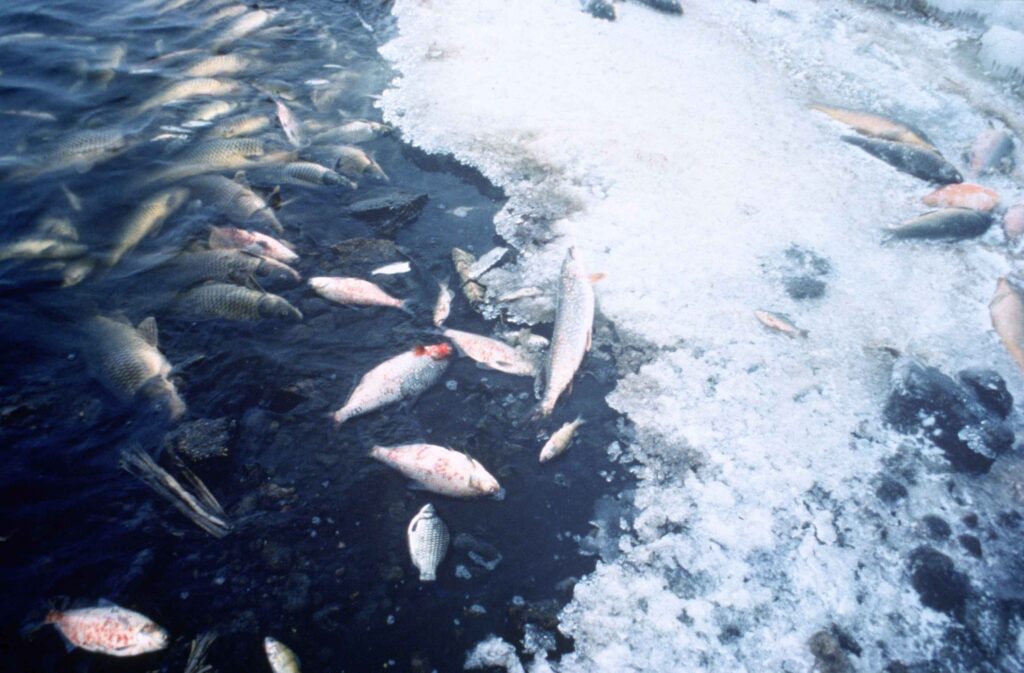
New Ireland Province, Papua New Guinea – Coastal communities along the east coast have grappled with a puzzling environmental disaster since December 2025. Thousands of fish and marine organisms washed ashore dead, while hundreds of residents reported severe illnesses after contact with the seawater. Authorities continue to investigate the cause amid growing concerns over food security and public health.
A Shocking Scale of Loss
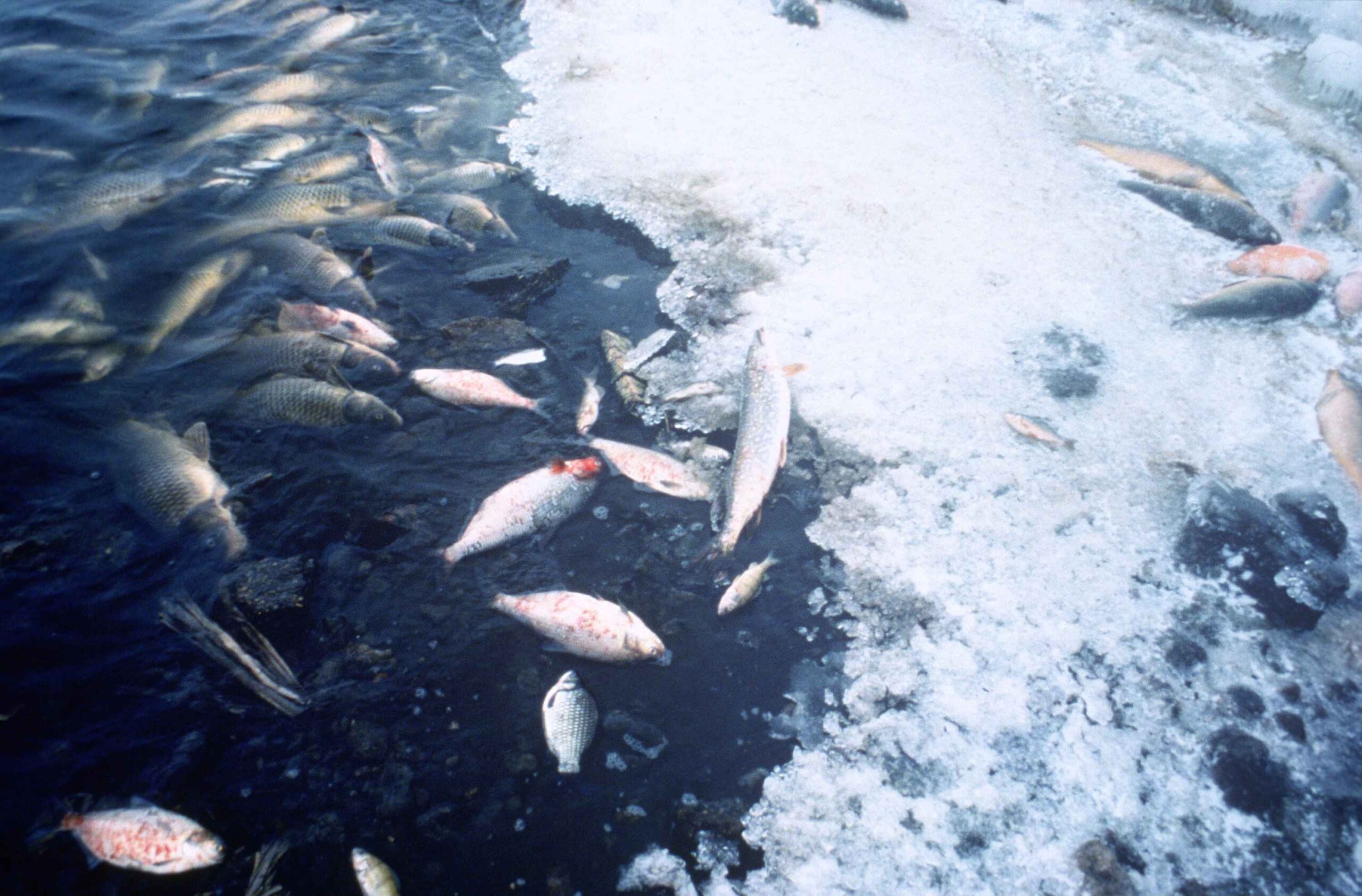
A Shocking Scale of Loss (Image Credits: Upload.wikimedia.org)
Local conservationists documented more than 3,451 dead marine animals across over 15 species during a five-day survey in affected areas. The fish exhibited disturbing signs, including bulging eyes, discolored flesh, and green tinting, with a strong sulfuric odor reported near reefs. Gasping fish appeared at the surface before succumbing, signaling acute distress in the water column.
Efforts by Ailan Awareness, a local ocean protection group, captured the extent of the die-off along the Boluminski Highway and villages like Kafkaf and Manggai. The crisis disrupted coral reefs and seagrass beds, vital habitats for coastal fisheries. Residents noted the problem spreading northward toward Kavieng, carried by tides and currents.
Human Health Under Siege
At least 750 individuals, including many children, fell ill after wading in the sea or consuming affected fish. Symptoms ranged from painful skin welts, rashes, and severe itching to chest pains, coughing, and gastrointestinal issues. Barefoot villagers suffered burns upon entering the water, unaware of the hidden danger.
Families abandoned traditional activities, halting fishing that once provided essential protein and income. Food shortages intensified as tidal movements risked contaminating nearby freshwater creeks used for drinking. Community leader Martha Piwas highlighted the desperation:
“Families can no longer rely on the ocean for food. Mothers cannot feed their children fish anymore. People are getting sick. And we still don’t know why.”
Investigation Efforts Gain Momentum
The Conservation and Environmental Protection Authority (CEPA) collected water, fish tissue, and other samples for lab analysis targeting ammonia, heavy metals like arsenic and mercury, and nutrients. Fisheries Minister Jelta Wong urged residents to avoid east coast seafood and source alternatives from unaffected areas. Results remained pending as of mid-March 2026, with field tests for temperature, oxygen levels, and alkalinity underway.
CEPA Managing Director Jude Tukuliya noted similarities to global incidents involving algal blooms or oxygen depletion. Ailan Awareness founder John Aini led grassroots monitoring, stating, “We rely on coral reefs to sustain our daily livelihoods.” International support arrived through InnerLight Foundation’s Bodhi Patil and ENB Sea Keepers, delivering aid and amplifying calls for expertise.
Uncertain Causes and Broader Implications
Speculation centered on environmental stressors like harmful algal blooms, nutrient runoff from agriculture, or sudden water quality shifts. Oil palm plantations and distant mining activities raised concerns, though no direct links emerged without soil samples. Geothermal influences on the Pacific Ring of Fire also surfaced as possibilities amid warm sea temperatures.
- Skin contact reactions pointed to immediate water contaminants.
- Fish anomalies suggested toxic buildup or oxygen crashes.
- Red tides observed offshore hinted at planktonic origins.
- Lab tests checked industrial chemicals and pollutants.
CEPA advised using well water and monitoring spread. A GoFundMe campaign raised nearly $7,000 by March 2026 for food, clean water, and medical supplies targeting over 1,500 people.
Key Takeaways for Conservation
- Over 3,451 marine deaths documented, affecting 15+ species and reefs.
- 750+ humans ill; fishing bans cause shortages.
- Ongoing probes by CEPA and locals; aid flowing internationally.
This crisis underscores vulnerabilities in remote coastal ecosystems, where livelihoods intertwine with marine health. Swift identification of the trigger could prevent wider damage and restore trust in the ocean. Communities await answers that balance immediate relief with long-term protection.
What do you think about this unfolding environmental threat? Tell us in the comments.