In paleontology, few debates have persisted with such intensity as the controversy surrounding Nanotyrannus. First described in 1988, this purported tyrannosaurid has sparked decades of scientific deliberation about whether it represents a distinct genus or merely juvenile specimens of the iconic Tyrannosaurus rex. The implications extend beyond simple classification—they challenge our understanding of dinosaur diversity in the late Cretaceous period and how these apex predators developed throughout their lives. With only a handful of specimens at the center of this mystery, the Nanotyrannus debate exemplifies how paleontologists piece together the past from fragmentary evidence, illustrating both the challenges and excitement of reconstructing ancient ecosystems.
The Discovery and Naming of Nanotyrannus
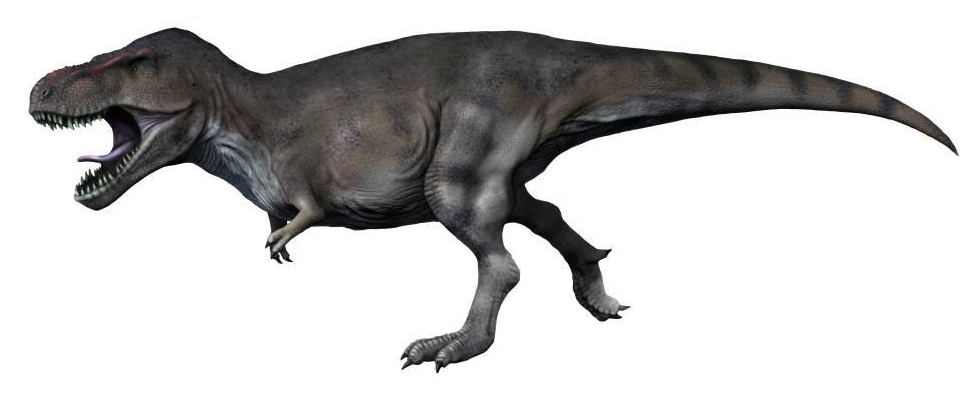
The Nanotyrannus story begins with a skull discovered in Montana in 1942, originally classified as a small Tyrannosaurus rex specimen. In 1988, paleontologist Robert Bakker and colleagues reexamined this skull (cataloged as CMNH 7541) and concluded it represented a separate genus, which they named “Nanotyrannus lancensis”—meaning “tiny tyrant from Lance Creek.” The name derived from its relatively small size compared to full-grown T. rex specimens and its supposedly distinctive features. These researchers noted differences in tooth count, skull proportions, and other anatomical details that they believed distinguished it from Tyrannosaurus. This initial classification set the stage for a scientific controversy that would extend for decades, with the discovery of additional specimens like “Jane” in 2001 only intensifying rather than resolving the debate.
Key Specimens in the Nanotyrannus Debate

Several key fossil specimens form the basis for the Nanotyrannus controversy. The holotype specimen, CMNH 7541, consists of a nearly complete skull approximately 60 centimeters (2 feet) long—less than half the size of an adult T. rex skull. The discovery of “Jane” (BMRP 2002.4.1), a remarkably complete tyrannosaur skeleton unearthed in Montana’s Hell Creek Formation in 2001, added another crucial piece to the puzzle. At roughly 22 feet long, some researchers initially considered Jane a prime example of Nanotyrannus. More recently, the “Dueling Dinosaurs” specimen discovered in 2006 in Montana includes what some have identified as a Nanotyrannus alongside a Triceratops. These specimens, each with slightly different growth stages and preservation qualities, provide the essential comparative material that scientists use to evaluate whether Nanotyrannus deserves recognition as a distinct genus or represents various growth stages of T. rex.
The Case for Nanotyrannus as a Distinct Species
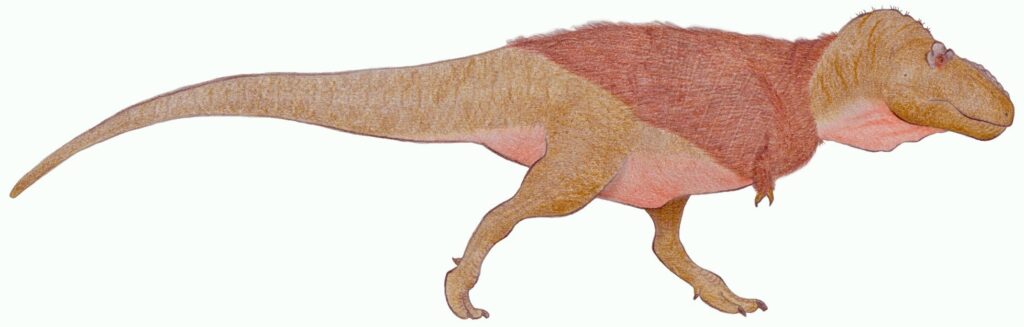
Proponents of Nanotyrannus as a valid genus point to several distinctive anatomical features that they argue cannot be explained by ontogeny (growth-related changes) alone. One frequently cited difference is the tooth count—Nanotyrannus specimens typically have 15-16 teeth in the maxilla (upper jaw), while adult T. rex specimens usually have 11-12. Some researchers also highlight differences in skull proportions, with Nanotyrannus having a longer, lower skull relative to its height compared to the T. rex. The arms of putative Nanotyrannus specimens appear proportionally longer than those of adult T. rex, which famously had reduced forelimbs. Additionally, supporters note differences in certain skull features, including the shape of the lacrimal bone and the configuration of the braincase. These advocates suggest that such a combination of differences represents genuine taxonomic distinction rather than developmental variation within a single species.
Evidence Supporting the Juvenile T. rex Hypothesis

The majority view among paleontologists today favors classifying Nanotyrannus specimens as juvenile Tyrannosaurus rex. Histological studies (microscopic examinations of bone structure) of specimens like Jane’s reveal growth patterns typical of immature animals, with highly vascularized bone tissue indicating rapid growth. Growth curve analyses place these specimens perfectly along the expected development trajectory for the T. rex. Many of the supposedly distinctive features, such as higher tooth counts and longer arms, align with patterns seen in other dinosaur species where juveniles possessed more teeth and different body proportions than adults. Detailed CT scans of the skull also reveal that many of the anatomical differences cited by Nanotyrannus supporters are consistent with ontogenetic changes observed in other tyrannosaurs. The gradual fusion of skull elements and changing proportions during growth could account for many of the differences between the controversial specimens and confirmed adult T. rex fossils.
Understanding Dinosaur Growth Patterns
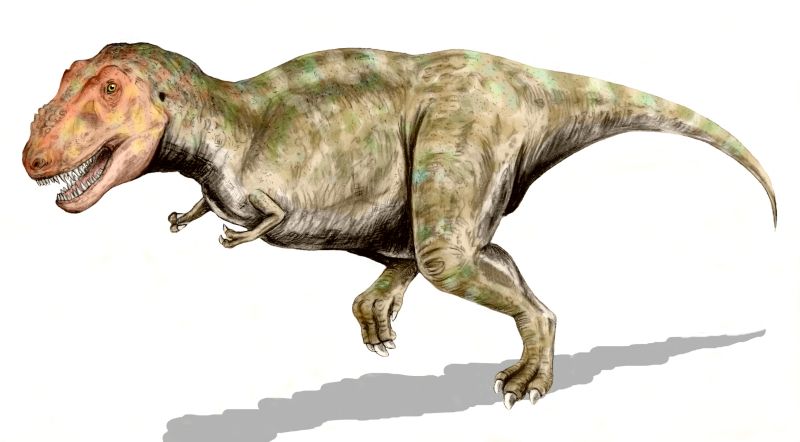
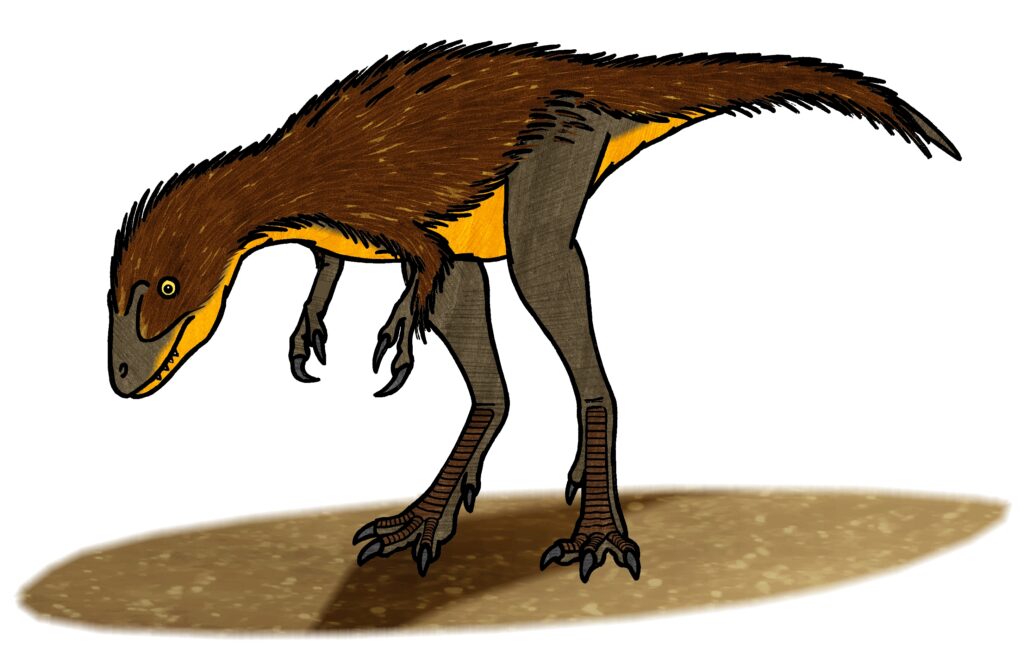
The Nanotyrannus debate highlights the remarkable transformations dinosaurs underwent as they matured. Tyrannosaurs experienced particularly dramatic changes throughout their development, with juveniles looking quite different from adults. Young tyrannosaurs had proportionally longer legs, longer arms, more gracile skulls, and more numerous, slender teeth adapted for different prey than the bone-crushing dentition of adults. Research indicates that the T. rex may have undergone a growth spurt during adolescence, potentially doubling its body mass in just four years during its teenage period. Bone histology studies reveal that T. rex reached sexual maturity around 15-20 years of age but continued growing for another decade. These profound changes in morphology create significant challenges for paleontologists attempting to classify specimens, as individuals of different ages can appear almost like different species when traditional comparative anatomy is the only method employed.
The Importance of Histological Analysis
Histological analysis—the microscopic examination of bone structure—has proven crucial in the Nanotyrannus debate. By taking thin sections from limb bones of specimens like Jane, paleontologists can count growth rings (similar to tree rings) and analyze bone tissue patterns that reveal the animal’s age and growth rate at death. These studies consistently indicate that the purported Nanotyrannus specimens died at ages between 11-14 years, far younger than the 20+ years of confirmed adult T. rex specimens. The bone microstructure of these specimens shows highly vascularized tissue with few growth lines, indicating they were still in a rapid growth phase rather than approaching their maximum size. Advanced techniques like synchrotron microtomography allow scientists to examine these structures in unprecedented detail without destroying valuable fossil material. This histological evidence has become one of the strongest arguments against Nanotyrannus as a separate genus, as it places these specimens firmly within the growth trajectory of Tyrannosaurus rex.
Ecological Implications of the Classification
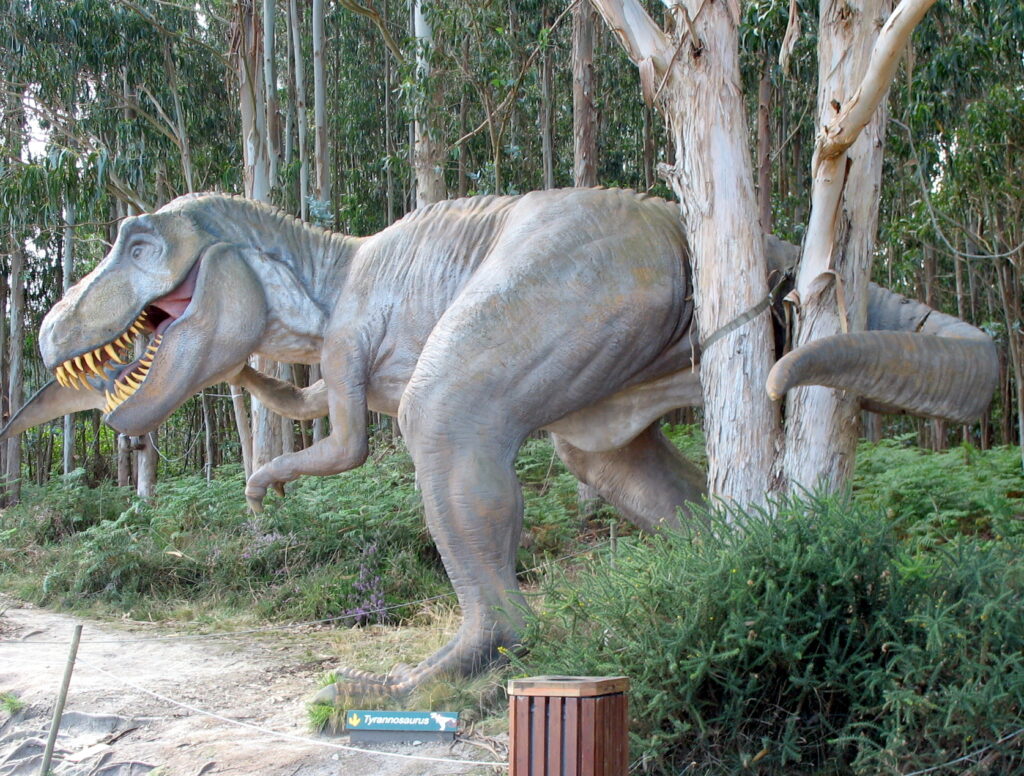
The classification of Nanotyrannus has important implications for our understanding of Late Cretaceous ecosystems. If Nanotyrannus was indeed a separate species, it would suggest that two different tyrannosaurids occupied the same environment in western North America at the end of the Cretaceous period, potentially occupying different ecological niches. A smaller tyrannosaurid might have hunted different prey than adult T. rex, perhaps targeting medium-sized dinosaurs rather than the largest herbivores. Alternatively, if these specimens represent juvenile T. rex, it suggests that young tyrannosaurs occupied different ecological roles than adults, potentially reducing competition between generations. This would align with modern predators like crocodilians, where juveniles focus on smaller prey before gradually shifting to larger targets as they grow. Understanding whether one or two apex predator species existed in this ecosystem affects how paleontologists reconstruct food webs, population structures, and the overall biodiversity of the terminal Cretaceous landscape.
Contemporary Scientific Consensus
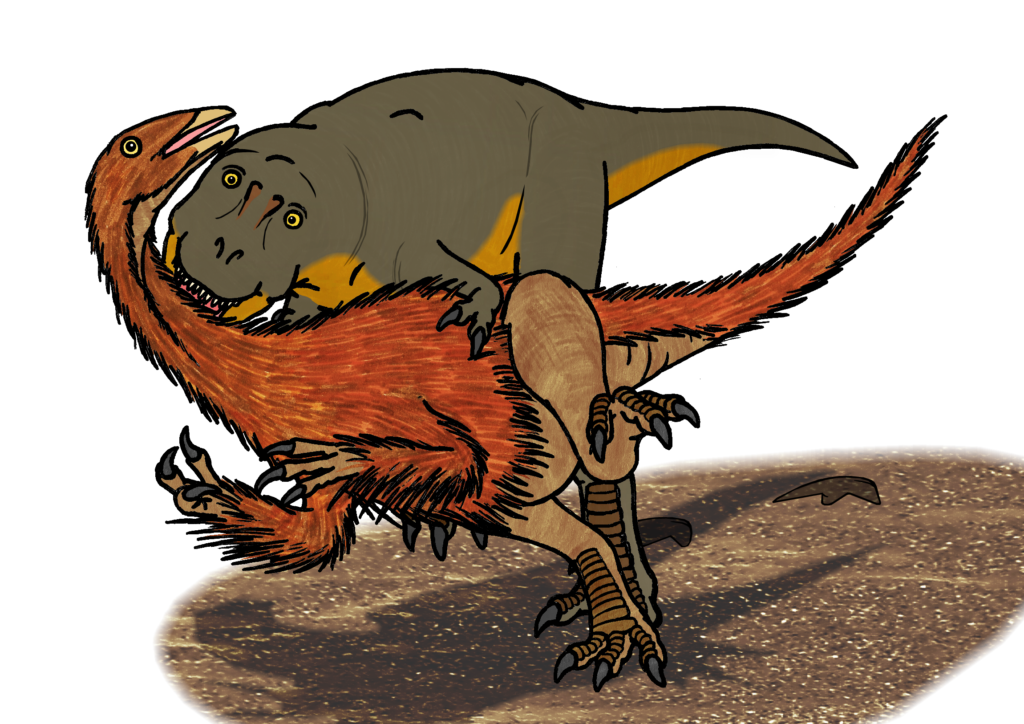
The current scientific consensus strongly favors the interpretation of Nanotyrannus specimens as juvenile Tyrannosaurus rex. Multiple independent studies using different methodological approaches have reached this conclusion. A comprehensive 2020 study in the journal Science Advances analyzed growth lines in the leg bones of various tyrannosaur specimens and found that purported Nanotyrannus individuals fit perfectly along the expected T. rex growth curve. Most major museums and research institutions now display these specimens as juvenile T. rex rather than Nanotyrannus. The North American Museum of Ancient Life, the Burpee Museum of Natural History (home of “Jane”), and the Museum of the Rockies have all adopted this classification in their exhibits. Nevertheless, a small but persistent group of researchers continues to advocate for Nanotyrannus as a valid taxon, ensuring that the debate, while tilted heavily toward the juvenile T. rex interpretation, remains active in some paleontological circles.
Comparing with Other Contested Dinosaur Classifications
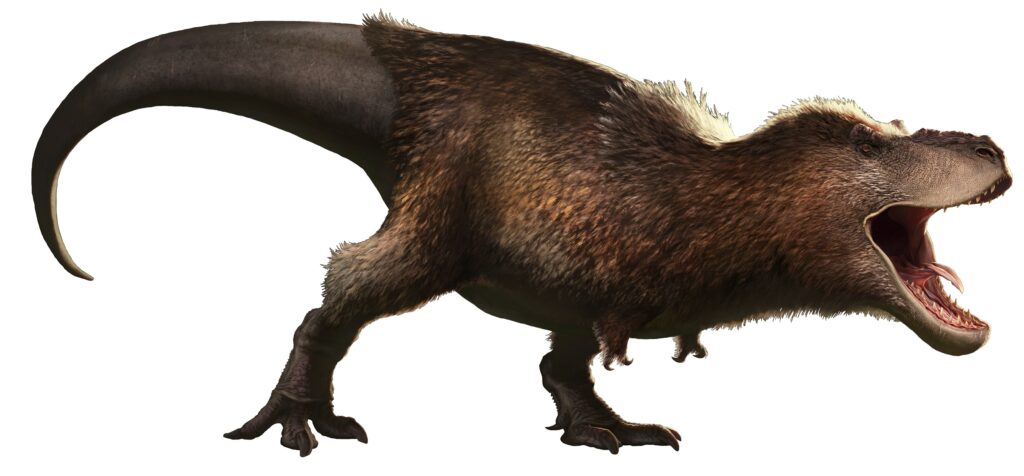
The Nanotyrannus controversy parallels other notable classification debates in paleontology. The distinction between Torosaurus and Triceratops faced similar scrutiny, with some researchers proposing that Torosaurus specimens were simply mature Triceratops individuals with more developed frills. The status of Dracorex and Stygimoloch as valid pachycephalosaur genera versus growth stages of Pachycephalosaurus represents another comparable case. In both instances, histological studies and growth series analyses played crucial roles in evaluating taxonomic validity. The Nanotyrannus debate also echoes historical controversies like the distinction between Brontosaurus and Apatosaurus, which went through periods of being considered synonymous before recent research re-established Brontosaurus as a valid genus. These parallels demonstrate how common such disputes are in paleontology, where fragmentary evidence, limited sample sizes, and the challenges of accounting for growth variation complicate taxonomic assignments.
The Importance of Ontogeny in Dinosaur Classification
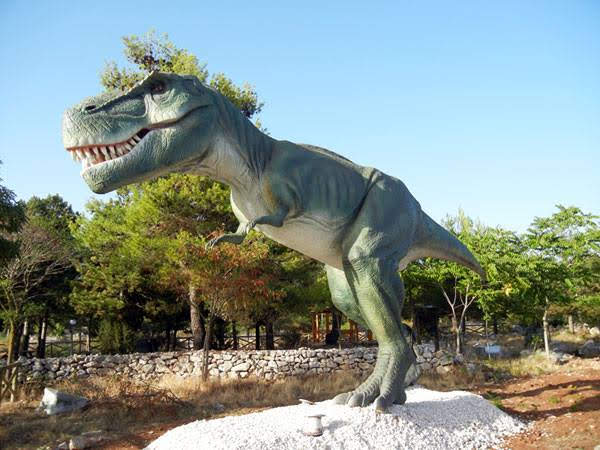
The Nanotyrannus debate underscores the critical importance of understanding ontogeny—the developmental history of an organism—in dinosaur classification. Dinosaurs underwent dramatic physical changes throughout their lives, with juveniles often bearing little resemblance to adults of the same species. Historically, this led paleontologists to classify specimens of the same species at different growth stages as distinct taxa. Modern paleontological methods now place heavy emphasis on identifying growth-related characteristics before establishing new species. Researchers examine skull suture closure, bone fusion patterns, surface textures, and proportional changes to distinguish ontogenetic variation from taxonomic differences. The integration of quantitative approaches like geometric morphometrics allows scientists to assess shape changes objectively during growth. This increasing focus on developmental biology has transformed dinosaur paleontology, leading to the recognition that dinosaur diversity may have been overestimated by counting growth stages as separate species—a methodological shift that continues to reshape our understanding of Mesozoic ecosystems.
The Role of New Technology in Resolving Classification Disputes
Advancing technology continues to provide powerful new tools for addressing the Nanotyrannus question. High-resolution CT scanning allows paleontologists to examine internal skull structures without damaging precious specimens, revealing details of brain cavities, sinus systems, and hidden sutures that weren’t visible to earlier researchers. Synchrotron imaging permits the examination of microscopic bone structure at unprecedented detail, helping scientists distinguish between juvenile and adult bone characteristics. Geometric morphometric analysis—a sophisticated mathematical approach to comparing shapes—enables researchers to quantitatively assess whether differences between specimens fall within expected growth patterns or suggest taxonomic distinction. Digital reconstruction techniques allow scientists to correct for taphonomic distortion (changes that occur during fossilization), providing more accurate comparisons between specimens. Advances in molecular paleontology, though still limited to specimens of this age, may eventually provide additional evidence through preserved proteins or other biomolecules. These technological innovations continually add new dimensions to the analysis, generally strengthening the juvenile T. rex interpretation.
Cultural Impact of the Nanotyrannosaurus Debate

The Nanotyrannus controversy has extended beyond scientific journals to capture the public imagination and influence popular culture. Museum exhibits featuring specimens like “Jane” often address the classification debate directly, using it as an educational opportunity to demonstrate how science works through competing hypotheses and evidence evaluation. Documentary series like PBS’s “NOVA” and BBC’s “Planet Dinosaur” have dedicated segments to exploring the controversy, bringing the scientific process to wider audiences. In paleoart—artistic reconstructions of prehistoric life—some artists deliberately choose to depict Nanotyrannus as distinct from T. rex, creating sleeker, more agile interpretations that contrast with the robust adult Tyrannosaurus image. The debate has even permeated dinosaur toys and games, with some product lines offering Nanotyrannus figures alongside T. rex. This cultural penetration demonstrates how taxonomic debates that might seem academic can resonate with public interest in dinosaurs and provide valuable windows into the scientific process.
Future Research Directions

Several promising research avenues may eventually resolve the Nanotyrannus controversy definitively. The discovery of additional tyrannosaur specimens representing various growth stages would fill gaps in the currently understood development sequence and potentially provide a more complete picture of how the T. rex changed throughout its lifespan. More comprehensive comparative studies of tyrannosaur growth across different species could establish clearer patterns of ontogenetic change in this family. Advanced three-dimensional morphometric analyses comparing skull shapes across numerous specimens might objectively quantify whether Nanotyrannus specimens fall within expected T. rex variation. The “Dueling Dinosaurs” specimen, recently acquired by the North Carolina Museum of Natural Sciences, will undergo detailed analysis that may yield new insights relevant to the debate. Continued refinement of histological techniques and potentially the recovery of ancient DNA or proteins—though extremely challenging for specimens of this age—represent longer-term possibilities that could provide molecular evidence to settle the classification question once and for all.
Conclusion: What the Nanotyrannosaurus Debate Teaches Us About Paleontology
The Nanotyrannus controversy, regardless of its ultimate resolution, exemplifies the dynamic nature of paleontological research and the challenges inherent in classifying extinct organisms. It demonstrates how scientific understanding evolves as new evidence emerges and analytical methods improve. While current evidence strongly favors the juvenile T. rex interpretation, the persistent debate highlights the complexity of accounting for growth variation in taxonomy and the difficulties of working with limited fossil material. Perhaps most importantly, the controversy illustrates how paleontology operates as a science—through competing hypotheses, evidence gathering, and constant refinement of conclusions. Whether Nanotyrannus ultimately retains its status as a distinct genus or is permanently relegated to synonymy with Tyrannosaurus rex, the debate has already enriched our understanding of tyrannosaur development, the ecology of Late Cretaceous North America, and the process of scientific inquiry itself.