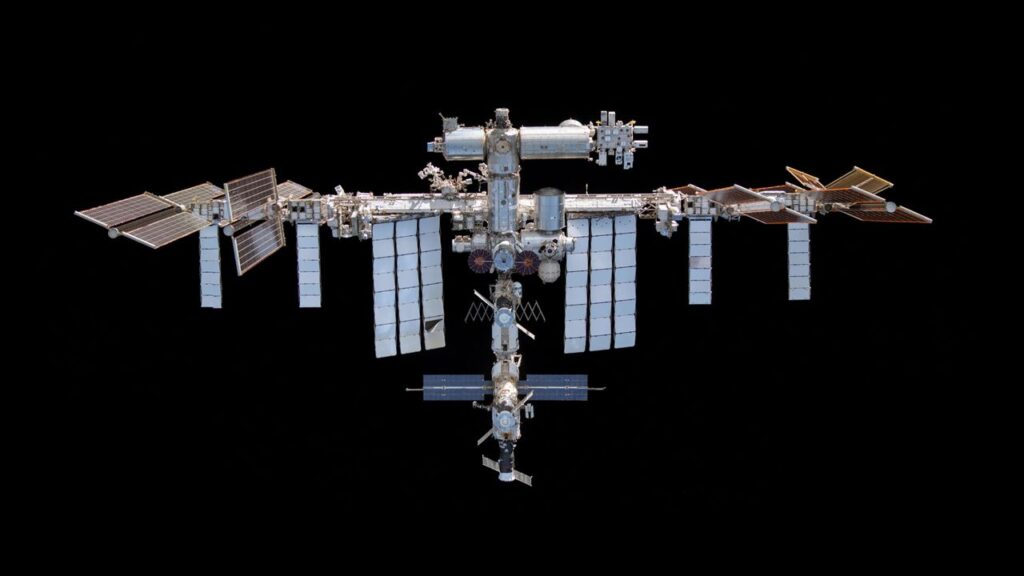
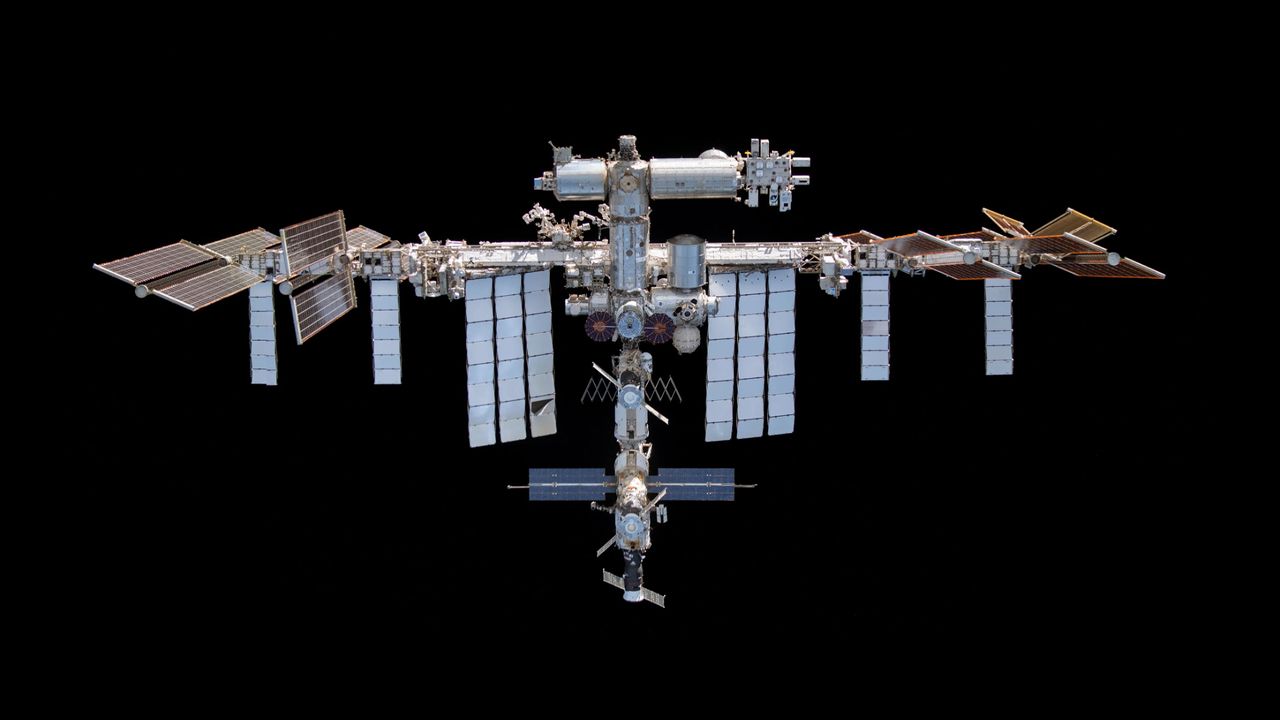
A Sudden Shift in Orbit (Image Credits: Cdn.mos.cms.futurecdn.net)
In a rare turn of events for space operations, NASA has scheduled the early return of four astronauts aboard the International Space Station, prioritizing crew health in an unprecedented medical evacuation.
A Sudden Shift in Orbit
One astronaut’s undisclosed medical condition prompted NASA to truncate the Crew-11 mission well ahead of its original timeline. Officials emphasized that the situation did not constitute an emergency, yet it necessitated swift action to ensure the individual’s well-being. This decision marked a historic first for the ISS, where no prior medical evacuation had occurred in its quarter-century of operation.
The issue surfaced on January 7, 2026, leading to the immediate cancellation of a planned spacewalk scheduled for the following day. That extravehicular activity would have prepared the station for new solar arrays, but safety concerns took precedence. NASA Administrator Jared Isaacman addressed the development during a news conference on January 8, outlining the agency’s commitment to astronaut care above all else.
Meet the Crew Facing an Early Homecoming
The Crew-11 team launched aboard a SpaceX Dragon spacecraft on August 1, 2025, following a remarkably quick turnaround from the previous mission. NASA astronauts Zena Cardman and Mike Fincke joined Japan’s Kimiya Yui and Russia’s Oleg Platonov for what was intended as a standard six-month stay. Their journey achieved the fastest Crew Dragon rendezvous with the ISS to date, clocking in at just over 14 hours.
Cardman, a geobiologist by training, contributed to various scientific experiments during her tenure. Fincke, a veteran of multiple spaceflights, brought extensive experience to the expedition. Yui and Platonov represented international collaboration, underscoring the ISS’s role as a global partnership. Though the mission’s scientific goals advanced significantly, the early end highlighted the human element in space travel.
Step-by-Step: The Return Journey Unfolds
SpaceX confirmed that the Dragon spacecraft stood ready for undocking no earlier than 5 p.m. EST on Wednesday, January 14. The process will involve a series of precise maneuvers to separate from the ISS, followed by a fiery reentry through Earth’s atmosphere. Weather conditions off the California coast will play a critical role in the timing.
Splashdown is targeted for 3:40 a.m. EST on Thursday, January 15, allowing recovery teams to assist the crew promptly. NASA and SpaceX coordinated closely to prepare the vehicle, ensuring all systems functioned optimally. This return path differs from typical east coast landings, adapting to current logistical needs.
Key phases of the evacuation include:
- Pre-undocking checks and farewells to the remaining ISS crew.
- Autonomous undocking and a safe drift away from the station.
- Deorbit burn to initiate reentry, lasting several minutes.
- Parachute deployment and splashdown in the Pacific Ocean.
- Post-landing medical evaluations and quarantine if required.
Broader Impacts on ISS Operations
The early departure of Crew-11 leaves the ISS with a reduced complement of astronauts, relying on the ongoing Expedition 72 team to maintain operations. Delayed experiments and maintenance tasks may require rescheduling, but NASA assured that core station functions remained secure. This event tested the robustness of contingency plans developed over years of international cooperation.
Experts view the incident as a reminder of the physiological challenges of long-duration spaceflight, from microgravity effects to isolation stressors. While details of the medical situation stayed private to protect the astronaut, it spurred discussions on enhancing in-orbit healthcare capabilities. Future missions might incorporate advanced telemedicine tools or more frequent health monitoring to mitigate similar risks.
Key Takeaways
- This marks the inaugural medical evacuation from the ISS, prioritizing crew safety without declaring an emergency.
- Crew-11’s abbreviated mission still delivered valuable science, despite the setback.
- SpaceX’s Dragon proved reliable once again, adapting seamlessly to the accelerated schedule.
As the Crew-11 astronauts prepare to leave the orbital outpost behind, their return symbolizes the delicate balance between exploration and human vulnerability in space. This chapter closes with lessons that will shape safer voyages ahead. What are your thoughts on this historic evacuation? Share in the comments below.